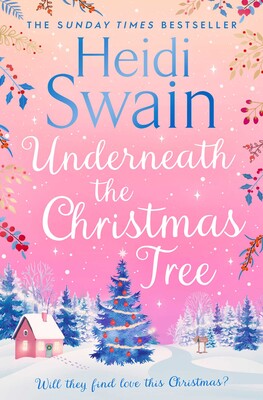
Underneath the Christmas Tree by Heidi Swain

You know, it really wouldn’t feel like the run up to the festive season without a new Heidi Swain book and I’m delighted to participate in the blog tour for Heidi’s latest book, Underneath the Christmas Tree. My thanks to Harriett Collins for inviting me to participate. I’m delighted to share my review today.

Other posts about and involving Heidi here on Linda’s Book Bag include:

My review of A Taste of Home here.

My review of The Winter Garden here.

My review of The Secret Seaside Escape here.

My review of Poppy’s Recipe for Life here.

My review of Mince Pies and Mistletoe at the Christmas Market here.

A ‘staying in’ post with Heidi to chat all about Sunshine and Sweet Peas In Nightingale Square here.

A guest post from Heidi to celebrate Snowflakes and Cinnamon Swirls at the Winter Wonderland, explaining exactly what Christmas means to her here.

Published by Simon and Schuster on 28th October, Underneath the Christmas Tree is available for purchase through these links.

Underneath the Christmas Tree

Wynter’s Trees is the home of Christmas. For the people of Wynmouth it’s where they get their family Christmas tree, and where Christmas truly comes to life.

But for Liza Wynter, it’s a millstone around her neck. It was her father’s pride and joy but now he’s gone, she can’t have anything to do with it. Until her father’s business partner decides to retire and she must go back to handle the transition to his son Ned.

When Liza arrives, she discovers a much-loved business that’s flourishing under Ned’s stewardship. And she’s happy to stay and help for the Christmas season, but then she has other plans. But will the place where she grew up make her change her mind? And can it weave its Christmas cheer around her heart…?

My Review of Underneath the Christmas Tree

Liza has unfinished business at Wynter’s Trees.

What a gorgeous story. I was entirely captivated by Underneath the Christmas Tree with its wonderful Wynmouth community spirit, its sense of friendship and its exemplification of what can be achieved through team work, loyalty and giving people a chance. Heidi Swain’s writing embodies the true meaning of Christmas.

There’s a lovely story that sweeps along making the reader feel Christmassy and uplifted, so that Underneath the Christmas Tree is a perfect book to raise even the glummest mood. Although it’s obvious (and no spoiler) that there will be a happy ending, that is what is so engaging, because the journey to that moment is so realistic, especially because of Liza’s own self-delusion and inability to recognise her own true worth. I felt she was the embodiment of so many women and I loved her for it. I wanted her to be happy from the moment I met her. The way Liza compares herself with Maya is utterly relatable. Maya too is a fabulous character as through her Heidi Swain inverts the cold beauty image of so many books and gives Maya a warm and engaging personality that feels natural and realistic. Underneath the Christmas Tree did bring a tear to my eye a couple of times because I was so invested in the characters, but it left me with a smile on my face and an overwhelming feeling of happiness and contentment.

Similarly, what I found so engaging about Ned was his ordinariness, his good nature and his hard working ethos. Heidi Swain proved that there doesn’t need to be great riches, and a brooding, complicated hero for a wonderfully romantic read. Ned is real. He can be sulky and quick tempered but he’s also honest and determined, making him a man who is vivid and attractive.

I also thoroughly appreciated the more minor characters. Through them Heidi Swain weaves subplots with major themes. I can’t spoil the story by revealing them, but concepts of relationships, family, loyalty, protection, community swirl through the pages of Underneath the Christmas Tree. One of the aspects I loved the most was how Liam illustrates that sometimes, all we need to do is look beyond the obvious and give others a chance.

Charming, enchanting and thoroughly lovely, Underneath the Christmas Tree isn’t about Christmas. It IS the spirit of Christmas in book form. I adored it.

About Heidi Swain

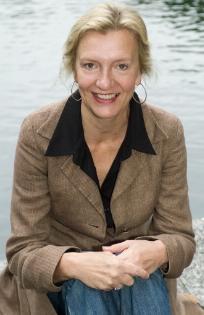
heidi-swain-576635598

Heidi lives in beautiful south Norfolk with her family and a mischievous cat called Storm. She is passionate about gardening, the countryside, collecting vintage paraphernalia and reading. Her TBR pile is always out of control!

You can follow Heidi on Twitter @Heidi_Swain and visit her blog or website. You’ll also find Heidi on Facebook and Instagram.

There’s more with these other bloggers too:

Announcing Jerwood Compton Poetry Fellows for 2020/21

As regular Linda’s Book Bag readers will know, I’m rather fond of poetry and so I’m delighted to bring news of the Jerwood Compton Poetry Fellows for 2020/21.

The Jerwood Compton Poetry Fellowships

The Jerwood Compton Poetry Fellowships are a six-year initiative supporting poets in the UK. The programme runs biennially for three editions between 2017 and 2022, creating a total of nine Fellows. Each receives a bursary of £15,000 and mentoring support. The Fellowships invest in the process and practice of making poetry, with no expectations of published work or performed events as a result of the award, and support individuals whose practice encompasses poetry in the broadest artistic sense. Poets are matched with a core mentor and have further access to a range of advisers and ‘critical friends’ to support their developing practice.

The Jerwood Compton Fellowships are designed and managed by Jerwood Arts, with support from Arts Council England including funds from the Joseph Compton bequest.

Jerwood Arts is the leading independent funder dedicated to supporting early-career UK artists, curators and producers to develop and thrive. They enable transformative opportunities for individuals across art forms, supporting imaginative awards, fellowships, programmes, commissions and collaborations. Jerwood Arts present new work and bring people from across the arts together in the galleries at Jerwood Space, London, as well as online and across the UK.

More information can be found on the Jerwood Arts website. You’ll also find them on Twitter @Jerwoodarts, Instagram and Facebook.

Arts Council England is the national development body for arts and culture across England, working to enrich people’s lives. They support a range of activities across the arts, museums and libraries – from theatre to visual art, reading to dance, music to literature, and crafts to collections. Great art and culture inspires us, brings us together and teaches us about ourselves and the world around us. In short, it makes life better. Between 2018 and 2022, they will invest £1.45 billion of public money from government and an estimated £860 million from the National Lottery to help create these experiences for as many people as possible across the country.

More information can be found on the Arts Council England website. You’ll also find them on Twitter @ace_national, Instagram and Facebook.

The Fellows

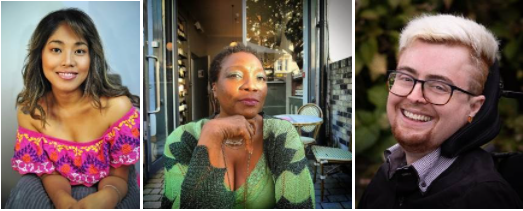
Three of the UK’s most exciting poets Romalyn Ante, Dzifa Benson, and Jamie Hale have been selected as the Jerwood Compton Poetry Fellows for 2020/21.

Each poet receives £15,000 and is given a year of critical support and mentoring. Turning the idea of an arts prize on its head, the Jerwood Compton Poetry Fellowship provides each poet with the time and space to focus on their craft and fulfil their potential with no expectation that they produce a particular work or outcome.

Recognising the power of potential, the Jerwood Compton Poetry Fellowship’s approach to funding advocates for a change in art funding practice in the UK, providing opportunities outside commercial pressures for artistic growth and new ideas to flourish. The Fellowship provides financial support towards the development of under-supported and diverse artistic practices across the UK, with a focus on the pursuit of artistic experimentation and the space for artists to thrive.

This alternative approach to recognising and rewarding outstanding poets, is now in its third and final edition. Previous recipients are: Raymond Antrobus, Jane Commane and Jackie Hagan (2017-18 Jerwood Compton Poetry Fellows) and Hafsah Aneela Bashir, Anthony Joseph and Yomi Ṣode (2019-20 Jerwood Compton Poetry Fellows).

Romalyn Ante, Dzifa Benson, and Jamie Hale illustrate how diverse and exciting poetry has become in the 21st century. Through activism, visual arts, theatre, and drawing from their personal experiences/circumstances, the three poets express their practice through a multitude of ways, opening poetry up to a wide range of audiences. Each poet has produced outstanding work to date and have demonstrated enormous, unselfish generosity towards other poets, giving far more than they have received particularly during the pandemic. They have been selected for the potential they display at this critical point in their individual careers, when the support provided from the Fellowship will make the most difference.

Alongside the freely given grant of £15,000, the three Fellows will each receive mentoring from the programme’s manager Dr Nathalie Teitler FRSA and access to experts drawn from the poetry world and beyond. Nathalie has run literature programmes promoting diversity in the UK for over 20 years, founding the first national mentoring and translation programmes for writers living in exile. She is the Director of The Complete Works – a national development programme that helped to raise the number of Black and Asian poets published by major presses.

Romalyn Ante
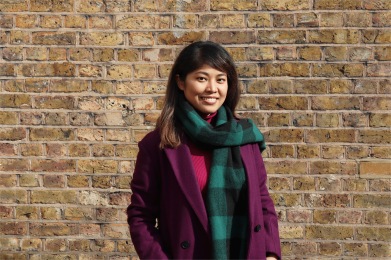
Romalyn Ante is an award-winning Filipino-born, Wolverhampton-based poet, translator, editor and essayist. She is co-founding editor of harana poetry, an online magazine for poets writing in English as a second or parallel language, and her accolades include the Poetry London Prize, Manchester Poetry Prize, Society of Author’s Foundation Award, Developing Your Creative Practice, Creative Future Literary Award, amongst others. Apart from being a writer, she also works full-time as a nurse practitioner, specializing in providing different psychotherapeutic treatments.

You can follow Romalyn on Twitter @RomalynAnte.

Dzifa Benson
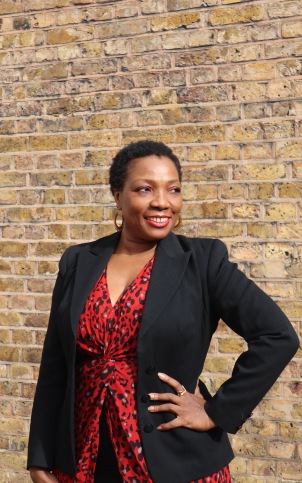
Dzifa Benson is a multi-disciplinary artist whose work intersects science, art, the body and ritual, which she explores through poetry, prose, theatre-making, performance, essays and criticism. She has performed nationally and internationally for Tate Britain, the Courtauld Institute of Art, BBC Africa Beyond and more, and she abridged the National Youth Theatre’s 2021 production of Othello in collaboration with Olivier award-winning director Miranda Cromwell.

You can follow Dzifa on Twitter @DzifaBenson.

Jamie Hale

Jamie Hale is a poet, script/screenwriter and essayist based in London, whose work often explores the disabled body, nature, and mortality. Their pamphlet, Shield – about disability, treatment prioritisation, and the COVID-19 pandemic was published in January 2020. Their solo poetry show, NOT DYING, was performed at the Lyric Hammersmith and Barbican Centre in 2019, and the filmed version has screened nationally and internationally since. Jamie is also the founder of CRIPtic Arts, an organisation showcasing and developing work by and for d/Deaf and disabled creatives.

You can follow Jamie on Twitter @jamierhale.

More information

Jon Opie, Deputy Director, Jerwood Arts, said: “The Jerwood Compton Poetry Fellowships is a special programme, which over the last four years has charted significant changes in the poetry world as begins to embrace the diversity of voices, experience and histories it encompasses. Past Fellows, and now the ones we have announced today, exemplify some of the multitudes of forms and languages that makes poetry an essential part of this country’s life, inseparable from mainstream media, powerfully articulating lived-experiences and enhancing other art forms. I am hugely looking forward to working with Romalyn, Dzfia and Jamie over the coming year. Their talents are unique, and yet they share a generosity and sense of responsibility towards other poets and their communities. I have no doubt their Fellowships will be profound for them and for others around them.”

Sarah Crown, Director of Literature, Arts Council England, said: “The Jerwood Compton Poetry Fellowship continues to champion change in art funding practice in the UK as fearlessly as it has done for the last four years. Providing mentoring, financial support and, most importantly, time and space for under-represented poets to experiment and hone their craft – without the external pressures of meeting a particular outcome – nurtures creativity and enriches the sector as a whole.

The selectors have had the tough task of choosing three recipients from what was yet again an extremely strong set of nominees. Romalyn, Dzifa and Jamie join a long line of talented Fellows, and I am excited to see how they flourish over the coming year.”

The three recipients were selected from a strong field of nominees by award-winning poet and writer Joelle Taylor; writer, performer, and facilitator Yomi Ṣode (Jerwood Compton Poetry fellow 2019); and award-winning poet Pascale Petit.

Nominations were made by a pool of over 200 specialists nationally including poets, publishers, editors, literary development agencies, artists, funders and festival organisers.

Selector Joelle Taylor said: ”The task of selecting only three Fellows from a longlist of  86 poets was a painful process. Each of the poets we saw were of an international standard, committed to their practice and the changes they wish to see in their work. We made decisions based not only who was ‘best’ but on who it felt most essential to support. The three Fellows we chose are at an urgent moment in their careers. They stand at a crossroads within their art, compelled to make substantial changes, to forge new narratives, to develop in a way that would not be possible without support from Jerwood Compton Poetry Fellowships.”

The poets now join the six previous Jerwood Compton Poetry Fellows – Raymond Antrobus, Jane Commane, Jackie Hagan, Yomi Ṣode, Hafsah Aneela Bashir and Anthony Joseph – who have shown how transformative a supported year can be. Without setting limits or expectations, the Fellowship has enabled the careers of previous Fellows to flourish. Each Fellow has significantly developed their practice, and themselves, through the support of the Jerwood Compton Poetry Fellowships.

Fellow Raymond Antrobus has gone on to win the Ted Hughes Award, be the London Book Fair Poet of The Fair, and be shortlisted for the Forward Prize for Best First Collection, the Griffin Poetry Prize and the T.S. Eliot Prize, amongst other achievements. In 2019 he became the first ever poet to be awarded the Rathbone Folio Prize for the best work of literature in any genre.

Jane Commane launched her first poetry collection, Assembly Lines at the Verve Festival in 2018, published by Bloodaxe. She also launched How to be a Poet: A 21st Century Guide to Writing Well, which ranked among the top five writing guides on Amazon. She is currently working on her second poetry collection, working title Municipal.

Jackie Hagan was one of five writers selected by Hat Trick Productions for its Your Voice, Your Story development scheme in partnership with Channel 4. In 2018, her one woman show, This is Not a Safe Place, showcased at the Hebden Bridge Festival and at the Unlimited Festival, Southbank Centre.

Fellow Yomi Ṣode has toured his acclaimed one-man show COAT to sold-out audiences. In 2020 his libretto Remnants, written in collaboration with award-winning composer James B. Wilson and Chineke! Orchestra was lauded by BBC Radio 3 and The Guardian. He founded BoxedIn and The Daddy Diaries – an online blog platform for fathers & guardians. Yomi’s debut collection is scheduled for publication by Penguin in Spring 2022.

Fellow Hafsah Aneela Bashir was commissioned to write her play Cuts Of The Cloth for PUSH Festival 2019. Her debut poetry collection The Celox And The Clot was published by Burning Eye Books. During lockdown she founded the Poetry Health Service, a digital service providing free poetry panaceas by the people for the people.

Fellow Anthony Joseph was shortlisted for the Republic of Consciousness Prize, the Royal Society of Literature’s Encore Award, and long listed for the OCM Bocas Prize for Caribbean Literature for his novel Kitch. As a musician, he has released seven critically acclaimed albums, and in 2020 he received a Paul Hamlyn Foundation Composers Award.
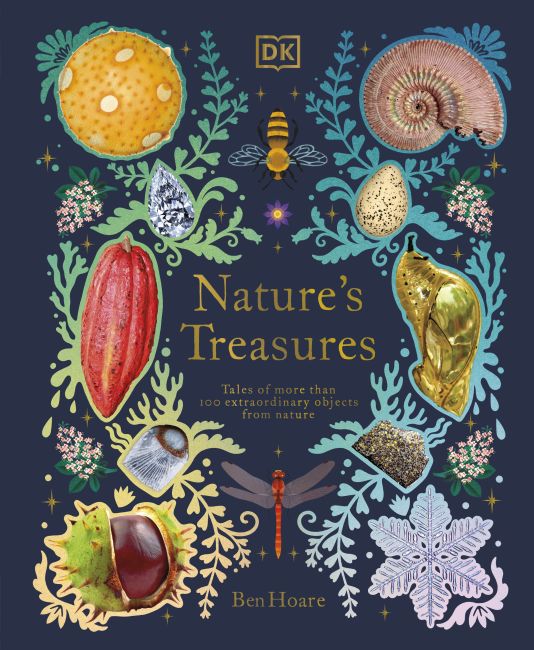
Nature’s Treasures by Ben Hoare, illustrated by Kaley McClean

I cannot thank Abi Walton enough for sending me a copy of the children’s book Nature’s Treasures by Ben Hoare in return for an honest review.

Nature’s Treasures is published by DK on 18th November and is available for pre-order through these links.

Nature’s Treasures

The world is filled with curious objects made by plants, animals, and even by the Earth itself. Dive into this collection of more than 100 intriguing items from the natural world and discover the stories behind them.

Learn how bristly mouths help huge whales capture tiny animals, how minute scales make butterflies shine in the sunlight, and how studying a leaf skeleton can tell us how it transports food. A bird egg, a lump of coal, a cacao pod, a mermaid’s purse, a fossil, a pine cone, an owl pellet, and a chrysalis – all tell a story. Arranged into four chapters: Animals; Plants, fungi, and algae; Minerals and rocks, and Made by nature, objects are shown with truly stunning photography and colourful illustrations to help explain the science behind them. The lively descriptions by best-selling nature writer Ben Hoare explore the remarkable tales of each item and all are packed with fascinating information.

Nature’s Treasures takes you on a tour of our planet through commonplace-but-incredible objects made by nature itself. This book is for every inquisitive child who loves to spot things when exploring outside and wants to know more about the wonderful and mysterious natural world.

My Review of Nature’s Treasures

A guide to the wonders of the natural world.

Wow. What a book. Nature’s Treasures is absolutely amazing.

Firstly I must comment on the physical production of Nature’s Treasures. As one would expect from a DK book, it is top quality with a beautifully foiled cover that is so solid and robust the book will endure years of handling and reading.  Add in the gold edges and Nature’s Treasures feels completely sumptuous. The orange endpapers are beautifully designed and the illustrations by Kaley McKean are glorious. As well as those illustrations, there are also stunning photographs throughout to exemplify the text. In addition, not only does the white space enhance the images, but it means that the writing is totally accessible to independent young readers, being brief whilst containing incredible information so that even the most reluctant young reader can access the text.

Nature’s Treasures is divided into sections covering animals, plants, fungi and algae, minerals and rocks, and items made by nature, with sensible advice for young nature spotters at the beginning and a useful glossary and index covering everything from aardvark to zinc at the back. Every section is packed with information. Indeed, whilst Nature’s Treasures would make a brilliant gift for individual children, it would also enhance any KS2 classroom because there are so many other references within its pages such as the etymology of fulgurite so that young minds can be inspired to learn more beyond the pages of the book.

There’s so much to discover within the pages of this book that I cannot praise Nature’s Treasures highly enough. It is fantastic and would make a wonderful gift. Buy it!

About Ben Hoare

Ben Hoare is an award-winning journalist and nature nerd. He loves writing about wildlife and how we can all help to protect the natural world. Ben’s books An Anthology of Intriguing Animals (2018) and Wonders of Nature (2019) are international bestsellers. The Guardian newspaper said: “His writing is funny, informative and zinging with infectious enthusiasm.”

Ben has written and edited natural-history books and magazines for DK, Pan Macmillan, the BBC, London’s Natural History Museum and many others.

He was Features Editor of BBC Wildlife Magazine from 2008 to 2018, and is now its Editorial Consultant.

In 2015 Ben was awarded the Dilys Breese Medal for science communication by the British Trust for Ornithology (BTO). He is one of only 18 people to hold the award.
For further information about Ben, visit his website, follow him on Twitter @benhoarewild and find Ben on Instagram.

About Kaley McKean

Kaley McKean is an illustrator based in Toronto. She received her BDes in Illustration from OCAD U in 2012, and since then has been working in the realms of editorial illustration, children’s publishing, and product design.

Her work features bright, minimal colour palettes and hand-made textures. She is inspired by medieval bestiaries, folklore, and the natural world. She will happily draw you any animal.
Kaley lives in Toronto’s west end with her husband.

You can follow Kaley on Twitter @KaleyMcKean and visit her website for more information. You’ll also find Kaley on Instagram.

Staying in with Tara Delaney

It’s always a pleasure to stumble across new to me writers, and I’m delighted to welcome Tara Delaney to Linda’s Book Bag today to tell me about a book that has been a long time in the making. For those of you wondering whether to join in with NaNoWriMo this year, I think Tara’s answers will be very heartening!

Staying in with Tara Delaney

Welcome to Linda’s Book Bag, Tara and thank you for agreeing to stay in with me.

Hi Linda, thank you so much for having me.

Tell me, which of your books have you brought along to share this evening and why have you chosen it?

Today I brought along, The Red Bike, my debut novel. I’m excited to be returning to fiction writing after twenty-five years working as a pediatric occupational therapist serving children with disabilities as well as speaking throughout the country on Autism, Dyslexia and sensory processing. This novel was written more than twenty years ago (last saved in 2000) along with other works of fiction, then pulled off a computer in 2020 and I began the process of editing.

Crikey – that’s quite some length of time for your debut fiction! Congratulations on finally getting to print!

What can we expect from an evening in with The Red Bike?

The seed for this novel was planted during a graduate class learning that the most powerful bond in the primate world is the mother/infant bond. I started to wonder what happens when something goes wrong with that relationship and the child doesn’t feel protected. The Red Bike explores how early experiences can impact us as adults and closely examines how we perceive our parent’s decisions. This is a mother-daughter drama with a steamy romantic backstory.

The Red Bike sounds fascinating. Have you got a small part you can share with us?

Here you are Linda.

Prologue

I wish I could convey this story without prejudice from an altered state of my mind. It is often very difficult to tell a story with any degree of accuracy after a metamorphosis has occurred. Surely the larvae wrapped in darkness does not perceive the world the same way as the butterfly spreading its wings in spring. However, I will attempt to record the events of the past year in such a way as to remind myself of who I was, and why I changed.

Abbey Gallagher

And now of course, I want to find out exactly what it is that Abbey is alluding to! How is The Red Bike being received by readers?


Here’s a review I particularly like Linda:

Review:

5.0 out of 5 stars Wow, what a great title, what a great cover photo and what a great book!!

Reviewed in the United States on October 21, 2021

Wow, what a great title, what a great cover photo and what a great book!!
Tara Delaney’s debut novel is a powerful story of redemption – I was reduced to blubbering tears by the last time the red bike appeared and had to take a deep breath and make myself a hot cup of tea before starting this review.
I don’t give out 5 stars easily, but this book hits all the marks: the writing is excellent, the character development is superb, the setting is unique, the narrative stays interesting through out the book and it packs an emotional wallop at the end.

The Red Bike sounds exactly my kind of read Tara. You must be delighted with that kind of response.

What else have you brought along and why have you brought it?

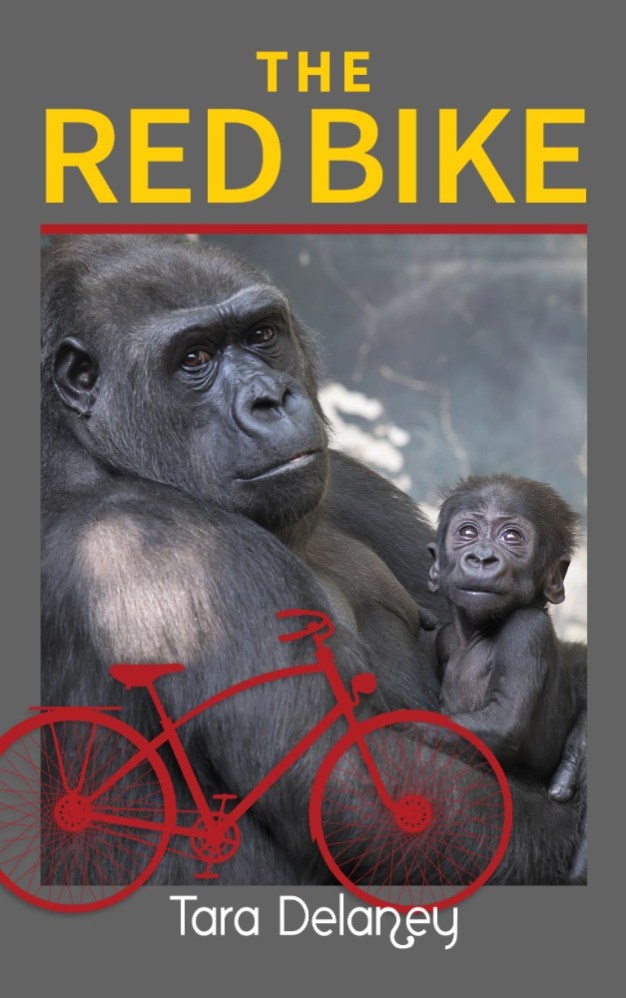
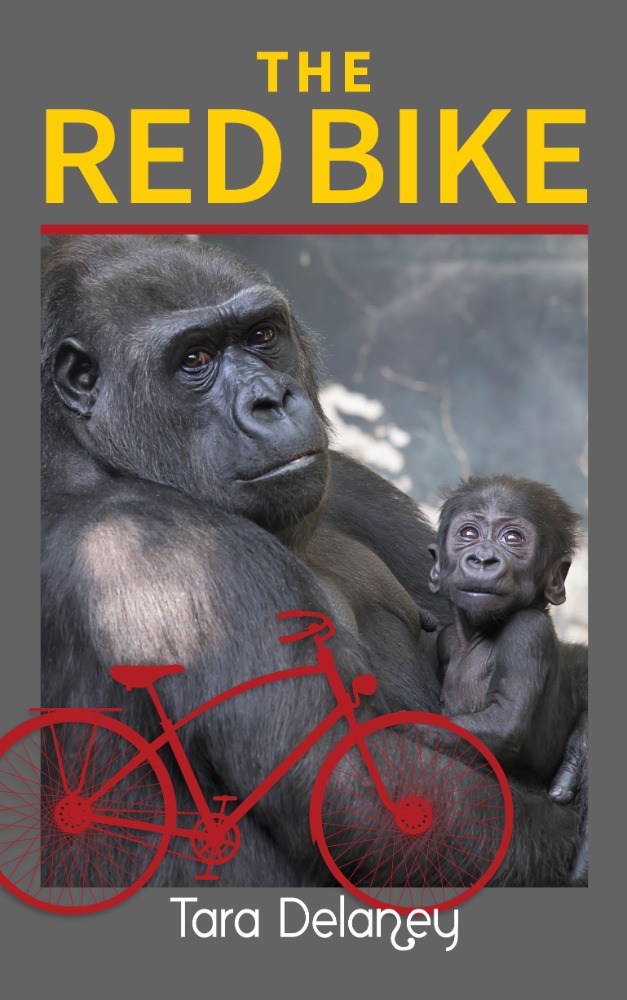
The Red Bike takes place in Austin, Texas in the late 90’s so it is best enjoyed with some Tex-Mex or BBQ – pair that with Shriner Bock beer or a Margarita…to put yourself in a Austin state of mind, find Guy Forsyth (an Austin Blues Icon mentioned in the novel) on Pandora and let his soulful blues escort you to Austin. The photograph on the cover represents the award winning photograph that Abbey takes of the mother gorilla and her baby. This photo is the driver for Abbey to return to Austin and reconcile her relationship with her mother.

Well I hope you won’t mind me sharing a photograph of a gorilla mother and her baby from when I trekked to see them in Uganda Tara. It’s no where near the quality of Abbey’s photo, being somewhat blurry as I was using my phone and my hands were shaking with excitement, but you can probably see why The Red Bike cover drew me to it!

Thanks so much for staying in with me to chat about The Red Bike Tara. I think it sounds a smashing read and I’ll just give Linda’s Book Bag readers a few more details whilst you start up the BBQ!

The Red Bike

Fans of Jo Jo Moyes and Jennifer Weiner will fall in love with Tara Delaney’s riveting debut novel, The Red Bike. Gritty, raw and steamy, this genuinely unputdownable novel will haul you through every emotion!

Abigail Gallagher needs answers. Which of her mother’s lives was real? The life she led or the one she left behind?

When wildlife photographer Abbey captures the tenderness between a protective mother gorilla and her newborn baby, she wonders if she can ever feel the same family bonds. First, she must break free from the intense anger she has carried since learning of her mother’s affair. Her mother’s self-centered behavior remains the wedge that keeps Abbey and mom apart.

After a year away, Abbey returns to Austin from Africa just before her 31st birthday. Her boyfriend Ryan cannot pry any commitment from her for their future together, despite her mother’s playful, but pointed, urging and interference.

When her mother is diagnosed with aggressive breast cancer, Abbey offers begrudging assistance to lighten her father’s care taking load. Slowly, the secret layers of her mother’s life are peeled away, until Abbey has no choice but to face a new and unsettling truth.

Can she close the gap in her relationship with her mother before her life slips away? Can Abbey open herself to Ryan enough to repair their attachment and resume their romance, to make plans for a life together?

The Red Bike is available for purchase here.

About Tara Delaney

Tara Delaney is an author of both fiction and non-fiction books. Her most recent book is a fiction novel, The Red Bike.

Tara is a best selling author of non-fiction books related to sensory processing disorder and autism. Her books include: The Sensory Processing Disorder Answer Book: Practical Answers to the Top 250 Questions Parents Ask; 101 Games and Activities for Children With Autism, Asperger’s and Sensory Processing Disorders as well as Building Social Skills for Autism, Sensory Processing Disorders and Learning Disabilities: Over 105 Strategies, Activities and Sensory Tools for Children and Adolescents. She speaks throughout the country on autism, sensory processing and dyslexia.

Tara Delaney is an occupational therapist MS OTR/L who has been practicing for more than twenty years. She has advanced training and education in the practices of sensory integration, therapeutic listening, visual-perception, and visual-vestibular integration. She graduated from the University of Texas Health Science Center in Biology and Occupational Therapy before attending graduate school at the University of Wisconsin-Madison.

Tara is fascinated by how early experiences impact adult behavior, including the cultural imprint from the various places one grows up.

Tara lives in Northern California with her husband, Bill, and their two children. She enjoys listening to NPR, reading books, wine tasting with friends and traveling. She still misses Austin, Texas, especially Texas BBQ and Guy Forsyth!

You can find Tara on Instagram.

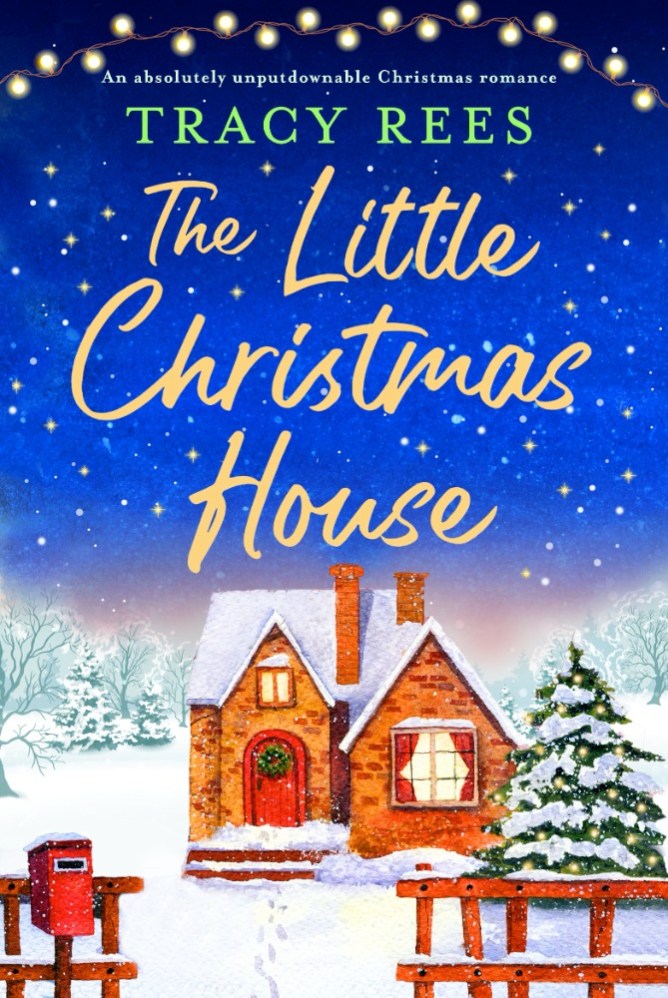
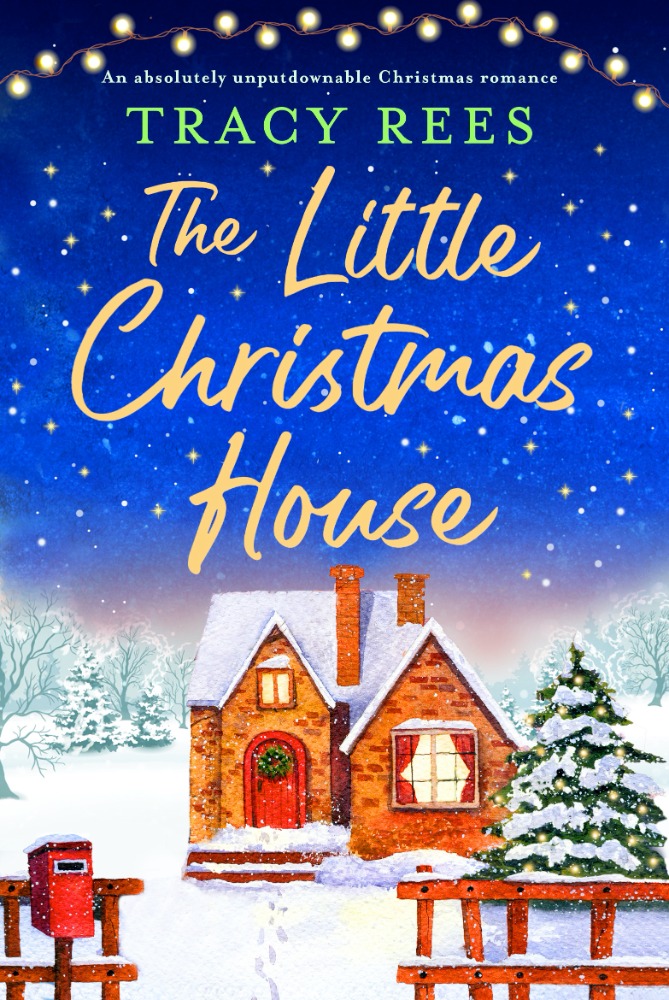
The Little Christmas House by Tracy Rees

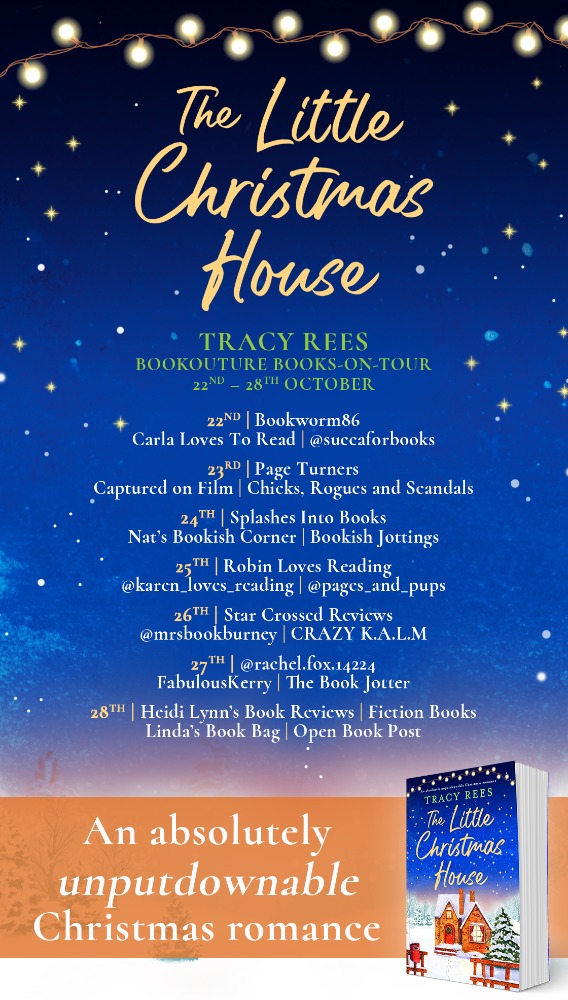
Regular Linda’s Book Bag readers might think I’m a little obsessed with Tracy Rees’s writing, but I enjoy her books so much I am delighted to participate in the blog tour for her latest Bookouture release The Little Christmas House. My thanks to Sarah Hardy for inviting me to take part.

Recently I was thrilled to review Tracy’s The Rose Garden as my first ever online review for My Weekly magazine in a post you’ll find here.

You’ll find my review of Tracy’s contemporary novel Hidden Secrets at the Little Village Church here.

Amy Snow was one of the first books I ever reviewed on the blog here.

I reviewed Florence Grace here and had a wonderful guest post from Tracy about the appeal of the C19th that you can read here.

Florence Grace was one of my Books of the Year in 2016 and you’ll see it featured here.

I also reviewed Tracy’s The Hourglass here and Tracy was kind enough to provide a guest post all about her memories of Richmond when Darling Blue was published. Darling Blue is still on my TBR but it’s just over a year ago that I reviewed The House at Silvermoor here.

Published by Bookouture on 22nd October 2021, The Little Christmas House is available for purchase here.

The Little Christmas House

In gorgeous Hopley Village twinkly lights are going up, snow is falling and the delicious smell of gingerbread is in the air. Will two broken hearts find their happily-ever-after this Christmas?

Thirty-year-old Holly Hanwell’s life is almost perfect – she loves her cosy little house in Hopley Village with its yellow front door and cute window seat, and adores teaching at the village school. Although she’s secretly nursing heartache after her ex-boyfriend dropped the bombshell news he was leaving her to have a baby with someone else. Now the most wonderful time of year is approaching but Holly doesn’t really feel like celebrating…

Until she bumps into Edward, the handsome but troubled-looking single father of her newest pupil. He’s moved to Christmas House, at the edge of pretty Hopley, to give his eight-year-old daughter Eliza a fresh start after his wife abandoned them three years go. Sheltering from the snowy weather in the warm village café, they bond over delicious mugs of hot chocolate, topped with cream and sprinkles.

Despite the attraction between them, Holly knows she needs to protect her already fragile heart and she’s determined NOT to fall in love this Christmas. But holiday magic works in mysterious ways and Holly and Edward’s paths seem to cross more frequently – present shopping, the annual carol service and the children’s nativity show. Just as Holly realises her feelings are growing for kind but complicated Edward she discovers a secret from his past which makes her question everything she thought she knew.

Can Holly trust Edward? And will their December romance be over before it’s begun? Or will this be a Christmas to remember?

Curl up with this magical, feel-good Christmas read! Perfect for fans of Trisha Ashley, Sarah Morgan and Carole Matthews.

My Review of The Little Christmas House

Holly, Eliza and Edward all need a new start after a difficult year .

You know, The Little Christmas House is one of those ‘women’s fiction’ books that I wish those who deride the genre would read,  because  although it might have all the elements readers expect from a ‘happy ever after’ book, it also exemplifies how excellent writing is, indeed, excellent writing whatever the genre. Tracy Rees has such a fluid style that manages to have a literary quality as well as a light hearted deftness that draws in her reader, entertains them perfectly and makes them feel better about the world. I thought Tracy Rees’s descriptions, especially of the natural world and settings, were so evocative. There’s a poetic touch in The Little Christmas House that is equally as good as any literary fiction because it creates vivid images in the reader’s mind. I loved the way the story is positive and uplifting without contrived humour too. The Little Christmas House is glorious.

There’s a plot that engages the reader from the very first moment because Tracy Rees has the ability to show the perspectives of Edward, Holly and Eliza with sparkling clarity in a way that made me care about them completely. This is no mean feat as I’m not a lover of children, but Eliza feels so authentic and genuine that I would happily have her in my life. I loved the way Clarissa’s personality balances Holly’s too and provides a pitch perfect equilibrium so that all life is here in Hopley. The school term, the Christmas pageant, Edwards’s attempts to manage single parenthood, and Eliza’s development, give super interest and engaged me throughout.

Whilst The Little Christmas House is a positive read, that doesn’t mean Tracy Rees shies away from more difficult topics. Not all can be mentioned here for fear of spoiling the read for others, but her exploration of relationships, of genuine emotions and of different forms of love and support covers a wide range of experiences for her characters. Through both character and theme Tracy Rees conveys the concept that happiness isn’t about materialism, but rather is about developing our potential whilst accepting our flaws. I finished this book genuinely feeling inspired and happier than I have in a long time.

The Little Christmas House is the perfect winter read. It’s warm hearted, charming, uplifting and filled with positivity and cheer. The Little Christmas House seems written not just about love, but with it too. I thought it was wonderful.

About Tracy Rees

Tracy Rees was the first winner of the Richard and Judy Search for a Bestseller competition. She has also won the Love Stories Best Historical Read award and been shortlisted for the RNA Epic Romantic Novel of the Year. A Cambridge graduate, Tracy had a successful career in non-fiction publishing before retraining for a second career practising and teaching humanistic counselling. She has also been a waitress, bartender, shop assistant, estate agent, classroom assistant and workshop leader. Tracy divides her time between the Gower Peninsula of South Wales and London.

You can follow Tracy on Twitter @AuthorTracyRees or visit her website for more information. You’ll also find Tracy on Instagram.

There’s more with these other bloggers too:

The Killer in the Snow by Alex Pine

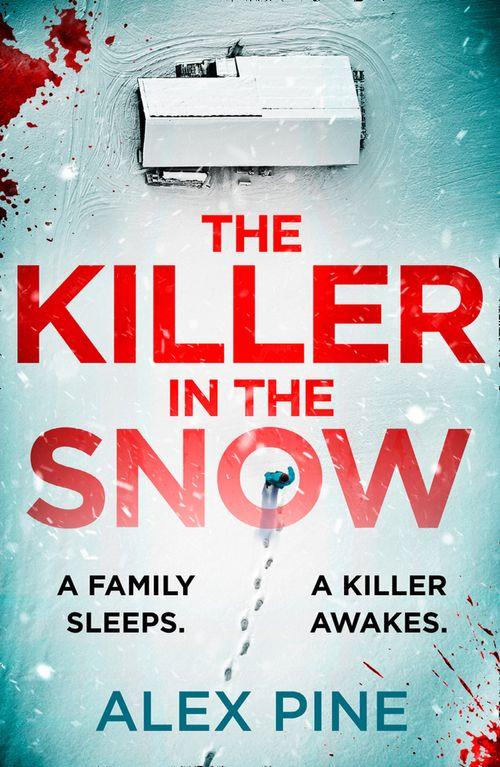
It’s a real pleasure to share details of another of my reviews for My Weekly today. This time I’m thrilled to have read and reviewed The Killer in the Snow by Alex Pine, the second book in the DI James Walker series. Although I have a mini-review below, my full review of The Killer in the Snow is on the My Weekly website here.

Published by Harper Collins imprint Avon, The Killer in the Snow is available for purchase through these links.

The Killer in the Snow

The first fall of snow can be fatal…

A year has passed since DI James Walker cracked his biggest case yet, and he’s hoping for peace and quiet this festive season.

But across the fells, a local farmer returns home on Christmas Eve to find footsteps in the fresh snow that lead down to his unused basement – and no footsteps leading away. Days later, his body is found, alongside those of his wife and daughter.

Without a neighbour for miles, there are no witnesses and little evidence. And the crime scene has strange echoes of another terrible murder committed at the farmhouse, twenty years earlier…

James knows that to catch this killer, he needs to solve a case that has long since gone cold…

My Review of The Killer in the Snow

My full review of The Killer in the Snow can be found on the My Weekly website here.

The Killer in the Snow is a fast paced narrative with twists and turns that keep the reader guessing from start to finish as DI James Walker find himself under pressure personally and professionally. Perfect for Christmas reading, this isn’t a cosy crime!

Do visit My Weekly to read more of my review.

About Alex Pine

Alex Pine was born and raised on a council estate in South London and left school at sixteen. Before long, he embarked on a career in journalism, which took him all over the world – and many of the stories he covered were crime-related. Among his favourite hobbies are hiking and water-based activities, so he and his family have spent lots of holidays in the Lake District. He now lives with his wife on a marina close to the New Forest on the South Coast – which provides him with the best of both worlds!

Alex Pine is one of the pseudonyms of JP Carter.

You can find out more on the James Raven website and by following JP Carter on Twitter @JPCarterAuthor and on Instagram

Staying in with JP Harker

I always think that what is so fascinating about fiction is that it can afford us the opportunity to escape the real world and live in many other times and places. JP Harker’s new book allows just that kind of escapism and I’m delighted he has agreed to stay in with me to chat about it today.

Staying in with JP Harker

Welcome to Linda’s Book Bag, James. Thank you for agreeing to stay in with me.

Tell me, which of your books have you brought along to share this evening and why have you chosen it?

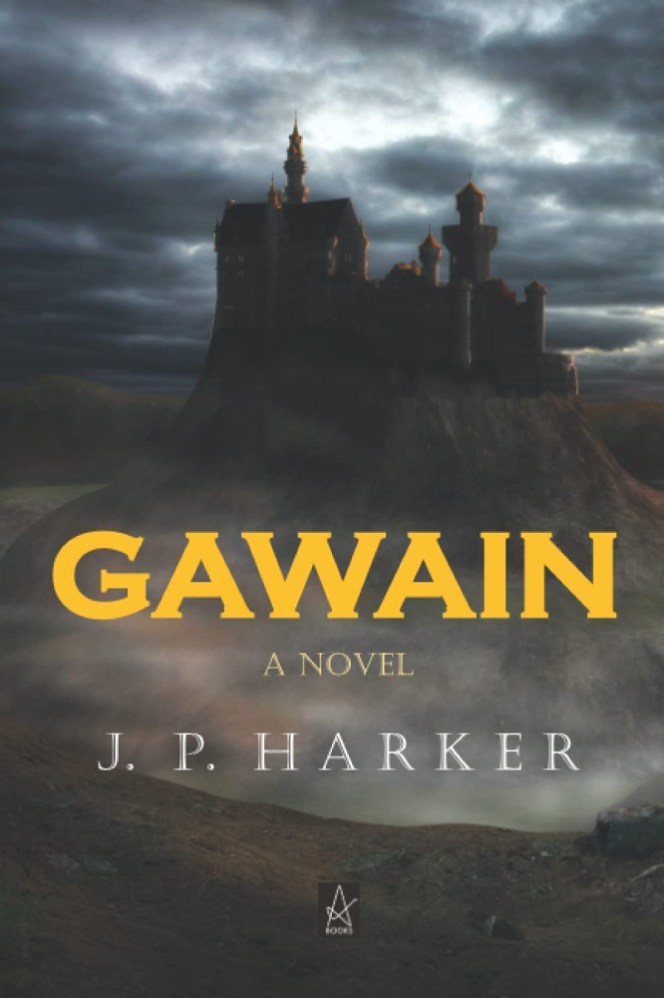
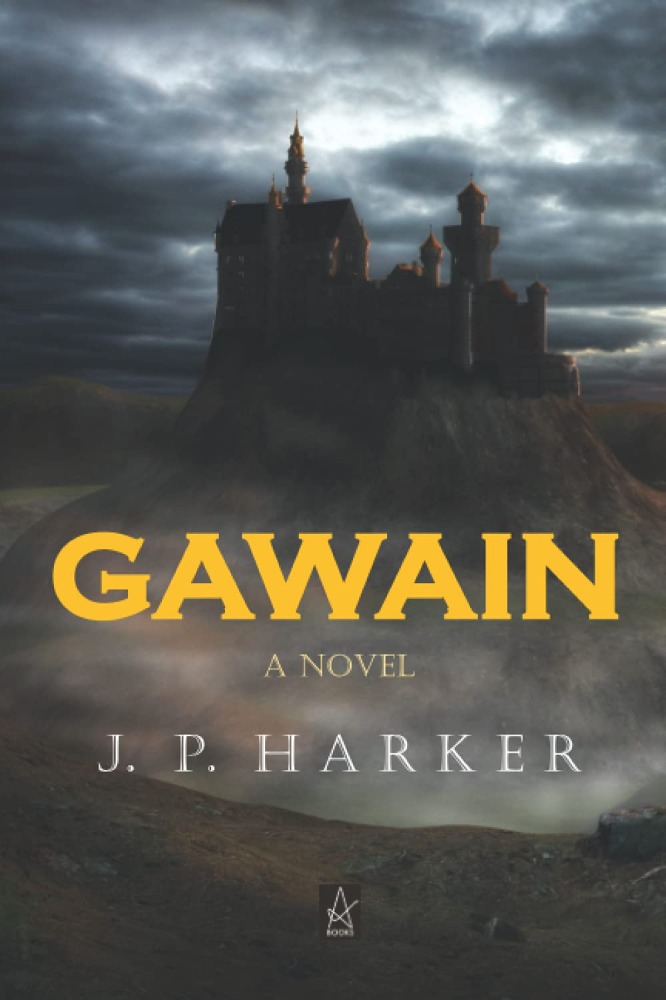
Hi Linda, today I’ve brought in my latest release; Gawain.  It follows the early life of this Arthurian hero, and is based on the Green Knight tale, with a little of my own Celtic twist.  I love Arthurian tales but too many have been put into the wrong era of history, lumping King Arthur in with a medieval idea of knights in shining armour (because that’s when the myths became really popular).

The real figures, if they ever existed, would have lived at least six hundred years earlier, when Britain was in chaos after the collapse of Roman power.  The ‘knights’ would have been Celtic or Romanised Britons, facing the slow invasion of the Saxons.  In my version of these legends, the Britons have split into various tiny kingdoms, in desperate need of unity and heroic leadership as the Saxon threat grows worse.  Knights, Assemble!

That sounds fascinating. What can we expect from an evening in with Gawain?

Gawain is a mix of fantasy and historical fiction, mixing in some traditional legends with more realistic history.  It’s by far the shortest of my books, weighing in at barely 105k words, and has a bit of a pacier feel to it.

That sounds quite a volume to me!

We’re following Gawain when he’s at the tender (and predictably unwise) age of sixteen, a young lad with two warlike older brothers growing up in the household of a semi-retired warrior king.  As you can imagine, he’s rather keen on getting some warrior reputation for himself, and impressing a certain pretty girl whenever he can.  This attitude takes him into conflict with a mysterious green-clad stranger at the feast of Beltane, and things only escalate from there.

Tantalising! And how is Gawain being received?

A few rather nice quotes from reviewers describe it thus:

‘The cast of characters in this book were funny and they seemed authentic. Gawain’s comrades were equally lacking in sense when it came to decisions’

Bookphenomena

‘The battle scenes are superb. They’re so well described and exciting, and I can really picture what’s happening. Unsurprisingly, not everyone is safe!’

Krakentoagoodbook

‘I thoroughly enjoyed the story especially as it picked up towards the end, and it ended in a twist that I did not see coming’

Eryn Oliver

I bet you’re delighted with those responses to Gawain. What else have you brought along and why have you brought it?

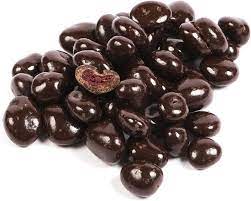
I have my traditional snack of dark chocolate cranberries (I may have a problem!), the delightful music of Queen in the background, and beside me as ever is one of my faithful swords.  Within reach is my hand-and-a-half sword, the same one which, many years ago, I used to cut my wedding cake.

My goodness James, how did I not know about chocolate cranberries!

Thanks so much for staying in with me to introduce Gawain. You share out some of those cranberries and I’ll give Linda’s Book Bag readers a few more details about Gawain:

Gawain

Gawain is the first book of the new series by JP Harker, author of Caledon Saga. Gawain follows the early lives of Arthur’s knights and the eventual formation of Camelot. Fast-paced, historically grounded re-imagining of Arthurian myth, it is focusing on a flawed hero and a sympathetic antagonist. It takes place in a semi-fantasized Dark Age Britain. Here, Romanized nations clash with each other, with the remnants of the Celtic peoples, and with the slowly encroaching Saxons.

In this book a young Gawain is embarking on his first test as a future warrior of Camelot. After accepting his challenge at the Beltane feast, Gawain defies his father to travel north and face this new enemy, unaware that the Picts are massing for an attack on his father’s kingdom. Leading them is Mhari, a tribal chief with her own goals and dreams for the north. The courage and morality of both characters is challenged, culminating in a final conflict where Gawain inadvertently proves his worth to a disguised Merlin. Themes include religion (the mixed Christian and Pagan world), temptation versus nobility, and sexual morality.

Published on 28th May 2021, Gawain is available for purchase here.

About JP Harker

JP Harker is the pen-name of James Thomas, a mild-mannered hospital clerk and martial arts instructor from Glamorgan, South Wales. Having studied archaeology at university, specializing in Roman Britain, James first tried his hand at writing historical and fantasy fiction as a student, involving a lot of trial and error. In 2014 he started taking writing seriously and began work on a fantasy world, which led to the creation of the Caledon Saga. Gawain is the first book of his new series, following the early lives of Arthur’s knights and the eventual formation of Camelot.

For more information, visit JP’s website, follow him on Twitter @JP_Harker, or find him on Facebook, Instagram and Goodreads.

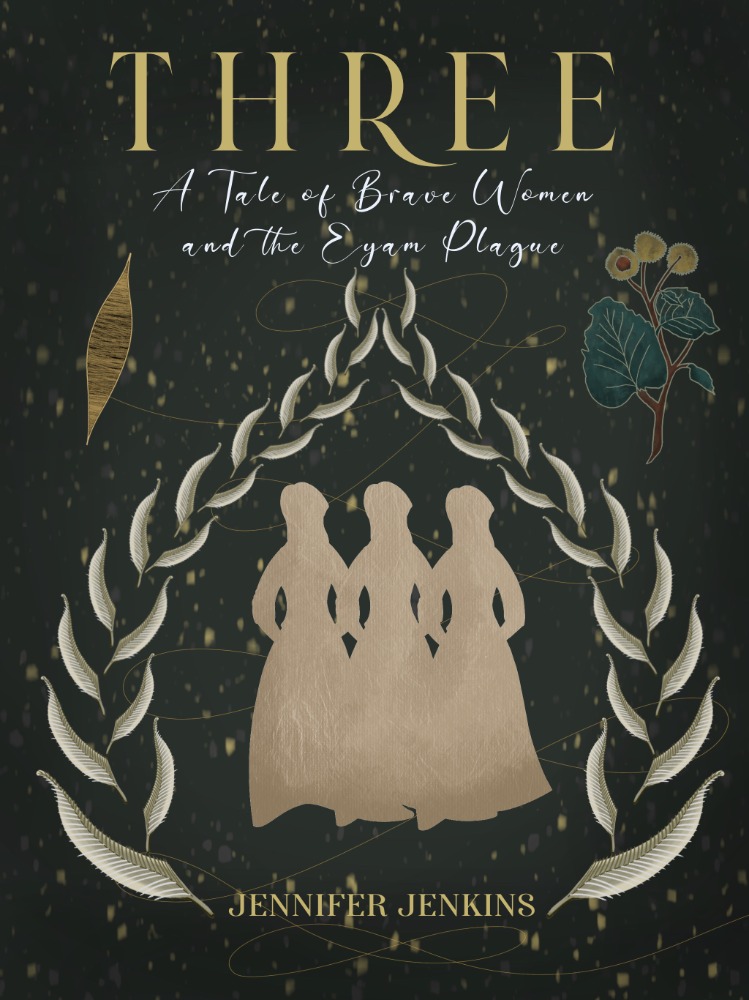
Writing in a Pandemic Whilst Reflecting on Another: The Shaping of a Novel by Covid-19 – A Guest Post by Jennifer Jenkins, Author of Three

I’ve long been interested in Eyam and the Plague, so when I heard that not only has Jennifer Jenkins written an historical novel, Three: A Tale of Brave Women and the Eyam Plague, about that very event and has done so whilst we endure our modern day plague, I simply had to invite her onto Linda’s Book Bag to explain what that process was like. I’m delighted she agreed and Jennifer has provided a wonderful guest post for me to share with you.

I’m also thrilled that Three is on my TBR thanks to Debbie at at Cameron Publicity. I can’t wait to read it.

Three: A Tale of Brave Women and the Eyam Plague is available for purchase here.

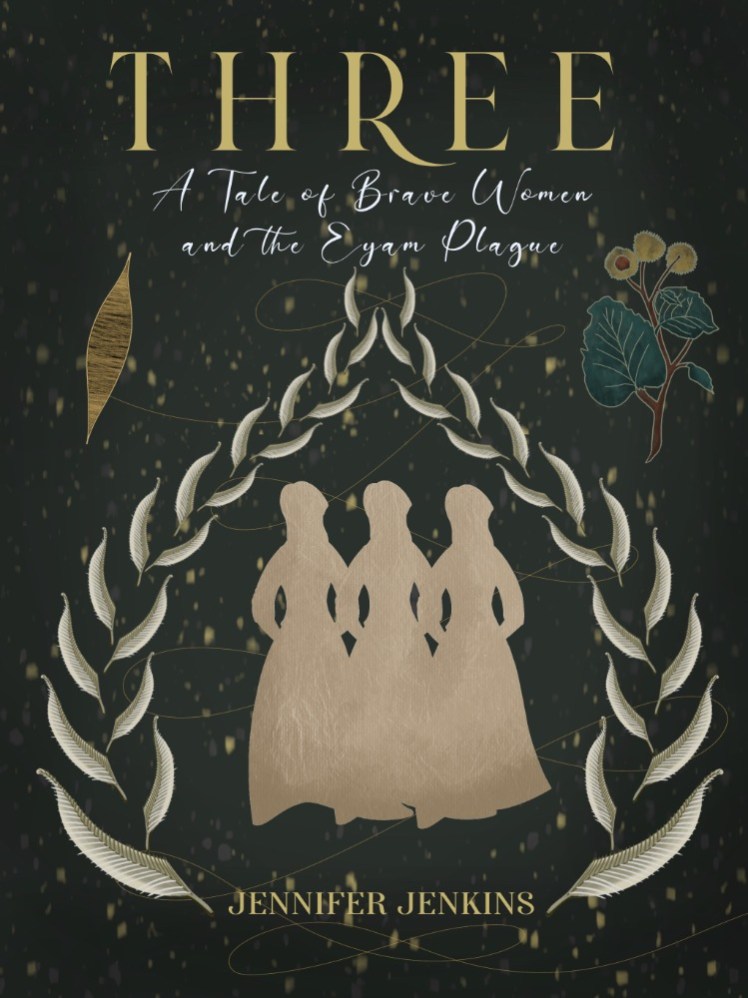
Three: A Tale of Brave Women and the Eyam Plague

In 1665 a box from London brought more than cloth from plague-ridden London to the quiet village of Eyam in Derbyshire. For the next year the villagers had to learn to live with a silent enemy. ‘Three’ tells the story of three very different women in their courageous attempts to keep themselves and their loved ones alive as Eyam closed its doors to the outside world, instead facing the malevolent danger alone. Emmott Sydell, Catherine Mompesson and Elizabeth Hancock were each determined to live and the courage each of them found was as unique as the women themselves. Will 1666 bring salvation?

This work of historical fiction, written during a pandemic whilst reflecting on another, fuses creative imagining with historical fact to bring three female protagonists to life…

Writing in a Pandemic Whilst Reflecting on Another: The Shaping of a Novel by Covid-19

A Guest Post by Jennifer Jenkins

The current pandemic hasn’t always given us many things to be grateful for but for me the gift of the pandemic was two-fold: 1) furlough allowing me the time to write, and 2) gifting me the insight of living through a pandemic so that my experience could really enrich my writing about a previous one. I found the pandemic had given me valuable insight, precious time and the ability to focus on a story I really believed I needed to tell.

Three: A Tale of Brave Women and the Eyam Plague tells the story of the fateful epidemic of bubonic plague in the village of Eyam in Derbyshire in 1665-1666 and it foregrounds the lives and experiences of Emmott Syddall, Catherine Mompesson and Elizabeth Hancock, all real women who lived through that harrowing year.  As you read the novel, you will no doubt notice similar actions and reactions in the inhabitants of the village as you will have experienced yourself in recent times. This was deliberate on my part. The empathy I felt for my characters was made all the stronger by experiencing just a fraction of what I now understood they had been through. In our times, there has been the growing suspicion of other people, with everyone gradually withdrawing into their houses and peering out from behind closed doors with growing anxiety. There is the developing understanding of how Covid is spreading and the most effective ways to keep yourself and your loved ones safe. There were the early experimental treatments (we all saw the news reports about tonic water and President Trump’s suggestions regarding UV light and bleach!) and the desperate yet futile attempts at prevention and remedy (just like abracadabra, Emmott’s mother’s desperate attempt to keep the plague from her home in Three). During the Coronavirus Pandemic the devastating realisation of a building death toll kept us awake at night. Whilst there were lower numbers of victims in Eyam, it was as equally-devastating for them during their plague visitation as it has been for us to mourn the lamentable millions we have lost in the past year or so worldwide. In the end, a huge percentage of the village’s population had succumbed to the devastating impact of Yersinia pestis.

When I was beginning to contemplate writing this book, I reached out to my favourite historical fiction author, Tracy Chevalier (author of The Girl with the Pearl Earring), for advice on writing (she’s always been so kind and generous in sharing her wisdom) and on finding out my proposed novel’s subject she told me I was brave to write about Eyam now. Whilst it resonates with the current situation, she was concerned in a few years’ time people would want to forget about the whole concept of pandemics and not want to read it. She may well be right, but I took a deep breath and wrote it anyway and my recent reviews indicate that for now many people do want to connect with the human experience of living through such a challenging time, be it now or 300 years in the past. I wanted to show that our current experiences had been lived by others throughout history and, more than anything, I wanted to give those three women voices that could echo through the centuries to resonate with us now. One reviewer puts it like this: “It is as if these three women, who really did exist and have now been reimagined for the Covid-19 generation, have been craving someone, another woman, to put their lives properly to bed.”

Writing the novel during a pandemic brought a richness to the writing and an authenticity to the characterisation that might otherwise have been harder to achieve. One reader comments in an Amazon review that “The parallels of lockdown, social distancing, isolation, and loss of loved ones, in events 300 years apart, were striking.”

In the same year covered in the novel, London had been visited by plague, beginning in the poor parish of St Giles in the Field in the nation’s capital in May 1665. Over the next few months, it ravaged London and was the worst outbreak since the medieval global pandemic of the Black Death in the 1300s ,which had killed so many of Europe’s population. Then, an estimated 25 million people, or a third of the continent’s peoples, lost their lives to that deadly pestilence. Its return to London in the seventeenth century must have terrified everyone who lived there. By the summer of 1665, 31,159 people had died; around 15% of London’s population. It had spread rapidly; beginning with a small number of deaths and discomforting rumours, rapidly gaining speed as the victims stacked up and the fear rose to fever pitch. Snatches of news about the devastation the disease was leaving in its wake as it stalked the streets of London, would have found their way out into the other parts of the country, striking fear into the hearts of anybody hearing such reports and praying their little corner of the world would stay safe. So, when the plague arrived in Eyam, it presented a similarity to those early days of the current pandemic, when we realised there were some cases of the novel coronavirus in our own town, city or street. Somehow, it had found us and we knew from the news coming out of places like Wuhan, Italy and Spain that with it came misery.

Obviously, Eyam during 1665 to 1666 was not furnished with the scientific knowledge we have today regarding epidemiology of disease. Yet, those modern concepts of ‘transmission’ and ‘immunity’ are still represented in the novel without being explicitly understood or explained by our characters ignorant of such scientific ideas. The people of Eyam are aware that the disease seems to spread by contact and that once it finds its way into a household it is only a matter of time before the whole house succumbs to the horrifying sickness. So, they implement measures to avoid the spread of ‘plague seeds’ (their seventeenth century language for capturing the idea of contamination leading to infection), utilising the holes in the boundary stone filled with vinegar (the acid killing any infection) and the rushing water at Mompesson’s Well. At the end of the outbreak, they burned material that had come into contact with plague victims. Who knows whether they ironed their letters like folk in London did, but the concept that whatever came into your home could bring plague with it (the box of cloth received by the tailor had proven that), was matched in our early efforts of leaving our shopping and mail to stand for days, wiping everything down, using more hand gel in a week than you had previously used in a life time! When Elizabeth Hancock, living outside the village centre at Riley Farmhouse, brings eggs to sell in the village, we see a fictionalised example of the village systems in action, with the pail of vinegar for the money to be placed in and the social distancing of the women as they make their purchases.

The word ‘immune’ is not one that would have been used by the villagers at the time but the concept of somehow being resistant to the devastating effects of plague is one they would have become gradually aware of. You only need to take a look at the colour-coded exhibit in the fascinating Eyam Museum, showing the course of plague through each household, to see how whilst some families were entirely wiped out (such as was the fate of the Thorpes), other families were utterly devastated save for just one person. Who knows what was going through that surviving person’s mind? At a time when God was often deemed responsible for natural disasters and other calamities, people of that time would often credit survival or destruction with the favour or punishment of the almighty. It is into this backdrop that we find Emmott pondering her survival when nearly all of her family have sickened and died. It seemed likely to me that she would question why that was the case and perhaps anticipate a divine purpose or a higher calling for herself. The stories of survival from our own times; such as the elderly recovering from Covid and those on ventilators finally going home from hospital to corridors lined with clapping members of staff (as was the case for one dear friend of mine), are often met with similar notions of ‘not her time yet’ and ‘he has more to do here’. In Eyam, there were very few survivors once the plague had taken hold of them, and the stories of Unwin, Margaret Blackwell and the village sexton, Marshall Howe, all featured in the novel, are relatively unique in the statistics of the Eyam outbreak.

Some of the moments from those early days of the pandemic that really moved me, are here in the book too. The singing of people from their balconies in Italy during the first lockdown in 2020 finds its 1665 equivalent in the singing of Silent Night by the villagers of Eyam on Christmas Eve in the novel, a moment of pathos also borrowed from the Christmas Truce of 1914 when British and German soldiers agreed a fragile peace for that one holy night in the trenches. The novel conveys a fragile hope that the plague would hold off for the sacred night of the coming of Jesus into the world and so we have Catherine Mompesson reliving her childhood memories, Emmott finding her voice for singing despite her grief, and Elizabeth and the Hancock family enjoying a wonderful Christmas together despite the growing threat. I too enjoyed that one day of household mingling on Christmas Day last year against the backdrop of the second wave, wearing my Christmas onesie and Santa fleece whilst eating a rapidly cooling turkey at a table outside next to a roaring log-burner. It will always be a Christmas to remember.

There was no real way to incorporate a seventeenth century version of the doorstep clap for the NHS, but the sense of gratitude that is given to Humphrey Merrill for his remedies is perhaps the closest parallel. It is through her assistance to the apothecary that Catherine, wife of the village rector, finds the respect and kinship with the village she has been craving and the thing that is just for herself and marks her as someone beyond just ‘the rector’s wife’.

Our modern times have seen sceptics of the pandemic rise up; those who believe it to be a hoax, refusing to have their freedoms restricted by social distancing or the wearing of masks, those later lamenting their decisions; early Covid victims dying in hospitals after attending Covid-parties believing the disease was an invented way to control the masses or, more recently, refusing the vaccine and succumbing to the Delta variant. In the novel, it is Marshall Howe, the gravedigger, who recovers from plague, making him conceited and overly casual with the disease and ultimately paying the price for his haughtiness and greed in the face of the disease. Plague did not discriminate any more than Covid does. Nobody can know for sure they are invincible to infection, or to passing it on to someone who will not survive their battle with it.

There were unsettling moments in the past eighteen months where religious people took risks during the Coronavirus Pandemic, believing their God would protect them and continuing to meet for services despite the advice given out by governments. Pastors of churches died, along with their parishioners, in some places in the world. Even recently I heard the sad story of a woman who refused the vaccine at the pulpit-delivered advice of her pastor and tragically died of Covid-19. Thankfully, Eyam had the benefit of not one but two wise ministers, intent on seeing as many people survive as they could. They tended the sick and the dying, moved church services outside and devised the plans for keeping those outside of the village safe too. In Catherine we encounter the tension she feels between trusting her faith in God for survival and finding a way to ease the suffering of others through her helping of Humphrey Merrill and the subsequent honing of her own skills of apothecary.

As the novel progresses, so does the suspicion the villagers feel towards their fellow villagers. They become concerned by high colour in the faces of their neighbours and enquiring about health takes precedent over the usual innocuous comments about the weather. We witness our characters doing their very best to keep themselves and their loved ones safe and yet at times taking risks, for love, for friendship, for kindness, and the consequences of these decisions are for each reader to discover. In the last year, there have likely been times when we have regarded a friend’s coughing with suspicion or whipped out a lateral flow test at the slightest hint of a headache or temperature. Such was the world inhabited by our brave characters in 1665, knowing that the consequences of infection were incredibly high.

In the first lockdown, many of us received notes through our door with offers from neighbours to help with food and medical supplies etc should someone need to self-isolate. I wrote 16 handwritten notes myself and set up a neighbourhood WhatsApp group, which led to a beautiful expression of community as people took care of each other during what felt like a very frightening time. Whilst the Earl of Devonshire, the Lord of neighbouring Chatsworth House, likely did not act in pure altruism (the deal he struck with the rector would keep plague away from his estate) when he responded to William Mompesson’s letter, the giving of provisions left at the boundary stone to keep Eyam’s parishioners fed during the plague outbreak, had echoes of this concept of community saviours. Of course, William Mompesson and Reverend Thomas Stanley’s suggestion of the cordon sanitaire and the villagers’ incredible commitment to honour it, was the ultimate expression of sacrificial love and perhaps we find the greatest modern day equivalent in the sacrifice of so many brave members of the NHS who died without proper PPE in those early months. ‘Greater love hath no man than to lay down his life for his friends‘ (John 15:13), the Bible verse used by the rectors to encourage Eyam’s villagers to accept the quarantine, found a devastatingly authentic expression in the commitment of NHS workers and carers to treat the pandemic’s earliest victims.

There are many more examples of parallels between now and Eyam back then, and I am sure if you choose to read the novel the parallels with our own recent experiences will make themselves obvious to you. Readers talk about the connection they feel with the characters as they go through situations and scenarios we now recognise so much more clearly. The novel I have written has found its unique expression because of the lens of the pandemic through which it is written. I think the pandemic sucks as much as the next person but I will always be grateful for those two precious gifts it gave me: time and perspective.

****

Thank you so much. What an utterly brilliant piece Jennifer. I agree with Tracy Chevalier that I don’t especially want to read about OUR plague in fiction, but the chance to find connection and solace through historical novels seems to me to be a wonderful opportunity to heal. I love the concept of herstory too and cannot wait until Three: A Tale of Brave Women and the Eyam Plague reaches the top of my towering TBR.

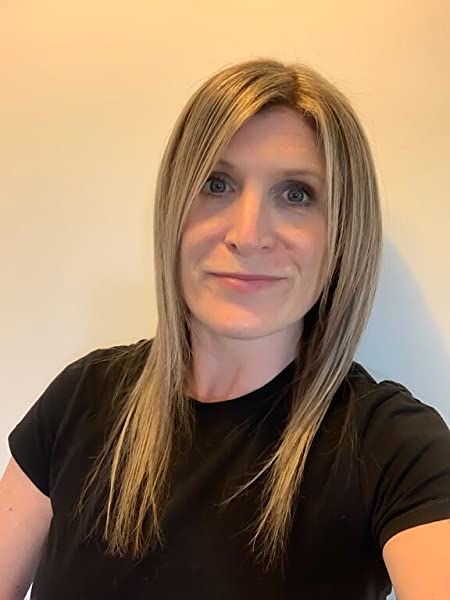
About Jennifer Jenkins

Jennifer Jenkins lives in a village just outside of Rugby, Warwickshire, with her husband David (illustrator of the book’s cover), her two sons &and her dog. Jennifer loves all things literary (including writing her own poetry), in particular historical fiction and Shakespeare, and supports local schools with Religious Education & spiritual development.

Jennifer’s first novel, Three, is the tale of three brave women who lived through the plague visitation of the village of Eyam in Derbyshire in 1665-1666. Jennifer originally taught the Eyam plague to her class of seven year olds, sparking an interest in the Derbyshire village that has led to her first novel.

You can find out more by visiting Jennifer’s website, or following her on Facebook, Twitter @jenkins_writer and Instagram.

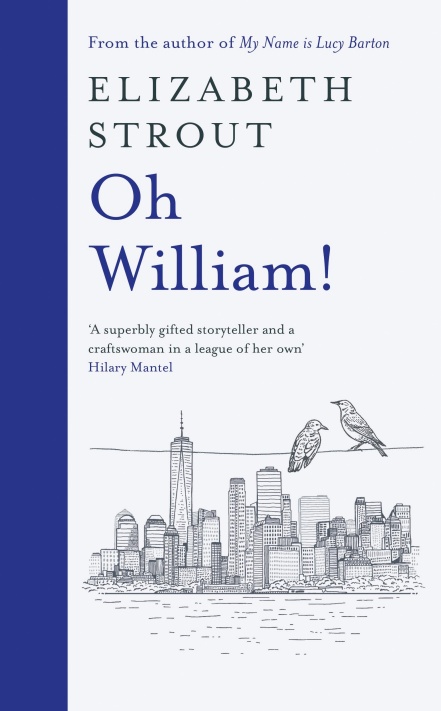
Oh William! by Elizabeth Strout

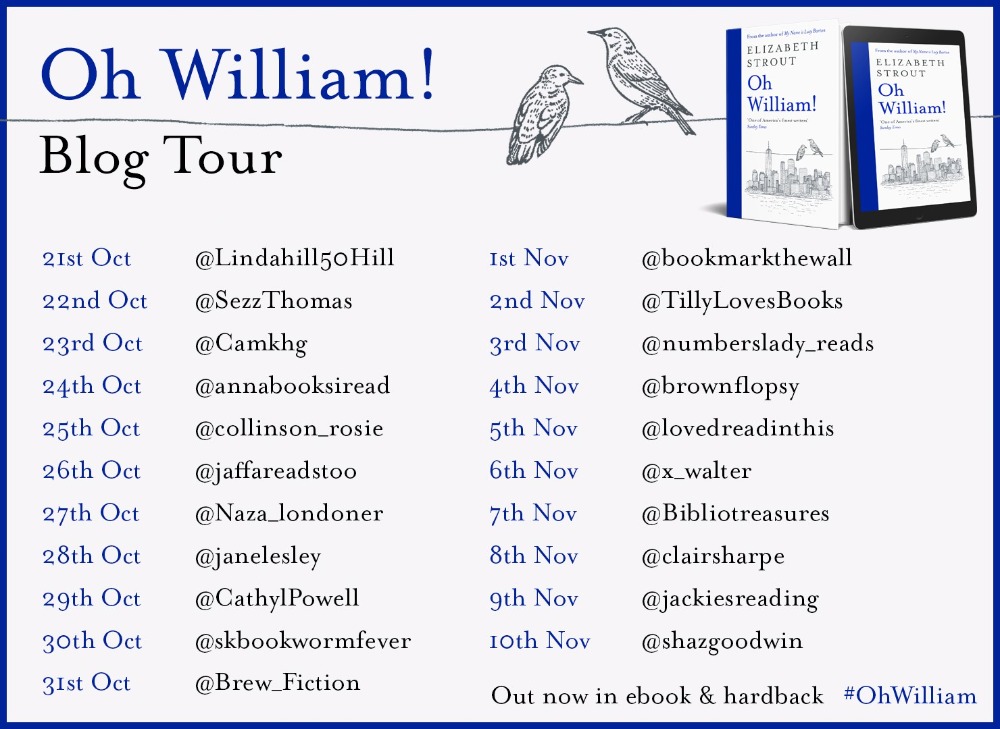
With Olive Kitteridge and Olive, Again STILL waiting for me on my TBR I was determined to read Elizabeth Strout this year and so when Georgia Taylor at Penguin asked me to participate in the blog tour for Elizabeth Strout’s latest book Oh William! I jumped at the chance and am thrilled to start off the tour by sharing my review today.

Oh William! is published by Penguin Viking and is available for purchase through the links here.

Oh William!

Lucy Barton is a successful writer living in New York, navigating the second half of her life as a recent widow and parent to two adult daughters. A surprise encounter leads her to reconnect with William, her first husband – and longtime, on-again-off-again friend and confidante. Recalling their college years, the birth of their daughters, the painful dissolution of their marriage, and the lives they built with other people, Strout weaves a portrait, stunning in its subtlety, of a tender, complex, decades-long partnership.

Oh William! captures the joy and sorrow of watching children grow up and start families of their own; of discovering family secrets, late in life, that alter everything we think we know about those closest to us; and the way people live and love, against all odds. At the heart of this story is the unforgettable, indomitable voice of Lucy Barton, who once again offers a profound, lasting reflection on the mystery of existence. ‘This is the way of life,’ Lucy says. ‘The many things we do not know until it is too late.’

My Review of Oh William!

Lucy is writing about her ex-husband William.

Oh William! is utterly glorious and I loved every moment spent reading it. I’d had high expectations of Elizabeth Strout’s writing, but I had no idea her sparse, glowing prose would be so imbued with feeling and emotion. Elizabeth Strout conveys meaning so beautifully, just as much through what isn’t said as by what is, so that Lucy’s voice rings so clear and true. Lucy’s narrative style, her exclamations and her broken sentences sound so natural that they make everything she tells the reader about William completely understandable and relatable.

There isn’t a conventional plot in Oh William!, but rather a conversational narrative that is part character presentation, part memoir and part romance in its component parts that all somehow add up to a reading experience far outweighing the actual content so that this book is fantastic.

William is so clearly drawn that I felt I knew him as if he’d been part of my life. He’s flawed, selfish, generous and frequently frustrating. However, whilst this is ostensibly a narrative about William, in reality it is Lucy the reader comes to know so well. Through her asides, her glimpses into the past, her meetings with other characters and her ongoing relationship with William we are presented with a complex woman whom it is impossible not to admire and care about. Even the most minor character has resonance and importance in the text  and is vivid and engaging, even when they are not especially likable or admirable.

Having said Elizabeth Strout makes her reader understand the characters in Oh William! so thoroughly, the real joy in reading the book is the underpinning universality of their lives. This makes reading Oh William! an almost cathartic experience. Through Lucy’s descriptions of William, Catherine et al we come to know ourselves just that little bit better, whilst simultaneously realising we can never really have that understanding of ourselves entirely completely, nor can we thoroughly know other people. Even with Lucy, we are never fully told the aspects of her early life alluded to in the story, for example, so that the mystery of life at the heart of this book still retains some of that very mystery.

Because Elizabeth Strout writes with such skill, it’s quite hard to review Oh William! I found it mesmerising, captivating and completely immersive. I know this is going to sound weird, but I enjoyed reading it so much it was almost painful – physical. I thought Oh William! was wonderful and cannot recommend it highly enough.

About Elizabeth Strout

Elizabeth Strout is the Pulitzer prize-winning author of Olive Kitteridge, as well as The Burgess Boys, a New York Times bestseller, Abide With Me and Amy and Isabelle, which won the Los Angeles Times Art Seidenbaum Award for First Fiction and the Chicago Tribune Heartland Prize. She has also been a finalist for the PEN/Faulkner Award and the Orange Prize. She lives in New York City and Portland, Maine.

You can find out more by following Elizabeth Strout on Twitter @LizStrout and visiting her website. There is also a Facebook page.

There’s more with these other bloggers too:

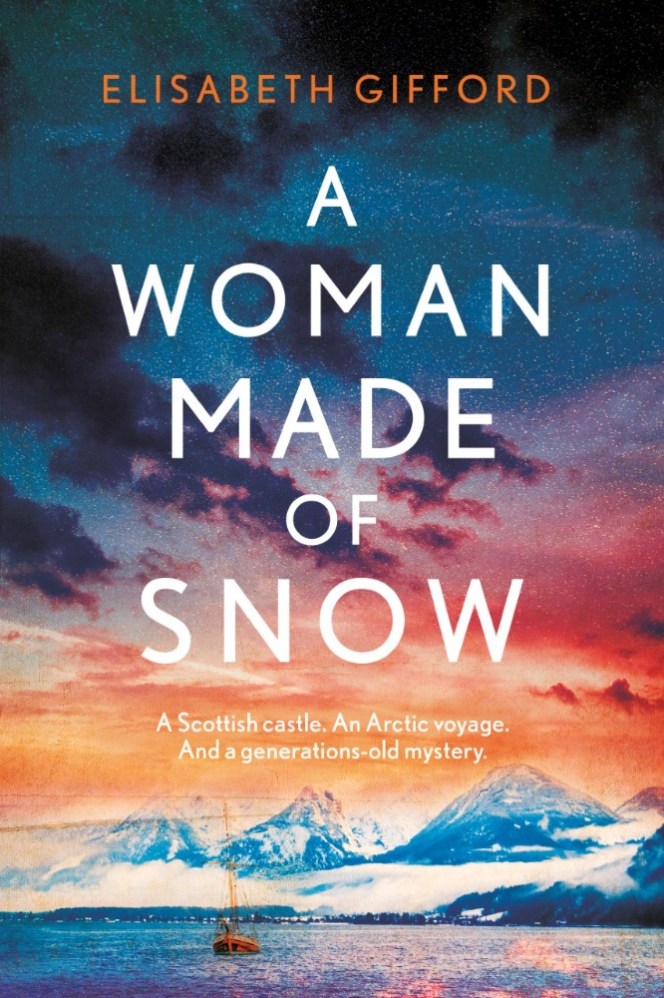
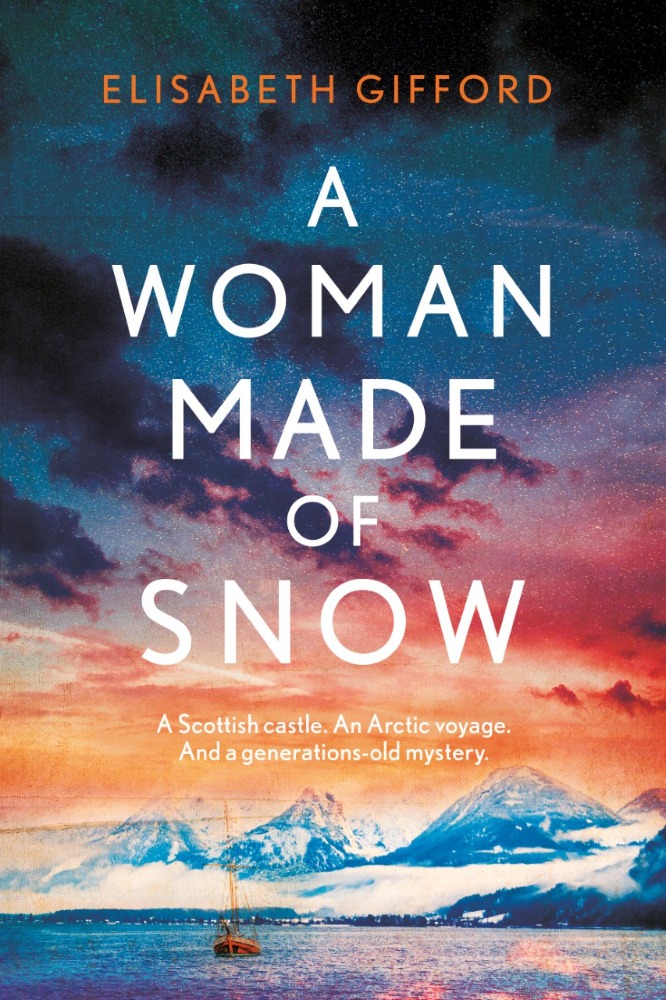
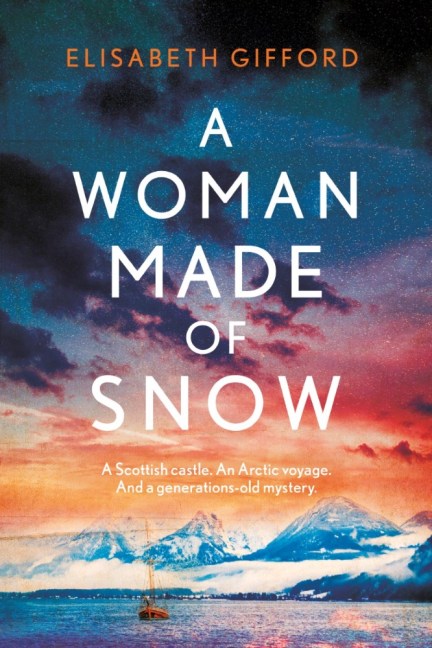
A Woman Made of Snow by Elisabeth Gifford

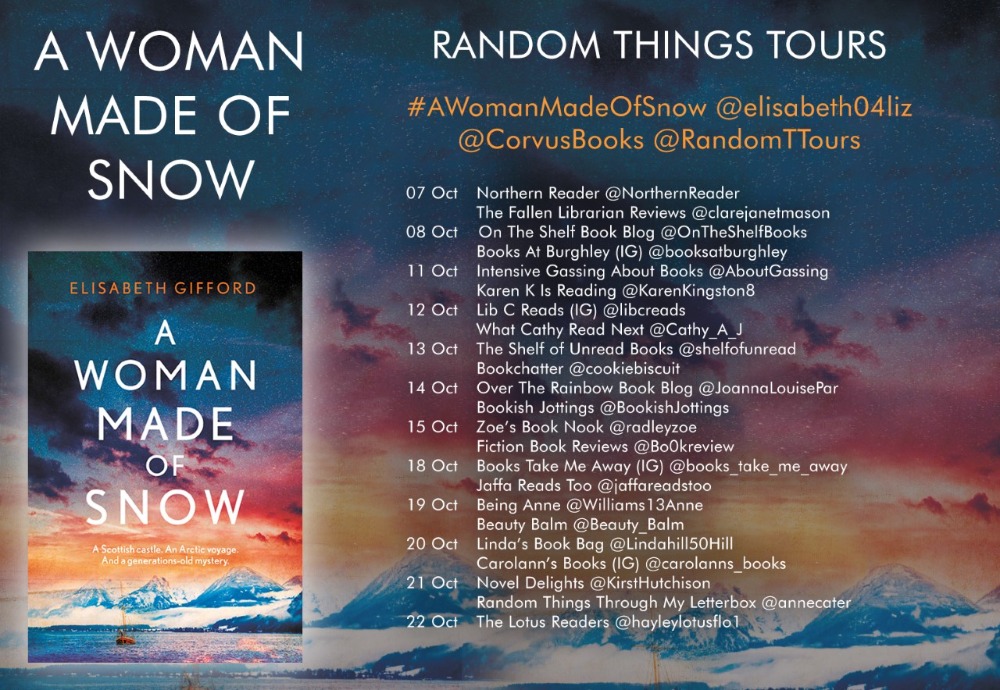
My thanks to Anne Cater at Random Things Tours for inviting me to participate in this blog tour for Elisabeth Gifford’s A Woman Made of Snow and to Corvus books for sending me a copy of A Woman Made of Snow in return for an honest review.

In 2020 Elisabeth Gifford’s The Lost Lights of St Kilda was one of my books of the year and you can read my review of that book here. Previously it was a privilege to host guest piece from Elisabeth about the Harris setting for her book Secrets of the Sea House, alongside my review here and I have a review of the stunning The Good Doctor of Warsaw here.

A Woman Made of Snow was published by Corvus on 7th October 2021 and is available for purchase through the links here.

A Woman Made of Snow

A gorgeous, haunting, and captivating novel of a century-long family mystery in the wilds of Scotland, and one woman’s hunt for the truth.

Scotland, 1949: Caroline Gillan and her new husband Alasdair have moved back to Kelly Castle, his dilapidated family estate in the middle of nowhere. Stuck caring for their tiny baby, and trying to find her way with an opinionated mother-in-law, Caroline feels adrift, alone and unwelcome.

But when she is tasked with sorting out the family archives, Caroline discovers a century-old mystery that sparks her back to life. There is one Gillan bride who is completely unknown – no photos exist, no records have been kept – the only thing that is certain is that she had a legitimate child. Alasdair’s grandmother.

As Caroline uncovers a strange story that stretches as far as the Arctic circle, her desire to find the truth turns obsessive. And when a body is found in the grounds of the castle, her hunt becomes more than just a case of curiosity. What happened all those years ago? Who was the bride? And who is the body…?

My Review of A Woman Made of Snow

Caro’s married life is not quite what she anticipated.

It’s impossible to convey just how exquisite a writer Elisabeth Gifford is. From the very first line of A Woman Made of Snow to the final full stop, the beauty of the writing is almost luminous so that I loved this book. I can’t decide if I feel sorry for readers who’ve yet to discover Elisabeth Gifford’s writing because they are missing literary fiction of the highest quality, or jealous of them because they have such a wonderful treat in store.

Settings and descriptions are completely transporting in A Woman Made of Snow. Elisabeth Gifford writes with a painterly, almost photographic, quality that is just wonderful. I was completely entranced by her descriptions because they have the power to move the reader emotionally at the same time as providing a glorious sense of place. The landscape of ice is especially evocative and takes the reader on the same journey as Oliver as clearly as if they were by his side.

The plot is captivating. Weaving history, societal attitudes, mystery and relationships into a dual timeline that mesmerises the reader Elisabeth Gifford entertains completely so that I felt the emotions of Oliver, Charlotte, Caroline and Yarut as intensely as if they were my own. In fact, I felt a whole range of emotions reading A Woman Made of Snow from deep rage towards Sylvia through admiration for Charlotte to joy in other aspects that I can’t mention for fear of spoiling the read for others.  I thought the manner with which the strands of the story became linked together was exceptional. A Woman Made of Snow is an absolute masterclass in entrancing writing.

I found all the characters real and vivid because alongside the drama, the more prosaic aspects of their lives add veracity to who they are, making them feel authentic. I loved watching the dynamics of the relationship between Martha and Caro unfold and found the feminist strand of the narrative developed through Charlotte hugely appealing. However, what touched me more than I anticipated, was the respect that Elisabeth Gifford gave to more minor characters like Mary and to the Inuit people so marginalised by the whaling fleets. This had the effect of making A Woman Made of Snow even more arresting and affecting, especially when underpinned by the meticulous research that has obviously gone into the story for the historical aspects.

Alongside the feminism and mystery in A Woman Made of Snow, other themes provide a rich texture that combine into a read that is of the highest quality. Attitudes to race, identity, social status, travel and exploration, the environment, the arts, family relationships, marriage and parenthood are just some of the aspects that pulsate through the narrative. A Woman Made of Snow might be a gloriously entertaining story, but it’s also a thought provoking and contemplative one too.

Evocative, entertaining and emotional, A Woman Made of Snow is a gorgeous book and I adored it.

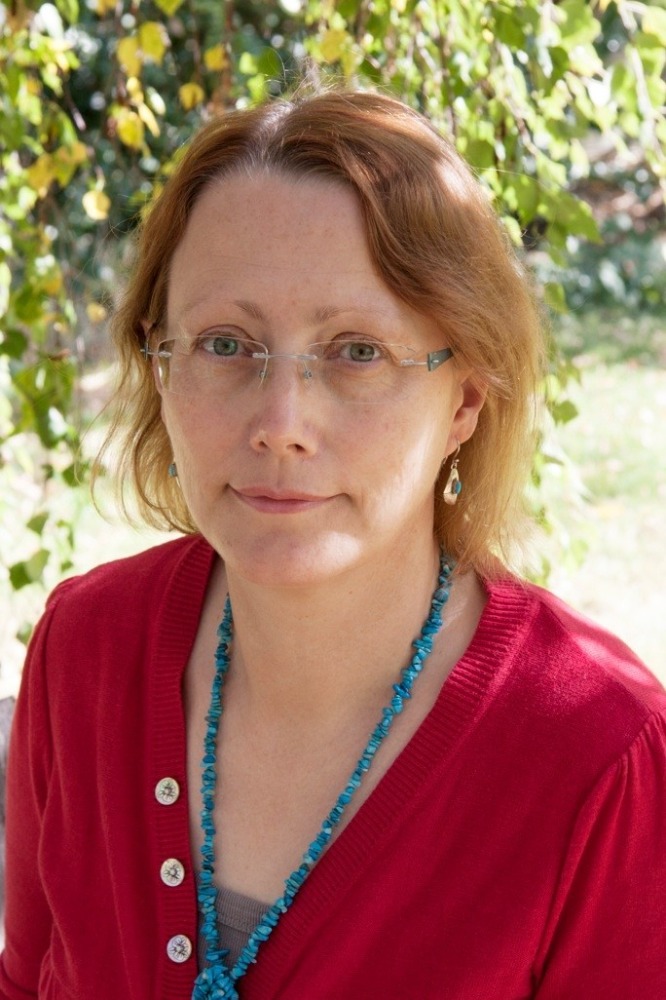
About Elisabeth Gifford

Elisabeth Gifford grew up in a vicarage in the industrial Midlands. She studied French literature and world religions at Leeds University. She has a Diploma in Creative Writing from Oxford OUDCE and an MA in Creative Writing from Royal Holloway. She is married with three children, and lives in Kingston upon Thames. A Woman Made of Snow is her fifth novel.

For further information, you can find Elisabeth on Facebook, visit her website and follow her on Instagram and Twitter @elisabeth04Liz.

There’s more with these other bloggers too: