Staying in with Jacob Keiter

I’ve stayed in with all kinds of authors here on Linda’s Book Bag, but today’s guest, Jacob A. Keiter is one of the most unusual. Find out why:

Staying in with Jacob A. Keiter

Welcome to Linda’s Book Bag Jacob and thank you for agreeing to stay in with me. Tell me, which of your books have you brought along to share this evening and why have you chosen it?

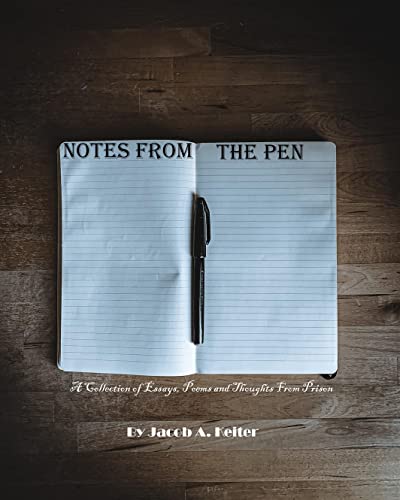
Hello, today I have brought along my first self-published book, Notes From The Pen: A Collection of Essays, Poems, and Thoughts From Prison.  

I’ve not featured many ex-prisoner authors Jacob, but there have been a few. I like the word play on pen! How did you end up in prison?

For the last five years I spent my time inside a Federal Correctional Institution.  For the majority of my life I have suffered with addiction, as well as a strong desire to fulfil a criminal lifestyle.  I know it sounds silly and obscure, but I honestly thought it was what I wanted.  Until I heard that gavel slam down and I  lost my home, family, and freedom.  That’s whenever I realized I finally hit rock bottom, and in reality this is not the life for me.  It’s funny what rock bottom can do to you, you’re given two choices in that moment; stay where you are, or strive for the best you can make out of a situation.  In short, I chose the latter.

Good for you. So how does Notes From The Pen: A Collection of Essays, Poems, and Thoughts From Prison fit in?

Notes From The Pen: A Collection of Essays, Poems, and Thoughts From Prison, is just that; a collection of my time and experience within the federal criminal justice system.  My story has been shared through other publications, and I felt it necessary to expand to a wider audience to help others understand the reality of my situation and others in a similar position.

I think reading about other people’s experiences can be incredibly helpful Jacob.

Notes From The Pen: A Collection of Essays, Poems, and Thoughts From Prison in layman’s terms, are my raw thoughts about prison.  Surprisingly some will find when reading my story, that even as an inmate I don’t completely bash the prison system.  Rather than an inmate complaining and whining about the entire situation, I give credit where it’s due.  The book isn’t necessarily a tell-all account of the prison system but rather just my personal experience and what I felt necessary to share with the general public.

Notes From The Pen started as a column for a local newspaper where I shared accounts on a weekly basis, and has been well received by my local community.  One of my major fears of being released was the possible judgement from others and not being accepted back into society.  Due to my honesty and my platform I think I made a positive impact on my community as a whole.  I have been welcomed home by strangers and loved one with open arms and presented with opportunities I honestly didn’t expect to come my way.

That’s just wonderful to hear. I expect they realised that your addiction was at the root cause of your behaviour.

What else have you brought along and why have you brought it?

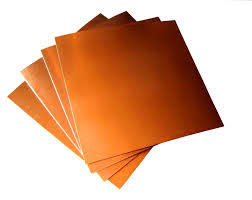
In addition to writing I also do creative art.  At the moment I am pursuing copper moulding and making plaques.  This is mostly a hobby and a way to express my artistic side in another fashion.  I mostly use this as a way to personalize gifts for my loved ones, but one day I would like to pursue further projects.

It sounds to me as if you’re a highly creative and positive individual Jacob. Thanks so much for staying in with me to chat about Notes From The Pen: A Collection of Essays, Poems, and Thoughts From Prison.

Stay tuned for additional work as I have several novels written while I was in prison just yet to convert digitally!

We will. In the meantime I’ll give readers a few more details about Notes From the Pen:

Notes From The Pen: A Collection of Essays, Poems, and Thoughts From Prison

Jacob Keiter entered federal prison on January 18th, 2018. At first glance he thought his life was over, little did he know his life was finally beginning. Throughout his incarceration he had one goal in mind, to grow into a better person than he ever thought he could be. In “Note From The Pen” Jacob explores a variety of topics throughout his incarceration, that allowed him to become the person he is today. Articles include previously published material, as well as brand new exclusive material!

Notes From The Pen: A Collection of Essays, Poems, and Thoughts From Prison is available for purchase through your local Amazon site.

About Jacob Keiter

Jacob Keiter is an author, husband, and dreamer.  Throughout his life he has fallen victim to addiction, criminal lifestyle, and incarceration.  Rather than continuing to play the victim card he made the conscious decision to rise up and grow from his experience.  Today he continues to write about his experiences, construct elaborate stories, and display his artistic side in other fashions.  He doesn’t allow his past to define him, but rather embraces it and chooses to strive towards a brighter future.  He lives in Pennsylvania with his wife, and a home full of bunnies and cats.  He enjoys eating pizza and playing Pokemon in his free time!
For further information, find Jacob on Facebook, Tiktok, Twitch and Instagram or follow him on Twitter @JacobAKeiter.

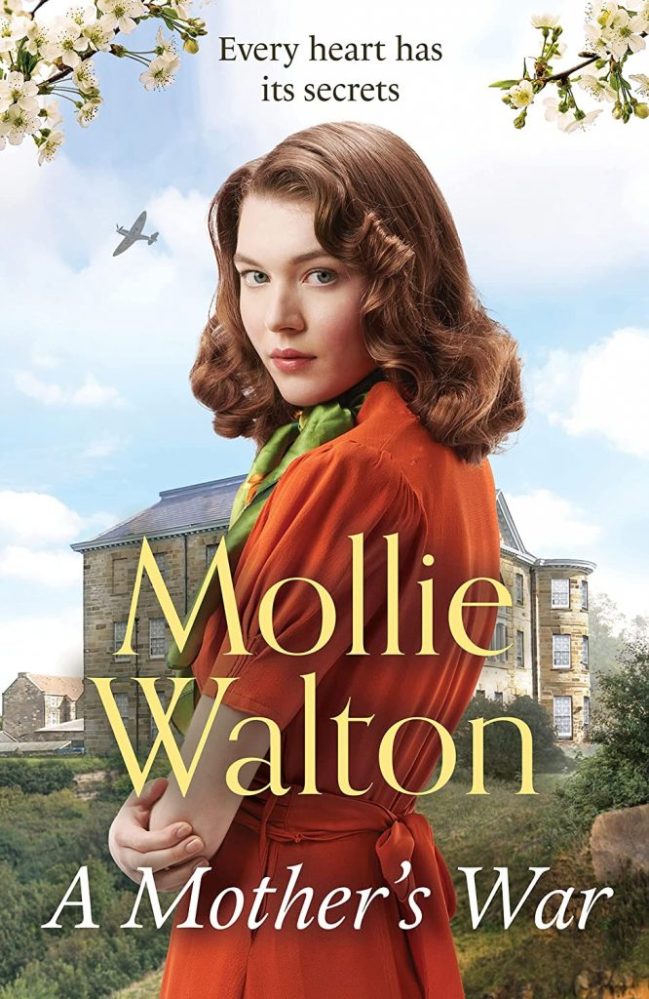
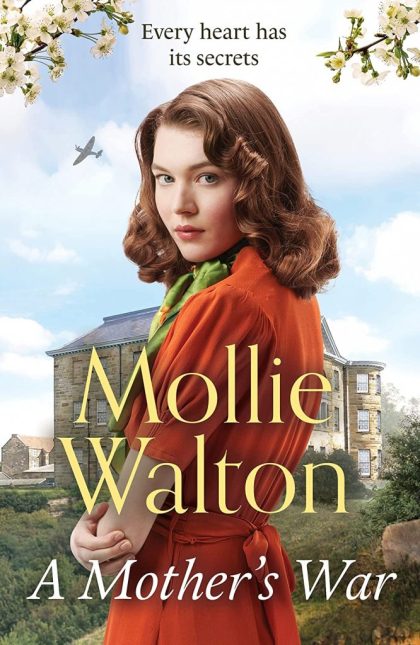
An Extract from A Mother’s War by Mollie Walton

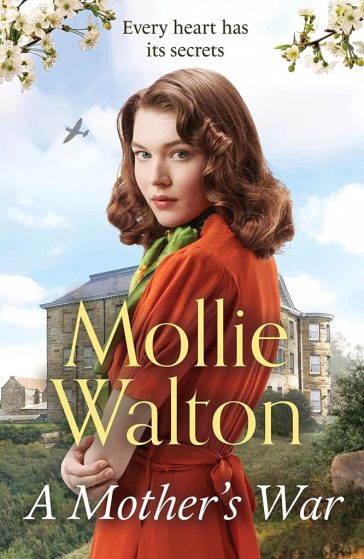
You know, blogging is a very strange occupation. There are favourite authors who simply don’t appear often enough on the blog, even though I know their writing is just wonderful. Such is the case with Mollie Walton. I’m delighted to remedy that today by sharing an extract from Mollie’s brand new Ravenhall Saga series, A Mother’s War. as part of the blog tour. My enormous thanks to Maddie at Welbeck for inviting me to participate and for sending me a copy of A Mother’s War which I’m very much looking forward to reading.

A Mother’s War is published by Welbeck on 3rd March 2022 and is available online and in all good bookshops including here.

The last time I featured Mollie was here when I was reviewing her book The Daughters of Ironbridge. I’ve also interviewed Mollie writing as Rebecca Mascull here and reviewed her outstanding The Song of the Sea Maid here, which was also one of my books of the year in 2015. Rebecca Mascull also completed Miss Marley, begun by her much missed friend Vanessa Lafaye and which I reviewed here.

A Mother’s War
North Yorkshire, September 1939.

Rosina Calvert-Lazenby, the only surviving member of her family and widowed by forty-four, has lived at Raven Hall all her life. With war approaching, Rosina must be strong for her daughters, five confident young women who are thick as thieves.

When the RAF come to stay at Raven Hall, Rosina finds herself intrigued by their charismatic, albeit young, officer. But is there time for love with the war looming and her eldest daughter leaving home?

Grace Calvert-Lazenby, twenty-one years old and newly graduated from Oxford, is determined to live a fuller life. Leaving behind her mother and sisters at home, she joins the Women’s Royal Naval Service.

Trading the safety and familiarity of Raven Hall for exhausting drills, difficult training and conflicting acts of secrecy will not be easy. But Grace knows that everyone has a part to play in the war and she is ready for a brave new adventure.

With so much on the line, Rosina and Grace must learn how to push themselves and have the courage to lead those around them into the unknown . . .

This heartwarming, dramatic World War II saga is perfect for fans of Vicki Beeby, Kate Thompson and Rosie Clarke.

An Extract from A Mother’s War

Prologue September 1939

The house stood at the edge of nowhere. It was perched on the cliff above the endless sea, surrounded by grounds peppered with hiding places. When the fog rolled in, it became a seat in the kingdom of the clouds. When the sun was out, it was a throne to the best view in the world: the sweep of the bay, bordered by cultivated fields and wild moorland tumbling steeply down to the beaches. Beyond it stood Robin Hood’s Bay; from here one could spy just a hint of its intricate network of alleys and lanes crowded with fisherman’s cottages. To the north lay Whitby, to the south, Scarborough. And here, above the village of Ravenscar, the gulls chattered and swooped beyond the walls of the grounds of Raven Hall, mocking the generations that had made their home there, hemmed in by walls, feeling safe against encroaching nature: the bracken and nettles bristling against the stone, the sea below crashing against the rocks ceaselessly, the salty wind assaulting the planted trees by the border walls causing them to bend over like women picking strawberries, the lowering sky frowning down upon the house and its ordered grounds. The battlements that were built upon the walls acted as though the house imagined itself a fortress against nature, but everywhere nature encroached, the rock walls mottled with lichen and creeping ivy. The gardens of Raven Hall were tamed and orderly: box hedges, fuchsias and roses. Domesticated, yet surrounded by wildness, the sound of the constant, distant roar of the sea below a reminder of the abandon beyond these safe walls. The undercliff below the house was replete with thick foliage, sweeping down to the rocks below. The lush plants looked soft, as if they’d cushion a fall, but of course the ravine was steep, jagged and deadly.

Rosina stood on the path, inhaling the sharp smoke of her cigarette, gazing out towards the bay, watching the tiny waves break harmlessly on the shingle below. The sea fret was patchy that day, rolling in like playful clouds, revealing a perfect patch of blue sky or a swathe of many-hued green fields, replaced by white fog in an instant. She could hear the sheep bleating in the fields that surrounded her home, the gulls calling and the little brown birds twittering in the trees and she watched the swifts dip down for insects on the wing. The sky was vast, the sea looked endless, a glimpse of the horizon revealing it misty and mysterious. The fog rolled in, silent and stealthy. Rosina shuddered, slightly from the chill held in the mist, yet partly too from the feeling that unseen forces were moving over the sea towards her home, just as the fret trespassed on her land beyond her control. She glanced back at the house and exhaled a puff of smoke that obscured the view as one of her daughters appeared at a window then disappeared again. All five of them were home for the announcement. All of the servants were assembling in the servants’ hall too. Rosina needed to get back inside soon. But she wanted these last few moments of peace to herself. Peace from the busy household and all its demands, but peace too from the historic moment that was about to be played out on the wireless. For the family and servants were all gathered for one reason only: to hear the Prime Minister announce what they had all feared for months.

Rosina finished her cigarette and stubbed it out on the stone wall. She didn’t wish to litter the rose bed so took it in with her and dropped it in the ashtray on the hall table that was emptied periodically. She could hear the girls inhabit the house. They weren’t making much noise yet their presence was as obvious as sound to their mother. For mothers are always on duty when their children are around, even if they’re not doing much, even if they’re asleep, even if they’re grown up. Rosina was happy to have her brood all back under one roof. It didn’t happen much these days, what with Grace down at Oxford and Evelyn over in France until recently, whilst Constance and the twins Daisy and Dora were mostly away at school. She’d need to walk the house over to summon all five of them, or send one or two to find the others. She found Grace at the writing desk in the window of the study. A quick look over her shoulder confirmed that her eldest daughter was working on her modern rewrite of the Greek myths. She’d just finished her degree in Classics and her head was still buried in that ancient world.

‘It’s nearly time, darling,’ Rosina said.

Grace looked up, her grey-blue eyes concerned, her long, straight russet-brown hair draped in a curtain across her back. ‘All right, Mummy,’ she said and nodded, placing the lid carefully on her ink pen. She looked younger than her twenty-one years and seemed younger too, Rosina thought. Three years at Oxford had seemed to have had little impact on her experience of life. She was still the reserved, modest girl she’d been when she’d left school.

Rosina walked back out into the hallway and along the corridor to the stairs, past the lounge through whose windows the sun now streamed in defiance of the sea fret. She took the steps up to the small landing, standing beneath the stained-glass window there, the coat of arms of her family name Lazenby emblazoned in rich coloured panes.

‘Evvy?’ she called

‘All right, Mummy,’ came her second daughter’s strident voice from the room on the first floor that had once been the playroom and had now become the art studio when Evelyn was at home.

‘Is Connie with you?’ Rosina called.

‘Yes, driving me mad with her incessant ball throwing against this wall.’

‘I am not driving you mad!’ Rosina heard Constance’s throaty voice exclaim. ‘You said the rhythm helps you concentrate, you big, fat liar!’

‘Oh, do shut up, Connie!’ snapped Evelyn.

Always at each other’s throats, those two, yet when it came to boys, they were thick as thieves and knew all of each other’s secrets. Rosina walked upstairs and stood in the doorway, noting the floor strewn with paint tubes, brushes, canvas and paper.

Evelyn looked up at her mother and said, ‘We’re coming! Don’t fuss!’

She was a messy genius, that one. Nineteen going on twenty-nine, with strawberry-blonde hair and a freckled, peachy complexion, a lipstick-wearing, cigarette-smoking, adventure-seeking beauty. Rosina smiled and shook her head, glad in a way that Evelyn had been in France for a year, beyond her mother’s reach, where she had little knowledge of what scrapes her daughter had got herself into and thus could only worry vaguely from a distance. Constance started up her ball throwing again and the ball hit the wall hard, straight and true. The girl had an excellent aim. At sixteen, she was captain of the lacrosse and hockey teams, as well as a keen shot-putter. Stocky and strong, she had none of Grace’s tall gangly frame or Evelyn’s curves. Her straw-coloured hair in a perpetual bob since she was eight, she despised preening or make-up of any kind. Still striking in her way, her skin creamy- pale and freckled, she would be the perfect model for a government poster about rude health. Rosina chuckled at the thought.
‘Come on then, you two. And clear up that mess on the floor later, Evvy. The last thing we need is paint stains on the carpet.’

She went back down the stairs and turned right to walk along the passageway to the games room. There she found her twins, Daisy and Dora, identical in appearance with their mid-blue eyes and long, wavy fair hair, yet alike as two snowflakes in character: same design, different details. Now fifteen years old, they had come as a surprise so soon after Constance. This meant that the three of them grew up inseparable, especially Connie and Dora. Daisy was the odd one out of the whole family in some ways, more similar to her eldest sister Grace than anyone, both pianists, both a little awkward in company. Daisy was playing at the upright piano, a little piece by Bach that had her fingers in a twist. She kept on at the same phrase, over and over, forcing her muscle memory to learn it. Rosina smiled at how much better a pianist her daughter was than she herself. That should be the way of things, that your children outshine you, she thought. She glanced over at Dora, who was making notes on her latest natural experiment: this time, an ant farm in a glass case. Dora loved living, breathing things and studied them, sometimes killing them to study them further. A scientist’s cold eye had that one and an analytical brain, yet when it came to matters of the heart, she was as hopelessly romantic as Connie. How different all her girls were and yet how much they overlapped and echoed each other, as well as having aspects of herself and, of course, their father, dead three years now.

The thought of George Calvert made Rosina shudder. Though she missed virtually nothing about him, his death being a blessed release from an ill-conceived and poorly executed marriage, she realised that his absence now gave her a slight feeling of panic as she felt more alone than ever. Usually, this sustained her because she valued her independence above everything, but now that history was moving its shadowy purpose towards her own door, as it was to every house in Britain that morning, she suddenly felt wholly alone – the matriarch, in charge of these five girls, this vast house and grounds and all the servants and farmers and tenants who made it work. After three years of widowhood and years before that of orphanhood, Rosina thought she’d be used to this by now. And so she was, in peacetime. But change was coming and fear gripped her. She swallowed it down and tapped on the door to alert the twins.

‘It’s time, girls,’ she said, and they stopped what they were doing and turned their heads in the same way, with the same slight tilt to the right.

Rosina turned and walked back along the passage towards the lounge. On the way, she heard footsteps behind her and turned to see a housemaid, head down, clutching a dustpan and brush. The girl stopped dead at her mistress’s notice and dropped her gaze to her feet.

‘Hardcastle, hurry back to the servants’ hall,’ said Rosina.

‘Yes, ma’am. Sorry, ma’am,’ said the maid, bobbing a curtsey, eyes still down, too shy to look at her mistress.

‘It’s only that you’ll miss the Prime Minister’s broadcast if you’re not careful. And it’s important that you hear this. Everyone should hear this.’

‘Yes ma’am. Sorry, ma’am,’ the girl said again. Only fifteen years old, Rosina recalled, younger than Constance. Rosina reached the lounge and found Grace about to switch on the wireless. Evelyn and Constance came in, still bickering, the twins arriving quietly behind. They were all gathered together and found seats around the fireplace to sit on and wait. Rosina hoped that at the other side of the house, the housekeeper and butler had managed to gather all the servants together around the kitchen wireless, as families all over the country must be doing at that very moment. A nation acting as one – how rare that was. How admirable. And how terrifying.

The Home Service announced its star speaker, the Prime Minister. The girls’ slight restlessness was stilled and every head in the room was bowed slightly, eyes intent, ears pricked. They’ll remember this moment for the rest of their lives, thought Rosina.

‘I am speaking to you from the Cabinet Room at 10, Downing Street. This morning the British Ambassador in Berlin handed the German Government a final note stating that unless we heard from them by eleven o’clock that they were prepared at once to withdraw their troops from Poland a state of war would exist between us. I have to tell you now that no such undertaking has been received, and that consequently this country is at war with Germany.’

There it was. They all knew it was coming but it was truly shocking to hear it spoken aloud by Chamberlain himself.

‘Oh, good lord,’ muttered Grace and Evelyn hissed, ‘Ssh!’, as Chamberlain went on about assurances and settlements and Hitler and the Poles and France, about God and the Empire, about evil and force and injustice.

‘And against them I am certain that the right will prevail,’ he said and then there was a pause. He had come to the end of his speech. They listened to the announcer say important details would follow, then they heard the bells ring out of the wireless, tinny and eerie in the lounge. There followed a list of directions for the foreseeable future, about places of entertainment being closed until further notice and that people should not crowd together for any reason. It went on about air-raid warnings and how they would sound; about shelters and what people should do in a gas attack; sirens, rattles and handbells would be used. Schools would be closed for a week but thereafter open again. Many children would be evacuated. Everyone must carry gas masks. There were other things they could have listened to after this, but Rosina stepped over and turned off the wireless to silence it. She did not wish to hear any more at the moment. The fact of war was enough, that morning. Glancing outside at the gardens she saw how the sun was now completely free to shine down on their house, all morning mists having dissolved away into the warmth of a balmy September late morning. It seemed to mock the sombre mood of the room, of the country, of Europe and beyond.

‘What does it all mean, Mummy?’ asked Dora, always questioning, always wanting to know more.

‘It means the end of every bloody thing,’ said Evelyn in a grump. Selfish as ever, she thought only of her art studies in France coming to an end.
‘Evvy, language,’ chided her mother, though gently. ‘Oh, who cares about words now!’ cried Evvy, dramatic as ever.
‘Come on, girls,’ said Grace, sitting upright and forcing a smile. ‘Now is not the time for strife, but for togetherness. Mummy needs us to help her. And so does our country.’

‘Thank you, Grace,’ said Rosina, at which Evelyn huffed and folded her arms. Rosina went to Evelyn and gave her long, red-blonde hair a single, affectionate stroke, which soothed her a little. ‘Grace is right, girls. Now is the time to think not of ourselves, but of others. Of what we can do to help, to support, to provide and to manage without. It won’t be easy. Remember that I have lived through a war before and never thought to see it again in my lifetime.’ She shuddered inwardly at the thought of it, the horror of the Great War burned into the memory of her late teens and early twenties. Her mother had died the year before the war started and Rosina could chart the downward spiral of her life, and indeed the world’s it seemed, from that moment. ‘But here it is. And here we are. And we must make the best of it.’

‘Will we have to fight?’ asked Daisy, her face unreadable. Rosina couldn’t tell if she liked the idea or not.

‘I’ll fight ’em!’ cried Constance.

‘I was going to say that!’ added Dora.

‘Nobody will be doing any fighting,’ said Rosina. ‘Now—’ But she was talked over by another daughter.

‘I’ll be off to London,’ said Evvy. ‘They’ll need artists there, I’m sure of it. To design posters telling us all to do our duty.’

‘I’m not sure that London—’ Rosina began and was interrupted again.

‘I’ll join the Air Force then,’ announced Constance, ‘and fly planes and gun down Germans floating on parachutes into the sea and a watery grave.’

‘Don’t be a dunce,’ scoffed Evvy. ‘You’re far too young.’

‘Am not!’ cried Constance, her cheeks colouring, eyes blazing.

Rosina noticed that Grace had been sitting quietly and staring at the fireplace, pensive.

‘Are you all right, darling?’ Rosina asked her eldest daughter. ‘I know it’s a lot to take in.’

Grace turned round and surprised her mother by giving her a bright smile. ‘Actually, Mummy, I’ve been thinking a lot about this over the past few months, since we knew that war was inevitable. And I’ve come to a decision: I want to join the Wrens.’

‘Really?’ said Rosina, quite shocked. ‘I’m not sure the Navy would be right for you.’

Evvy added, ‘It’s rough and ready in the Navy, Gracie. Sure you’re up to it?’

This is what Rosina feared too. Grace was so … unworldly. Evelyn often said the thing that Rosina herself was thinking, but didn’t have the nerve or did have the tact to keep it quiet.

‘I’m not sure I’ll ever be up to it,’ said Grace thoughtfully. ‘But I’d like to do my duty. And duty is never easy. It’s not meant to be easy, I think. They say the Wren uniform will be the nicest, with a smashing hat! But seriously, I feel it’s about time I saw a bit of the real world, don’t you, Mummy? And when I was a girl, living on the edge of a cliff, I always loved the idea of running away to sea.’

‘Ooh, can I come?’ piped up Constance.

‘Oh, Connie, do put a sock in it,’ said Evvy, with a toss of her hair.

‘Will school be closed forever?’ added Daisy, hopefully. Her twin adored school but Daisy had never found boarding school easy. All those people in close quarters . . . She was the kind of person who found small talk horrifying and sharing her space utterly draining.

‘No, dear,’ said Rosina. ‘Only for a week or so while they sort all the evacuees. But your school is deep in the countryside and will be safe, so you will go back there. Life must go on, you know, the things that matter must prevail. Grace and Evelyn, we will discuss your plans later. Connie and twins, you will study at home this week. I’ll see to it you will have plenty to keep your mind occupied. Now, girls, I must go and see the staff for there will be things to discuss. I’ll see you all at luncheon in an hour and we’ll talk everything through then. Try not to fret too much; some things will change, but many will stay the same, school being one of them! Take comfort in that, my darlings.’

As Rosina left the room, she heard Constance tut and Daisy sigh, probably at the thought of school going on as normal. She knew she ought to stay with the girls and let them bombard her with their inevitable questions, but the truth was that she felt as clueless as them. She even wondered if Grace knew more about the state of affairs than she did. Rosina read The Times each day, but she did not pay such close attention to worldly matters as Grace did. Evelyn was worldly in a different way, had more knowledge of the streets than herself or her other daughters had. The others were young and foolish, except Daisy, who had a kind of otherworldly peace about her. She’d be stoic, Grace would be sensible and the other three would probably go wild, falling in love with soldiers and sailors and airmen.

Rosina sighed as she walked down the passageway that led towards the ballroom and, further on, to the servants’ hall, kitchen, scullery and outhouses. Again, she felt very alone walking down that long corridor that stretched the depth of the house, facing away from the sea beyond. She saw, through the ballroom’s glass-panelled doors, the trees of the driveway stretching away in parallel lines and thought of the horses she and the girls had ridden on, ambling down that driveway on to the moorland they would gallop across for fun. She’d probably have to sell some of the horses, if all the grooms were called up. She thought then of her two gleaming motor cars parked in the garage, of petrol and food, of how both would probably be in short supply. The land and the farmers surrounding her estate – how crucial they would be! How could she be crucial too? What could she do to help her nation?

As she approached the servants’ hall, Rosina could hear the hubbub of her staff discussing the news. She knew her entrance would hush them all and, for a moment, she had a strange desire to be one of them, amidst colleagues and friends, talking about their families, their futures, relying on each other for advice and hearsay. As she arrived at the door to the servants’ hall, in the moment before her appearance was noted, she saw a kitchen maid – Nancy, her name was, Nancy Bird – stand up from the table and announce something to the room.

‘I’ll be joining t’Wrens!’ she said and beamed a beautiful smile.

She was scolded by Cook, MrsBairstow, who told Nancy to think on, that she’d be beaten with a rolling pin before she left them all in the lurch like that. But as the servants near the door noticed Rosina’s presence and the customary hush fell, Rosina realised that while Nancy might be the first to announce her role in the new world of wartime, many other servants would also leave – the young first, of course, but if the war dragged on past Christmas, as the last war had, then perhaps this room bustling now with staff would dwindle and empty, leaving only the middle-aged to keep the big house and estate from grinding to a halt. That would be her task, to keep all this going, with little to no help. She’d have no time to be noble and aid the nation. She’d drown in the responsibility of Raven Hall and all its hungry needs. The thought both energised and exhausted her.

‘Now then, everyone,’ she said brightly and smiled. But nobody else was smiling, except the kitchen maid, who looked extremely pleased with herself. My Grace will join the Navy with Nancy Bird, thought Rosina and in this one bare fact, she saw how the world would be changed forever by this war, bringing some together, separating others. And she felt as if the room would tip, that she’d lose her footing and slide down into nothingness. But it didn’t and she didn’t. She heard herself talking to her staff calmly, reassuringly. Whatever changes came, she knew that through all the years of loneliness since she’d lost her beloved mother, she had built an iron spine for herself to see her through the hardest of times. War would be no exception. Whatever the world threw at Raven Hall, would dare to aim at Rosina Calvert-Lazenby, she would face it. And prevail.

****

And now, of course, I’m going to have to find out if indeed she does prevail!

About Mollie Walton
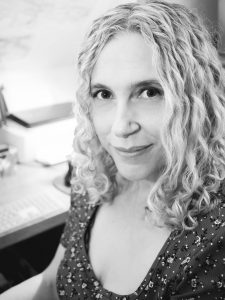
Mollie Walton is the saga pen-name for historical novelist Rebecca Mascull.

She has always been fascinated by history and on a trip to Shropshire, while gazing down from the iron bridge, found the inspiration for what became her debut saga trilogy titled The Ironbridge Saga, published by Bonnier Zaffre: The Daughters of Ironbridge, The Secrets of Ironbridge and The Orphan of Ironbridge.

Under the pen-name Rebecca Mascull, she is the author of four historical novels and co-author of a novella.

Her first novel The Visitors (2014) tells the story of Adeliza Golding, a deaf-blind child living on her father’s hop farm in Victorian Kent. Her second novel Song of the Sea Maid (2015) is set in the C18th and concerns an orphan girl who becomes a scientist and makes a remarkable discovery. Her third novel, The Wild Air (2017) is about a shy Edwardian girl who learns to fly and becomes a celebrated aviatrix but the shadow of war is looming. All are published by Hodder & Stoughton.

She has also completed the final chapters of her friend and fellow novelist Vanessa Lafaye’s final work, a novella called Miss Marley, a prequel to Dickens’s A Christmas Carol. This novella was published by HarperCollins.

Her latest book as Rebecca Mascull is a stand-alone historical novel set in London and Poland during WW2. The Seamstress of Warsaw was published by SpellBound Books in September 2021.

For further information, visit Molly’s website or find her on Facebook. For Rebecca Mascull, visit her website, find her on Facebook or follow her on Twitter @rebeccamascull and Instagram.

There’s more with these other bloggers too:

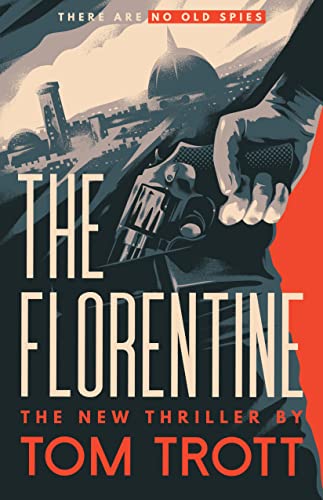
Staying in with Tom Trott

It gives me enormous pleasure to stay in with Tom Trott today to chat all about his brand new thriller that I think sounds brilliant. Let’s find out what Tom told me:

Staying in with Tom Trott

Welcome to Linda’s Book Bag Tom and thank you for agreeing to stay in with me.

It’s great to be here, staying in is definitely the new going out.

It certainly has been over the last couple of years hasn’t it? Tell me, which of your books have you brought along to share this evening and why have you chosen it?

I’ve brought along The Florentine, my latest thriller. I know we’re not supposed to have favourites, like children, but this is definitely my favourite out of the books I’ve written. I set out to write something that was a huge amount of fun, and that would leave readers with a smile on their face, so I hope we’ll have a good evening.

That sounds interesting. What can we expect from an evening in with The Florentine?

I’m a big lover of spy stories, and of classic movies and Agatha Christie, and I poured all that love into The Florentine, so although it’s a contemporary thriller and it partly deals with cyber security and digital espionage, I think you’ll get a warm, fuzzy glow from it because it plays with a lot of elements of those stories that we might remember from when we were young.

That sounds somewhat out of the ordinary. What made you write The Florentine that way?

I know that sounds strange for a thriller, but I think it’s important for us all to remember that thrillers don’t have to be depressing or gritty, they can be an adventure. And it might sound cold or unexciting, but I really wanted The Florentine to be easy to read. Some books are like trudging uphill, the view may be magnificent when you get to the top, but it’s hard work getting there. Other books are like skiing, you start the first page and you just keep going. That’s the feeling I wanted to achieve with The Florentine.

The Florentine sounds just my kind of read. I’m not a great fan of visceral violence in my crime fiction. I’d much rather be entertained by adventure!

What else have you brought along and why have you brought it?

Well, true to what I was just saying, I’ve brought a film and another book, but also something to drink.

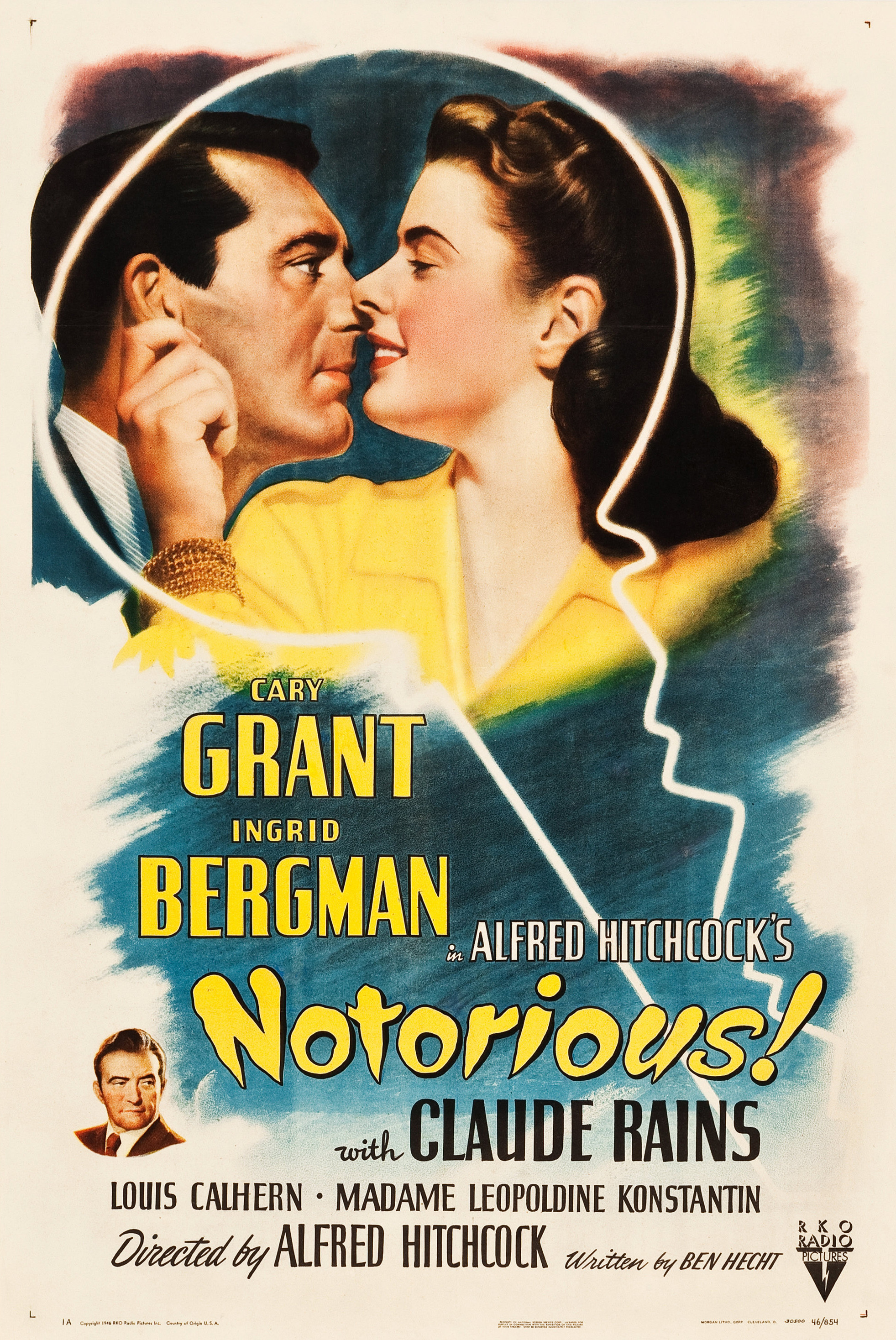
I’ve brought Notorious, the classic Hitchcock film, because it was a big inspiration on a particular section of The Florentine. Claude Rains was also the inspiration for one of the main villains, and who doesn’t love a bit of Cary Grant and Ingrid Bergman? There’s something so elegant and classy about espionage thrillers from that time. There was still something noble about the world of spying, and although The Florentine doesn’t present the intelligence world as glamourous, I tried to capture that feeling of excitement.

I’ve never seen it Tom so I’ll be interested to watch Notorious.

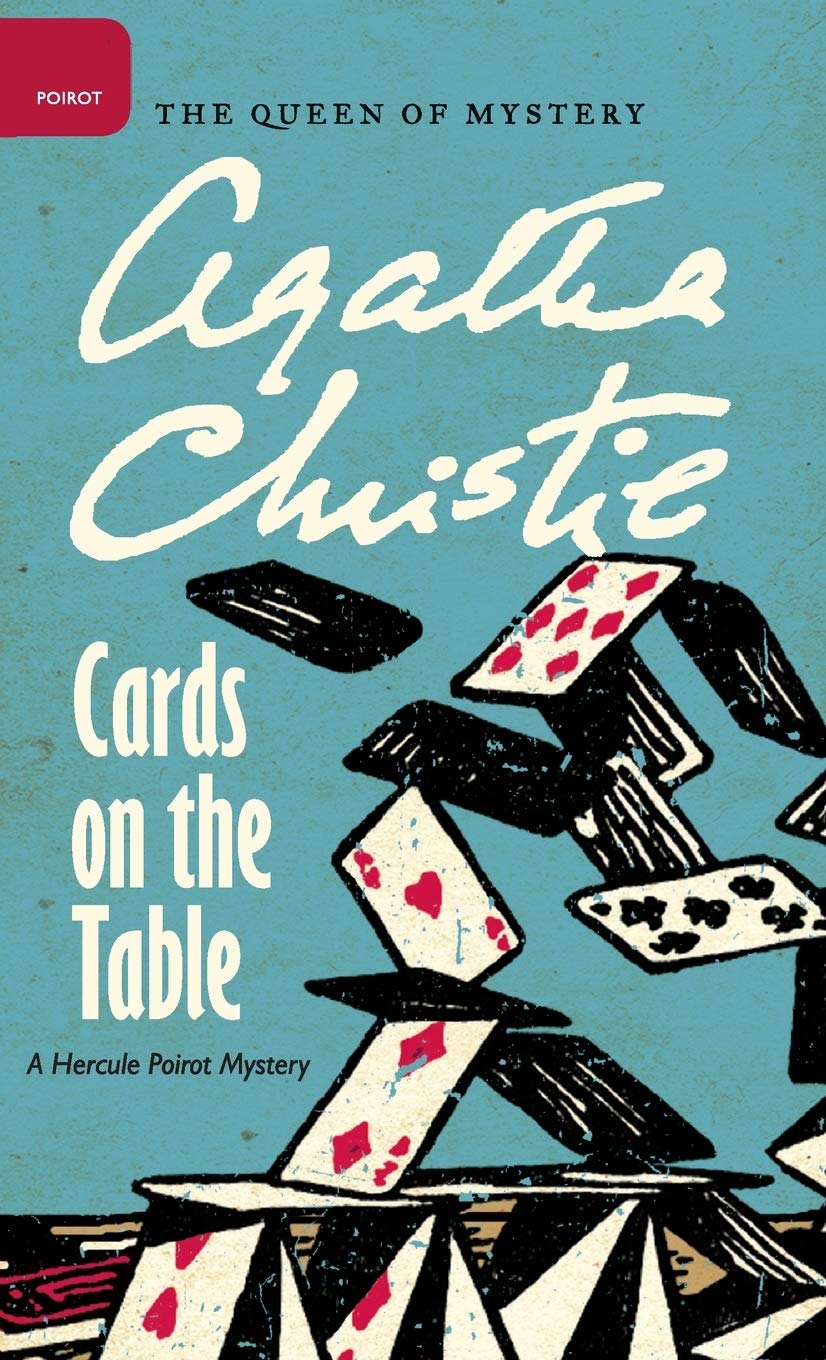
I’ve also brought Cards on the Table, my favourite Agatha Christie novel, because it really helped me appreciate the mechanics of passing the story between different protagonists, and how to do that in a seamless way. Sometimes you want to cut jarringly between them, sometimes you want one protagonist to pass the story to another like the baton in a relay race. It should come as no surprise to anyone that Christie was a master of technique, but Cards on the Table is one of those stories that doesn’t show off how clever it is, and for that reason I really admire it.

That’ll be another first for me Tom. I haven’t read Cards on the Table. I always associate Agatha Christie with having my tonsils out as an adult and trying to read her when still groggy from anaesthetic so this one passed me by!

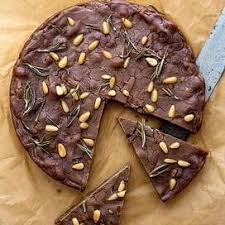
To drink, I’ve brought a Chianti Classico, which is only produced in Tuscany, where most of The Florentine is set. There’s a lot of talk about wine in the book (some of the characters are winemakers and an important section is set at a vineyard) so you’ll definitely be longing for a glass. Those who don’t drink alcohol could substitute it for chinotto, a particularly Italian drink. And just to be indulgent, let’s have castagnaccio too, a Tuscan cake made with chestnut flour, nuts, and raisins.

Yes let’s! If you’re going to bring cake and drinks you can come again. Thanks so much for staying in with me to chat about The Florentine. I think it sounds fabulous. Now, you cut me a slice of cake and I’ll give Linda’s Book Bag readers a few more details about The Florentine:

The Florentine

When Cain retired from the CIA, he moved to Florence, Italy to get away from his past.

He’s had nine years to enjoy fine wine, good food, and the Tuscan countryside.

But now his old boss has tracked him down, and he needs Cain to do one last job.

What starts as a simple trade entangles Cain in a web of secrets involving the mafia, an NSA whistleblower, and his own past.

With the Italian police and international assassins on his trail, he’ll have to survive the night to solve the mystery of who wants him dead.

Publishing on 6th May 2022, The Florentine is available for pre-order here.

About Tom Trott

Tom Trott is an author, film nerd, and proverbial Brighton rock. He lives in Brighton, UK, with his wife and their daughter.

He wrote a short comedy play that was performed at the Theatre Royal Brighton in May 2014 as part of the Brighton Festival, a television pilot for the local Brighton channel, and won the Empire Award (thriller category) in the 2015 New York Screenplay Contest.

He published his first novel, You Can’t Make Old Friends, in 2016. Since then he has written four more books, three of which have topped the free books charts on Amazon UK and US. He writes film reviews and features for Frame Rated.

His inspirations as a writer come from a diverse range of storytellers including Raymond Chandler, Agatha Christie, Joel & Ethan Coen, Daphne du Maurier, Alfred Hitchcock, Ira Levin, Quentin Tarantino, and many more books and films beside.

For further information, follow Tom on Twitter @tjtrott, visit his website or find him on Facebook and Instagram.

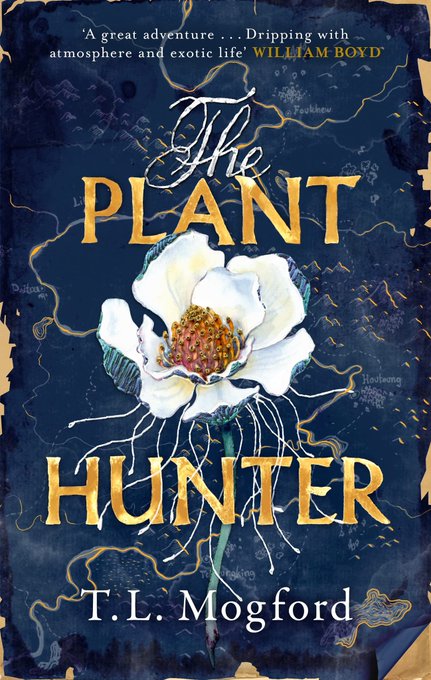
The Plant Hunter by T.L. Mogford

Other than books, one of my great passions is gardening and another is travel. Consequently it gives me enormous pleasure to be part of the launch celebrations for The Plant Hunter by T.L. Mogford. My huge thanks to Maddie at Welbeck for inviting me to participate. I’m delighted to share my review of The Plant Hunter today.

The Plant Hunter was published by Welbeck on 17th February 2022 and is available in all good bookshops and online including here.

The Plant Hunter

1867. King’s Road, Chelsea, is a sea of plant nurseries, catering to the Victorian obsession with rare and exotic flora. But each of the glossy emporiums is fuelled by the dangerous world of the plant hunters – daring adventurers sent into uncharted lands in search of untold wonders to grace England’s finest gardens.

Harry Compton is as far from a plant hunter as one could imagine – a salesman plucked from the obscurity of the nursery growing fields to become ‘the face that sold a thousand plants’.

But one small act of kindness sees him inherit a precious gift – a specimen of a fabled tree last heard of in The Travels of Marco Polo, and a map.

Seizing his chance for fame and fortune, Harry sets out to make his mark. But where there is wealth there is corruption, and soon Harry is fleeing England, rounding the Cape of Good Hope and sailing up the Yangtze alongside a young widow – both in pursuit of the plant that could transform both their lives forever.

My Review of The Plant Hunter

Harry Compton’s life is about to change.

Oh, I so enjoyed The Plant Hunter. It’s a cracking read that is part history, part travelogue, part romance, and part adventure all rolled into an engaging, exciting story that fizzes along so that I found myself gulping it down. I loved it.

The plot of The Plant Hunter is fast paced and superbly constructed with dramatic events that made me think of Jules Verne’s Around the World in 80 Days and which would translate into a brilliant film or television series, not least because T.L. Mogford’s prose is so visual. Indeed, all the senses are catered for superbly as Harry travels from London to China, to the extent that the reader feels as if they have been on a journey with him. The skill with which T.L. Mogford enhances the experience of enjoying the book through exquisite descriptions, but without slowing the pace or ever being wordy is so impressive. I found myself as immersed in China as Harry becomes through his adventures. It’s the meticulous historical and geographical detail here that is so satisfyingly successful, making for a thrilling and convincing read.

The Plant Hunter is jam packed with vivid and engaging characters who illustrate all strata of society, class and personality. There are rogues and cowards, heroes and philanthropists, the humble and the arrogant so that all life is represented through the pages of the story. Harry is not without his flaws, sometimes behaving rashly or being quick to display a violent temper but that only serves to make him all the more engaging. I thought Clarissa was magnificent too. Constrained by her foreignness in China and her widowhood, she remains feisty, spirited and vivid, making her a real role model. I thoroughly enjoyed the frisson of attraction between her and Harry too.

Whilst The Plant Hunter was far more of a brilliant, rollicking adventure with well balanced peril and humour than I had anticipated, it also embodies some weighty themes that give even greater interest and depth. The role of nations in other countries, the morality of exploration and trade, corruption of leadership, crime and murder all simmer along too, so that this really is a narrative that has something for every kind of reader.

I finished The Plant Hunter feeling that I had learnt from its pages, that I had met the most wonderful cast of characters and that I had had the most fantastic time alongside Harry. It’s an absolute cracker of a book. Don’t miss it.

About T.L. Mogford

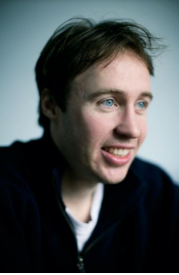
T.L. Mogford can trace his roots back to a line of famous horticulturalists – his great-uncle has an apple tree named after him. Before becoming an author, he worked as a journalist for Time Out and as a translator for the European Parliament. The Plant Hunter is his first historical novel.

For further information visit Thomas’ website or follow him on Twitter @ThomasMogford

There’s more with these other bloggers too:
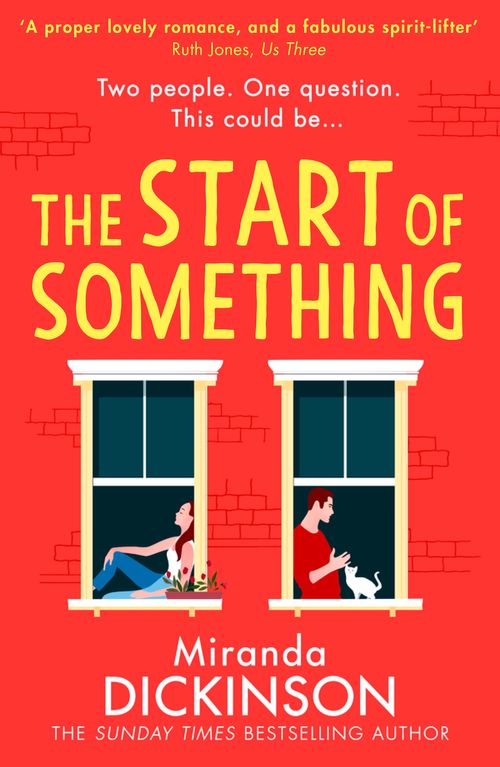
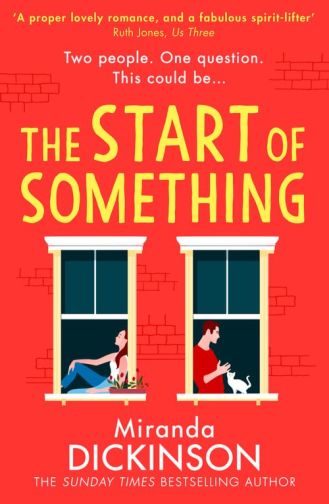
The Start of Something by Miranda Dickinson

I love Miranda Dickinson’s writing so I’m thrilled to have been given the opportunity to review her latest book, The Start of Something, for My Weekly. You’ll also find Miranda reading from The Start of Something on the My Weekly website here.

I also reviewed Miranda’s Our Story here on Linda’s Book Bag and it was one of my books of the year in 2020.

The Start of Something was published by Harper Collins on 3rd February 2022 and is available for purchase through the links here.

The Start of Something

Two lonely people.
One note in the window.
And what happens when they reach out…

Lachlan Wallace is stuck at home after a car accident stalled his army career. With months of physiotherapy still to endure and only his rescue dog and cat for company, he’s taken to gazing out of the window, watching the world spin on without him. And then he notices a vase of flowers on the windowsill of the apartment opposite his. Drawn to their hope and colour, he decides to reach out and sticks a message in his window…

Bethan Gwynne is a stranger in a new town. Bringing up her son Noah by herself, she is slowly rebuilding her life, but loneliness is one obstacle she has yet to overcome. She’s intrigued by a glimpse of her neighbour in the apartment across from hers – and then, one evening, she sees a message in his window just for her:

WHAT ARE THOSE FLOWERS CALLED?

And so begins a love story of two people reaching out, daring to trust a stranger…

My Review of The Start of Something

My full review of The Start of Something can be found on the My Weekly website here.

However, here I can say that The Start of Something is the kind of story to touch the reader by making them laugh and cry, rage and cheer because they are so invested in the outcomes for Bethan and Lachlan. It’s a lovely, heart-warming read that I cannot recommend highly enough.

Do visit My Weekly to read my full review here.

About Miranda Dickinson

miranda

Miranda Dickinson has always had a head full of stories. From an early age she dreamed of writing a book that would make the heady heights of Kingswinford Library. Following a Performance Art degree, she began to write in earnest when a friend gave her The World’s Slowest PC. She is also a singer-songwriter. Her novels, Fairytale of New York, Welcome To My World, It Started With A Kiss, When I Fall In Love and Take A Look At Me Now, have all been Sunday Times bestselling titles.

For more information, follow Miranda on Twitter @wurdsmyth, on Instagram or find her on Facebook. You can also visit her vlog and website.

Discussing The Land of the Haunted Dolls with Susan Lien Whigham

Sometimes a book comes along that sounds utterly brilliant but I simply don’t have space on my TBR. That is exactly the case with the debut novel Susan Lien Whigham has brought along today. I couldn’t resist inviting Susan to stay in with me. I think you’ll agree how brilliant it sounds when you hear what she told me!

Staying in with Susan Lien Whigham

Welcome to Linda’s Book Bag Susan and thank you for agreeing to stay in with me.

I’m delighted, thank you for the invitation!

Tell me, which of your books have you brought along to share this evening and why have you chosen it?

I’ve brought with me my debut novel, Land of the Haunted Dolls. There are sequels on the way. In many ways, it chose me.

Oo. That’s an interesting statement. What we can expect from an evening in with Land of the Haunted Dolls?

A genre-bending tale of psychological drama, peppered with elements of historical fiction and paranormal horror.

That sounds really unusual. Tell me more!

Some of the characters have time travelled from 17th century New England to 21st century New York to seek revenge, so we catch glimpses of their past lives in flashbacks. With the help of a Voodoo sorcerer, these time-travelling spirits have taken possession of four trafficking victims who have been rescued from a sex and drug trafficking ring, and the FBI agent investigating the case finds that she’s about to get more than she bargained for when she calls in an estranged family member to consult on the case.

Those characters sound intriguing.

A number of reviewers have commented on the novel’s character-driven nature, a distinction from the plot-driven style that one typically finds in the horror genre. In that sense, I would liken it to the works of filmmaker Mike Flanagan, creator of film “Oculus” and the Netflix series “Haunting of Bly Manor.” I mention these two works of his in particular because they share some similar themes with my novel, including childhood trauma, addiction, ghosts, demons and hauntings. They also have in common non-linear timelines, philosophical musings, and in some of his works such as the recent Netflix series “Midnight Mass,” hopeful perspectives in spite of the story’s grim happenings.

I’m one of those readers who is more invested in character than plot so Land of the Haunted Dolls really appeals.

Land of the Haunted Dolls also features a cast of characters from diverse backgrounds including many different races and religions, and is also LGBTQ-inclusive. Writing a diverse story presents the challenge of empathizing with cultures outside of the ones with which you as an author may identify. I feel it’s a vitally important endeavour for the sake of getting to know each other culturally and seeking common ground in the ways we all, around the world, deal with common struggles such as recovery from trauma and addiction.

Oh you’re absolutely right. And this is the joy of books Susan. They have the power to help us understand others around us. 

At its heart, the novel is ultimately about two protagonists, a sceptic FBI agent and her mystic cousin, and their conflicts in family history and in strongly differing beliefs, and their need to find a way to come together in order to fight a greater evil.

Land of the Haunted Dolls sounds so entertaining and thought provoking. How is it being received?

The feedback on it so far has been good, with some readers loving the paranormal aspects, while others finding the themes of trauma and addiction resonate more strongly, while still others come for the pro-diversity elements.

How brilliant. What else have you brought along and why have you brought it? 

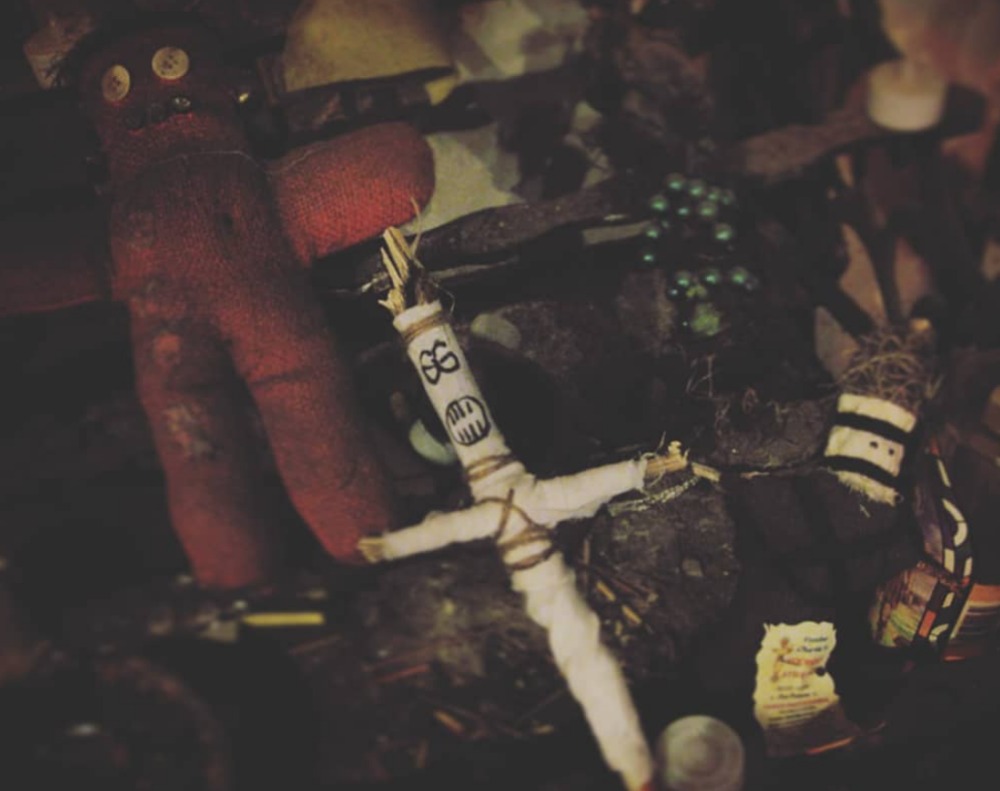
I have a few items to share. The first is a photo from 2010, taken at the New Orleans Historic Voodoo Museum in Louisiana. Visiting the museum had a powerful effect on me. Its magic beckoned me, and I think it’s safe to say that my interest in the practice of Voodoo, and the beginnings of the novel, were born on that trip. When I say that the story chose me, this is an example of what I mean. It’s been a mystical journey of exploration which has called to me every step of the way.

That’s actually quite disturbing!

The second is a photo of a sidewalk chalk drawing which I had encountered while working on the novel in 2017. It spoke to me very clearly of the nature of The Marassa, who are Voodoo spirits known as lwa, who pay a visit in the novel. In fact, this manifestation of the most ancient of the lwa in street art directly inspired me to write the chapter in which they appear.

I love hearing where authors find their inspiration. You’ve really intrigued me now!

Lastly, an extract:

Titi squinted her eyes for a moment, peering into the darkness, then relaxed them. “I’m picking up some psychometry from this location,” she said slowly. “There are people buried under here. Unmarked graves, hundreds of them. They died of yellow fever.” For a moment, the image of hundreds of people pale, jaundiced, and naked, bleeding from their vacant eyes as they aimlessly wandered a darkened forest at night, haunting their graves, flashed through Titi’s vision.  It always unsettled her to catch glimpses of the dead, though it happened often enough that she held out hope that someday she would  grow to not feel so alarmed.

“What do you mean by psychometry?” said Rochelle, interrupting Titi’s thoughts.

“It’s a form of clairvoyance where the reader can sense the history of a place or an object by touching it.”

Rochelle looked away at the wall, stifling a reaction. She wondered how much more surreal this experience could possibly get. Titi was wondering the same thing. “Before that,” she said, “there was a dense forest right here, with a river running through it. Pine trees everywhere. Late sixteenth century.”

“So if you’re psychic, what am I thinking right now?” said Rochelle.

“Psychic doesn’t mean omniscient,” said Titi with a glare.

No! You can’t leave it there Susan! What a fascinating insight into Land of the Haunted Dolls. Thank you so much for staying in with me to chat all about it. I’ll just give Linda’s Book Bag readers a few more details:

Land of the Haunted Dolls

Are some beliefs worth the risk of losing it all?

How far can you go before there’s no turning back?

Special Agent Rochelle Roy must confront scepticism and family tensions when four sex trafficking victims claim to be the reincarnated souls of women who died during the Salem witch trials. A paranormal drama, featuring a diverse cast, which takes place in the aftermath of human trafficking, touching how it impacts both victims and law enforcement, and feeds into cycles of trauma, addiction, spiritual crisis and transcendence.

Land of the Haunted Dolls is available for purchase through the links here.

About Susan Lien Whigham

Susan Lien Whigham is an independent filmmaker based in San Francisco, on the California coast of the United States. Having spent more than a decade writing, directing and producing short films, she released her debut novel entitled Land of the Haunted Dolls in July 2021. A prequel short film based on the novel is currently making its rounds on the film festival circuit and can be seen in February 2022 at The North Film Festival in Stockholm, Sweden, and in September 2022 at the Love and Hope International Film Festival in Barcelona, Catalonia, Spain.

For more information, visit Susan’s website, find her on Goodreads and Facebook or follow her on Twitter @tierrasimbolica and Instagram.

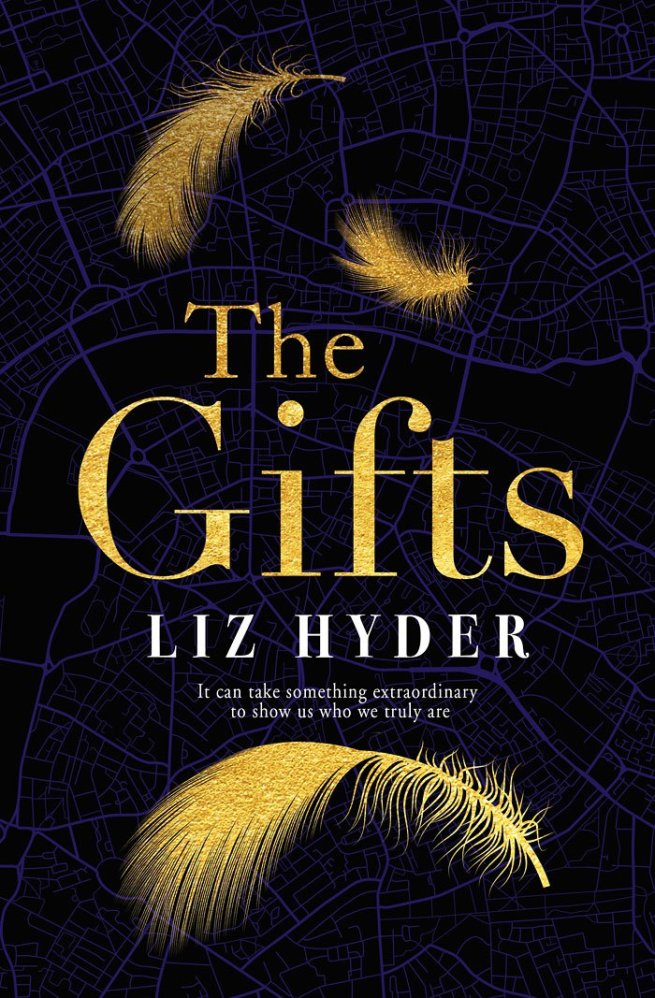
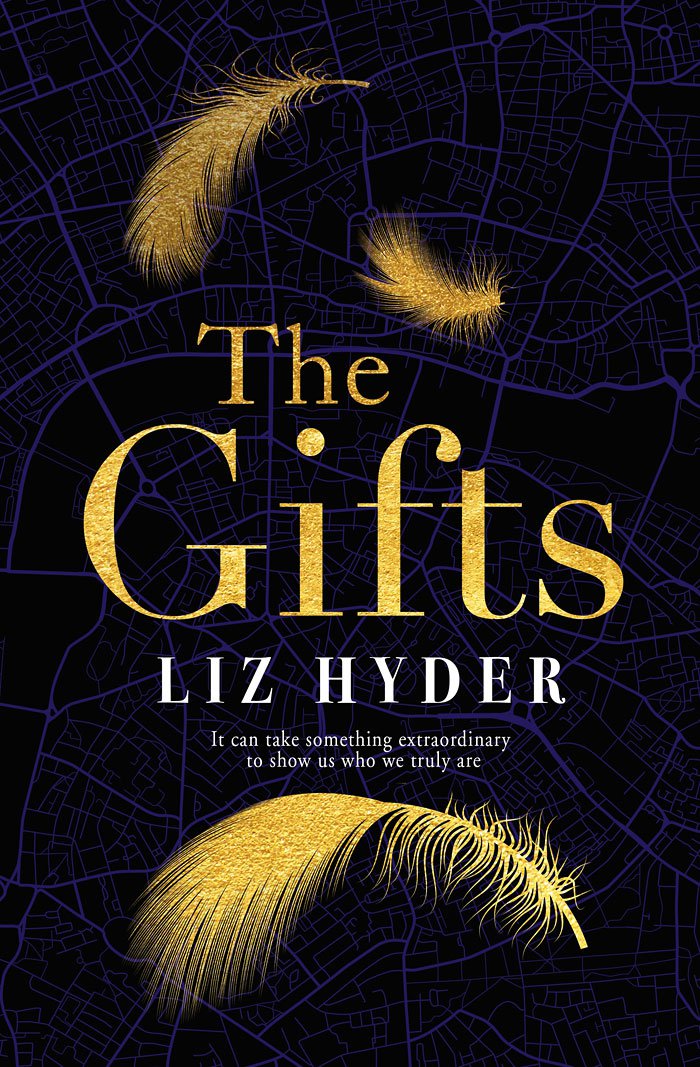
The Gifts by Liz Hyder

Today I’m delighted to share another of my online reviews with My Weekly. This time it is of the exceptionally good The Gifts by Liz Hyder. You’ll also find a My Weekly interview with Liz here.

Published by Manilla on 17th February 2022, The Gifts is available for purchase through the links here.

The Gifts

In an age defined by men, it will take something extraordinary to show four women who they truly are . . .

October 1840. A young woman staggers alone through a forest in Shropshire as a huge pair of impossible wings rip themselves from her shoulders.

Meanwhile, when rumours of a ‘fallen angel’ cause a frenzy across London, a surgeon desperate for fame and fortune finds himself in the grips of a dangerous obsession, one that will place the women he seeks in the most terrible danger . . .

The Gifts is the astonishing debut adult novel from the lauded author of BEARMOUTH. A gripping and ambitious book told through five different perspectives and set against the luminous backdrop of nineteenth century London, it explores science, nature and religion, enlightenment, the role of women in society and the dark danger of ambition.

My Review of The Gifts

My full review of The Gifts can be found on the My Weekly website here.

However, here I can say that The Gifts is the most wonderful, immersive read that bewitches the reader and transports them out of the ordinary world through Liz Hyder’s magnificent writing. It’s such a good book that you really won’t want to miss this one! I absolutely loved it.

Do visit My Weekly to read my full review here.

About Liz Hyder

Liz is a writer, creative workshop leader and freelance arts PR consultant. In early 2018, she won The Bridge Award/Moniack Mhor’s Emerging Writer Award. Bearmouth, her debut novel for young adults, was published by Pushkin Press and won the Branford Boase Award and the Waterstones Children’s Book Award for Older Readers. It is also published in America, France, Norway, Italy and the Czech Republic as well as the UK and Commonwealth. The Gifts is her debut adult novel.

Originally from North-East London, she has lived in South Shropshire for over a decade.

For further information about Liz, visit her website or follow her on Twitter @LondonBessie and Instagram.

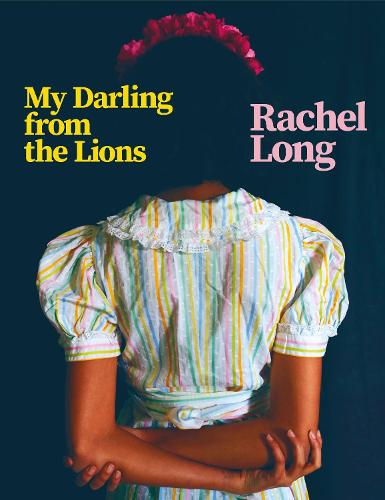
My Darling from the Lions by Rachel Long, shortlisted for the Sunday Times Charlotte Aitkin Trust Young Writer of the Year Award

At the weekend it was a real pleasure to share details of the Sunday Times Charlotte Aitkin Trust Young Writer of the Year Award shortlisted books in a post you’ll find here. I’m thrilled that every one of those books is on my TBR and today I’m sharing my review of one of them – My Darling From the Lions by Rachel Long. My enormous thanks to Zara Gillick at FmCM Associates for sending me a copy along with the other shortlisted books.

My Darling from the Lions is published by Picador and available for purchase here.

My Darling From the Lions

Rachel Long’s much-anticipated debut collection of poems, My Darling from the Lions, announces the arrival of a thrilling new presence in poetry.

Each poem has a vivid story to tell – of family quirks, the perils of dating, the grip of religion or sexual awakening – stories that are, by turn, emotionally insightful, politically conscious, wise, funny and outrageous.

Long reveals herself as a razor-sharp and original voice on the issues of sexual politics and cultural inheritance that polarize our current moment. But it’s her refreshing commitment to the power of the individual poem that will leave the reader turning each page in eager anticipation: here is an immediate, wide-awake poetry that entertains royally, without sacrificing a note of its urgency or remarkable skill.

My Review of My Darling from the Lions

A collection of poetry.

My Darling from the Lions is not always an easy read. This is because Rachel Long is unafraid to present her poetry with shocking images, forthright language and brutal truth. I found the collection disturbing and though provoking, not least because there is a feeling of personal honesty that made me feel I had been given an intimate insight into the world of a woman I’ve never met. There’s also humour, affection and gentleness so that this collection feels well balanced, nuanced and engaging. The characters presented by Rachel Long in her poems are vibrant and real, woven into her words every bit as much as I suspect they are woven into her life. I loved meeting her mother particularly.

There’s a fascinating variety in the presentation and structure of the writing. The repetition of Open throughout the first half of the collection with its slightly changing format and pronouns made me realise how interpretation is everything, how we adopt different personas for different audiences, so that My Darling from the Lions has the ability to teach the reader as well as entertain them.

Whilst I found some of the poems challenging, unsure if the meanings I derived from them were the intention of Rachel Long, I found the themes in My Darling from the Lions absolutely universal. The role of women, sexuality, relationships, matriarchy, love, challenge, race, society and so on are as tightly threaded into the poetry as the personal stories behind them, so that they resonate completely with the reader. Here we uncover what it is like to be a person of colour, a female and, curiously, an outsider who also belongs completely. I found this aspect of Rachel Long’s writing fascinating.

My Darling from the Lions is a startling collection that doesn’t give up all its secrets easily. Rather it needs, and deserves, several readings and much thought. I fear I have only scratched the surface of Rachel Long’s writing and I’ll be returning to this anthology again and again to learn more about what it really is to be My Darling from the Lions. I really recommend exploring it for yourself because it’s fresh, exciting and intriguing.

About Rachel Long

Rachel Long is a poet and the founder of Octavia – poetry collective for womxn of colour which is housed at The Southbank Centre, in London. Long’s poetry and prose have been published widely, most recently in Filigree, Mal, The White Review, The Poetry Review and Granta.
Her debut poetry collection, My Darling from the Lions, is forthcoming from Picador in August 2020.

You can follow Rachel on Twitter @rachelnalong.

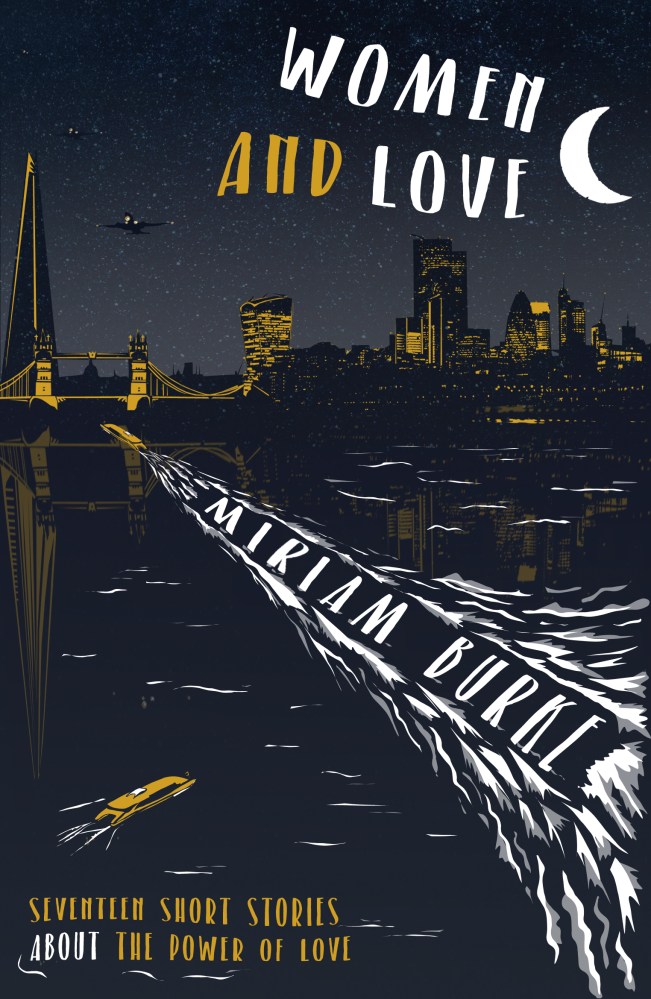
Staying in with Miriam Burke

I think there’s a certain magic about short stories because they allow the reader a real sense of satisfaction in completing a read even when life is challenging, and a full length novel might feel too much. Consequently, I’m delighted to welcome Miriam Burke to Linda’s Book Bag today to start off the blog tour for her debut collection. Let’s find out more:

Staying in with Miriam Burke

Welcome to Linda’s Book Bag Miriam. Thank you for agreeing to stay in with me.

It’s a pleasure to be invited into your world of great thoughts and fine feelings.

Tell me, which of your books have you brought along to share this evening and why have you chosen it?

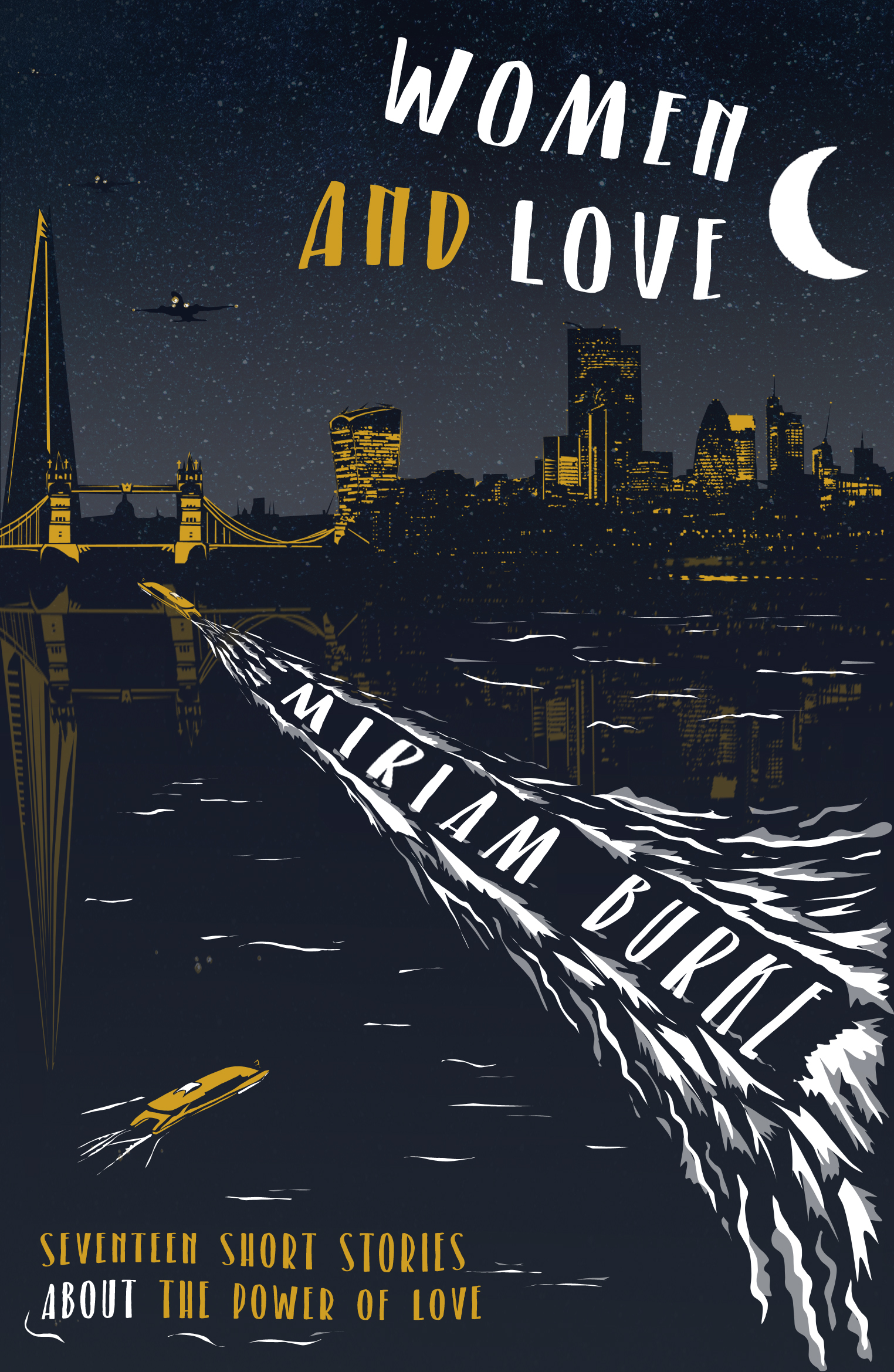
I’ve brought my collection of short stories called Women and Love. It’s my first published book of fiction and the wonderful Renard Press are just about to publish it.

How exciting. Congratulations on your debut fiction. What can we expect from an evening in with Women and Love?

The stories are set in contemporary London and they explore how women deal with different kinds of love. The women come from very diverse cultural and social backgrounds.

I grew up in the West of Ireland when it was culturally very monochromatic and I was fascinated by the cultural and social diversity of London when I came to work here as a clinical psychologist in hospitals and GP practices. One of the joys of working in the NHS is that you can see someone who is homeless in the same room on the same morning as someone who is extremely privileged. So the collection was inspired by the richness and diversity of life in contemporary Britain.

Goodness. I expect you see all kinds of life in your day job Miriam. Has that influenced your characters?

Quite a few of the characters are gay or lesbian, but the stories aren’t about being gay; they portray the gay and lesbian characters dealing with the challenges everyone faces in love and life.

That sounds as if you’re writing about people rather than labels to me. Brilliant!

Many of the stories involve characters from one social world having to interact with characters from a very different world. And if the pandemic has taught us nothing else, it has taught us that our lives are interconnected. We have a responsibility towards each other.

Oh I couldn’t agree more. The fragmentation of society concerns me. We need to support one another because we are, as you say, interconnected. Why did you choose to write short stories rather than a novel?

I love short stories and I hope the genre becomes more popular, because it is very well suited to fast-paced lives and new technologies. Irish people and Americans love short stories, but the British haven’t been so keen on them, so you’ve been missing out on the hidden treasures and pleasures of the form!

Not me! I love short stories and they often feature here on the blog. You’re right, though. Too many readers dismiss them and they are missing some simply wonderful writing.

What else have you brought along and why have you brought it?

I’ve brought along a song called ‘Streets of London‘. It’s by Ralph McTell and he asks listeners to look around them at the other people with whom they share the streets. His song focuses on people who are down on their luck, but my stories portray people who are up on their luck as well as characters who are struggling. All lives have their challenges and we’d probably be very bored if they didn’t.

I agree and I love that song. It’s timeless. Thanks so much Miriam, for staying in with me to chat about Women and Love. I think it sounds just my kind of read and I’m delighted it’s on my TBR pile!

Women and Love

‘I couldn’t sleep that night; our conversation was like a trapped bird flying around inside my head. The next morning, I texted to say I wouldn’t be coming back. I lied about having to return to my country to nurse a sick relative. I couldn’t bear to see my story mirrored in his eyes, and to see what we never had. I knew he’d understand.’

Women and Love is a thought-provoking collection of seventeen tightly woven tales about the power of love, all its trials and complications, and the shattered lives it can leave in its wake.

The stories explore a huge variety of sorts of love surrounding women in wildly differing settings, and features an unforgettable cast including GPs, burglars, inmates, emigrant cleaners, carers, young professionals, and many more. Navigating heavy themes, with a par­ticular focus on LGBTQ+ experiences, including gender dysphoria and searching for a sperm donor, the stories leave the reader burning with indignation, full of empathy and wonder.

Published by Renard Press on 23rd February 2022, Women and Love is available for purchase from Waterstones, Blackwell’s and directly from the publisher.

About Miriam Burke

A writer from the west of Ireland, Miriam Burke’s short stories have been widely published in anthologies and journals, including The Manchester ReviewLitro MagazineFairlight ShortsThe Honest UlstermanBookanista and Writers’ Forum. She has a PhD in Psychology, and before becoming a writer she worked for many years as a Clinical Psychologist in London hospitals and GP practices. Women and Love is her debut collection.

You can find out more about Miriam by visiting her website.

There’s more with these other bloggers on Twitter and Instagram too:


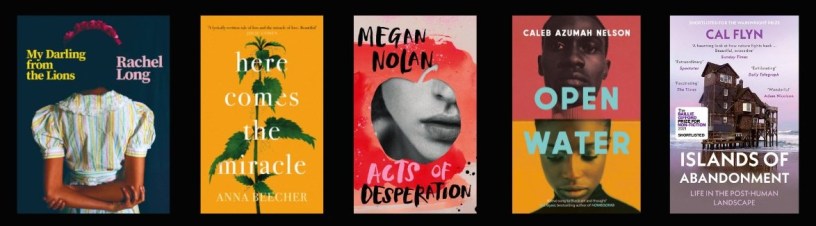
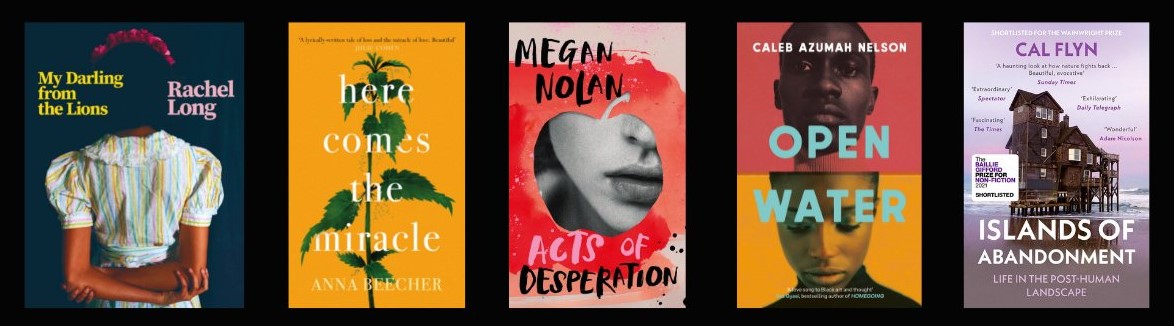
The Sunday Times Charlotte Aitkin Trust Young Writer of the Year Award Shortlist

In 2019 I was privileged to be a shadow panel judge for the Sunday Times Charlotte Aitkin Trust Young Writer of the Year Award. You can read all about my experience here. All the details about this year’s 30th anniversary books and events are available here.

The Sunday Times Charlotte Aitken Young Writer of the Year Award is awarded for a full-length published or self-published (in book or ebook formats) work of fiction, non-fiction or poetry, by an author aged 18 – 35 years.

The winner receives £10,000. There are three prizes of £1,000 each for runners-up.

The winning book will be a work of outstanding literary merit. The award is an annual prize, sponsored by the Sunday Times and the Charlotte Aitken Trust. The prize is administered by the Society of Authors.

You can follow the award on Twitter @YoungWriterYear, Facebook and Instagram.

I’m thrilled to have been sent a copy of all of this year’s shortlisted books by the lovely people at FMcM and soon I’ll be sharing my review of the poetry collection My Darling from the Lions by Rachel Long, but first, I’ll give you a few more details about the featured books.

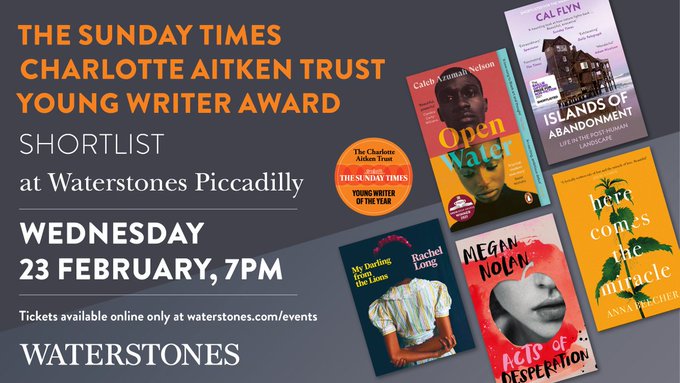
You might also like to know that tickets to an exciting event featuring all these up and coming young writers to be held at Waterstones Piccadilly on Wednesday 23rd February 2022 are available here, before the winner is announced on Thursday.

Shortlist

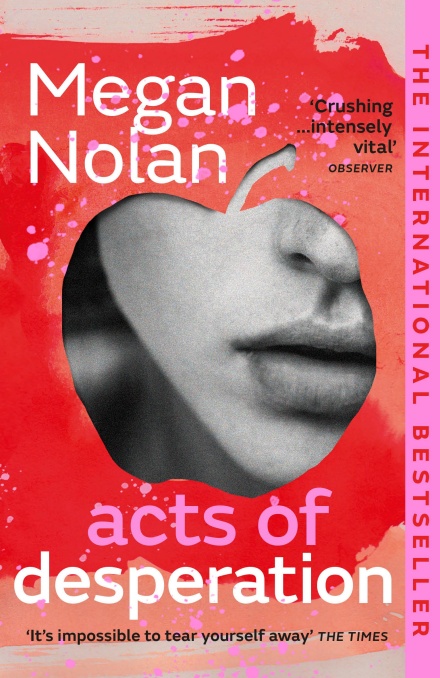
Acts of Desperation by Megan Nolan

She’s twenty-three and in love with love. He’s older, and the most beautiful man she’s ever seen. The affair is quickly consuming.

But this relationship is unpredictable, and behind his perfect looks is a mean streak. She’s intent on winning him over, but neither is living up to the other’s ideals. He keeps emailing his thin, glamorous ex, and she’s starting to give in to secret, shameful cravings of her own. The search for a fix is frantic, and taking a dangerous turn…

We’re all looking to get what we want – but do we know what we need?

Acts of Desperation is published by Vintage and is available for purchase here.

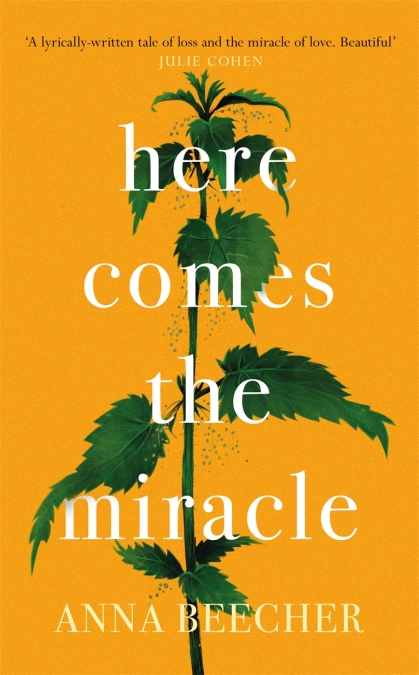
Here Comes the Miracle by Anna Beecher

It begins with a miracle: a baby born too small and too early, but defiantly alive. This is Joe.
Then, two years later, Emily, arrives. From the beginning, the siblings’ lives are entwined.
Snake back through time. In a patch of nettle-infested wilderness, find Edward, seventeen-years-old, and falling in love with another boy.

In comes somebody else, Eleanor, with whom Edward starts a family. They find themselves grandparents to Joe and Emily.

When Joe is diagnosed with cancer, the family are left waiting for a miracle.

From one of our finest new authors, this is a profoundly beautiful novel about the unexpectedness of life and the miracle of love.

Here Comes the Miracle, is published by Weidenfeld & Nicholson and is available for purchase through the links here.

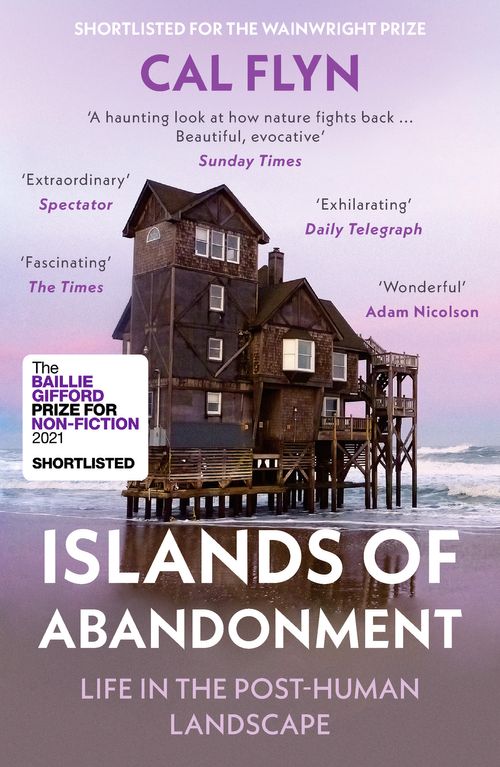
Islands of Abandonment by Cal Flyn

This is a book about abandoned places: ghost towns and exclusion zones, no man’s lands and fortress islands – and what happens when nature is allowed to reclaim its place.

In Chernobyl, following the nuclear disaster, only a handful of people returned to their dangerously irradiated homes. On an uninhabited Scottish island, feral cattle live entirely wild. In Detroit, once America’s fourth-largest city, entire streets of houses are falling in on themselves, looters slipping through otherwise silent neighbourhoods.

This book explores the extraordinary places where humans no longer live – or survive in tiny, precarious numbers – to give us a possible glimpse of what happens when mankind’s impact on nature is forced to stop. From Tanzanian mountains to the volcanic Caribbean, the forbidden areas of France to the mining regions of Scotland, Flyn brings together some of the most desolate, eerie, ravaged and polluted areas in the world – and shows how, against all odds, they offer our best opportunities for environmental recovery.

By turns haunted and hopeful, this luminously written world study is pinned together with profound insight and new ecological discoveries that together map an answer to the big questions: what happens after we’re gone, and how far can our damage to nature be undone?

Islands of Abandonment is published by Harper Collins and is available for purchase through the links here.

My Darling From the Lions by Rachel Long

Rachel Long’s much-anticipated debut collection of poems, My Darling from the Lions, announces the arrival of a thrilling new presence in poetry.

Each poem has a vivid story to tell – of family quirks, the perils of dating, the grip of religion or sexual awakening – stories that are, by turn, emotionally insightful, politically conscious, wise, funny and outrageous.

Long reveals herself as a razor-sharp and original voice on the issues of sexual politics and cultural inheritance that polarize our current moment. But it’s her refreshing commitment to the power of the individual poem that will leave the reader turning each page in eager anticipation: here is an immediate, wide-awake poetry that entertains royally, without sacrificing a note of its urgency or remarkable skill.

My Darling from the Lions is published by Picador and available for purchase here.

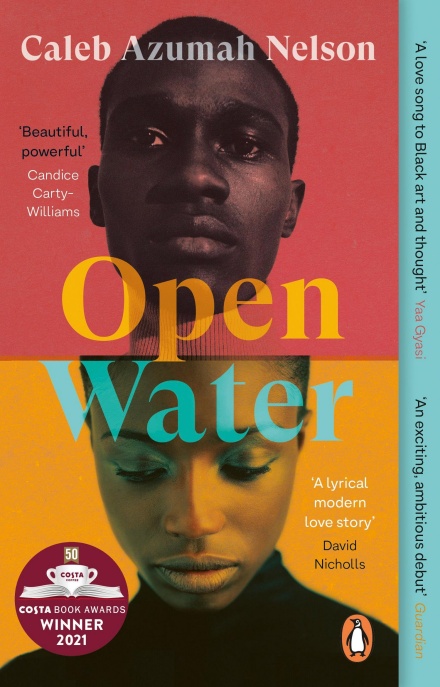
Open Water by Caleb Azumah Nelson

Two young people meet at a pub in South East London. Both are Black British, both won scholarships to private schools where they struggled to belong, both are now artists – he a photographer, she a dancer – trying to make their mark in a city that by turns celebrates and rejects them. Tentatively, tenderly, they fall in love. But two people who seem destined to be together can still be torn apart by fear and violence.

At once an achingly beautiful love story and a potent insight into race and masculinity, Open Water asks what it means to be a person in a world that sees you only as a Black body, to be vulnerable when you are only respected for strength, to find safety in love, only to lose it. With gorgeous, soulful intensity, Caleb Azumah Nelson has written the most essential British debut of recent years.

Open Water is published by Penguin and is available for purchase through the links here.

****

I wonder which of these talented young writers most appeals to you?