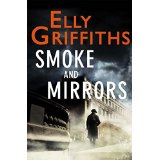
Smoke and Mirrors by Elly Griffiths

smoke and mirrors

My grateful thanks to Hannah Robinson at Quercus books for a copy of Smoke and MIrrors by Elly Griffiths in return for an honest review. ‘Smoke and Mirrors’ was published in hardback on 5th November 2015. It is also available as an ebook.

‘Smoke and Mirrors’ is the second in the Stephens and Mephisto series by Elly Griffiths, but not having read the first book made no difference to my enjoyment of this one.

When two children go missing in Brighton during the pantomime season, there are horrible similarities with a murder in another panto almost 40 years earlier. Could they be connected?

I thoroughly enjoyed ‘Smoke and Mirrors’, the title being totally apt as a theme throughout, referring to the actual events in the panto as well as the twists and turns in the story. Elly Griffiths writes so cleverly that the reader is kept guessing along with DI Edgar Stephens and his team.

There’s quite a cast of characters, which I sometimes find confusing in novels, but here all of them were so well portrayed that each was easy to get to know and care about. By the end of the story I wanted to go back and read the first in the Stephens and Mephisto series to learn more about them, especially Max and Ruby, and I am looking forward to finding out what happens to them next. Even the weather feels like a character and helps create brilliant atmosphere.

What makes reading Elly Griffiths so enjoyable is that she constructs a tight plot with natural, almost conversational, writing so that there is no effort needed in reading her – just pleasure. Direct speech is lively and engaging, adding to the narrative in a way that feels perfect for the era and setting.

As the story is set in the run up to Christmas, ending on Christmas Eve, I think Smoke and Mirrors would make a perfect gift for any crime fiction lover. It’s a really good read.

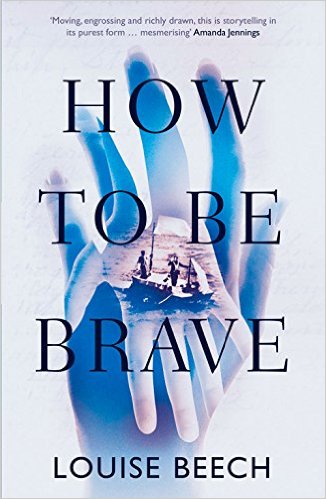
How To Be Brave by Louise Beech

How to be brave

I’ve been desperate to read ‘How To Be Brave’ by Louise Beech since it was published in paperback by Orenda on 17th September 2015. It is also available as an ebook. So many in the blogging community have been raving about this book that I was delighted to be offered the chance to listen to the unabridged Audible audio version read by Finty Williams. My enormous thanks to Karen Sullivan at Orenda books for this chance in return for an honest review.

Whilst Natalie’s husband, Jake, is serving in Afghanistan, she finds she has to deal with her nine year old daughter Rose’s sudden and life-threatening onset of Type 1 diabetes. When they both seem to encounter the same familiar man in their dreams and at the hospital Natalie realises there is a story belonging to her grandfather Colin that also needs to be told.

I wasn’t sure how I’d feel about listening to, rather than reading, ‘How To Be Brave’ but Finty Williams’ delivery of Louise Beech’s spellbinding writing is incredible and I think she does perfect justice to the story, and is obviously assisted by the wonderful quality of Louise Beech’s prose. ‘How To Be Brave’ is stunning. The craft of storytelling is outstanding and all the more so because this is a debut novel. There are spirals of narrative that interweave so that Rose’s condition is closely linked to the story that emerges from her great-grandfather’s diaries as he is stranded on a lifeboat at sea. The style is fluid and natural and almost hypnotising to listen to.

One element that appealed to me too was Rose’s tackling and frequent criticism of Natalie’s storytelling which actually gave me as a reader a real insight into the writing process as well as enjoying this emotional and beautifully written narrative.

The concept of bravery ripples through so that every reader can find someone to relate to in the cast of characters. I don’t usually enjoy children in books, but Rose is utterly believable. She is stubborn, cheeky, frightened, sad and challenging – all the things a nine year old can be, and she is also brave as she endures the injections and blood checks. Equally, Natalie’s attempts to deal with her changed daughter, Jake’s time in Afghanistan, and Colin’s stoic attitude whilst hoping for rescue are acts of bravery that I found so compelling.

I think it’s impossible to encounter this story without being affected by it. I’m finding it difficult to convey how fabulous the writing is – as Louise Beech has left me, to quote her, ‘speechless, full of silent words’ and not a few tears. Given that Louise Beech has based her debut on her grandfather’s diaries and it is grounded in fact, following her own child’s illness, I think her grandfather would be immensely proud of what she’s achieved in creating a book that will stay with readers, and listeners, for a very long time.

This is a book that everyone should read – or listen to.

You can follow Louise on Twitter and find out more about her on Amazon where you can also buy ‘How To Be Brave’.

The Rest of My Life by Sheryl Browne – Giveaway

the rest of my life

The Rest of My life, recommended by the WHSmith Travel Fiction Buyer and recently at Number 2 on the Amazon Top 100 Paid Women’s Romance Fiction Best Sellers List, has been shortlisted for the Love Stories Awards 2015!

Love Stories JPEG

To celebrate, Sheryl is sharing a little Christmas cheer early by giving away a beautiful love bird key pendant and a FREE e-copy of any one of her other books. To be in with a chance of grabbing your prize, check out the #restofmylife Rafflecopter comp below.

necklace

Christmas wishes1

Click here for the giveaway

As a special pre-Christmas treat, anyone leaving a review for the The Rest of My Life on Amazon is also welcome to choose an extra FREE e-copy of one of Sheryl’s other books. Simply message her on Twitter @sherylbrowne or Facebook with the Amazon link.

Guest Post by Eva Jordan, author of 183 Times a Year

unnamed

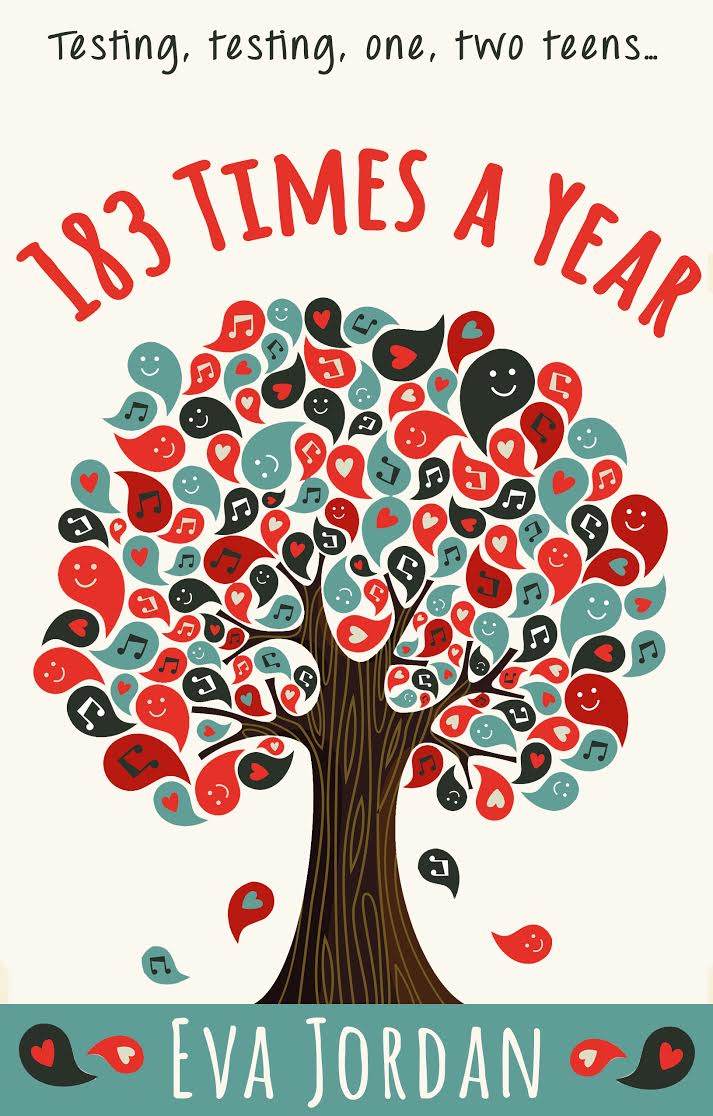
‘183 Times a Year’ by Eva Jordan is a debut novel currently available in ebook here and here.

We all need friends in our lives and it is my very great pleasure to introduce a guest post by Eva Jordan who writes here about her novel ‘183 Times a Year’ and about the importance of strong female relationships.

Words are easy, like the wind; Faithful friends are hard to find.

                                                                                      William Shakespeare

Strong, female friendships – hopefully we’ve all got some. And you know the type of friend I mean – the one that would pick up the phone at 3am in the morning to listen to your sobbing voice should the need ever arise, the sort that doesn’t judge you by your mistakes and the kind that accepts you for being you – including all your flaws. And yet, sometimes these unique pairings stem from the unlikeliest of alliances. The history books are littered with them. By way of example take a look at these: Elizabeth I and Mary Dudley, Mary Todd Lincoln (wife of Abraham) and Elizabeth Keckley (an ex-slave), the Russian poets Anna Akhmatova and Marina Tsvetaeva, and Ella Fitzgerald and Marilyn Monroe, to name but a few.

All these relationships have been inspirational and edifying. Mary Todd Lincoln wrote to Elizabeth in 1867 declaring that Keckley was her “best living friend.” Others have changed the course of history. When Ella Fitzgerald tried to book a gig at the Mocambo in Hollywood in 1955 the manager was unsure she’d draw the crowds needed because of segregation and racism problems at the time. Marilyn Monroe stepped in – she promised to book a table in the front row every night if they gave Fitzgerald the job. Needless to say, thanks to the media interest in Marilyn, the gig was packed and the rest, as they say, is history. Ella Fitzgerald never had to play a small jazz club again.

Strong, female friendships are, I believe, important for women. Good friends, along with family and loved ones often support us through the bad times and laugh with us during the good times. This is one of the themes I chose to include in my debut novel 183 TIMES A YEAR. Friends since childhood, one of the main protagonists – Lizzie – and her best friend Ruby, have known each other forever. Nonetheless, although privy to one another’s innermost thoughts and secrets – or so they believe – as events unfold, their friendship is pushed to the absolute limits. Does their friendship survive or sadly, as the history books reveal, does it crumble as Lincoln and Keckley’s did? Apparently Mary felt betrayed by Elizabeth after she disclosed “behind the scenes” information in her biography about her time in the Whitehouse whilst working at the First Lady’s favourite seamstress.

However, when it comes to strong, female friendships there is one particular relationship that is extremely important and that is the relationship between a woman and her mother. Notable mother-daughter relationships include: Elizabeth I and Anne Boleyn, Mary Wollstonecraft and Mary Shelley, Marie Curie and Iréne Joliot-Curie, Sharman MacDonald and Keira Knightley. Arguably some of these mother-daughter relationships are less formidable than others but all of them are important and influential in their own right.

It has been suggested that the mother-daughter relationship is so powerful it affects everything from a woman’s health to her self-esteem. Dr Christiane Northrup, author of the book Mother-Daughter Wisdom (Hay House), says: “The mother-daughter relationship is the most powerful bond in the world, for better or for worse. It sets the stage for all other relationships.”

That’s all fine and dandy when your daughter is small – in the eyes of their infant daughter a mother can rarely do no wrong – but what happens when puberty calls. While most five-year-old girls love their mothers with an unshakeable conviction, it’s often a different story by the time they reach their teens. The once-adored mother who rarely put a foot wrong is suddenly always doing or saying embarrassing things. Dumbfounded mothers discover their testing teens often feel criticised or judged by their well-meaning actions or advice. Throw in stepparents and stepsiblings to the mixing pot of today’s divided and extended families – “hubble, bubble, toil and trouble” – and the stage is indeed set for a spectacular display of fireworks.

Never fear though, its not all doom and gloom. This finale of fireworks does not mark the beginning of the end of the mother-daughter relationship. Fortunately this wild swing from closeness to remoteness doesn’t last if mother and daughter can hang in there. If, as a mother, you can make it through all the door slamming, the arguments over bedroom tidiness, the answering back and dating problems, the relationship comes full circle and moves to a different level altogether. Often blossoming into a loving, respectful friendship.

In a survey carried out by The Telegraph in May 2013 studying the relationship between teenage girls and their mothers, three quarters of the women taking part in the survey said that, “they felt grateful to their mother for the way they were raised, even if they failed to realise it at the time. And 67 per cent said their mother made them the person they are today – and they owe her a “debt of gratitude” for guiding them through tough times.”

Again, the mother-daughter relationship (partly based on my own experiences) is another theme explored at great length with much humour throughout my debut novel.

Lizzie – exasperated Mother of Cassie, Connor and stepdaughter Maisy – is the frustrated voice of reason to her daughters’ teenage angst. She gets by with good friends, cheap wine and is often found talking to herself – out loud. Whereas 16-year-old Cassie is the Facebook-Tweeting, Selfie-Taking, Music and Mobile Phone obsessed teen that hates everything about her life. She longs for the perfect world of Chelsea Divine and her ‘undivorced’ parents – and Joe, of course.

Although at times the mother-daughter relationship is a road fraught with diverse and complex emotions, it can also be – like many strong, female friendships – very enriching and rewarding. 183 TIMES A YEAR is a poignant, heartfelt look at the complex and diverse relationship between a mother and daughter set amongst the thorny realities of today’s modern family.

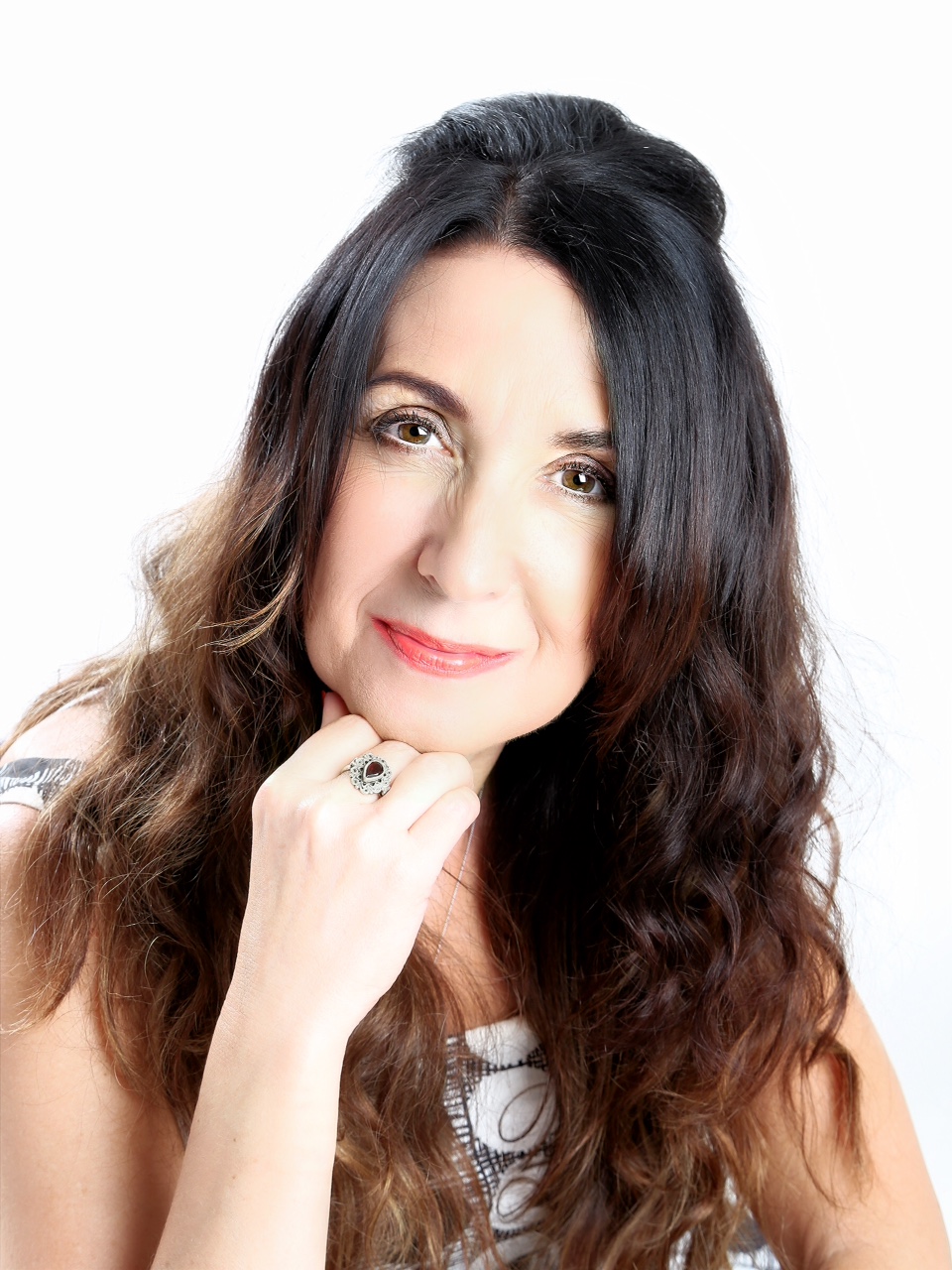
Eva Jordan

DT6C0010

You can follow Eva via her Facebook page on Twitter and her web site.

Forget Me Not by Luana Lewis

forget me not

I so loved reading Luana Lewis’s novel ‘Forget Me Not’, published by Corgi on 5th November 2015, that I was delighted to be able to ask her some questions about it. You can read my review here.

How long did it take to write ‘Forget Me Not’ and what were your routines when you were writing it?

From start to finish, it took me about two years to write Forget Me Not. For the first draft, I tended to push forwards and not look back on what I’d written too much, so that I didn’t lose momentum. Later, when the story was in place, I did several edits to polish the writing and finesse the plot and character development.

I write part time, because I still practice as a clinical psychologist. I don’t have a set routine, in that I’m happy to write wherever there’s a plentiful supply of coffee and at any time of day. Sometimes I find when I’m tired, late at night, ideas flow faster and easier than they do in the morning when I’m supposed to be sitting at my desk and working. I try to write six days a week, and I think the act of writing daily is really my routine, more so than the time or place.

Initially I assumed that the title ‘Forget Me Not’ referred only to Vivien, but as I read I felt the title could be applied to other characters, their actions and the premature babies. Was this your intention and how did you decide on the title?

The title Forget Me Not was really a joint effort between me and my editors at Transworld.  I had given the book the working title of Cravings, which related to both the craving for food and the craving for comfort and love (which can sometimes be much the same thing).  But I seemed to be the only person who thought this title worked, and friends, family and especially my publishers were keen to find something stronger. When Forget Me Not was suggested, it resonated with me straight away. I think it’s both moving and sinister, and the theme of flowers was already in place, running through the book.

For me, the title relates to Vivien, and her powerful presence in the novel, although she dies before the story begins.  But I really like what you’ve seen here, that the theme resonates for the other characters too, as well as the premature babies that are there in the background. I think your response shows this was the right title after all.

(It certainly was!)

How did you plan the novel to keep the reader guessing so effectively, as I must have changed my mind about who was to blame every time I finished a chapter?

The truth is that I can’t really claim credit for having planned this, but I’m delighted to hear that this was your experience!  Forget me Not has a small cast of characters who all have intense feelings for each other, both positive and negative.  The complicated nature of these relationships fascinated me. What I tried to do was to stay close to the characters’ motivations: their wishes, their longings and their pain. I tried to resist making them act in certain ways just for the sake of making them seem suspicious (even though I was really tempted to do this at times). I wanted to create complex characters that couldn’t easily be pigeonholed as ‘good’ or ‘evil’, even though crimes are involved. Because Vivien was both compelling and disturbed, she formed troubled relationships with people close to her and this had potential to brew into a potent and explosive mix.

I found the first person, rather than the third, for Rose’s perspective, really effective. Why did you decide to write it that way?

In earlier drafts, I had written Rose in the third person. This is the point of view I’ve always been most comfortable with, and the one I used in my first book, Don’t Stand So Close. But when I came to work on later drafts of Forget Me Not, I felt I needed to get closer to Rose, to get under her skin and inside her head, and so I experimented with writing in the first person. I think at that point the story really began to take shape. I’m glad you think it worked, because it felt right to me.

There are many layers of guilt in ‘Forget Me Not’. Do you see guilt as a fundamental part of the human psyche?

Yes, definitely. Guilt is one of the core emotions, alongside pain, love, rage and grief. All of these feelings are hard-wired into us and we experience them for good reason. Guilt, although very painful and unpleasant, can be healthy when it leads us to repair the damage we’ve done to our fellow human beings. In the book, Rose’s relationship with her grand-daughter Alexandra is one way she tries to make up for her failings as a mother to Vivien.

You obviously drew on your background as a clinical psychologist. How did it feel to fictionalise your professional world?

The issues that fascinate me as a psychologist are the same ones that fascinate me as a writer, so I really enjoy being able to explore these through fictional characters. I’m interested in understanding why people behave the way they do, especially when under pressure or in crisis in extreme situations. My first job was in a Trauma Clinic for survivors of violence, and I’m particularly interested in understanding how people overcome trauma of different kinds – which lends itself to crime writing.

In my first novel Don’t Stand So Close, Stella is actually a clinical psychologist who works as an expert witness in the family courts. In this book, I drew directly on my own professional experiences and explored some of my own fears. I asked the question: what is the worst thing that could happen to me as a psychologist, both personally and professionally? Stella’s journey in the book begins there.

In Forget Me Not, although I’ve moved away from the direct link to my profession, the emotional difficulties that the characters experience, and the themes of attachment between parents and children, are influenced by my background and training as a psychologist. But Forget Me Not also reflects my personal experience of having a child on a special care ward, and the book is partly a tribute to the medical staff on these units and the incredible work they do.

Rose wonders how she may have affected Vivien. To what extent do you believe we’re the product of our upbringing?

This is such an interesting and complex question. I believe that nature does play a significant role and that to a large extent, our personalities are pretty much there from day one. Some people are more resilient while others are more fragile.  Some people will experience terrible trauma and cope well, while others struggle far more when faced with the same event.

But in terms of nurture, I also believe that our earliest relationships, those with our primary caregivers, form a powerful template for the way in which we view ourselves and the world, and the kind of relationships we go on to form. For example, if a child is abused, neglected or deprived of love, there is a risk that he or she will go on to treat themselves in a harsh, cruel way and to repeat this original trauma in future relationships – because at the core there is a sense of being unloved and unlovable. These patterns of abuse and self neglect are the ones that as a clinical psychologist, I work hard to help people undo.

As the novel progresses, more information is revealed and characters come to understand one another more clearly. Do you think we ever really know ourselves, let alone another person?

Yes, I hope so! I think our views of ourselves and our views of others are intertwined. If we can see ourselves more clearly, then we have a clearer and more accurate view of other people too. Sometimes without being aware of it, we project images from the past onto people in our present life – so a person who has been maltreated by their caregivers might feel the whole world is ‘against them’ and behave in quite a paranoid way. What has been really interesting for me to learn while training in psychotherapy is that often what people complain others are doing to them (neglecting them, ignoring their opinions, harming them) is exactly what they are doing to themselves, unconsciously and automatically, without realizing it. Once we can learn to treat ourselves with care and compassion, many of the difficulties in our relationships with others are easier to resolve.

And finally, Isaac has had an unhappy experience with the Internet. What is your view of it and social media as a writer?

Ambivalent!  Before I was published I thought of myself as a very private person. As a psychologist, it’s natural to have a more reticent, discreet profile and not to disclose much personal information in a work context so it’s been quite a change for me to engage with social media.  I don’t think I’m a natural at it – some people are really funny or have a great ‘voice’ where you instantly get such a clear sense of their personality; whereas I agonise over a boring tweet and whether or not it should have an exclamation mark at the end of it (mine generally all do). But I’m glad I’ve ventured onto Twitter because I get to interact with other authors and an entire community of people interested in books and writing.  I’m also very grateful and moved as a new author to have had support and enthusiasm from book bloggers. Writing novels can be a rather lonely pursuit, which doesn’t necessarily involve much human contact, and so Twitter can be a good bridge to the outside world. I haven’t yet ventured onto any of the other forums…

Thank you so much, Luana Lewis, for answering my questions about Forget Me Not. They have been fascinating responses.

You can buy ‘Forget Me Not’ here www.amazon.co.uk and www.amazon.com

You can follow Luana Lewis on Twitter and via her website
Cover Reveal! The Revenge by Holly Martin

Pageflex Persona [document: PRS0000446_00069]

Here is the gorgeous cover for The Revenge, the new book by Holly Martin. This is the third book in The Sentinel Series and here’s the blurb so you can see what happens next for Eve and her friends.

He was created to be her back up and now he’s out to take her place

After the Oraculum orders Eve’s execution, she has to flee her home in the fort as those that have been guarding over her are forced to turn against her. Amongst the chaos, a new Sentinel is named. Adam, Eve’s half-brother.

Adam has spent his life incarcerated by the Oraculum while Eve was allowed to grow up with a family and friends. Now he is hell bent on revenge. He rules over his Guardians and his new kingdom with arrogance and a cold heart, but his one ambition is to make Eve’s life a living hell. Nowhere is safe from him, not even her dreams.

With the threat from the Putarians moving closer, her own Guardians betraying her, the survival of the world hinges in the balance.

Above all else, Adam must be stopped. But when Eve has a prophecy of her and Adam saving the world together, she quickly realizes she needs to work with him not against him.

But can Eve get through to Adam before it’s too late? Or will Adam’s evil heart result in the destruction of all?

Praise for The Sentinel (Book 1 in The Sentinel Series)

It’s a book you HAVE to read, because it’s incredible. An outstanding book that has left me bereft its finished. I wished I’d savoured it for longer. This book was one of those that once you started it was impossible to come away from. It was fast paced, exciting, full of suspense and action that had me gasping in shock at twists I never imagined could happen. It’s a story of courage and adventure. And no matter how dark it gets, there’s always love and hope. – Victoria Loves Books Blog

It’s really hard to find the words to describe how amazing this book is.
This is definitely the best debut I’ve read this year! I just love this book, I want you all to read this book, in fact you all need to read this book! – Love of a Good Book Blog

If you want to pre-order this book so it pops straight onto your kindle on December 1st then pop over here. Its only 99p/99c

UK http://amzn.to/1GQcNOt

US http://amzn.to/1S7aAOX

And if you haven’t read the first two books in the series yet, then pop over here and get your copy, all three books are 99p/99c at the moment

The Sentinel

UK http://amzn.to/1giKNVp

US http://amzn.to/IKSOUk

The Prophecies

UK http://amzn.to/1DZ8ECN

US http://amzn.to/1khpDuY


What Rosie Found Next by Helen J Rolfe

What Rosie Found Next - bookcover - KDP version

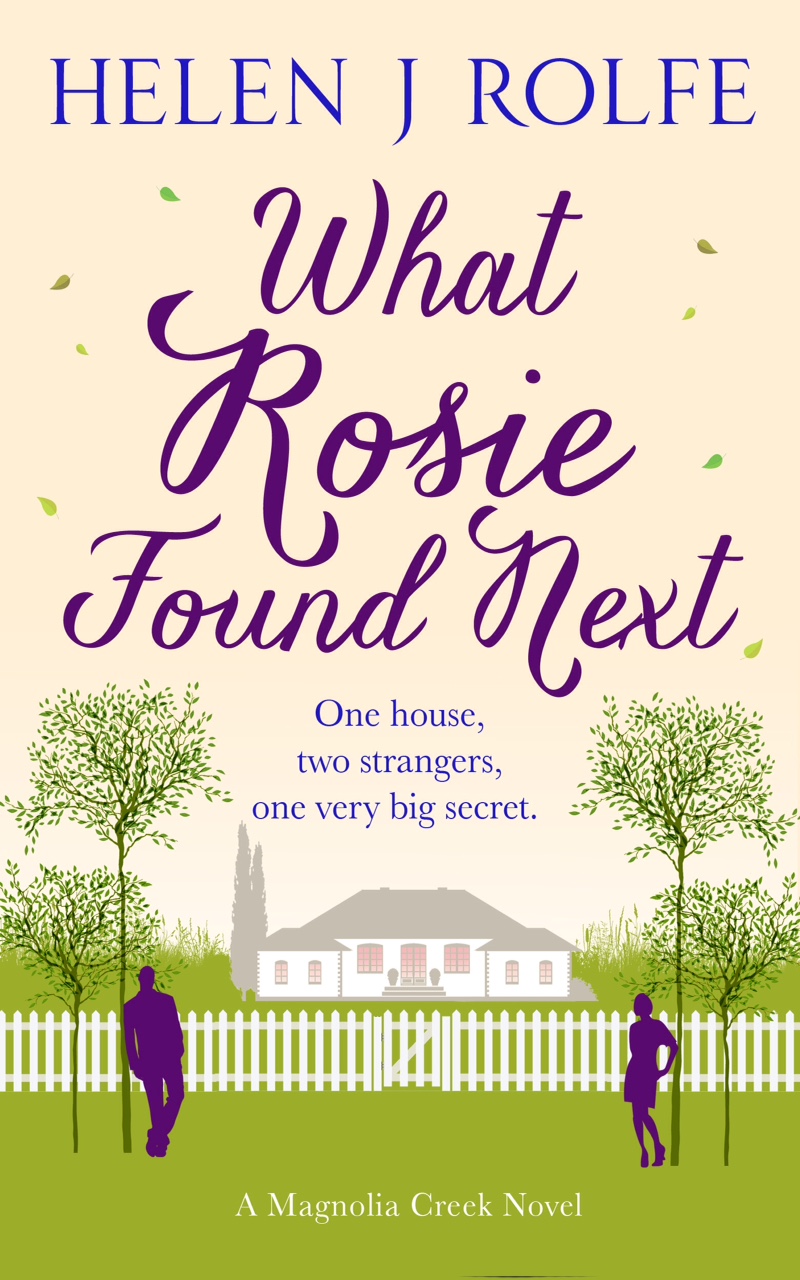
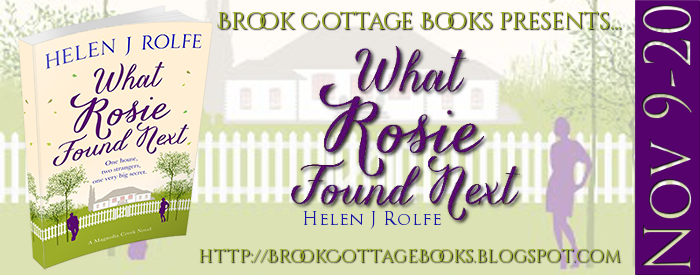
It’s my very great pleasure to be involved in the Brook Cottage Books launch celebrations for Helen J Rolfe’s new novel ‘What Rosie Found Next’ published on 3rd November 2015.

What Rosie Found Next Tour Banner 1

The Story:

A shaky upbringing has left Rosie Stevens craving safety and security. She thinks she knows exactly what she needs to make her life complete – the stable job and perfect house-sit she’s just found in Magnolia Creek. The only thing she wants now is for her long-term boyfriend, Adam, to leave his overseas job and come home for good.

Owen Harrison is notoriously nomadic, and he roars into town on his Ducati for one reason and one reason only – to search his parents’ house while they’re away to find out what they’ve been hiding from him his entire life. When he meets Rosie, who refuses to quit the house-sit in his parents’ home, sparks fly.

Secrets are unearthed, promises are broken, friendships are put to the test and the real risk of bushfires under the hot Australian sun threatens to undo Rosie once and for all.

Will Rosie and Owen find what they want or what they really need?

You can buy ‘What Rosie Found Next’ on Amazon UK and Amazon US

About Helen J Rolfe:

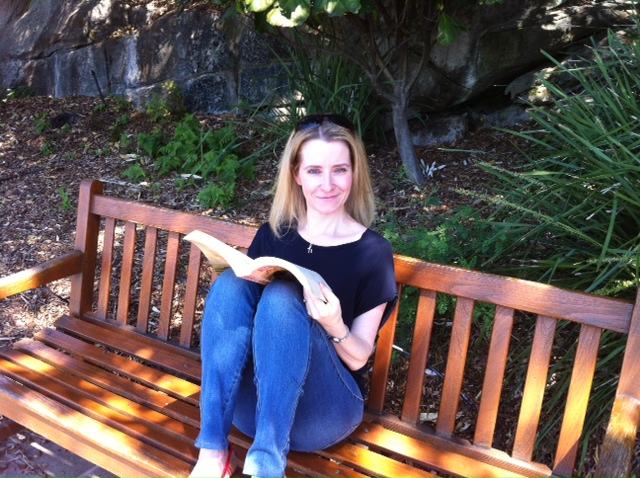
Author photo - Helen J Rolfe 1

Helen J Rolfe writes contemporary women’s fiction. She enjoys weaving stories about family, relationships, friendships, love, and characters who face challenges and fight to overcome them.

Born and raised in the UK, Helen spent fourteen years living in Australia before returning home. She now lives in Hertfordshire with her husband and children.

You can follow Helen on TwitterFacebook and on Goodreads

To help celebrate the launch of ‘What Rosie Found Next’ by Helen J Rolfe, here’s a giveaway for a £10 /$15 Amazon gift card

Good luck!

Between Here and Knitwear by Chrissie Gittins

between here and knitwear

I am incredibly grateful to Unthank Books for providing a copy of ‘Between Here and Knitwear’ by Chrissie Gittins in return for an honest review. ‘Between Here and Knitwear’ was published on 1st November 2015.

I have to be honest and say the title of this book did not appeal to me and had I not received a review copy, I probably wouldn’t have read it. What a mistake that would have been.

This little volume is described in the blurb as ‘linked stories, written over two decades’, but that hardly does justice to the quality of Chrissie Gittins’ writing. Each story or chapter could be read as a stand alone, but they make a wonderful coherent whole as we follow Chris from childhood to adulthood. They reminded me a little of a modern day ‘Cider With Rosie’ as they evoke such clear memories in the reader (especially if you’re a woman of a certain age like me!) and there is certainly more than a touch of Alan Bennett in the style. There is a sparseness of prose that somehow manages to convey a huge depth of feeling and emotion and frequently there is a wicked humour underlying Chrissie Gittins’ words. Small details bring her descriptions alive so that it is easy to picture a smelly railway carriage, to feel the change in the weather or smell the urine in a care home. I think it’s Chrissie Gittins’ experience of poetry writing that helps create such vivid imagery with such economy.

I felt that all of life was represented in ‘Between Here and Knitwear.’ The opening six chapters or so took me back completely to my childhood. I had the cardboard Bunty with the tabbed paper dresses that never stayed on. My sister had a collection of foreign dolls, my favourite being a Native American or Red Indian as we called it then. I also had a long haired troll. Reading these passages was like returning to my 60’s and 70’s childhood.

As the stories progress so too does Christine’s character so that by the end it is as if you’ve spend the afternoon reminiscing with a friend rather than reading a book. Chrissie Gittins’ ability to convey family relationships and growing up is outstanding. We learn all about Chris’s mother’s mental health problems, about Chris’s first sexual encounters, about her ‘sophistication’ in drinking Mateus Rose! However, the most poignant part for me was the transition from child to carer as her parents deteriorate and are separated into different care locations. I found this extremely moving and not a little scary as a possible future to come.

I think ‘Between Here and Knitwear’ is less a work of fiction than a touching and emotional reflection of real life. I absolutely loved it.

Everest: Mountain Without Mercy by Broughton Coburn

Everest

I am so grateful to Louise Rhind-Tutt of www.lrtpublicity.co.uk for a review copy of ‘Everest: Mountain Without Mercy’ by Broughton Coburn in return for an honest review. The book was reissued by National Geographic in August 2015.

Initially, in my ignorance at not understanding the background to the book, I wasn’t sure I’d enjoy a book that proclaims it is based on a film, but from the stunning cover photograph to the last word, I was gripped by this sumptuous retelling of the ill fated 1996 expedition.

What I found so fascinating is the depth of information given in such a readable and accessible style. There are historical references that bring the story of Everest alive as well as scientific, meteorologic and geographical details that ensure the reader has a brilliant understanding of what is faced by those tackling Everest’s treacherous slopes.

However, the most engaging aspects for me are the personal and human stories that underly the text. The descriptions of Seaborn ‘Beck’ Weathers’ injuries from frostbite, for example, made me wonder just how much the human body can endure. It is particularly poignant that he feels what he was searching for in tackling Everest, ‘home, health, family and friends’ he already had without appreciating it fully. There is real tragedy beneath the pages of ‘Everest: Mountain Without Mercy’.

If not a single word of text were read, this book is fantastic for the glorious photography alone, but it is again the human element that rivals the beauty of the images of Everest, fabulous as they are, and that holds the most interest for me. The stumps of Andy Henderson’s frostbitten fingers for instance and the intimacy of emotion etched on the face of Jamling as they set out on May 22nd will stay with me for a very long time.

If you’re a lover of history and geography, this is the book for you. If you love travel then ‘Everest: Mountain Without Mercy’ by Broughton Coburn will delight you, but most of all, if you long to understand what makes us human and humane and drives us to do what we do, then I cannot recommend it highly enough.

Tindog Tacloban by Claire Morley

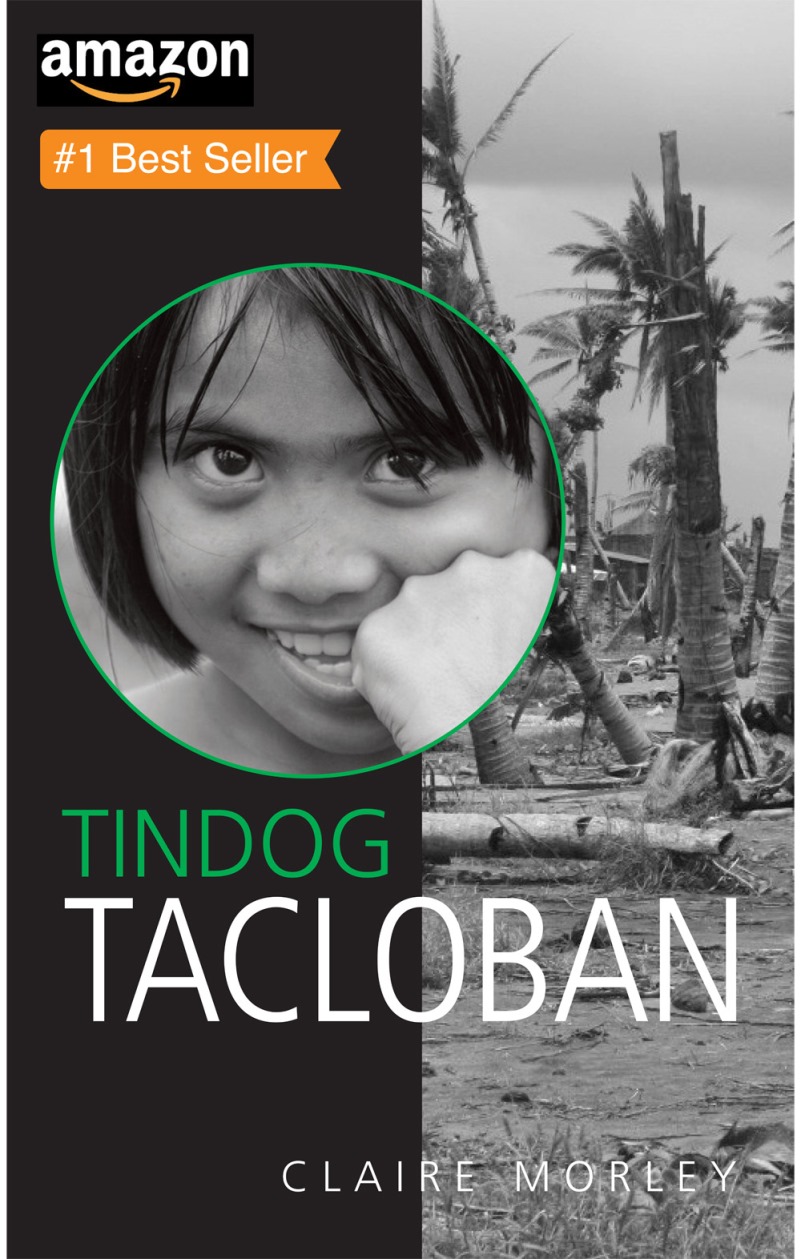
Tindog 3

Tindog 3

I ‘met’ Claire Morley via Book Connectors on Facebook and was amazed to hear the story of how Claire came to write ‘Tindog Tacloban’ and publish her story on 26th August 2015. On this Remembrance Sunday I can’t think of a more appropriate time to host this guest post in memory of those who’ve died.

Typhoon Haiyan, known locally as Yolanda, decimated parts of the Philippines on 8 November, 2013. Two years later, the people of Tacloban continue to rebuild their lives, many of them still living in tented cities with no electricity and no running water. Claire’s guest post is in memory of those who lost their lives and to remember those still rebuilding theirs.

All profits from the sales of Tindog Tacloban go to help the organisations Claire worked with while she volunteered in the Philippines.

You can help a brilliant cause by buying ‘Tindog Tacloban’ here in the UK and here in the US.

Here Claire tells us about her time volunteering and the inspiration behind ‘Tindog Tacloban’:

Thank you very much to Linda’s Book Bag for the opportunity of a guest post on your blog.

In the aftermath of the fiercest typhoon on record to hit land, banners bearing the words Tindog Tacloban started to appear all over the city. Meaning Rise Up Tacloban, they were a testament to the determination and resilience of the Filipino people as they tried to rebuild their shattered lives.

For many, things would never be the same:

Izel Sombilon watched in horror as two of his children were ripped from his arms and swept away by the huge storm waves

Eleven year old Lika Faye was plunged into the sordid underworld of Webcam Child Sex Tourism

For Helen Gable volunteering in the typhoon ravaged area was a chance for her to come to terms with her own personal tragedy.

In memory of those who lost their lives two years ago and remembering the survivors…

It is now two years since Typhoon Haiyan, known locally as Yolanda, created havoc on the island of Leyte in the Philippines. It was the early hours of 8 November, 2013 when she slammed full force into the city of Tacloban with loss of life into the thousands and destruction of homes, schools and livelihoods on a massive scale. It was the most powerful recorded typhoon to hit landfall. Winds gusted up to 315km (195 miles) an hour and were followed by three storm surges up to six metres high causing extensive flooding and destruction.

People may remember the pictures in the news of the ships washed onto the shore, there were seven of them in total and they wiped out a heavily populated coastal area. Most of them are still there, the inhabitants having built homes around them, usually out of the remains left behind. Due to the destruction of the airport and debris scattered far and wide, it took aid agencies several days to bring in any real relief, leaving people desperate, without food and water and often injured.

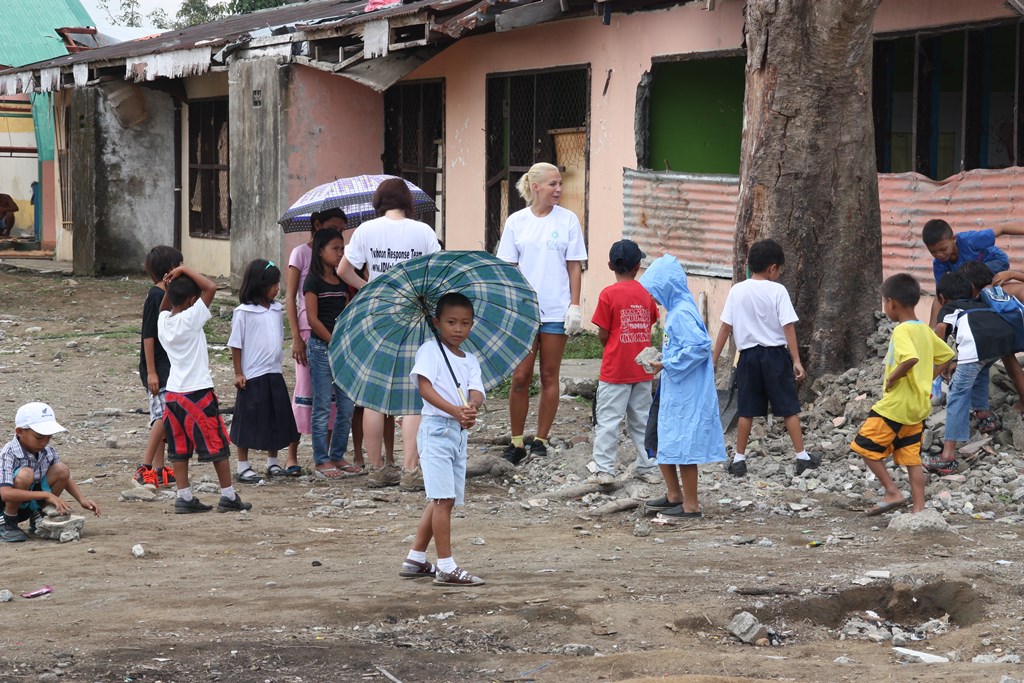
building around the ships

Four months after this devastating typhoon I set off from my home in North Cyprus for Tacloban. Despite the research I had undertaken, I was not prepared for the sights which greeted me…coconut trees ripped from the ground and lying prostrate or in the case of those still standing, their fronds tattered and shredded. On the drive from the airport, tented city after tented city lined the road, often surrounded by huge puddles from the continuous rains. Survivors reliant on relief aid, their homes and belongings ripped away by the force of Yolanda.

trees5

I spent a month volunteering, helping to rebuild schools, feed the children at lunch time – possibly providing the only hot meal they would eat that week and working alongside Filipinos to build houses. It was an amazing experience, humbling and strangely uplifting, as these people who had often lost everything, including family members, showed incredible resilience in rebuilding their lives. The name of my resulting book comes from the banners which were strewn everywhere, with the words Tindog Tacloban – Rise Up Tacloban.

While I was there I was fortunate enough to meet and interview many survivors, aid workers and fellow volunteers and it was their stories which inspired me to write a novel. They had given me their time and their stories. I had so much information and I felt I owed to them to try and raise awareness not only of the initial disaster of something like Yolanda, but also the lasting effects. It is now the second anniversary of this natural disaster and many families are still living in tented cities with no electricity or running water.

kids helping to clear debris

Many of the aid organisations in Tacloban ran workshops informing of different aspects surrounding a disaster and I attended one about human trafficking, it was there I learned of Webcam Child Sex Tourism and how prolific it is in the Philippines. I was absolutely horrified to learn that predators use the confusion of a disaster to recruit unwitting children into this form of the sex industry. I was hoping through fiction, to bring these issues to the notice of people and at the same time raise funds for the organisations I was involved with during my time volunteering.

Tindog Tacloban tackles some difficult subjects and at times it isn’t an easy read, but it’s not supposed to be, for these are very real issues. I have tried to refrain from being gratuitous in my descriptions, preferring to leave it to the reader’s imagination what life would be like as a child working as a sex slave. To try and write realistically about something so horrific, I was in touch with the aid organisation Terre des Hommes, who kindly supplied me with copies of their reports regarding this phenomenon, which is far more widespread than we would like to believe.

Claire at Sagkahan School Tacloban small

The individuals in the novel were drawn from the people I met and are a mashup of different characters and their different experiences of the typhoon and Helen, while not autobiographical, does share a number of characteristics with me, although I did not meet a dashing Dutch relief worker when I was there!

I hope TIndog Tacloban makes people think, maybe cause them to take some action whether that’s to help raise awareness of the issues or possibly think about volunteering themselves. It was an incredible experience and one which will remain with me always.

Author small

Follow Claire on Twitter and on  Facebook

You can watch the television interview with Claire about how Tindog Tacloban came about here.