Discussing Open House: A Life in Thirty-Two Moves with Jane Christmas

My enormous thanks to Rhoda Hardie for inviting me to participate in the blog tour for Open House: A Life in Thirty-Two Moves by Jane Christmas and for sending me a copy of the book which I am very much looking forward to reading. Rhoda managed to arrange for Jane and I to stay in together today!

Staying in with Jane Christmas

Welcome to Linda’s Book Bag Jane and thank you for agreeing to stay in with me.

I’m delighted to stay in with you, Linda. Thanks for inviting me.

Tell me, which of your books have you brought along to share this evening and why have you chosen it?

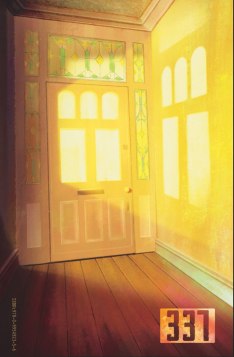
Well, it seems appropriate, since we’ve all been confined to barracks so to speak, to talk about my new book Open House: A Life in Thirty-Two Moves, which was released Nov. 12 in the UK.

Oh! A belated happy publication day Jane. What can we expect from an evening in with Open House: A Life in Thirty-Two Moves?

Open House is a memoir, and it’s about houses, specifically the houses I’ve lived in throughout my life. I adore houses: I love buying them, fixing them up, selling them, and upping sticks again. I’m quite the Rightmove addict, and I believe I am not alone in my fascination with houses. Property programs on TV are also another source of intrigue for me: Sometimes it’s not about the house per se but about seeing the transformation in the owners, or the prospective home buyers. Everyone has an idea of what they think they want in a home, but oftentimes that idea does not end up being what ultimately pulls at their heart strings.

Oh I couldn’t agree more. I love house programmes, even if I have only moved once in 35 years!

Open House opens up with me trying to figure out how to tell my husband, Colin, a man who hates moving and who does not share my passion for homes, that we have to move. We had bought a lovely home in the seaside town of Brixham—it was a former fisherman’s cottage with four large bedrooms, two bathrooms, lots of white-washed beams and sisal carpeting. It was gorgeous. I left so lucky to live there. But after a few years the few factors I had overlooked about the house—its proximity to the centre of town, the long flight of stairs leading up to the garden, and the vicious seagulls—got to me. We had to move. On the plus side we had lovely neighbours, the house itself was amazing, and we were close to the harbour and the south Devon coastline, so moving away from that was quite a wrench.

That makes me smile Jane. I told my husband we were moving with no discussion at all!

We ended up buying a rundown house in Bristol that neither of us particularly loved but that we could afford. It was during the renovation of that house that I began to count up the number of times I had moved and renovated, and I was shocked by all those 32 moves. So as I set about scraping wood chip wallpaper from the walls I started to reminisce about each house, asking myself what I remembered of it, and why I had moved from it. When I was young, the reasons we moved often was down to my mother: she loved houses and loved renovating. Bear in mind that this was the early 1960s when no one was renovating homes!  I hated our frequent house moves and vowed to never buy old houses and renovate them. But when I grew up that is exactly what I’ve done. I’m afraid the apple does not fall far from the tree!

Evidently not!

So Open House is a sort of meditation on the houses I’ve called home, and on the factors that causes us to move from one place to another. Along the way, especially with 32 moves, you’re bound to lose something, and for me that loss was some friendships and stability. The book is both funny and serious: one reviewer called it an insightful, rollicking read full of plaster dust and screaming seagulls. But I also think it allows readers to plumb their own memories of where they’ve lived, why they moved, how life might have been different had they stayed put.

Open House sounds brilliant Jane. I love the concept of memories and what is gained and lost. When we moved to our present house I had just had my tonsils out as an adult. I came round on the ward to find my husband sitting next to the bed. Instead of asking me how I was feeling he said, ‘Sign this. We’re moving on Friday’ and then got another husband visiting his wife to witness the signatures for us!

Our Bristol house took time to settle into, we were very much grumpy owners, but as things took shape and the wood-burner got lit we warmed to the house, and we’re proud of what we did on it.

I’d have loved a sneaky look round Jane! Too bad lockdown is in place! What else have you brought along and why?

As a fan of property shows I have invited along Kirstie Allsopp and Phil Spencer. I think they’re hilarious, and there was a time when I contacted their program and asked for their help. They got back to me just as we bought our Bristol home, but I often wish I had had their insight and assistance.

Is this the time to confess I’m a little bit in love with Phil Spencer…?

In addition to Kirstie and Phil, I’m inviting my mother, who’s been dead for about seven years but whose voice (not always welcome) is ever-present whenever I face renovating or décor decisions. In those moments when I’m stumped, I’ll ask the ether “Mom, what would you do?”

Ha! That’s mothers for you Jane. Mine’s still with us and very free with her advice too. I wish I had £1 for every time I’ve heard the words ‘Why don’t you…’.

I’d have a few bottle of champagne and some nibbles, perhaps have a little jazz music playing in the background while we all sit around a chat about homes and what we love about them.

That sounds like a perfect evening to me Jane. Thanks so much for chatting with me all about Open House: A Life in Thirty-Two Moves. Later, I’ll tell you that the people who lived in our house prior to us left such a trail of unpaid bills that within a couple of days of moving in we’d had a court summons for non-payment of rates and Moben kitchens rang to say they were going to remove our kitchen because it hadn’t been paid for! It’s a long story… You pour us a glass of champagne and I’ll just give blog readers all the important information about Open House: A Life in Thirty-Two Moves and then I’ll tell you more. 

Open House: A Life in Thirty-Two Moves

Moving house has never flustered author Jane Christmas. She loves houses: viewing them, negotiating their price, dreaming up interior plans, hiring tradespeople to do the work and overseeing renovations. She loves houses so much that she’s moved thirty-two times.

There are good reasons for her latest house move, but after viewing sixty homes, Jane and her husband succumb to the emotional fatigue of an overheated English housing market and buy a wreck in the town of Bristol that is overpriced, will require more money to renovate than they have and that neither of them particularly like.

As Jane’s nightmare renovation begins, her mind returns to the Canadian homes where she grew up with parents who moved and renovated constantly around the Toronto area. Suddenly, the protective seal is blown off Jane’s memory of a strict and peripatetic childhood and its ancillary damage—lost friends, divorces, suicide attempts—and the past threatens to shake the foundations of her marriage. This latest renovation dredges a deeper current of memory, causing Jane to question whether in renovating a house she is in fact attempting to renovate her past.

With humour and irreverence, Open House reveals that what we think we gain by constantly moving house actually obscures the precious and vital parts of our lives that we leave behind.

This is a memoir that will appeal to anyone whose pulse quickens at the mere mention of real estate.

Open House: A Life in Thirty-Two Moves is available for purchase in all the usual places, including here.

About Jane Christmas

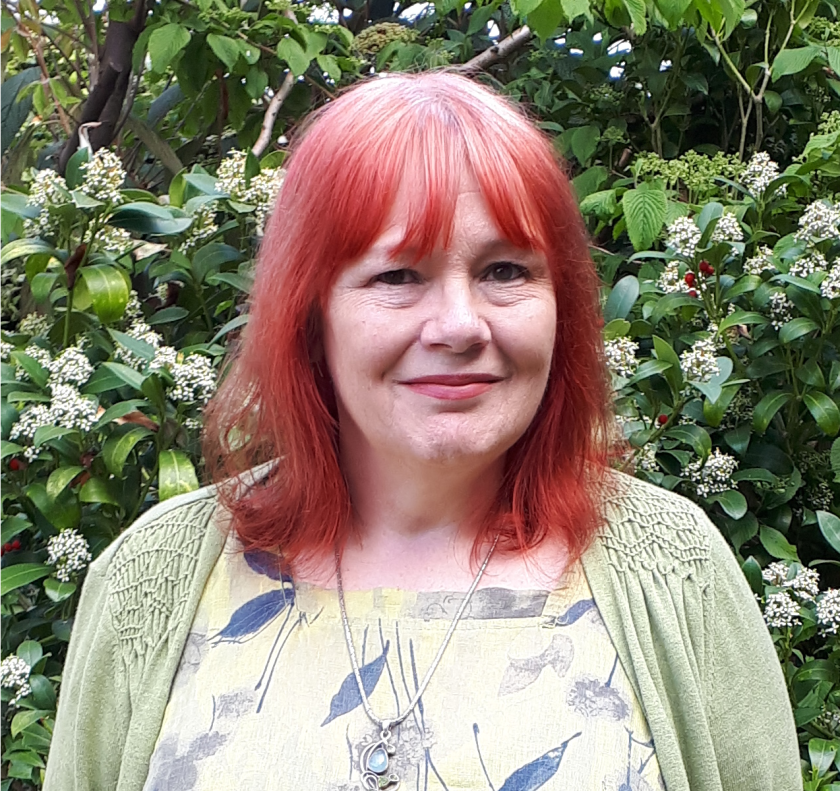
Jane Christmas is the author of several bestselling books, including Incontinent on the Continent and And Then There Were Nuns. Born and raised
in Toronto, Jane moved to the UK in 2012. She has lived in Walthamstow, Brixham and Longwell Green, and now lives in Bristol with her husband.

You can find out more by visiting Janes website. You’ll also find Jane on Facebook and Instagram.

There’s more with these other bloggers too:

My Perfect Christmas: A Guest Post by Fiona Ford, Author of A Christmas Wedding

It’s a year to the day that I stayed in with lovely Fiona Ford to chat all about Christmas at Liberty’s in a post you can read here. Prior to that post, when The Spark Girl was released, Fiona provided a wonderful piece on why she is attracted to the past as a writer. You’ll find that post here. It gives me enormous pleasure today to welcome Fiona back to tell us all about her perfect Christmas as we celebrate her latest book, A Christmas Wedding.

Published by Penguin imprint Arrow on 12th November 2020, A Christmas Wedding is available for purchase through the links here.

A Christmas Wedding

London, 1943: Dot Hanson has never forgotten the thrill of seeing the beautiful Christmas displays at Liberty’s department store as a young girl.

Never in her wildest dreams did she think she would one day work there, or that she would fall in love with the store’s manager, her childhood sweetheart Edwin Button.

But in spite of the life Dot has built for herself, and the tight-knit community around her, she lives in the shadow of a terrible secret. And as the bombs continue to fall across Britain there is more heartache still to come.

All Dot wants is a family of her own with the man she loves by her side.

Will her dreams come true in time for Christmas?

My Perfect Christmas

A Guest Post by Fiona Ford

Usually I say my perfect Christmas is a day off. And by that I mean a proper day off, where I see  and speak to nobody and have the entire day to myself doing exactly what I want.  Every year at about this time, I say to my husband, ‘I don’t want a present. All I want is a day where I sit on my backside, stuff myself silly with my favourite food and watch endless reruns of Only Fools and Horses.’ Naturally he never listens, and so on Christmas morning I usually open presents containing some lovely pyjamas which I fantasise about clambering into immediately but never do. And then I get on with the franticness of the day, juggling food, family and social obligation – all thoughts of Del Boy and Rodney firmly out the window.

It won’t surprise you to know that I’ve never had that fantasy Christmas, but this year, with things the way they are it looks like as if I might. And guess what, I really don’t want it. This year, I don’t want quiet and a rest. I want all the noisiness, mess, and exhaustion the day can bring. For a start, I’d have all of my wonderful friends around for dinner. We’d drink several glasses of fizz and put the world to rights (it’s possible given the events of 2020 that nothing else would get done, but this is fantasy).

Then there’s my family. I would love to have all of them at the dining table, even the ones I can’t stand (you know who you are). I’d like to argue with my mother about just how crispy the perfect Christmas spud should be and then play cribbage with my dad, who loves the game but never, ever finds anyone to play with him. I’d watch my nieces scream with excitement as they unwrap their gifts (they’re too old for Santa now and fully understand that Bank of Family pays for their haul) then, after lunch, I’d sit down with my now deceased grandfather and listen to him tell me stories of the war that would no doubt inspire yet another saga. After that, I’d share a glass of sherry with my grandmother that died a year before I was born and spend some time actually getting to know her. Before the day was out, I would also share a moment with my husband that wasn’t harried or frantic, but calm and loving as we give thanks for the gifts of family and friends around us. Because really, if there’s one thing that 2020 has taught us all, it’s that at Christmas time, and in fact at any time, it’s family, friends and love that really matter. And so this Christmas, as I finally get my festive fantasy wish and sit on my backside, watching those Only Fools and Horse’s reruns, I’ll no doubt be thinking that next Christmas, I will be very careful about what I wish for.

*

Wise words indeed Fiona. I think this Christmas more than ever we need to celebrate those we love and those we’ve lost.

About Fiona Ford

fiona1

As a child, Fiona’s mother used to joke that wherever there was a book, Fiona wouldn’t be far behind. With a passion for reading from practically the moment she was born, it was inevitable Fiona would become a writer. Sure enough after studying English Literature at university, Fiona became a local and national journalist before making her move to books where she began ghost writing fiction for celebrities (too famous to name, of course). One day, some bright spark suggested she write her own stories rather than those of celebs and suddenly an idea was born.

Now, Fiona’s passion for writing currently sees her penning the World War 2 Liberty Girls series for Arrow. She also writes contemporary women’s fiction for Aria under the name Abby Williams.

She lives in Berkshire with her husband, two cats and has an unhealthy attitude towards exercise and chocolate – believing one must surely cancel out the other.

Find out more about Fiona by following her on Twitter @fionajourno, finding her on Facebook or visiting her website.

There’s more with these other bloggers too:

Magpie Lane by Lucy Atkins

With The Night Visitor by Lucy Atkins (reviewed here) one of my books of the year in 2017, I was thrilled when a surprise copy of Magpie Lane arrived earlier this year. My enormous thanks to Ella Patel at Quercus for sending me a copy of Magpie Lane in return for an honest review.

Available from Quercus now in e-book, hardback and audio, Magpie Lane will be published in paperback on 29th April 2021 and is available through the links here.

Magpie Lane

When the eight-year-old daughter of an Oxford College Master vanishes in the middle of the night, police turn to the Scottish nanny, Dee, for answers.

As Dee looks back over her time in the Master’s Lodging – an eerie and ancient house – a picture of a high achieving but dysfunctional family emerges: Nick, the fiercely intelligent and powerful father; his beautiful Danish wife Mariah, pregnant with their child; and the lost little girl, Felicity, almost mute, seeing ghosts, grieving her dead mother.

But is Dee telling the whole story? Is her growing friendship with the eccentric house historian, Linklater, any cause for concern? And most of all, why is Felicity silent?

Roaming Oxford’s secret passages and hidden graveyards, Magpie Lane explores the true meaning of family – and what it is to be denied one.

My review of Magpie Lane

Felicity is missing.

What a fabulous book Magpie Lane is. It starts innocuously enough, in spite of the fact a child is missing, and gradually builds until the reader is thoroughly ensnared. Lucy Atkins’ writing is exquisite. Aside from her wonderful style that captures Dee’s narrative persona and voice with razor sharp clarity, she plots with such finesse that although I had my suspicions about what might occur, or how the story might be resolved, I was kept mesmerised and thoroughly entertained. The skill with which the story is told through a single interview with the police and yet covers Dee’s entire life and, indeed, some 600 years of Oxford’s history within the time limitations is just brilliant. I thought the literary references, alongside the geographical and historical aspects of the Oxford setting gave a texture and depth that was perfect. Add in the variety of dialogue, paragraph and sentence structure and I loved reading Magpie Lane.

What appealed to me most, I think, was the level of psychology underpinning plot and character so that those elements bordering the supernatural are completely believable, and even those explained by more mundane reasoning leave the reader feeling unsettled and wondering. I felt Lucy Atkins achieved what might be called a modern Shakespearean atmosphere that was simply stunning. The plot hinges entirely on the behaviours of characters arising from understandable and devastating events they have experienced so that the reader feels as if they have lived them alongside the people in the book. Even Oxford itself has an utterly convincing part to play. In Magpie Lane I was led down Oxford’s alleyways, visited its graveyards and pubs and experienced vividly its traditions and prejudices.

Dee is a triumph. Her ability to manipulate, to care, to garner both empathy and sympathy from readers is astonishing. On occasion her actions or her selective truths should have made me morally outraged, but I wanted her to triumph against Nick, against the establishment, against the police and against her past. Although Dee is the somewhat unreliable narrator, all the characters feel vivid, flawed and hypnotic. I loathed Nick with a passion and constantly had a feeling of Old Nick, or the devil, lurking in a sinister manner every time he was present in the story. Indeed, reading Magpie Lane had a curious effect on me as a reader, as I felt almost no empathy towards Mariah whom I felt should have had my sympathy given her struggle with motherhood and her marriage. Lucy Atkins’ writing made respond in a manner that felt wrong morally but absolutely befitting the narrative so that I had to question my own beliefs and attitudes. It’s difficult to articulate further without revealing too much plot but Magpie Lane is a book that gets under the skin of the reader…

Thematically, Magpie Lane triumphs further. There’s tradition and education, family and loss, guilt and mental illness, fulfilment and the supernatural, history, friendship and love, making for a layered and evocative read. I have a feeling that if I were to reread Magpie Lane I’d find so much that I may have missed the first time around. Not a word feels superfluous or discordant.

Magpie Lane is one of those books that the reader begins feeling they will fly through it and it might be quite ordinary. It takes little time to realise that this is a book to savour, to immerse yourself in and to enjoy completely because it is curiously hypnotic. I thought it was brilliant.

About Lucy Atkins

lucy atkins

Lucy Atkins is an award-winning author, feature journalist and Sunday Times book critic. She has written for newspapers including the GuardianThe Times, the Sunday Times and the Telegraph as well as many UK magazines. She teaches on the Masters in Creative Writing at Oxford University.

You can follow Lucy on Twitter @lucyatkins and visit her website.

Visiting Paranormal Warwickshire with S. C. Skillman

Now we’re back in lockdown for a second time, what could be better than a bit of vicarious travel? I’m delighted to be visiting Paranormal Warwickshire with S. C. Skillman and have a feeling that when lockdown is lifted we’ll be packing up our motorhome and heading off there for real. Let’s find out more as Sheila explains what it is about Warwickshire that led her to writing Paranormal Warwickshire in a super guest post.

Paranormal Warwickshire will be released by Amberley Publishing on 15th November 2020 and is available for pre-order from Sheila’s local bookshop Kenilworth Books, and in all the usual places like Waterstones as well as directly from the publisher.

Paranormal Warwickshire

Warwickshire is a county steeped in the supernatural, as befits the county of Shakespeare and the many ghosts and spirits that he conjured up in his works. The towns and villages of Warwickshire, its castles, houses, churches, theatres, inns and many other places both grand and everyday have rich and complex stories to tell of paranormal presences. In this book author S. C. Skillman investigates the rich supernatural heritage of this county at the heart of England in places such as Guy’s Cliffe House, the Saxon Mill, Kenilworth Castle, Warwick Castle, St Mary’s Church in Warwick, Nash’s House and the Royal Shakespeare Theatre in Stratford-upon-Avon, and Stoneleigh Abbey, as well as in the towns of Rugby, Nuneaton and Leamington Spa. She explores the spiritual resonance of each location, recounting the tales of paranormal activity associated with it and examining the reasons for this within the history of the place.

Paranormal Warwickshire takes the reader into the world of ghosts and spirits in the county, following their footsteps into the unknown. These tales of haunted places, supernatural happenings and shadowy presences will delight the ghost hunters, and fascinate and intrigue everybody who knows Warwickshire.

Why Warwickshire?

A Guest Post by S. C. Skillman

Warwickshire is a county steeped in the supernatural, as befits the county of Shakespeare and the many ghosts and spirits that he conjured up in his works.

The towns and villages of Warwickshire, its castles, houses, churches, theatres, inns and many other places both grand and everyday have rich and complex stories to tell of paranormal presences.

In this book I investigate stories at places such as Guy’s Cliffe, the Saxon Mill, Warwick Castle and St Mary’s Church, Warwick; Kenilworth Castle and Stoneleigh Abbey; Nash’s House and the Royal Shakespeare Theatre in Stratford-upon-Avon, as well as in the towns of Rugby, Nuneaton and Leamington Spa.

I explore the spiritual resonance of each location, recounting the tales of paranormal activity associated with it and examining the reasons for this within the history of the place.

Born and brought up in Kent, I came to Warwickshire to settle here with my family over twenty-four years ago. The seeds of this book were sown after I visited many historic properties in Shakespeare’s county, which are rich with stories and have a strong atmosphere.  I began to write about them on my own blog, in my occasional series Places of Inspiration. Out of those blog posts, my book emerged. Encouraged by a fellow author, I originally called it Spirit of Warwickshire. When I submitted my proposal to history publisher Amberley Publishing, they were interested in the book but wanted it to fit into their paranormal series.  I hadn’t previously focused on ghost stories but was more than happy to do so, as I am a long-time lover of the paranormal, both in fiction and non-fiction.

As I researched the curious anecdotes that surround many of the properties, and discovered some new stories, I became more and more intrigued. I joined a few ghost tours and town history tours – specifically in Rugby, Leamington Spa, Warwick and Stratford-upon-Avon – and found several colourful raconteurs. There’s no doubt that paranormal tales tend to attract the most quirky, lively and humorous people!  I thoroughly enjoyed my research – not least, afternoon tea at haunted properties like the tea rooms in Thomas Oken’s House, Warwick, and the magnificent gothic manor at Ettington Park, Stratford-upon-Avon.

Everyday places feature in this book as well – railway stations, shops, pubs, houses. I recount stories told by people in their working environment or in their own homes.  I particularly value the new stories I was able to gather; I’d love to do more of this in the future, going around with my audio recorder and interviewing people. I feel very privileged when people trust me enough to recount their tales – tales which they may be sharing for the first time.

As this is Shakespeare’s county, the Bard played his part too.  I decided to use the theme of Shakespeare’s Ghosts and Spirits, and I loved including relevant quotes throughout my book.  I was amazed at how easy it was to find quotes that enriched or threw into sharp relief my own feelings about the place in question.  Shakespeare had something to say on so many aspects of the human condition; and he covered such a wide emotional and psychological range.

I hope you will enjoy reading the stories as much as I enjoyed researching them!

I’m sure we will Sheila. Thanks so much for taking us into Warwickshire!

It’s a pleasure to be here, Linda.

About S. C. Skillman

Sheila lives in Warwickshire, and writes psychological, paranormal and mystery fiction and non-fiction. She is a member of the Society of Authors and the Association of Christian Writers.

She began her publishing journey with a duology of novels Mystical Circles and A Passionate Spirit. This was followed by a non-fiction book Perilous Path: a writer’s journey. Sheila is currently working on the second novel in a new gothic fiction series.

She posts twice weekly on her blog and she also gives author talks to local groups.

Sheila was born and brought up in Orpington, Kent, and studied English Literature at Lancaster University. Her first permanent job was as a production secretary with the BBC. Later she lived for nearly five years in Australia before returning to the UK.

She has now settled in Warwick with her husband and son, and her daughter is studying at university in Australia.

As well as finding more on Sheila’s excellent blog, you can follow her on Twitter @scskillman and find her on Facebook, Instagram and Pinterest.

Staying in with Lev Parikian

Earlier this year I was delighted to review Into The Tangled Bank by Lev Parikian in a post you can read here. Given how entertaining a read that was, I simply had to invite Lev onto Linda’s Book Bag to tell me all about his latest book and I’m thrilled that he agreed to stay in with me today.

Staying in with Lev Parikian

Welcome to Linda’s Book Bag, Lev. Thank you for agreeing to stay in with me. I’m very excited that you’re here. Tell me, which of your books have you brought along to share this evening and why have you chosen it?

I’ve brought Music To Eat Cake By, a collection of forty essays on subjects given to me by readers. Without wishing to blow my own trumpet, I think it’s a completely original idea, taking my publisher Unbound’s crowdfunding model to its logical conclusion – as well as going to the people for support to get the book published, I went to them for ideas for the book. And I’ve chosen it because… well, it’s published on 12th November for one thing, but also I reckon it’s a light-hearted bit of relief from, you know, All The Everything.

Oo. Happy publication day for tomorrow Lev. Given what I know of your writing, and with a copy of Music To Eat Cake By on my TBR, I have a feeling we’re in for considerable entertainment, so tell me, what can we expect from an evening in with Music To Eat Cake By?

I hesitate to use the word pot-pourri, but it’s out there now, so it’s too late. To give you an idea, here are the titles of some of the essays: The Language of Swallows, Melancholy, The Art of the Sandwich, Growing Old, Pedants and Pedantry, Elephants, Second Chances, The Bassoons in my Life, and of course the book’s title, Music to Eat Cake By.

Er – not the usual range of subjects there Lev!

The variety of subjects given to me means it’s suited to dipping in and out as well as to a more concerted approach. And I like to think there’s something in it for everyone.

You’re absolutely right. There is. And, having been doing a bit of that dipping in to Music To Eat Cake By already, to mis-quote one of your sections I would say I do know why I love your writing – it’s so filled to the brim with warmth humanity and humour. I know I’m going to love reading it all. How on Earth did you come up with response to the subjects you were given?

Part of the fun of the challenge was seeing the subjects people chose for me. Some asked me to write about things they knew I liked (music, birds, cricket); others were more sadistic (‘1+1=Bullfinch’ caused me a few headaches); and one (‘The Intrinsic Link Between Chocolate, The Wombles and Musical Theatre in Post-millennial Britain’) was just plain weird.

Ha! I was glad that topic caused you to elucubrate (even if I wouldn’t have known what that was if you hadn’t given the footnote)!

The result was described by the lovely Lissa Evans (Old Baggage, Crooked Heart, ‘V’ for Victory), as ‘delightfully eccentric’.

Lissa has described it perfectly. Given the underpinning humour and not a little mischievousness with which you write Lev, I’m slightly anxious about asking this question, but what else have you brought along and why have you brought it?

I have brought a bowl of borscht (as featured in the essay Soup), a cold roast lamb and redcurrant jelly sandwich (from The Art of the Sandwich), and a moist slice of chocolate cake (from the book’s title essay Music To Eat Cake By).

I love all those foods Lev. You can come back again if you’re going to bring food I like!

We’ll be eating it to the strains of Sibelius’s Fifth Symphony (Sibelius’ and ‘The Bassoons in my Life) while trying not to spill our glass of wine (Red-wine Stains) or succumb to hiccups (How Not To Cure Hiccups at Midnight on Ryde Esplanade).

I think you get the idea…

I think we do! I love what I’ve read so far of Music to Eat Cake By and I’d like to thank you so much for being here today to give us a glimpse into what we can expect!

Music to Eat Cake By

Today’s reader has choices: books about love, about life, about death – and everything in between. The variety is overwhelming, bewildering.

But what if the reader could play a part in producing something different, something about everything, about nothing, about everything and nothing at the same time? What if the reader could tell the writer what to write about?

Lev Parikian asked his readers those very questions, gathered their responses and then set out to write that book. Music to Eat Cake By is the result, a collection of essays exploring everything from the art of the sandwich and space travel to how not to cure hiccups and, of course, his beloved birdsong. Lev considers each subject with his signature wit and warmth, inviting the reader to wonder: what might we ask him to write about next?

Published by Unbound, tomorrow 12th November 2020, Music to Eat Cake By is available for purchase through the links here.

About Lev Parikian

lev

Lev Parikian is a writer, birdwatcher and conductor. His book Why Do Birds Suddenly Disappear? was published by Unbound in 2018. He lives in West London with his family, who are getting used to his increasing enthusiasm for nature. As a birdwatcher, his most prized sightings are a golden oriole in the Alpujarras and a black redstart at Dungeness Power Station.

For more information, follow Lev on Twitter @LevParikian or visit his website. You’ll also find him on Facebook and Instagram.
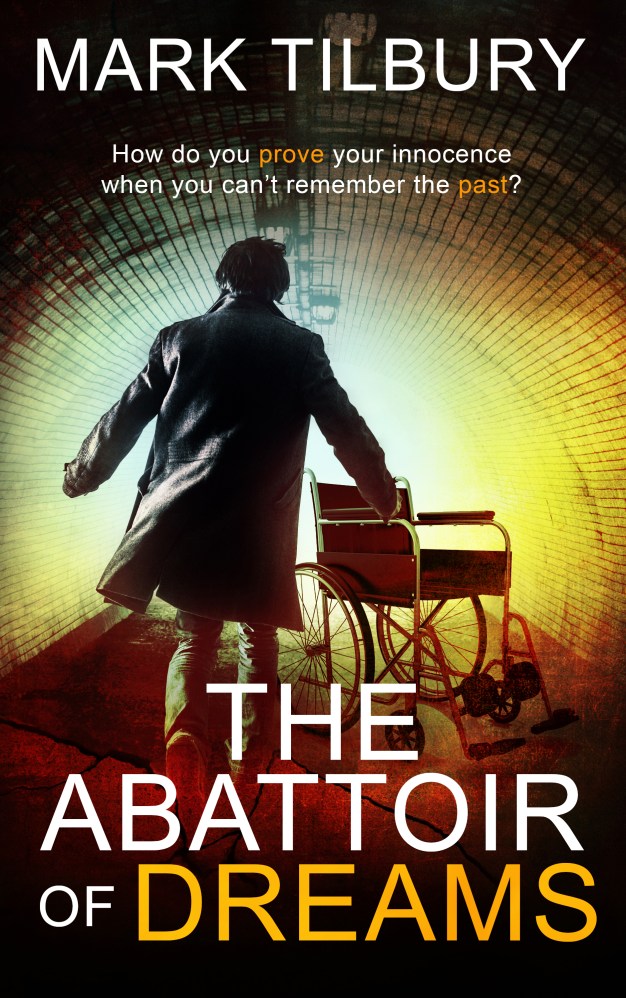
Reblog: You Belong To Me by Mark Tilbury

In five years of blogging and almost 2,500 posts I’ve almost never posted a reblog, but 2020 is an unusual year! I’m delighted to be helping Mark Tilbury with the relaunch of his book You Belong To Me by sharing my review for a second time.

You Belong To Me is out today, 10th November 2020 and is available for purchase here.

You Belong To Me

My Review of You Belong To Me

When school girl Cassie Rafferty goes missing it looks as if the past is going to catch up with the present.

Oh my goodness. I can’t honestly say I enjoyed Mark Tilbury’s You Belong To Me because it made me feel very disturbed and uncomfortable, but my goodness it’s a powerful read.

It’s tricky to say too much about the plot without spoiling the reading experience for others, but the three part structure works so well, especially with the theme of retribution and Keiran’s religious beliefs weaving through so that I kept thinking of the holy trinity and ethics in general. I found the middle section, dealing with the boys in the past, brutal and savage because of the realistic dialogue and the escalating violence of Calum. It was so effectively written that I had to keep giving myself a breather as I read to recover. I loved the way the narrative was resolved at the end.

What made me so disquieted about reading You Belong To Me was the way it made me question my own morality. Danny’s desire to outwit his evil brother Calum steps beyond what might be called acceptable behaviour, but I was with him all the way. I felt almost complicit in his actions and that didn’t make for an easy feeling. Mark Tilbury has an incredible knack of getting inside the very soul of a character, especially one like Calum, and making the reader understand them entirely. I found myself contemplating whether humans have the capacity to be born evil or whether Calum was simply incredibly ill. I’m not sure I know the answer even after reading You Belong To Me and I still don’t know if I would have gone along with Danny and the others.

As well as my helpless fascination with the character of Calum, I thought the four younger boys, Danny, Rob, Josh and Keiran were entirely realistic too. Their naive boasting, their bravado and the way in which they are affected by events seemed utterly believable and actually, terribly sad. Although I didn’t always like some of their language and attitudes, I have taught enough youngsters from challenging backgrounds to appreciate just how accurate a picture these parts of the narrative are.

You Belong To Me isn’t a book I will forget in a hurry and I’m beginning to find that this is characteristic of Mark Tilbury’s writing. He has the capacity to present the most barbarous actions utterly convincingly and to make the reader wonder ‘What if?’. I find this compelling and terrifying in equal measure. What a read!

About Mark Tilbury

mark tilbury

Mark lives in a small village in the lovely county of Cumbria, although his books are set in Oxfordshire where he was born and raised.

After being widowed and raising his two daughters, Mark finally took the plunge and self-published two books on Amazon, The Revelation Room and The Eyes of the Accused.

He’s always had a keen interest in writing, and having had seven books published by an indie publisher, has decided to return to self publishing. After successfully publishing The Last One To See Her, A Prayer For The Broken followed in October 2020.

When he’s not writing, Mark can be found playing guitar, reading and walking.

You can follow Mark on Twitter @MTilburyAuthor, visit his website and find him on Facebook.

There’s more with these other bloggers too:

Lessons from the Past: A Guest Post by Adena Bernstein Astrowsky, Author of Living Among the Dead

Last year I fulfilled a life long ambition to visit Auschwitz which I found a haunting and moving experience. I have been fascinated by the events of the Holocaust for fifty years and with November 9th the anniversary of Kristallnacht (the night of the broken glass), what better day to host a guest post from Adena Bernstein Astrowsky, author of Living Among the Dead, My Grandmother’s Survival Story of Love and Strength? Adena is telling us what her purpose is in her books.

Released by Amsterdam Publishers on 29th February 2020, Living Among the Dead is available for purchase through the links here.

Living Among the Dead, My Grandmother’s Survival Story of Love and Strength

This is the story of one remarkable young woman’s unimaginable journey through the rise of the Nazi regime, the Second World War, and the aftermath. Mania Lichtenstein’s dramatic story of survival is narrated by her granddaughter and her memories are interwoven with beautiful passages of poetry and personal reflection. Holocaust survivor Mania Lichtenstein used writing as a medium to deal with the traumatic effects of the war.

Many Jews did not die in concentration camps, but were murdered in their lifelong communities, slaughtered by mass killing units, and then buried in pits. As a young girl, Mania witnessed the horrors while doing everything within her power to subsist. She lived in Włodzimierz, north of Lvov (Ukraine), was interned for three years in the labor camp nearby, managed to escape and hid in the forests until the end of the war.

Although she was the sole survivor of her family, Mania went on to rebuild a new life in the United States, with a new language and new customs, always carrying with her the losses of her family and her memories.

Seventy-five years after liberation, we are still witnessing acts of cruelty born out of hatred and discrimination. Living among the Dead reminds us of the beautiful communities that existed before WWII, the lives lost and those that lived on, and the importance to never forget these stories so that history does not repeat itself.

Lessons from the Past

A Guest Post by Adena Bernstein Astrowsky

Nearly seventy-five years after liberation, we are still witnessing acts of cruelty born out of hatred and discrimination. My message in Living among the Dead is to remind people of the beautiful communities that existed before World War II, the lives lost and those that lived on, and the importance to never forget these stories so that history does not repeat itself. Like most members of my generation, born three decades after the end of World War II, I came to my own story with almost no real understanding of the plight of Jews in the Holocaust, much less that of my own grandmother. With no real, personal connection to the Holocaust, I think it is unrealistic to expect others to have much more than a brief, general understanding of the genocide that occurred. Additionally, as time goes on, this will be even less so because as we get further away from World War II, and fewer Survivors living, we will have less and less memoirs dedicated to detailing their stories of survival in the first person. As such, we will become more dependent on others to write these non-fiction books. Likely, more second and third generation survivors will need to take over the task of learning the Survivor’s history, researching the historical context, and writing their story. Doing so will be imperative in order to keep their stories alive and help future generations by learning what is at stake if we don’t stand up against discrimination.

Hatred and bigotry led to the worst genocide in world history. While there are so many lessons to be learned from the Holocaust, such as empathy, tolerance, and universal acceptance, we are instead facing an uptick in antisemitism. Jews are being targeted and antisemitism is as real today as it was during World War II. As we get farther and farther removed from the Holocaust, trying to apply the lessons of the past when facing the issues of today will become a major challenge. We need a constant reminder of what unchecked hatred can lead to. That is why testimonials and stories such as my grandmother’s are so important today. They speak of hope, resilience, love, and determination.

*

Given recent events across Europe Adena, I fear you may well be right. What we need now in the world is peace, understanding and tolerance. Thank you for sharing these thoughts with us.

About Adena Bernstein Astrowsky

Adena Astrowsky has dedicated her career to helping the most vulnerable of our society. She did this by prosecuting child sexual abuse cases and domestic violence cases within the Maricopa County Attorney’s Office. She became Maricopa County’s expert concerning the prosecution of domestic violence related strangulation cases and taught extensively on that subject. Adena taught Sunday School at her temple for eight years, with the last two years co-teaching “Character Development Through the Studies of the Holocaust.”

Once a month Adena volunteers at the local Scottsdale library with her therapy dog, Charlie, as part of the Tail Waggin’ Tales Program. Adena has also chaired events to raise money for the Emily Center of Phoenix Children’s Hospital. Recently, Adena was recognized for her professional and philanthropic work with an Amazing Woman Award from the Phoenix Suns and National Bank of Arizona.

Adena’s greatest role, however, is as the mother of three very active children. She, and her husband, Brad, are kept very busy with their respective dance, theater, music, and athletic activities.

For more information about Adena, visit her website, find her on Facebook or follow her on Twitter @adena_astrowsky.

Introducing @QuoScript

I’m delighted to welcome Linda Bennett to the blog today to tell us all about a brand new publishing company. QuoScript is a new publishing venture set up by a group of colleagues who together have many years’ experience of working in different roles within the publishing industry. One of the founders of QuoScript is Linda Bennett, a former pupil of Spalding High School, which is just up the road from me. Linda also writes crime fiction under the pseudonym Christina James. As Christina James, Linda was due to be one of our Deepings Literary Festival Read Dating authors this year. Sadly that event was scuppered by the dreaded virus, although you can find out about the proposed authors and their books here.

With NaNoWriMo well under way and many aspiring authors writing, what better time for Linda to tell us more about QuoScript today:

QuoScript – “Whither Writing” – is launched

Welcome to the blog Linda and thanks for agreeing to tell us all about this exciting new venture. What was your main inspiration when founding QuoScript?

We are primarily driven by the desire to give new authors a chance.  So many publishing companies have reduced or halted their publishing programmes because of Covid; and some agents are not taking on new authors.

What a wonderful idea. What kinds of author are you interested in?

Like all new presses, we have to be quite focused; otherwise we run the risk of spreading ourselves too thinly. We have decided to accept fiction submissions only during our first year, primarily from crime writers, to be published under the Poisoned Chalice imprint and Young Adult authors, whom we’ll publish under the Tusk imprint. We’ve discovered that some authors write books that combine both these genres! Later we want to branch out much more – we’re interested in various kinds of non-fiction, for example, including academic monographs; and we’d like to be able to cover the whole fiction spectrum.

I think that sounds a realistic and sensible approach. Setting up a new publishing venture is quite ambitious! What are main challenges?

The greatest challenge for any new publisher just starting out is to create a robust and efficient supply chain.  We’re fortunate to have the support of the Ingram group and Print Force – together they fulfil most of the main supply chain functions. The next greatest challenge is to design a sustainable business model.  We’ve succeeded in doing this both through the excellent relationship we’ve set up with our two main supply-chain partners and by working with two other small presses, so that together we can achieve critical mass. QuoScript is also keen to harness new design talent to work on book jackets and typesetting.

So, tell us about the other presses.

One is Hope and Plum Publishing, part of SHHH media, which was set up by Stacey Haber, a talented author, playwright and TV script writer. Stacey also presents her own her own programme on Sky Feel Good Factor TV.  It is called “Girls Talk” and first aired on 7th November. She publishes a range of fiction, non-fiction and children’s books.  Hope and Plum titles have already been uploaded to the QuoScript website.  The other is DoubleA Publishing, a Ukraine-based independent publisher set up by AndrewAfonin, who is passionate about disseminating the work of Ukrainian authors.
Are you happy to continue to take on other publishers under the QuoScript umbrella too?

Yes, but not any other publishers; we aren’t a wholesaler.  We’ll choose other independent publishers that fit in well with our ethos.

How would you describe your ethos?

First and foremost, we’re all about good writing.  I don’t mean in a snobbish way: we’re interested in fiction that covers all sorts of topics and situations, by authors from all kinds of backgrounds; but they must be united in their ability to write powerfully and compellingly.  And any publishers who partner with us must be passionately committed to all the books on their list.

I think this all sounds very exciting. What formats will you publish in?

Initially, because our focus is on trade fiction, paperbacks and e-books.  Later we may commission books that really need to be made available in hardback – but that’s quite a long way off.

I’ve just beta read the manuscript of an as yet unpublished author who would. If some of Linda’s Book Bag readers would like to submit an MS to QuoScript, do you want to hear from them?

Yes, absolutely we do.  We’ve put details on how to submit on the website – see www.quoscript.co.uk. And this month we’ve also launched a writing competition: see https://quoscript.co.uk/national-novel-writing-month-the-quoscript-challenge/. We’ll be delighted to receive submissions for the competition from some of your readers.

Good luck with QuoScript.  It sounds like a very exciting venture!  I hope we’ll hear much more about it in the future.

Thank you!

QuoScript

For more information about the work of QuoScript, follow them on Twitter @QuoScript and visit their website. You’ll also find QuoScript on Instagram and Facebook and if you decide to submit your manuscript – good luck!
Awareness, Acceptance, and Celebration: A Guest Post by Elizabeth Jade, Author of the Akea Series

It’s almost two years to the day that Elizabeth Jade stayed in with me when her first Akea book, Akea: The Power of Destiny, was published, and you can read that post here. Now, with an adult niece who, at the age of almost 40, has just been diagnosed as dealing with autism, I was fascinated to see how Elizabeth Jade’s own Asperger’s has affected her as a writer and a person so I invited her to write a guest post for Linda’s Book Bag explaining a bit about it. Luckily she agreed and I’m delighted to share that post with you today. Since last she was here, Elizabeth Jade’s has published a second Akea book, Akea: His Mother’s Son.

Akea: The Power of Destiny is available for purchase here in the UK and here in the US.

Akea: The Power of Destiny

Akea proof (3)

Akea is born into a family of sled dogs and a life that follows a predictable path, but from the day she first sees the lone wolf, Kazakh, Akea knows her future lies beyond the safety of her home. Kazakh is well aware of Akea’s destiny and the pack laws he will break to help her reach it. Regardless of the challenges ahead, he must make sure this young husky will be ready, even if it means his life.

Akea: His Mother’s Son

The heart-wrenching sequel to Akea – The Power of Destiny. Akea is no ordinary husky and taking her place as Wolf Queen was just the first step in the journey set out for her by the Great Wolf. Akea’s world turns upside down when humans raid their home, scattering the pack and capturing her hybrid son. Salvador struggles to adjust to a life in captivity quickly realising not everyone approves of his mother’s rise to Wolf Queen. When the Great Wolf sends him warning dreams, Salvador discovers his true purpose for being there.

Akea: His Mother’s Son is available for purchase here in the UK and here in the US.

Awareness, Acceptance, and Celebration

A Guest Post by Elizabeth Jade

Awareness

I started school in 2002, and by the time I was 7, the kids were bullying me; the teachers said I needed to pay more attention; and I would go home and relate what everyone had been doing in detail, but hadn’t a clue what the lessons were about. I waited a term and a half for the teaching assistant I was told I needed, but never received it. By this stage, the stress from being at school was making me physically unwell and my parents decided to keep me at home.

I struggled with depression and anxiety in my teens and was referred to the children’s mental health team. While I found this an unpleasant experience, it was here the possibility of Aspergers was suggested, leading to my diagnosis when I was 18. As anxiety and depression are often found alongside Aspergers, it’s difficult to say if they are related to my autism or the result of my struggles in school; perhaps it’s a little of both.

Initially, I think I was relieved to know there was a reason for the struggles I had experienced in my life. I had spent a long time trying to fit in and measure up to what behaviour was expected by society. I had spent years wondering what was the matter with me, why everything I did always seemed to be wrong, and if I would ever achieve anything with my life. While I was relieved that I wasn’t alone in experiencing these struggles, I resented the fact that the school’s Special Educational Needs Co-ordinator hadn’t spotted my Aspergers. My school life could have been much easier, and I may not have struggled so much with my mental health if I had received an earlier diagnosis and the support that goes with it. But I guess people weren’t really aware of the signs of this type of autism in girls when I was at school, compared to the level of awareness around the time I was diagnosed.

People have been campaigning about autism awareness for some time now, and ‘autism awareness’ as a phrase is now falling out of use in favour of ‘autism acceptance’, which is important because it doesn’t really matter how aware people are if it doesn’t change the way they behave. The number of autism charities and support groups show there is still progress to be made, but many schools are now working to foster acceptance of all kinds of differences in their pupils.

Acceptance

When I published the first book in my Akea series, I decided to take a gamble and include my autism and mental health diagnosis in both the author’s bio section and any newspaper articles about me. The reaction was better than I could have hoped for. Some people were encouraged because I had spoken about the struggle with my mental health, and one man actually stopped to thank me for mentioning it in a recent article in the local paper. Others were keen to accept that I had Aspergers and wanted to actively support me. I ended up supplying A5 display stands entitled ‘The Aspie Author’, to be placed next to my books in local bookshops. This turned out to be a really good way to be noticed as people often go into a book shop with a specific purchase in mind, and as a new author it’s easy to be overlooked. But people were drawn to the displays, read the information on them, and then picked up the book to read the blurb. People do seem to be a lot more understanding and supportive than they were while I was growing up.

An example of a new level of acceptance in schools can be seen in Oldfield Park Junior School in Bath. This year they have named their classes after literary figures. Some famous names like AA Milne and Dr Seuss were chosen. While other authors, such as Benjamin Zephaniah, were chosen because they had overcome challenges like dyslexia and would be positive examples for the children. As it happens, they also named a class after me. This came as a bit of a shock, and I still don’t know how they even heard about me.

According to the teacher of ‘Elizabeth Jade’ class, she would have two autistic children in her class, two who were currently in the diagnosis phase, and one child with severe hearing loss. And I was chosen to be an inspiration to those in the class with additional challenges. They will also be reading my books and using them as a basis for classroom discussion on acceptance. I never imagined my books could be used as a basis for classroom discussions like that, but then I hadn’t realised my stories contained such important lessons until some of my readers pointed this out to me.

Akea proof (3)

In Akea – The Power of Destiny, Akea always felt different, even though she didn’t know why, and when she sees a lone wolf by the name of Kazakh, she understands that her true destiny lies beyond the relative safety of her sled dog family. Kazakh’s role is to help her discover her place in the world, but doing so goes against the rules and norms of wolf society. Each obstacle that Akea overcomes makes her stronger and brings her closer to her goal, until she finally ends up fitting in where she physically stands out the most, and is accepted by both the wolves and the family she left behind.

The themes of belonging, acceptance and overcoming obstacles were not something I had consciously included, it seems my own desire to be accepted and understood had indeed been woven into the story. Discovering this made me look more closely at the second Akea story I had written, and I discovered I had woven similar themes into this one too.

In Akea – His Mother’s Son, Akea’s wolf-dog son, Salvador, is captured by humans and taken to a wildlife park where he is shunned as a ‘mongrel’ by the first wolf he meets there. On learning of a threat to his family (I won’t tell you how – that would spoil it) he must convince her and the other wolves to accept his leadership, escape with him, and return in time to save his pack. So essentially, you have the same issues of acceptance and overcoming obstacles. But, of course, it’s not just Salvador that has to adjust to being separated from his family. Akea and the rest of the wolf pack have to come to terms with the loss of Salvador. So this second book has the addition of a dual narrative which allows the reader to see both sides of this experience of loss and change too.

While I liked the idea that learning about me and my books could be a source of encouragement to the children in EJ Class, I wanted to go a little further than that. So, I wrote to the class to personally encourage them to look for what makes each of them different, to celebrate that as a good thing, and to look for ways in which they could encourage and support one another. I was delighted to receive almost thirty letters and pictures in reply, and I plan to keep in touch with them, so I can encourage them further.

Celebration

We would live in a very dull world if everyone were the same, yet we spend a lot of our childhood trying to fit in. From personal experience, I know how mentally and physically exhausting it can be to do that. What we need is not just for everyone to be aware of the unique individuals that make up this world, and not just to accept the things that make each of us different. We need to move beyond that and celebrate those differences. And this applies to all forms of autism, disability, special needs, and so on. Everybody matters!

Those of you who watched Britain’s Got Talent this year, will have seen the Sign Along With Us Choir. That is the sort of acceptance and celebration that we need in the world, and maybe as we move beyond the crazy year that 2020 has been, we may actually get to see it.

*

What a truly inspirational post. Thank you so much for taking the time to write it and all the very best with your Akea series of books. I think they are exactly what the world needs right now. Congratulations on all you’ve achieved and good luck with your writing.

About Elizabeth Jade

Elizabeth Jade was born in 1998 and lives with her family in Wellington, in the county of Somerset in the UK. She was home-schooled from the age of 7, but only recently discovered that her struggles in school were due to Aspergers.

She stumbled into writing at the age of 14 when she began to struggle with depression and anxiety, and quickly found her story ideas pouring out faster than she could get them onto paper. She has always had a passion for animals, being known as ‘The Cat Whisperer’ by the staff at the animal rescue where she volunteers, so it seemed only natural that her stories would revolve around them.

With further adventures for Akea already written in her head, a wonderful journey is set to unfold for both reader and author alike. “I don’t write stories,” she says, “I just put a bunch of words onto paper and the characters do the rest. Plot twists are never planned, they just happen. If you let your imagination run riot, trust me, you’ll be surprised at the result, I always am.”

You can follow Elizabeth Jade on Twitter @AkeaWolfStories and visit her website for further information. You’ll find more about Akea on Facebook too.

Join The Reading Party with @PartyReading

Many of you know that I am involved with my local literary festival and we are in the middle of trying to plan what might (or might not!) take place in 2021. Until then, with lockdown back and the nights turning dark and cold, there doesn’t seem to be much opportunity to have a winter party.

Until now! Either in person or online, author William Shaw will be part of the Deepings Literary Festival in 2021 and he has created a brand new concept in online events. Add in Deepings Literary Festival patron Elly Griffiths, one of my favourite writers, C.L Taylor, Will Dean whose new book I will be helping to launch as part of its blog tour in January, and new to me authors Bella Ellis and Simon Kernick, and I was so excited I simply had to tell you all about it!

Here are the details:

A new kind of online book event

In 2020 writers, bookshops and libraries saw their book events disappear. It became clear that while Facebook Live and Zoom were great tools, they were no substitute for face-to-face book events at bookshops, libraries and festivals. Plus online events don’t produce much in the way of books sales. What is needed is a different kind of event.

Reading Party is a new way for readers to encounter books online

Reading Party creates unique online meetings between readers and writers. Writers and guests read aloud – together. In the company of the author, participants will collectively read a short extract from a new book, giving them a privileged insight into the writer’s work. Working with Bert’s Books, Reading Party is a way of bringing new titles to new readers.

Reading Party was thought up by author William Shaw who says, ‘Writers were all devastated when live events came to an abrupt halt. What was missing from online meetings was that sense of intimacy you get when you’re in front of readers. I wanted to find something that could create a genuine exchange between readers and writers. Reading out loud in front of others might be a bit scary at first, but it’s a lot of fun, too – and once you’ve done it, I think you can feel a much stronger connection to the book.’

William’s latest book is Grave’s End:

Grave’s End

A BIZARRE DISCOVERY

An unidentified corpse is found in a freezer in the garage of an unoccupied house. DS Alexandra Cupidi is handed a case that is made even colder by no-one seeming to know or care whose body it is.

A HISTORIC CRIME

It becomes clear there is a connection between the crime and a skeleton uncovered underneath a housing development of Trevor Grey, a boy who went missing twenty five years earlier.

A BURIED LIFE

Digging deep into secrets that have long been concealed brings Cupidi to face a deadly conspiracy to hide these crimes. Her investigation is complicated by a secret liaison, a political cover-up and the underground life of Trevor Grey’s only friend.

Online sales and signings

Reading Party is partnered with the innovative online bookseller Bert’s Books. Books are sold alongside tickets. At events authors will sign and dedicate bookplates which will be included in Bert’s Books mail-outs. In coming weeks we will be launching a programme of events focused around launch dates for new titles. Sales are limited to 20 people per event ensuring readers know that they are taking part in something very special.

Several events are already confirmed:

The Diabolical Bones

It’s Christmas 1845 and Haworth is in the grip of a freezing winter.

Charlotte, Emily and Anne Brontë are rather losing interest in detecting until they hear of a shocking discovery: the bones of a child have been found interred within the walls of a local house, Top Withens Hall, home to the scandalous and brutish Bradshaw family.

When the sisters set off to find out more, they are confronted with an increasingly complex and sinister case, which leads them into the dark world of orphanages, and onto the trail of other lost, and likely murdered children. After another local boy goes missing, Charlotte, Emily and Anne vow to find him before it’s too late.
But in order to do so, they must face their most despicable and wicked adversary yet – one that would not hesitate to cause them the gravest of harm. . .

Bella Ellis, The Diabolical Bones, Nov 12 7.00pm

Bella says, ‘I’m so pleased to be part of William Shaw’s reading party, it’s a concept that can really recreate the intimacy and uniqueness of an in person book event, and unite readers from all over the globe at the same time.’

The Postscript Murders

PS: thanks for the murders.

The death of a ninety-year-old woman with a heart condition should absolutely not be suspicious. DS Harbinder Kaur certainly sees nothing to concern her in carer Natalka’s account of Peggy Smith’s death.

But when Natalka reveals that Peggy lied about her heart condition and that she had been sure someone was following her…

And that Peggy Smith had been a ‘murder consultant’ who plotted deaths for authors, and knew more about murder than anyone has any right to…

And when clearing out Peggy’s flat ends in Natalka being held at gunpoint by a masked figure…

Well then DS Harbinder Kaur thinks that maybe there is no such thing as an unsuspicious death after all.

From the sleepy seaside town of Shoreham to the granite streets of Aberdeen, The Postscript Murders is a literary mystery for fans of Anthony Horowitz, Agatha Christie and anyone who’s ever wondered just how authors think up such realistic crimes…

PS: Trust no one.
Elly Griffiths, The Postscript Murders, Nov 19 7.00pm

Elly comments, ‘The Reading Party is the only party in my diary at the moment! It’s great – especially at the moment – to be able to get together to read and enjoy books and forget the rest of the world. Can’t wait for my event.’

Kill A Stranger

They took your fiancée.
They framed you for murder.

You’re given one chance to save her. To clear your name.
You must kill someone for them.

They give you the time and place.
The weapon. The target.

You have less than 24 hours.
You only know that no-one can be trusted…and nothing is what it seems.

Simon Kernick, Kill A Stranger, Nov 23 7.00pm

Strangers

Ursula, Gareth and Alice have never met before.

Ursula thinks she killed the love of her life.
Gareth’s been receiving strange postcards.
And Alice is being stalked.

None of them are used to relying on others – but when the three strangers’ lives unexpectedly collide, there’s only one thing for it: they have to stick together. Otherwise, one of them will die.

Three strangers, two secrets, one terrifying evening.

C.L. Taylor, Strangers, Nov 26 7.00pm

He is her husband. She is his captive.

Her husband calls her Jane. That is not her name.

She lives in a small farm cottage, surrounded by vast, open fields. Everywhere she looks, there is space. But she is trapped. No one knows how she got to the UK: no one knows she is there. Visitors rarely come to the farm; if they do, she is never seen.

Her husband records her every movement during the day. If he doesn’t like what he sees, she is punished.

For a long time, escape seemed impossible. But now, something has changed. She has a reason to live and a reason to fight. Now, she is watching him, and waiting . . .

Her husband calls her Jane. That is not her name.

She lives in a small farm cottage, surrounded by vast, open fields. Everywhere she looks, there is space. But she is trapped. No one knows how she got to the UK: no one knows she is there. Visitors rarely come to the farm; if they do, she is never seen.

Her husband records her every movement during the day. If he doesn’t like what he sees, she is punished.

For a long time, escape seemed impossible. But now, something has changed. She has a reason to live and a reason to fight. Now, she is watching him, and waiting . . .

Will Dean, The Last Thing To Burn, Jan 6 7.00pm

Now, don’t those sound brilliant books to discuss? For more information, visit the Reading Party website, find them on Facebook and follow them on Twitter @PartyReading.

There will be lots more to come!