Mature Characters: A Guest Post by Allie Cresswell, Author of The Widow’s Weeds

Lovely Allie Cresswell and I are the same age and so I’m delighted that Allie has agreed to write a guest post on mature characters for Linda’s Book Bag to celebrate her new book, The Widow’s Weeds. As The Widow’s Weeds has been getting rave reviews from my fellow bloggers, I’m equally delighted that it’s waiting for me on my TBR pile!

The Widow’s Weeds is available for purchase on Amazon US and Amazon UK.

The Widow’s Weeds

One evening, Viola goes missing.

The explanation—a visit to her son—seems doubtful and her women friends’ messages go unanswered. A spiky, caustic woman, Viola’s heavy drinking makes her tiresome company, but they know nothing of her troubled past.

Yet, Maisie misses Viola. Recently, their shared love of gardening has almost blunted Viola’s barbs, and Maisie is much in need of a close friend. Her house is a building site, her daughter’s wedding is looming. Most worrying is her friendship with handsome, formidable Oliver Harrington. She cannot work out what he wants from it, nor, really, what she wants, either. She barely has time to wonder where Viola has gone.

As Maisie grapples with her present-day preoccupations, Viola’s tale unfolds: a dark landscape of tragedy and suffering. Their two stories collide in an explosive finale. Can the two women rescue each other?

This third book in the Widows series stands alone. A story of weeds and wildflowers, tenacity and tenderness, and containing potentially upsetting details of domestic abuse, alcoholism, and bereavement, this is ultimately an affirmation of the strength and power of women’s friendships.

Mature Characters

A Guest Post by Allie Cresswell

Why writers who ignore more mature characters are a making a big mistake.

Liking or identifying with a book’s main character seems to be readers’ number one requirement. The reason most often cited for non-enjoyment of a book is indifference for the protagonist. When you establish that Britain’s keenest readers tend to be older, with 34% of people over 55 claiming to read at least once a day, compared to just 7% of 18 –24-year-olds, it goes without saying that authors need to populate their books with some characters who are in that older age group. Older readers were young once, but that doesn’t mean they want to revisit their youth in every novel they read. Not every older person is in mourning for their adolescence and not every reader uses books as escapism. Some of us use fiction to help us understand the real world.

Of the genders, over a quarter (27%) of women read daily, compared to only 13% of men[1].Books featuring female characters, including older ones, provide the most familiar and readily identifiable environment for the majority of readers.

Why is it, then, that so many writers serve up young and impossibly beautiful protagonists, when the majority of their readers are demonstrably not young? So often, I find that older people, and especially older women in contemporary books are mere caricatures. These shampoo-and-set, hapless-and-helpless, prim-and-sexless, small-sherry-drinking, Monday-is-washday-fixated, Marks-and-Spencer’s-girdle-wearing, Barbara Pym-inspired matriarchs might have been relevant fifty years ago but these days they are obsolete.
It is a mistake to marginalise older people just because they are old, either as readers or as characters. They are wise, informed, experienced, canny and interesting. They have back-story, secrets and traumas; rich lodes for a writer to mine. What’s more, they’re at a time and place in their lives where they are increasingly ceasing to give a damn about what people think. That makes them attractive and exciting as character-material. And here’s a thing that might surprise you: they have romances, they kiss and have sex. They have happy endings. These things are not the preserve of young people anymore.
My Widows series, The Hoarder’s Widow, The Widow’s Mite and The Widow’s Weeds features a group of older single women, bereaved, but finding in each other’s company some compensation for their lost spouses or in some instances something a great deal better. Some of them are still working, some are retired professionals. Some  of them, yes, I admit it, are escapees from a Barbara Pym novel emerging, blinking, from the obscurity of their gloomy kitchens into the light and opportunity of the twenty-first century. That’s the point: they have escaped and are now living fulfilled, exciting, independent lives, although not ones by any means without baggage. I’m rather smugly pleased that my books will tick the statistical box (above), but that isn’t the reason I’ve written them. I’m an older women myself, not bereaved, but keen to write about real women of all ages in these modern days; women I know or feel I would like to know, women with whom I can identify.

[1] According to a poll by YouGov, 2020.

****

Hurrah for older women Allie, be they readers like me, writers like you or characters in books!

About Allie Cresswell

Allie Cresswell was born in Stockport in the northwest of England and has been writing fiction since she could hold a pencil.

She studied English Literature at Birmingham University and did an MA at Queen Mary College, University of London.

She was a pub landlady, a print buyer, ran a B & B and a group of holiday cottages before training to teach literature to lifelong learners.

Now she writes full time. Her historical and contemporary fiction has been flatteringly compared to Alice Munroe, Daphne du Maurier and Jane Austen. She has been the recipient of several Readers’ Favourite awards.

She lives in Cumbria. The Widow’s Weeds is her fourteenth novel.

For further information, visit Allie’s website, or follow Allie on Twitter @Alliescribbler, Facebook and Instagram.

Lyrics for the Loved Ones by Anne Goodwin

My grateful thanks to Anne Goodwin for sending me a copy of her latest book Lyrics for the Loved Ones in return for an honest review. It’s my pleasure to share that review today.

Lyrics for the Loved Ones is published today, 15th May 2023 by Annecdotal Press and is available for purchase here.

Lyrics for the Loved Ones

After half a century confined in a psychiatric hospital, Matty has moved to a care home on the Cumbrian coast. Next year, she’ll be a hundred, and she intends to celebrate in style. Yet, before she can make the arrangements, her ‘maid’ goes missing.

Irene, a care assistant, aims to surprise Matty with a birthday visit from the child she gave up for adoption as a young woman. But, when lockdown shuts the care-home doors, all plans are put on hold.

But Matty won’t be beaten. At least not until the Black Lives Matter protests burst her bubble and buried secrets come to light.

Will she survive to a hundred? Will she see her ‘maid’ again? Will she meet her long-lost child?

Rooted in injustice, balanced with humour, this is a bittersweet story of reckoning with hidden histories in cloistered times.

My Review of Lyrics for the Loved Ones

Matty is heading towards her hundredth birthday.

I wasn’t sure what to expect from Anne Godwin’s writing and I did find settling into the narrative and working out the initial relationships took me some time to distinguish. I think it would be best to read Stolen Summers and Matilda Windsor Is Coming Home before Lyrics for the Loved Ones

However, I was immediately impressed by the author’s ability to convey exactly what her characters are thinking and feeling. Equally skilful is the use of dialect to create both setting and character. I thought it was inspired to include a glossary of Cumbrian words, although they are woven so brilliantly into the book that their meaning is actually clear without it. I loved the way details provide vivid settings too, especially though Matty’s eyes.

From the very beginning Anne Goodwin presents vibrant personalities whose voices resonate with the reader. This has the effect of enhancing the reader’s own response and there were moments where I felt rather emotional. I think it’s the social and political aspects such as the effect of the Covid pandemic and the Black Lives Matter movement with the murky historical background of slavery and racism peppering Matty’s life that felt so raw and occasionally too close to today’s supposedly enlightened reality for comfort. I found that whilst Matty’s personality adds a lightness, especially when she is contemplating her  perceived servants and the other ‘rezzies’ in the home, the echoes of real life around her add depth and resonance too. I felt that at the heart of Lyrics for the Loved Ones was a real sense of the need to belong and make meaningful relationships.

I haven’t read the first two books outlining Matty’s life, but Lyrics For The Loved Ones has made me want to find out more because this book is a mature, sensitive portrayal of a life equally squandered and well lived, so that Anne Goodwin makes you take a long hard look at your own achievements and what you might want to do in your remaining time. Be prepared; there are light and humorous moments, but Lyrics for the Loved Ones lays bare humanity and provides much food for occasionally uncomfortable thought and it’s all the more rewarding as a result.  

About Anne Goodwin

Anne Goodwin’s drive to understand what makes people tick led to a career in clinical psychology. That same curiosity now powers her fiction.

Anne writes about the darkness that haunts her and is wary of artificial light. She makes stuff up to tell the truth about adversity, creating characters to care about and stories to make you think. She explores identity, mental health and social justice with compassion, humour and hope.

A prize-winning short-story writer, she has published three novels and a short story collection with small independent press, Inspired Quill. Her debut novel, Sugar and Snails, was shortlisted for the 2016 Polari First Book Prize.

Away from her desk, Anne guides book-loving walkers through the Derbyshire landscape that inspired Charlotte Brontë’s Jane Eyre.

Subscribers to her newsletter can download a free e-book of award-winning short stories.

For more information about Anne visit her website, follow her on Twitter @Annecdotist, or find her on Instagram or Facebook.

The Last Passenger by Will Dean

What an absolute thrill to be part of the launch celebrations for The Last Passenger by Will Dean. My enormous thanks to Alainna Hadjigeorgiou at Hodder for inviting me to participate. It’s a real pleasure to help close the blog tour.

I adore Will’s writing and you’ll find my reviews of other of his books by clicking on the titles:

Wolf Pack 

First Born

Bad Apples

The Last Thing to Burn

Published by Hodder and Stoughton on 11th May 2023, The Last Passenger is available for purchase through the links here.

The Last Passenger

A luxury cruise liner, abandoned with no crew, steaming into the mid-Atlantic.
And you are the only passenger left on board.

‘Astonishing’ IAN RANKIN
‘Expect not just the unexpected but strokes of genius’ IMRAN MAHMOOD
Thrilling and terrifying in equal measure with a brilliantly heart-stopping ending. So good!’ B.A. PARIS

Caz Ripley, a cafe owner from a small, ordinary town, boards the RMS Atlantica with her boyfriend Pete and a thousand fellow passengers destined for New York.
The next morning, she wakes to discover that everyone else on board has disappeared.
And that’s just the beginning. Caz must prepare for a crossing that will be anything but plain sailing …

With the drama of The Woman in Cabin 10 and the tension of And Then There Were None, The Last Passenger is a psychological thriller set aboard a cruise ship about a woman whose seemingly ordinary life is suddenly thrown dramatically off course. Will Dean is The Master of Intense Suspense and this novel is full of his trademark twists and turns.

My Review of The Last Passenger

Goodness me. The Last Passenger is a book and a half! Like a terrifying, dystopian Agatha Christie, The Last Passenger is a locked room mystery thriller that bends morality, shines a stark and unforgiving spotlight on today’s world and ensnares the reader in its actions. 

Initially I wasn’t certain I was going to enjoy The Last Passenger, but Will Dean’s writing is utterly persuasive so that before I knew it I was entirely invested in the narrative. Once I grasped the concept I was completely hooked. And now I have a problem, because I can’t really comment on character, plot or themes as I would normally do because any one of those might contain a spoiler for other readers. 

I can say that the short chapters, the variety of sentence structure, the contrast between Caz’s first person account and other third person narrative ensures layer upon layer of mesmerising tension. I can say that the escalation of events is terrifying and scarily plausible as they build on what happens now in our more prosaic lives so that The Last Passenger is immediate, realistic and dystopian in a terrifying blend. I can say that from an uncertain start for me, I thought The Last Passenger was totally fabulous and I simply could not set the book aside, but rather put ordinary life on hold to gulp it down with my heart thumping more the more I read this disturbing narrative.

The ship setting is inspired, as the veneer of luxury and privilege is stripped back to reveal a reality that leaves the reader’s mind reeling. Caz’s experiences on board illustrate the way her past family life affects her, with an immediacy of the need to survive on the ship so that through her the reader contemplates so many aspects of modern life and the way in which we have, to a scary extent, lost a grasp of reality and humanity. The Last Passenger is completely entertaining and gripping as a story, but even more it is a thought-provoking and terrifying contemplation of humanity that resonates long after the book is finished. 

I’m aware that I haven’t really reviewed The Last Passenger at all. Blame Will Dean’s manipulative, sublime and completely engrossing writing for that. I really don’t want to spoil the book for other readers. So, here’s my overarching comment: The Last Passenger is utterly brilliant. Buy it! 

About Will Dean

Will Dean lives in the middle of a vast elk forest in Sweden, where the Tuva Moodyson novels are set. He grew up in the East Midlands. After studying Law at the LSE, and working in London, he settled in rural Sweden and built a wooden house in a boggy clearing, where he lives with his wife and son, and it’s from this base that he reads and writes.

Will Dean is the author of Dark PinesRed SnowBlack River and Bad Apples in the Tuva Moodyson series. His debut novel in the series, Dark Pines, was selected for Zoe Ball’s Book Club and shortlisted for the Guardian Not the Booker prize. The second, Red Snow, won Best Independent Voice at the Amazon Publishing Readers’ Awards and was longlisted for the Theakston’s Old Peculier Crime Novel of the Year 2020, as was his third novel, Black River. The series is in development for television. Will is also the author of two stand-alone novels, The Last Thing to Burn, shortlisted for the Theakston’s Old Peculier Crime Novel of the Year 2022, and First Born, both published by Hodder.

Will Dean posts regularly about reading and writing on YouTube and you can find him on Twitter @willrdeanInstagram and Facebook.

There’s more with these other bloggers too:


Eighteen Seconds by Louise Beech

Now, I’m not supposed to be blogging today as I’m taking some time out, but I simply couldn’t wait any longer to share my review of Eighteen Seconds by Louise Beech. I’d like to thank Louise for organising a copy of Eighteen Seconds to be sent to me and thank Mel Sambells at Mardle Books for ensuring it reached me in return for an honest review.

I love Louise’s writing and you’ll find an extract from Nothing Else here, my review of This Is How We Are Human (one of my books of the year in 2012) here, of Call Me Star Girl here, Maria in the Moon here and of How to be Brave here.

Eighteen Seconds: A shocking and gripping memoir of horror, forgiveness and love, was published by Mardle on 27th April 2023 and is available for purchase through the links here.

Eighteen Seconds

Family is the best thing in your life. And the worst.

My mother once said to me, ‘I wish you could feel the way I do for eighteen seconds. Just eighteen seconds, so you’d know how awful it is.’

I thought about it. Realised we could all learn from being in another person’s head for eighteen seconds. Eighteen seconds inside Grandma Roberts’ head as she sat alone with her evening cup of tea, us girls upstairs in bed. Eighteen seconds inside one-year-old Colin’s head when he woke up in a foster home without his family. Eighteen seconds inside the head of a girl waiting for her bedroom door to open.

Writer, Louise Beech, looks back on the events that led to the day her mother wrote down her last words, then jumped off the Humber Bridge. She missed witnessing the horror herself by minutes.

Louise recounts the pain and trauma of her childhood alongside her love for her siblings with a delicious dark humour and a profound voice of hope for the future.

My Review of Eighteen Seconds

A memoir.

Let me say at the outset that I’m not a huge lover of memoir and frequently find them self-indulgent, contrived and probably filled with untruths. That said, I’m a huge fan of Louise Beech’s writing and have read several of her eclectic fiction titles so I knew Eighteen Seconds would be good. It isn’t merely good. It’s magnificent. I have been utterly undone by the terrible honesty in this book. I could not have loved Eighteen Seconds more or have been more completely mesmerised by it.  It is an astonishing read that left me in pieces. If I didn’t know that Eighteen Seconds was a memoir, I’d think it was a most painfully exquisite work of fiction. But knowing it is true, that Eighteen Seconds is Louise Beech’s life laid bare makes it outstanding. And beyond emotional. And life changing. I’d defy anyone to read Eighteen Seconds and not find a little bit of themselves between its pages so that this remarkable book is metamorphic. 

If this were fiction then the plot would be described as character led and impactful, but this is real life in all its imperfections so that it feels as if Louise Beech has afforded her readers an insight into a world (hopefully) unfamiliar but that illustrates to perfection how we can never really know just what others might be experiencing. She deals with dark and disturbing themes and events with integrity and breath-taking authorial skill. Not only is Eighteen Seconds a fascinating account of a life, it is a masterclass in writing too. 

The structure of Eighteen Seconds is so clever as the author weaves her childhood experiences into her mother’s post-suicidal treatment along with snippets of the recent Covid pandemic which means that there are hooks where even readers who have experienced the complete opposite to Louise Beech’s tumultuous life, feel seen and recognised. The author might have been searching for a personal catharsis in writing her memoir, but her strength gives hope to her readers too. 

It is actually impossible to review Eighteen Seconds with any semblance of coherence because it isn’t really a book you read. It’s one you feel and live through with the author in a profound and searing manner.

It feels entirely inappropriate to say that I adored Eighteen Seconds as it’s filled with the darkness of poor mental health, many kinds of abuse and terrible neglect. But it’s also brimful with humanity, love and hope so that it is raw, emotional and magnificent. To be honest, I don’t quite know how to review Eighteen Seconds as it is, quite simply, outstanding and I cannot recommend it highly enough. Just read it.

About Louise Beech

Louise’s debut novel, How to be Brave, was a Guardian Readers’ pick in 2015 and a top ten bestseller on Amazon. The Mountain in my Shoe longlisted for the Guardian’s Not The Booker Prize 2016. The Sunday Mirror called Maria in the Moon ‘quirky, darkly comic, original and heartfelt’. It was also a Must Read in the Sunday Express and a Book of the Year at LoveReadingUK. The Lion Tamer Who Lost was described as ‘engrossing and captivating’ by the Daily Express. It also shortlisted for the RNA’s Romantic Novel of the Year and longlisted for the Polari Prize 2019. Call Me Star Girl hit number one on Kobo. It also longlisted for the Not The Booker Prize and won the Best magazine Big Book Award 2019. This Is How We Are Human was a Clare Mackintosh August Book of the Month 2021. Audiobook memoir Daffodils came out in 2022, and novel Nothing Else too. Her memoir is Eighteen Seconds published in April 2023.

Louise also writes as Louise Swanson.

You can follow Louise on Twitter @LouiseWriter, find her on Facebook and Instagram and visit her website for further information.

Strange Sally Diamond by Liz Nugent

I feel awful, but I have forgotten which lovely publicist contacted me on Twitter to see if I’d like a copy and then sent me Strange Sally Diamond by Liz Nugent in return for an honest review. I very much appreciate it, so if it was you and you’re reading this – thank you!

I love Liz’s writing and have previously reviewed Lying In Wait here, having interviewed Liz about it here. I also reviewed Unravelling Oliver here.

Strange Sally Diamond was published by Penguin on 2nd March 2023 and is available for purchase through the links here.

Strange Sally Diamond

Sally Diamond cannot understand why what she did was so strange. She was only doing what her father told her to do, to put him out with the rubbish when he died.

Now Sally is the centre of attention, not only from the hungry media and police detectives, but also a sinister voice from a past she cannot remember. As she begins to discover the horrors of her childhood, Sally steps into the world for the first time, making new friends and big decisions, and learning that people don’t always mean what they say.

But who is the man observing Sally from the other side of the world? And why does her neighbour seem to be obsessed with her? Sally’s trust issues are about to be severely challenged . . .

My Review of Strange Sally Diamond

Sally is disposing of her dead father.

Strange Sally Diamond is claustrophobic, unsettling and an absolutely cracking read that I thoroughly enjoyed. 

The plot is terrifying; partly because of the major and unusual events which are presented so realistically and convincingly, and partly because of the very ordinariness of some aspects that force the reader to confront what they think they know is happening in their own locale. I don’t want to spoil the read with too much detail, but I thought the book’s finale was realistic, powerful and disturbing. 

There are hugely tough issues in Strange Sally Diamond with physical and emotional cruelty, social manipulation and incredible harm and blame, so that at times I felt almost tainted by reading the narrative. This is not a criticism, but an acknowledgement of the immense skill and power in Liz Nugent’s writing. Similarly, she explores prosaic themes like family and friendship, homemaking and work, but with an incredible eye for dysfunction, normality and balance so that it feels as if all life is present in the book. It has the effect of getting under the reader’s skin and drawing them into the narrative.

What Liz Nugent does so scarily is to make the reader invested in characters that are monstrous. Peter should be someone to abhor, and he is, but equally, he is presented in a such a way that it is impossible not to feel sorry for him as we realise why he is as he is. Strange Sally Diamond examines the dilemma of nature versus nurture and leaves the reader’s mind whirling.

I thought Sally herself was outstanding. She’s a victim whom we care about but there’s an underlying unease too so that she feels flawed and unpredictable, making her truly fascinating. Given that trust, in all its connotations, is a major theme of the book, as much as I loved meeting Sally Diamond, I’m not sure I ever felt entirely safe and relaxed in her company, despite her emotional progress, her social vulnerability and the balancing humour she adds to the narrative. Diamond is the perfect name for her. She is rough cut, becomes more polished but retains a deep flaw or two!

Strange Sally Diamond is dark, delicious and devastating. It has all the Liz Nugent trademark insight into the darkest crevices of her characters’ minds presented in a filmic, compelling narrative that will be difficult to forget.  I loved it.  

About Liz Nugent

Liz was born in Dublin in 1967, where she now lives. She has written successfully for soap opera, radio drama, television plays, short stories and animation for children.

Liz’s first novel Unravelling Oliver was published to critical and popular acclaim in March 2014. It quickly became a firm favourite with book clubs and reader’s groups. In November of that year, it went on to win the Ireland AM Crime Novel of the Year at the Bord Gais Energy Book Awards and was long listed for the International Dublin Literature Prize 2016. She was also the winner of the inaugural Jack Harte Bursary provided by the Irish Writers Centre and the Tyrone Guthrie Centre in Dec 2014. Her second novel, Lying in Wait, was published in July 2016 and went straight to number 1 where it remained for seven weeks. Liz won the Monaco Bursary from the Ireland Funds and was Writer in Residence at the Princess Grace Irish Library in Monaco in Sept/Oct 2016. In Nov 2016, Lying in Wait won the prestigious RTE Ryan Tubridy Listener’s Choice prize at the Irish Book Awards.

Aside from writing, Liz has led workshops in writing drama for broadcast, she has produced and managed literary salons and curated literary strands of Arts Festivals. She regularly does public interviews and panel discussions on all aspects of her writing.

You can follow Liz Nugent on Twitter @lizzienugent and visit her website for further information. You’ll also find Liz on Instagram and Facebook.

Cuckoo in the Nest by Fran Hill

I didn’t sign up to the blog tour for Cuckoo in the Nest because I didn’t think I could review in time and then the tour would be over before I could post my review. However, I love Fran Hill’s writing and Cuckoo in the Nest kept calling to me (pun intended) and with my enormous thanks to Olivia Le Maistre for sending me a copy of Cuckoo in the Nest in return for an honest review, I’m delighted to share my thoughts today.

I’ve also reviewed Fran’s Miss, What Does Incomprehensible Mean? here

I also stayed in with Fran in a post you’ll find here.

Published by Legend Press on 26th April 2023, Cuckoo in the Nest is available for purchase here.

Cuckoo in the Nest

It’s the heatwave summer of 1976 and 14-year-old would be poet Jackie Chadwick is newly fostered by the Walls. She desperately needs stability, but their insecure, jealous teenage daughter isn’t happy about the cuckoo in the nest and sets about ousting her.

When her attempts to do so lead to near-tragedy – and the Walls’ veneer of middle-class respectability begins to crumble – everyone in the household is forced to reassess what really matters.

Funny and poignant, Cuckoo in the Nest is inspired by Fran Hill’s own experience of being fostered. A glorious coming of age story set in the summer of 1976.

My Review of Cuckoo in the Nest

Jackie’s life is tricky.

Cuckoo in the Nest is glorious – written with Fran Hill’s characteristic mix of emotion and humour that gets right to the heart of her characters and brings them into vivid life for her readers, laying bare their innermost thoughts, hopes and fears. Through this wonderful narrative Fran Hill explores the veneer of personality that we so often place over our true feelings and emotions to provide a persona to the world that belies our messy, flawed truths. She also illustrates to perfection why people behave as they do and how they can worsen situations whilst trying to atone for other perceived ills. This is such engaging, mature and intelligent writing. It’s funny too.

Equally evocative is the cultural 1976 setting for the story through such references of food, television, the hot weather and music for example. They transported me right back to being a teenager when I was a year older than Jackie in the story, because they are so perfectly observed. As the theme of fostering is so relevant to today, Cuckoo in the Nest feels simultaneously modern and nostalgic so that it tugs at the reader’s emotions in a perfect blend.

Jackie is a triumph. The way her experiences are depicted acts as a voice for all those whose lives are not conventionally lived in a warm and loving home. Through Jackie’s placement with her foster family the Walls, Fran Hill peels back the layers of ostensibly perfect society and reveals many kinds of dysfunction that are sensitively handled and brilliantly engaging to read about. Amanda in particular shows the pressures a teenage girl can experience. My heart went out to her every bit as much as it did to Jackie. There’s a fabulous authenticity within the narrative that made me recall youngsters I’ve taught whose lives were similar and this aspect makes the book all the more affecting.

As well as including engaging characters and a plot that examines real life, Cuckoo in the Nest has so many elements that add layer upon layer of enjoyment for the reader. Jackie’s witty speech, her poetry, Bridget’s domestic obsessions, Amanda’s eating and so on all add a perfectly balanced lightness of touch and depth of feeling that I thought was brilliant.

Having had possibly unrealistically high expectations for this book, I’m delighted to say I adored Cuckoo in the Nest because is warm, witty and wonderful. Don’t miss it! 

About Fran Hill

Fran Hill is a writer and (semi) retired English teacher living in Warwickshire, England. Fran has written three books: a novella called Being Miss (self-published 2014), a funny teacher-memoir called Miss, What Does Incomprehensible Mean? (SPCK 2020) and a novel called Cuckoo in the Nest published by Legend Press in April 2023.

Fran is a member of the Society of Authors and the Association of Christian Writers and was selected for the prestigious Room 204 emerging writers’ programme run by Writing West Midlands in 2016-17.

For more information, visit Fran’s website, or her blog, find her on Facebook or follow Fran on Twitter @franhill123.

An Extract from The Nice Guy and the Devil by Tom Trott

Back in January it was a privilege to help reveal the cover of The Nice Guy and the Devil by Tom Trott. Today, with the book’s publication day fast approaching, Tom has kindly allowed me to share an extract from The Nice Guy and the Devil with Linda’s Book Bag readers. In addition, Tom has provided some fabulous photographs that link to his writing.

Out on 5th May 2023, you can pre-order The Nice Guy and the Devil through the links here. If you’re quick, there are still a couple of days left to grab your copy for 99c or 77p depending on your location!

The Nice Guy and the Devil

Nice, France — Retired CIA agent, Cain, is living a quiet life, trying to stay out of trouble.

But he can’t turn off his old instincts like a lightswitch.

When an unsuspecting American woman becomes the target of criminals, he can’t sit back and do nothing.

What starts as one good deed puts Cain in the sights of highly-trained mercenaries, brings him to the attention of INTERPOL, and puts him on a collision course with evil personified.

With no one he can trust, in a land of double-crosses, Cain must rely on his wits to survive.

An Extract from The Nice Guy and the Devil

Chapter One

The breeze that caressed his face had formed in the dry heat of the Sahara, brushed its way across the Mediterranean, and combed through the trees up the hillside to reach him here, a hundred metres above the village of Gréolières. Ever since he was a boy, Cain found it impossible to get bored. He could sit in the same place for hours and always find something to hold his attention: the play of the light, the quivering of a leaf. He was a painter with his eyes, a hundred pictures a minute. He sat on a rock and lived in the view, never checking his watch to see how long it had been.

There was that man again. Cain had seen him whilst drinking an early morning espresso. Asking about his sister, that was it. He asked at the boulangerie, said he was supposed to meet her there, had the woman seen her? ‘She looks like Thelma & Louise,’ whatever that means. How can someone look like two people?

From up here by the Chapelle Saint Etienne he could see down into the village, see the man inspecting each of the cars parked just outside. What was he after? Cain wondered. He stopped at Cain’s old Citroën, stood there for a few seconds, dismissed it, and carried on. Then he climbed into a red convertible and drove away from the village, heading back down the hill, out of view.

Cain returned to the view. He could see another village on the opposite side of the gorge, and he decided he would drive there next. His latest hobby was black and white photography. He had bought an old seventies’ Olympus, with just a fixed 50mm lens, developing the film himself in his bathroom. That village would be a great place to get some long shadows down cobbled alleyways. What he loved about the film stock was that sometimes, just sometimes, the pictures were indistinguishable from those taken a hundred years ago. There were still parts of Nice that looked the same as back then, and the restaurant had even put a couple of his prints on the wall by the bar; but the villages were even older, far older than any camera, and if you could find an empty street, the pictures were timeless.

One of Cain’s photos featured above the bar in Phillipe’s restaurant in Nice’s old town

For lunch, he drove to Gourdon. He’d been living in Nice almost a year now, but he’d never got up there to visit the castle and the gardens. Designed by the same people as Versailles, they said. He found the castle was closed, but the village didn’t disappoint. Built on top of what should be called a mountain, he could see all the way down to the coast; to Nice, Cannes, and Antibes; and the shimmering Mediterranean beyond.

So here he was, waiting to order, trying to decide between steak tartare or the pâté. And here too was that man again. He was strolling up the street wearing the same faded blazer and slip-on shoes. He was mid-thirties, maybe just forty. He wasn’t a local, that much was obvious, wasn’t even French. Looked European though. Cain hadn’t paid any attention to his accent this morning.

He gave Cain the “ick”. He had an instinct he’d learned to trust over a long and dangerous career. He could just tell. Certain people gave him “the ick”, and these people always turned out to be bad.

The man stopped at the restaurant, put on a sheepish face. It was incredible how he did it, like he was applying makeup. Finally, the one waiter got itchy and asked him if he was looking for someone.

‘My sister,’ he said in French.

Cain could detect an accent, but he would only be able to identify it if the guy spoke some English.

‘I was supposed to meet her here, have you seen her?’

Cain put down his coffee, focussed in.

‘What does she look like?’ the waiter asked. Cain knew what was coming.

‘She’s my sort of age, red hair. Did you ever see that movie, Thelma & Louise? She looks like that.’

The waiter shook his head, he hadn’t seen her. It was a quiet morning in a quiet village, he probably hadn’t seen more than ten customers. He went back to putting out sugar sachets. The man thanked him and left, ambling down the street. As he walked away, he dropped the sheepish look like he was tossing an empty bottle.

Twice in one day? Here, where the villages have four roads and you couldn’t lose a penny. How could he lose a grown woman? The same stupid description. And the ick.

Cain left a five euro note under his coffee cup and strolled after the man. Round the corner the guy was sitting in his car, a red Saab convertible with the top down, engine idling. Cain stopped at the corner, pretending to fiddle with his camera whilst he memorised the licence plate. The guy pulled a map from his glove compartment, traced a route with his finger, then shoved it back. He looked over his shoulder to reverse out and Cain instinctively clicked the shutter.

Cain’s car was just outside the village, in the tourist car park. He jogged down there as fast as he could, jumped in, fired it up. He had to guess when he reached the roundabout, there were two roads north and one road south. Gréolières was north of here, so maybe the guy was working his way south, same as him.

He bombed it down the winding road, trying not to cook the brakes. The drops around here were beyond lethal. The barrier was just a foot-high stone wall; you’d roll a hundred times before you hit the bottom, your car a ball of tinfoil.

That warm Saharan breeze rushed through Cain’s hair. The roads were beautiful to drive, despite the danger. Gentle, winding curves, then sudden switchbacks. Brake, accelerate, brake, change down, gun it. The Citroën was a real car, you had to stand on the pedals, wrestle the wheel, biceps and shoulders straining. You could feel the road rushing underneath the tyres, feel every bump and dip through the tight springs.

The hillside opened up, he could see a ribbon of tarmac winding down the valley. There was a flash of red down there. He was catching up. He put his foot down, the old engine buzzing and pinging like a hornet trapped in a biscuit tin. A minute later he caught another glimpse. Closer. He was having great fun. It was like the old days, before he retired. Here he was, convertible against convertible in the Côte d’Azur hills, chasing… chasing what exactly?

He eased off on the accelerator. Intuition? Was that what he was chasing? The past. His past. Was it arrogance? Thinking he had to chase this guy, had to find out what he was up to. He was supposed to be having a lovely day. Saint Paul de Vence was next on his itinerary, to see the house where James Baldwin lived. To see the hotel where Sartre and Picasso stayed. He slowed to a gentle cruise, broke off the chase.

The road dropped down into the valley, through the sprawl of towns that grew and spread across the valleys like mould. Cain couldn’t help his attention snapping to every flash of red, but they were just family hatchbacks and saloons, once an old Ferrari. Finally, beyond the sweeping curve of a gently climbing road, through the branches of a desiccated tree, he saw the bell tower standing like the bride on top of a wedding cake. The tier below, cream coloured houses. Below them, the fortress village wall. And below the wall, the steep green bank of the hill.

Saint Paul de Vence, from the road approaching

He found somewhere quiet to pull in by the side of the road and went looking for the Baldwin house. He didn’t have an address; he’d picked up a copy of Go Tell It on the Mountain at a market stall and there was a photo of the house on the dust jacket. He had it with him now, comparing each house to the photo, but as hard as he tried, he couldn’t make them match. All he could find were lavish villas beyond iron gates, the splashing of swimming pools over garden walls. At last, he found somewhere that from the shape and the road and the big tree behind it, had to be it. It didn’t look right though. There was a new gate, intercom, a row of mailboxes, and a billboard on the side. “Le Jardin des Arts luxury apartments”. Of course. He shook his head. What an insult. Sure, they’d made some effort at restoration, fresh render, newly pointed stone, but that was what ruined it. At least they couldn’t bulldoze the man’s books.

James Baldwin’s house in Saint Paul de Vence, as it is now

In a sulk, he climbed back into the Citroën, headed toward the old walled village on the hill. La Colombe d’Or hotel was frequented by both Picasso and Sartre, although Cain didn’t know if it had any impact on their work. He had never read any Sartre, not properly, but he had definitely seen Picasso’s paintings, the ones they had in Spain and France. He couldn’t remember a hotel in any of them.

He parked on the street and found his way to the garden terrace, his stomach eating itself. He regretted abandoning his lunch at Gourdon, and saw to his delight that they had a prawn dish they could bring out quickly. He ordered it to start, with a glass of Picpoul de Pinet.

The terrace at La Colombe d’Or, Saint Paul de Vence

Order taken care of, he could take a look at his surroundings. The garden terrace was quite secluded. His table was shaded, branches of a potted olive tree casting shadows over the surface of the parasol. Crisp linen tablecloth. Clean cutlery, square to the table. There were a few other diners, dotted across the terrace, glimpses of them visible between the awning poles.

There was a woman sitting alone at a table the other end of the terrace. She was in shade too, but a shaft of hot sunlight blazed across her flaming red hair. It glowed out of the darkness like molten iron out of a forge. She wore aviator sunglasses, and a handkerchief in her hair. Nakedly American, somewhere in her late forties, maybe early fifties. Her chin and nose were sharp, lips red. Thin fingers tapped the ash off a stubby, filtered cigarette. There was only one way to describe her: she looked like Thelma & Louise.

****

Thank you so much Tom for this fabulous piece. There are other images and video to go alongside this scene setting extract on your website I know. Readers can see them here.

About Tom Trott

Tom Trott is an author, film nerd, and proverbial Brighton rock. He lives in Brighton, UK, with his wife and their daughter.

He wrote a short comedy play that was performed at the Theatre Royal Brighton in May 2014 as part of the Brighton Festival, a television pilot for the local Brighton channel, and won the Empire Award (thriller category) in the 2015 New York Screenplay Contest.

He published his first novel, You Can’t Make Old Friends, in 2016. Since then he has written five more books. He writes film reviews and features for Frame Rated.

His inspirations as a writer come from a diverse range of storytellers including Raymond Chandler, Agatha Christie, Joel & Ethan Coen, Daphne du Maurier, Alfred Hitchcock, Ira Levin, Quentin Tarantino, and many more books and films beside.

For further information, follow Tom on Twitter @tjtrott, visit his website or find him on Facebook and Instagram.

A Publication Day Extract from The Night She Met the Duke by Sarah Mallory

I can’t believe it’s six months to the day that Sarah Mallory featured here on Linda’s Book Bag with an excellent post on researching historical fiction to celebrate The Duke’s Family for Christmas and I’m still waiting to read that one! Today Sarah has another fabulous sounding book out – The Night She Met the Duke and it’s a privilege to share an extract with you.

Published by Mills & Boon Historical today, 27th April 2023, The Night She Met the Duke is available for purchase here.

The Night She Met the Duke

Who is her mysterious midnight visitor?

The Duke!

Hearing herself described as ‘a lady as dull as her name’ is the final straw in Prudence Clifford’s disastrous Season, so she decides to stay with her aunt in Bath. But Pru’s new life is anything but dull when one night she finds an uninvited, devastatingly handsome duke at her kitchen table! Pru knows she will never forget the emotional connection they shared. But it’s their unexpected reunion three months later which will prove truly unforgettable…

An Extract

from

The Night She Met the Duke

Setting: Pru had gone down to the kitchen to find the lamps burning and a stranger sitting at the table.

‘What is the meaning of this?’

At Pru’s outraged exclamation the stranger looked up. Her first thought had been that he was a friend of Nicholas, but she quickly changed her mind. A fashionable curly brimmed beaver hat lay beside him on the table and his dark coat was perfectly tailored to fit over his broad shoulders. His white silk waistcoat was exquisitely embroidered and as he raised his head, the candlelight glinted on the diamond nestling in the folds of his dishevelled neckcloth. Despite his craggy features and the dark stubble covering his face, this was no servant.

He did not get up, merely glowered at her from beneath his black brows.

‘The gate to your area steps was open.’

‘That may well be so, but it does not excuse your coming in here.’

‘I fell down the damned steps! Since the door was open, I thought I might as well come in this way, rather than go back up to the front door.’

‘But it is one o’clock in the morning!’ she retorted.

‘Aye. The night is still young.’

From the faint slurring of his words, she suspected he was not quite sober. She blew out her candle and placed it on the table.

She said coldly, ‘I would be obliged if you would leave the way you came. Immediately.’

‘Oh, I don’t think so. You see, I am in dire need of diversion.’

He pushed himself to his feet and Pru quickly stepped aside, keeping the full width of the kitchen table between them.

‘Go,’ she commanded. ‘Get out!’

‘Ah, you are thinking I have no money.’ He glanced down at his clothes. ‘I grant you I am a little dusty from the fall, but be assured, I can afford to pay for my pleasures.’ He threw a heavy purse upon the table. ‘There, does that make my presence more acceptable?’

‘Not in the least,’ Pru retorted. ‘If you were a gentleman, you would go away this minute.’

‘Well, I’m not. I am a duke—’

She gave a scornful laugh. ‘Even worse!’

‘For heaven’s sake, ma’am, I have only come here to play.’

He took a step towards Pru and she snatched up the poker from the hearth behind her.

‘Stay away from me!’ she warned him. ‘Get out now, or, or I will call my manservant.’

The stranger scowled. His black hair had fallen across his brow and he pushed it back with an impatient hand.

‘Hell and damnation, woman, I have no designs upon your virtue! I want to play cards.’

‘Cards!’ Enlightenment dawned, but Pru did not lower the poker. ‘Then you have the wrong house.’

His dark eyes stared at her. ‘This is not Sally Triscombe’s house?’

‘It most certainly is not.’

‘I’ll be damned.’

She winced at his language but replied in chilling accents.‘Very likely, but not here. Now please, go away.’

He ignored her.

‘This is Kilve Street, is it not?’ He rubbed a hand across his eyes. ‘And Sal Triscombe has a house here. A widow lady,’ he added. ‘Very attractive and…accommodating, I am told.’

‘How dare you suggest I would know any such creature.’

‘Are you telling me you don’t?’

Pru bit her lip. She had heard rumours, of course, but no lady would discuss such matters with a strange man. He was looking at her, expecting an answer.

She said carefully, ‘I believe such a person might live in the house two doors along.’

He nodded, but the effort seemed to weaken him. He staggered.

‘I beg your pardon,’ he said, leaning on the table to support himself. ‘I am damnably drunk you know.’

‘I gathered that much.’ Good heavens, what was she doing, talking with this man?

‘I have been drinking with my friends since dawn.’

‘I have no wish to know about your celebrations.’

‘Oh, I wasn’t celebrating,’ he told her, his lip curling. ‘Drowning my sorrows. Although I didn’t tell my friends that.’

But Pru was no longer listening. His head was bowed and he was clearly struggling to stay on his feet.

‘When did you last eat?’ she demanded.

‘I cannot remember. Not today. We broke our fast with wine this morning…’

‘Good heavens.’ She waved him back towards the chair. ‘Sit down.’

‘What?’

‘You need sustenance before you go anywhere.’

‘Nonsense!’

‘Believe me you do,’ she told him. ‘I would not wager on you getting more than a few yards in your present state. You are far more likely to collapse and be set upon by footpads. Sit down and I will find something for you to eat.’

With an effort he raised his head and looked at her. ‘Why should you do that?’

‘Because I would not want your death on my conscience!’

With a shrug he lowered himself gingerly onto the chair and Pru bustled about, fetching various foods from the larder. She set before him a knife, fork and a plate upon which she had placed the remains of a game pie. She found bread, cheese and a few jars of pickles and put them on the table before going off to retrieve a ham from the larder.

‘Are you going to join me?’ he asked, as she began to carve the ham.

‘No.’

‘But you are going to watch me.’

‘I certainly do not intend to leave you alone here. Who knows what mischief you might make?’ She placed two thick slices of ham on his plate. ‘There. Make a start on that and I will fetch you a tankard of ale.’

‘What, no wine?’

‘I wish to make you sober, not more drunk.’

‘Then at least pour a drink for yourself.’

Pru was about to make some cutting reply, but she stopped, realising that she would indeed like something to fortify herself.

Five minutes later she was sitting opposite the stranger at the table, sipping at a glass of small beer while her companion feasted on the cold meats and pickles she had provided. How prosaic she was. How ordinary. The heroine of her novel would have fainted off to find an intruder in her house. She would not have fed him.

‘What do you find so amusing?’ Her companion’s voice cut through these wry thoughts. She looked up to find him watching her.

He waved a knife in her direction. ‘You were smiling.’

‘Not intentionally.’

‘Perhaps not.’ He studied her. ‘Ah, I see now. Your mouth curves up naturally at the corners.’

‘Yes.’ She looked away, saying with a faint sigh, ‘It is a fault.’

‘It is as if you are always on the edge of laughter. How can that be a bad thing?’

‘My mouth is too wide.’

‘I do not think so.’

Pru realised this was not a proper conversation to be having with a strange man and did not reply.

‘May I know to whom I am indebted for this supper?’ he asked her presently.

‘To my aunt, Mrs Clifford. This is her house.’

His eyes narrowed. ‘It is your name I wish to know.’

‘I am Miss Clifford.’

He raised his brows and Pru firmly closed her lips, determined not to tell him her first name. However, after a few moments curiosity got the better of her and she broke the silence.

‘And who are you, sir?’

‘Garrick Chauntry. Duke of Hartland.’

****

Oo. And now of course, I want to know what’s going to happen between them!

About Sarah Mallory

Sarah Malloryis an award-winning author of over 50 published books, including more than 30 historical romances for Harlequin/Mills & Boon, and she also writes sparkling adventure romances as Melinda Hammond.

Originally from the West Country, Sarah lived for many years high on the Yorkshire Pennines, but in 2018 she ran away to the Scottish Highlands and now lives by the sea, enjoying a whole new adventure.

You can follow Sarah on Twitter @SarahMRomance. You can also visit her excellent website and find her on Instagram or Facebook.

Staying in with Miriam McGuirk

Lovely Miriam McGuirk has been such a supporter over the years and I’m delighted to welcome her to Linda’s Book Bag today as part of the blog tour organised by Rachel of Rachel’s Random Resources. To celebrate her new book, Miriam has kindly agreed to stay in with me.

Let’s find out more:

Staying in with Miriam McGuirk

Welcome to Linda’s Book Bag Miriam and thank you for agreeing to stay in with me.

It is my pleasure to spend time with you, Linda.

Tell me, (as if I didn’t know!) which of your books have you brought along to share this evening and why have you chosen it?

Surprise surprise, I have brought along my newly released novel, Second Chances. I am proud of this book and what an incredible journey bringing these characters and their world to life.

In the world today, community has never been more relevant. We all need a true sense of belonging and sharing.  Readers want to escape and get lost in heart-warming stories. Perhaps it helps them understand their personal experiences of life.

Oh I quite agree!

Second Chances is a feel-good novel, including community spirit, an emotive story, with secrets, and questions, love and family bonds at its heart.

It sounds lovely. What can we expect from an evening in with Second Chances?

I was delighted with this early review from UK Author Elly Redding:

‘Your writing is beautiful and at times poetic, conjuring up descriptions that transport the reader through time and place, into the world of your characters, so perfectly that I felt I was there, with them, on every step of their journey. What’s more, the visualisations remain with you, long after you read that final page. The knowledge and beauty of India was perfectly conveyed, and I fell in love with Boudie and her guest house – what a wonderful woman.’

That makes Second Chances sound so enticing.

What else have you brought along and why?

Hope you do not mind, I have brought a few of my characters from Second Chances with me. They have insisted on sharing food, drink, and music with us this evening.

That sounds great. Tell me more.

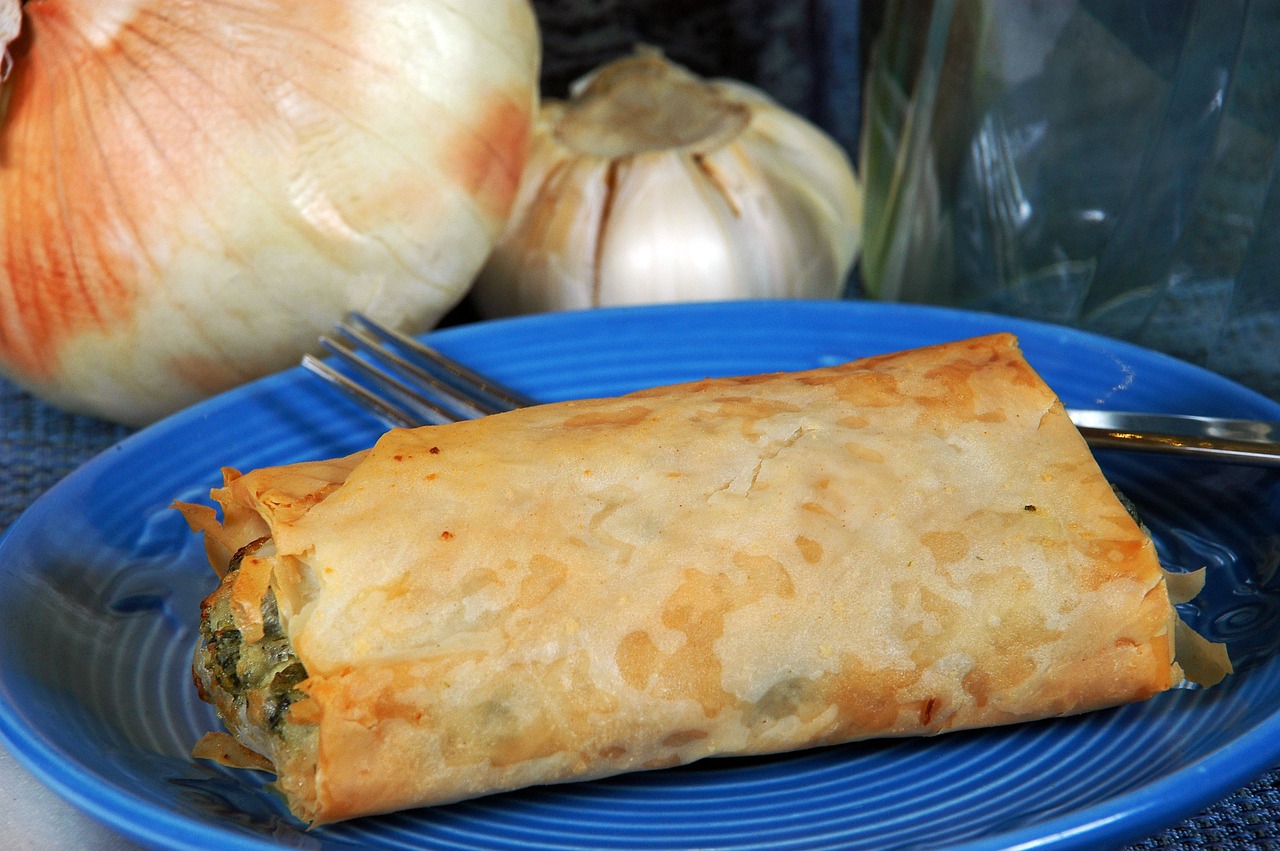
Indian spiced salmon and spinach Vol au Vents straight from Colonel Bryce Beckwith’s hot oven, and Tarte Tatin served with lashings of freshly whipped cream. (He is a wonderful cook!)

Colonel Bryce Beckwith can come again!

A bottle of champagne from Boudie’s Fridge (Florence’s sister who runs a boutique B&B in Little Shore).

Oh, there is a knock at the door. I spy through the letter box  Molly has gifted us a record from Peter Sarsted, Where Do You Go To My Lovely.  

Gosh, that’s a blast from my past. I love that song.

And later, my characters wish to dance to Come Fly with Me by old blue eyes—Frank Sinatra—not forgetting, Chattanooga Choo-Choo by Glen Miller.

Well I think you should put the music on and pour some champagne and you and your characters can get the party started whilst I tell readers a little bit more about Second Chances. Thanks so much for being here Miriam.

Second Chances

Second Chances is a touching tale that takes us on a journey from India to Kent, UK, following the intertwined lives of the residents who live on the same road.

At the heart of the story is Molly—kind-hearted, resilient, and determined to make a fresh start after her husband Rory leaves her and their son Jamie.

But when Jamie disappears on the day they were supposed to move to Kent, Molly’s new life takes an unexpected turn.

As Molly settles into her new community, she befriends her neighbours, Florence and Colonel Bryce Beckwith, who share their own stories of love, loss, and longing for second chances.

The three of them navigate their regrets and come to realise that it’s never too late to make a change.

Second Chances is a poignant, multigenerational tale of connections and community, showcasing the unbreakable human spirit and the hope that can come from taking a leap of faith.

Second Changes was published yesterday, 25th April 2023, is available for purchase through the links here.

About Miriam McGuirk

Born in Dublin, there has been a constant thread of writing and storytelling running through Miriam’s life. She proudly nurtures her ability to tell stories thanks to her Irish heritage.

Miriam lives in the historical town of Rye, East Sussex with her husband, Chris, spending time in her Writing Cave where only her characters join her.

When not writing, Miriam enjoys reading, cooking, sea swimming, and walking along the healing coast.

For further information visit Miriam’s website, find her on Facebook and Instagram or follow her on Twitter @Miriam_McGuirk.

There’s more with these other bloggers too:

Staying in with Tim Sullivan

It’s a very exciting guest on Linda’s Book Bag today as I stay in with Tim Sullivan to find out all about his latest novel. My enormous thanks to Emma Finnigan for arranging this for us. Let’s immediately find out more:

Staying in with Time Sullivan

Welcome to Linda’s Book Bag Tim.

Thanks for asking me.

Thank you for agreeing to stay in with me.

No problem. Got to the age where I prefer a good night in to a moderate one out!

Oh me too! Anno domini and all that! Tell me, (although I rather think I know) which of your books have you brought along to share this evening and why have you chosen it?

My latest, The Monk, featuring DS George Cross as it’s out tomorrow.

Happy publication day for tomorrow Tim. What can we expect from an evening in with George Cross?

Hopefully a good yarn but also sense of understanding someone like George. He’s on the autistic spectrum and so sometimes misunderstood. He can be literal, socially awkward and unintentionally rude. But his way of approaching his life is also his gift when it comes to solving crime, murder in particular. He’s a dogged follower of the evidence. He’s doesn’t have gut instincts about cases and won’t let things go until he’s got to the bottom of them. He simply can’t. He’s drawn to outsiders in cases because in many ways that is what he is himself. He actually fits into a tradition of detectives who we would now say are possibly on the spectrum, from Auguste Dupin, Sherlock Holmes to Poirot.

He sounds a brilliant character. I must catch up with the series. What do readers think about George?

This is what some readers have said –

‘I never review books, I’m a rater but not a reviewer but I just had to share that I love George!’

‘I love the character that is George Cross. Brilliant, socially awkward with a mind for puzzles second to none.’

‘DC Cross as a character is funny, irritating, clever and makes you really laugh at times with his black and white view of the world and how it results in interactions with his colleagues or people on the case. For all of his quirks, he is an excellent detective…’

‘George Cross is a wonderful character, an unusual detective, brilliant to read… Putting my finger on why I loved this book so much is difficult, it’s different to the norm, Cross is different, I really loved him.’

It seems that it really is all about George.

He sounds fabulous! So why have you chosen a monk as a victim in this book?

The Monk is set in Bristol where I went to school – in fact the book is dedicated to my English teacher there. It’s a city I know well and love. I decided on a monk being the victim in this particular book because it seemed so unlikely. Why would anyone want to kill a man who is secluded from normal life by choice and has devoted his to God. I myself was an altar boy at Farnborough Abbey as an adolescent and so have drawn on my experience of the place for the book.

I think all authors draw a little on what they know. As an ex-English teacher I love the dedication to your teacher Brian.

What else have you brought along and why have you brought it?

I’ve brought my wife along to tell me when my jokes aren’t as funny as I think they are.

I have a feeling many husbands might need to do that – mine included…

John Coltrane and Miles Davis for music and endless snacks so we don’t have to bother with a proper meal rounded off with some fantastically wicked ice cream. I’d love a couple of readers to come along as well as I’d be fascinated to hear what they have to say about the books.

From what I’ve been hearing about The Monk Tim I think they’d be saying very positive things indeed. I’m delighted to have The Monk on my TBR and can’t wait to read it. Now, you get the music on and dish up the ice cream and I’ll give readers a few more details.

The Monk

‘I am insanely in love with George Cross’ Stephen Fry

To find a murderer, you need a motive . . .

THE DETECTIVE
DS George Cross has always wondered why his mother left him when he was a child. Now she is back in his life, he suddenly has answers. But this unexpected reunion is not anything he’s used to dealing with. When a disturbing case lands on his desk, he is almost thankful for the return to normality.

THE QUESTION
The body of a monk is found savagely beaten to death in a woodland near Bristol. Nothing is known about Brother Dominic’s past, which makes investigating difficult. How can Cross unpick a crime when they don’t know anything about the victim? And why would someone want to harm a monk?

THE PAST
Discovering who Brother Dominic once was only makes the picture more puzzling. He was a much-loved and respected friend, brother, son – he had no enemies. Or, at least, none that are obvious. But looking into his past reveals that he was a very wealthy man, that he sacrificed it all for his faith. For a man who has nothing, it seems strange that greed could be the motive for his murder. But greed is a sin after all…

The Monk is part of the DS George Cross thriller series, which can be read in any order, is published tomorrow 27th April 2023 by Head of Zeus and is available for purchase here

About Tim Sullivan

Author image courtesy of Ivan Weiss

Tim Sullivan is a crime writer, screenwriter and director whose film credits include A Handful of Dust, Jack and Sarah and Cold Feet. Early in his career he directed Jeremy Brett’s iconic portrayal of Sherlock Holmes in ITV’s The Casebook of Sherlock Holmes¸ cementing his lifelong passion for crime fiction.

Tim’s crime series, featuring the socially awkward but brilliantly persistent DS George Cross, has been widely acclaimed and topped the book charts. The Monk is the fifth in the series.

He lives in North London with his wife Rachel, the Emmy Award-winning producer of The Barefoot Contessa and Pioneer Woman.

To find out more about the author please visit Tim’s website, follow him on Twitter @TimJRSullivan find Tim on Instagram.