Guest Post by A Death for a Cause Author Caroline Dunford

A death for a cause

Having just seen and thoroughly enjoyed the film ‘Suffragette’, I was delighted to meet writer Caroline Dunford via Book Connectors on Facebook and to discover that her latest ‘The Euphemia Martins Mysteries’ book, ‘A Death for a Cause’  is based around the time of the Suffragette movement.

‘A Death for a Cause’ was released as an ebook on 15th October 2015 and will be out in paperback on 20th November 2015.

Here, Caroline writes about the way the struggle for equality has not yet been fully realised.

A Woman’s Rights

Men and women are biologically different. Only one of the two genders is able to give birth. There have been civilisations that have regarded this as a near to divine ability and others, who have seen it as a weakness. In today’s enlightened world women are perceived as having a choice of having children or not. Except if you start examining this you head down the rocky road lined by anti-abortion protestors, anti-contraceptions advocates and even those who believe a woman’s place is the home. The stark reality is that in various cultures across the world women are not believed to be the equal of men.

You might think this is all a bit hard hitting for my cozy historical crime series, ‘The Euphemia Martins Mysteries’, to tackle, but the series has always been about Euphemia and her struggle to survive in the early 1900s when the United Kingdom was very much in the hands of men. ‘A Death for A Cause’, the eighth book, finds Euphemia actively plunged into the Suffragette debate. She has in her own way been a supporter of women’s rights for a long time. A woman determined to make her own way in the world and support herself, she has cocked a snook at the idea she is less able and less intelligent than any male counterpart. Indulged and over-educated (for the time) by her deceased father, she has stood up to men considered to be her superiors and outwitted cunning murderers. But in all of this, although she has been taken a stand, she has been sheltered from many of the harsh realities of life.

Her original employer may be dastardly, but the championship of his brother and later his sister have kept her in a protective bubble where she can rant and storm about inequality, but where she is well fed, housed and for the time, indulged. In the latest book all this is stripped away.

Caught up accidentally in a suffragette march, she comes to blows with a policeman who is about to beat a defenceless girl (and yes, this did happen to suffragettes) and ends up in jail. Here she is forced to spy on her suffragette sisters by her long time influence, the spy Fitzroy, who persuades her it is in the interest of the National Security, to root out a dangerous murderer from within the so called Shrieking Sisterhood’s ranks.

In trying to unravel this tangled tale Euphemia is brought up sharp against the realities of being a women living in poverty and even finds herself venturing incognito into a brothel. Arguably her experience of the harshness of the lives of real women outside her charmed circle has more effect on her than the emotional shock she suffered helping the survivors of the Titanic in ‘A Death for King and County’.

image2

But then the Euphemia stories have always been about what it is like to a woman in a difficult and unequal age. What readers may not always realise is that the struggles of Euphemia in all her stories also echo the on-going struggles of women today. From the petty realities of an EU 5% luxury tax on tampons, to the horrific use of rape against women as a weapon in war, the battle the suffragettes started so long ago is still not won. Perhaps in her own small way Euphemia is flying the flag for this on-going struggle.

———————————-

You can find out more about Caroline on her web site, or follow her on Twitter.

Caroline’s books can be found here in the UK and here in the US.

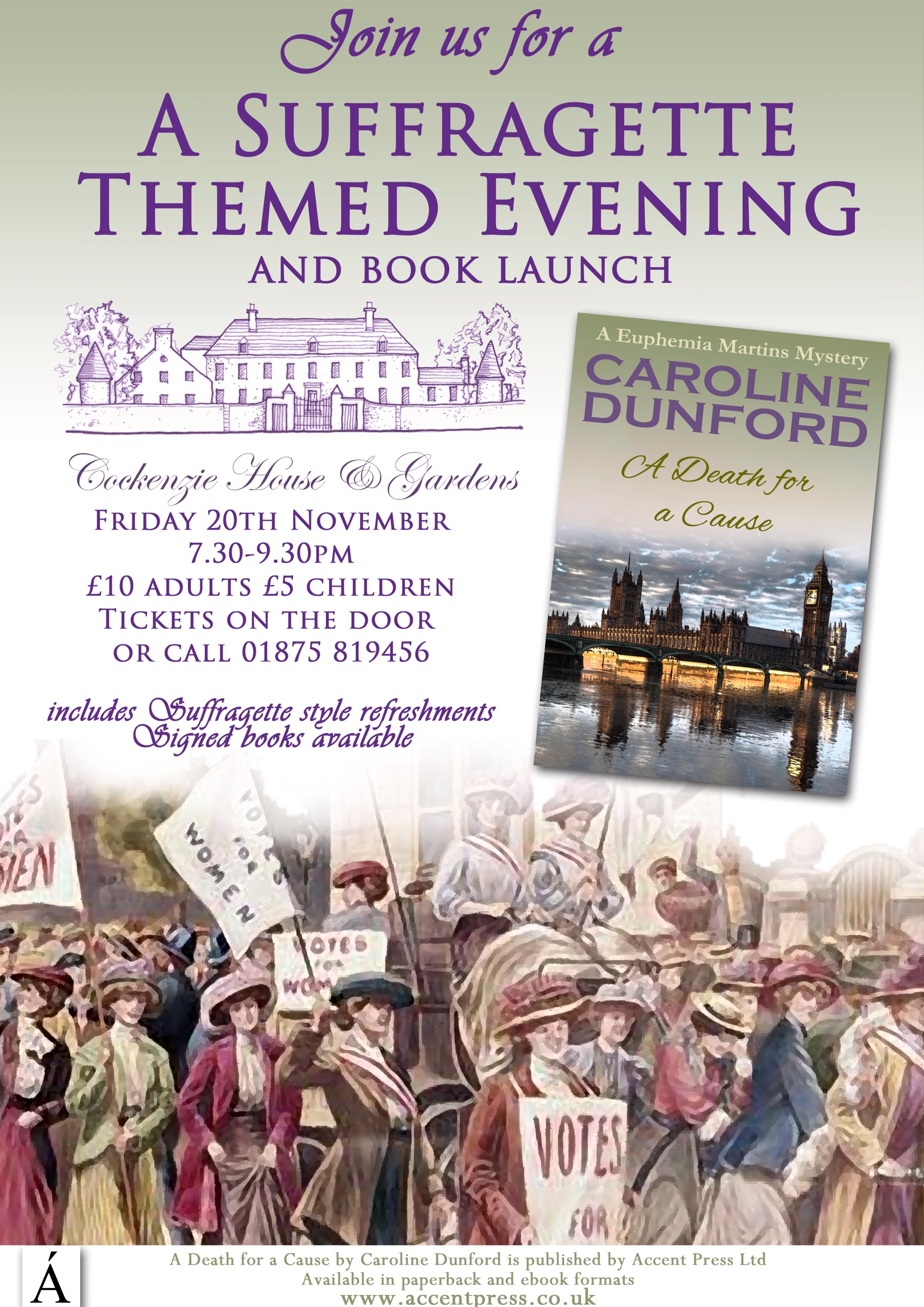
You might also like to join Caroline for a Suffragette themed evening and book launch:

image1

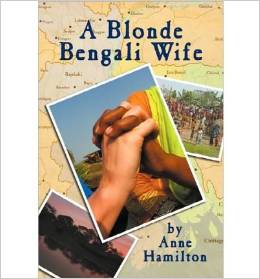
A Blonde Bengali Wife and Me – Guest Post by Anne Hamilton

ABBW

I’m delighted to be hosting a guest post by Anne Hamilton whose book ‘A Blonde Bengali Wife’ is re-launched in eBook format on 3rd November. It can be bought here in the UK or here in the US and all proceeds go to the charity Bholas Children that looks after orphaned or disabled children who might otherwise be abandoned.

Anne tells us about the warmth, hospitality and humour to be found in a place many of us never think about, let alone visit.

A Blonde Bengali Wife and Me

Anne Hamilton

I fell in love on the sixteenth of February 2002. It was unexpected, a strangeness growing familiar, breeding contentment, and settling with a knowing certainty like a warm blanket around my shoulders. Quietly simmering over days and weeks, it probably began in a makeshift kitchen in Rajoir, developed on a bus in Jessore, reached the point of acknowledgement in front of the television in Dhaka, and was cemented in Chittagong. The honeymoon led me through Cox’s Bazaar and finally into the Sunderbans. 

(A Blonde Bengali Wife: Prologue)

Arriving back in Bangladesh is like going home. I’m a forty-something, independent woman, now with my own child but when I go to visit my own parents, there’s a part of me eternally fourteen. After a while the excitement fizzles into mild irritation. The familiarity allows comments about choice of activity, clothes, food and sleep patterns – they always know best – and I remember that this holiday is actually quite hard work. For everyone. Yet it doesn’t matter. There’s an underlying bond of belonging that ensures the smiles outweigh the frowns.

That’s me and Bangladesh, and it’s the reason why the country is so special to me. I love it dearly. It fascinates me, drives me to distraction, still unnerves me a little bit – and I don’t doubt the feeling is mutual!

‘Who is Bengali wife?’ Mr Hoque appears at the merest sniff of food, rubs his hands, eyes alert. Bely, claiming responsibility for my transformation, gestures at my outfit and the hot food. Mr Hoque roars with laughter. ‘A blonde Bengali wife. Very good. Very funny. I must taste her first meal.’  (Ch17)

The People’s Republic of Bangladesh isn’t India. Situated in the Bay of Bengal, it was, until the War of Liberation in 1971, East Pakistan. It doesn’t have the spectacular palaces and monuments or the tourist trail of India, or the international profile of Pakistan.  What it does have is its people. I have never received a warmer welcome anywhere. I’ll always appreciate that, and I’ve mused on it again, in the wake of the international refugee crisis.

In Dhaka, Hasina and Mr Hoque (yes, he’s told me to call him Nozmul endless times, but he’s Mr Hoque, he always will be!) took me in without question, treated me like another daughter, and it was Hasina who made me the ‘blonde Bengali wife’.

In Khalia, the three brothers, Bachchu, Mannu and Munnu – I still only know them by their nicknames – tirelessly offer me shelter, food and companionship; Munnu accompanied me across half the country. It was they who offered the accolade, ‘Annie, you are just the same as a Bangladesh girl, but more pale.’

In Bhola, the community of Bhola’s Children is part of me. I’m a Trustee of this charity, which would not exist but for the writing of A Blonde Bengali Wife, and the insight and commitment of my then literary agent, Dinah Wiener. On our last visit, my little boy, who has – inexplicably – always wanted six big brothers, sighed with 4 year old satisfaction and said he’d found them. ‘Can we bring Bhola home for a visit?’ he asked, and then after a thought, ‘but not the girls, they’re too kissy.’

‘Ah ha! Dissention in the ranks! As I thought. Infiltrators,’ Mrs Begum accuses. ‘First you girls present yourselves as brides, albeit of the most feeble demeanour, and then you pretend to be ones of us. Where are you hiding them? Where are you hiding the marauding arsenic germs, you hussies?’ (Ch8)

I’ve never laughed as much as I do in Bangladesh. Some of it’s verging on the hysteria – the day I change buses four times because: a wheel falls off the first, the road runs out in front of the second and we need a ferry to cross a stretch of water fifty feet to reach the third bus, which doesn’t move because the driver can’t get the goats off the roof. The fourth bus is fine except there aren’t any seats – I don’t mean there isn’t any space to sit down, I mean there are no seats. Just springs sticking up where the seats used to be.

There is so much genuine humour too, and if much of it is based on my bumbling inability to survive unaided in this confusing country, that’s fine by me. I’m giving something back… even if it is entertainment by default. When I read A Blonde Bengali Wife now, I still laugh out loud. Is it shameless admitting that?  I’m not laughing because I’m a great, humorous author, but because I was there, it really happened, and I’m reliving it.

In seconds the table is covered by great glass dishes of desserts: a sticky vermicelli pudding, wet and dry halva, coconut rice balls, and two large bottles of RC cola. We all cram into the small dining room which doubles as a bedroom, and shovel, slurp and munch such that any passing alien would assume we have ten minutes to consume enough to see us through hibernation. (Ch25)

I fail dismally in the eating stakes in Bangladesh. I love food, I love cooking, I love sweets; my original diary on which A Blonde Bengali Wife is based, reads a bit like a Famous Five story. When we’re not out adventuring, we’re eating. Or doing both at the same time. I can’t keep up.

In the poorest rural villages, people have little to offer visitors, yet Bangladeshi hospitality is innate. When your guest doesn’t drink well-water because it will (no being fussy here, it will) make her sick, you borrow a dusty bottle of warm Coke from the market and you crack an egg or kill the chicken. I’m not a vegetarian but at home I choose not to eat much meat – in Bangladesh, now, I eat what I’m given (drawing the line at fish larvae, and cockerel crowns). Except if I don’t finish what’s on my plate, I obviously don’t like it so I’m brought something else. If I do finish, I automatically get another serving… And rice?  I come home dreaming of being trapped in a rice mountain.

It is only fitting that I give Munnu the last words.

He thinks carefully: ‘Say: I said goodbye, I got in the airplane, and went home. The End,’ he advises.

And this is what I do. (Ch30)

That end was just the beginning. I’ve been to Bangladesh about a dozen times now, and next year will see me and my little boy on our third visit together. When I first wrote A Blonde Bengali Wife, I never knew it would have such far-reaching effects. It has changed my life. It made me realise I could write a whole book. It gave me firm connections with a country the polar opposite to the one in which I happen to have been born. It helped me see that people are the same everywhere. That Bhola’s Children is supported by the book is the ultimate link. I’m on a journey into writing and a journey into Bangladesh and I plan that both will continue for a very long time.

Anne Hamilton

You can keep in touch with Anne’s adventures, her support for Bhola’s Children and her writing through these links

Anne’s Blog

Facebook

Twitter here or here

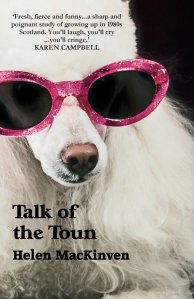
Talk of the Toun by Helen MacKinven

71bylzbDCUL

I’m delighted to be part of the launch celebrations for a brand new author, Helen MacKinven, and her debut novel ‘Talk of the Toun’. ‘Talk of the Toun’ was released by Thunderpoint on October 29th, 2015.

Effortlessly capturing the religious and social intricacies of 1980’s Scotland, this debut novel is a perfect mix of pathos and humour as two girls wrestle with the complications of growing up and exploring who they really are.

I’m even more pleased that Helen has agreed to provide a guest post for me on the fascinating topic of unlikeable characters in novels, which you can read below.

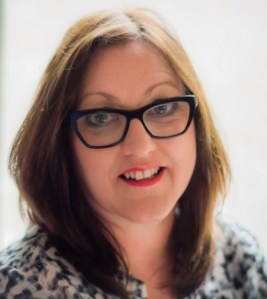
About Helen:
www 37 - Copy

Helen MacKinven writes contemporary Scottish fiction, with a particular interest in exploring themes such as social class and identity, using black comedy and featuring Scots dialect. She graduated with merit from Stirling University with an MLitt in Creative Writing in 2012.

In her day job Helen MacKinven works with numbers, travelling all over Scotland to deliver teacher training in maths.

About ‘Talk of the Toun’:

Seonaid Francis, Director of ThunderPoint Publishing said, ‘Helen MacKinven has caught the pain and angst of growing up in small town Scotland with charm, courage and humour.’

Well known Scottish author Karen Campell says Talk of the Toun is: ‘Fresh, fierce and funny, this deftly-drawn clash of small town life versus big ambition is a sharp and poignant study of growing up in 1980s Scotland. You’ll laugh, you’ll cry… you’ll cringe.’

Novel Summary

She was greetin’ again. But there’s no need for Lorraine to be feart, since the first day of primary school, Angela has always been there to mop up her tears and snotters.’

An uplifting black comedy of love, family life and friendship, ‘Talk of the Toun’ is a bittersweet coming-of-age tale set in the summer of 1985, in working class, central belt Scotland.

Lifelong friends Angela and Lorraine are two very different girls, with a growing divide in their aspirations and ambitions putting their friendship under increasing strain.

Artistically gifted Angela has her sights set on art school, but lassies like Angela, from a small town council scheme, are expected to settle for a nice wee secretarial job at the local factory. Her only ally is her gallus gran, Senga, the pet psychic, who firmly believes that her granddaughter can be whatever she wants.

Though Lorraine’s ambitions are focused closer to home Angela has plans for her too, and a caravan holiday to Filey with Angela’s family tests the dynamics of their relationship and has lifelong consequences for them both.

Effortlessly capturing the religious and social intricacies of 1980’s Scotland, ‘Talk of the Toun’ is the perfect mix of pathos and humour as the two girls wrestle with the complications of growing up and exploring who they really are.

A guest post from Helen – Unlikeable Characters:

When I read a novel, I’m hoping to meet an interesting new character. I don’t need to like the character to make them interesting; in fact I often find the more unlikeable, the more interesting. Nice is boring.  But introduce me to a flawed complex character I want to know more, why do they behave the way in which they do? What’s the root cause of their antisocial, illegal, immoral actions? What makes them tick? I know that goody two shoes won’t step out of line so unlikeable characters are the ones I want to follow their next move. I might be horrified but like rubber-necking a car crash, it’s hard to resist a peek.

One of the most unlikeable characters I’ve encountered in the movies has to be Jordan Belfort in Wolf in Wall Street.  I watched the film in a cinema in Falkirk and whilst I felt repelled by the debauchery on display, many in the audience laughed and in my opinion completely missed the point.  But the common factor between those guffawing and those who were cringing was that we were all fascinated and glued to the screen. I loved the film, not because I admired Jordan Belfort but because it was an excellent portrayal of how greed can create a monster.

I’m drawn to unlikeable characters in fiction too.  One of my favourite books from my teenage years was Catcher in the Rye by J.D. Salinger. What’s to like about the cynical Holden Caulfield?  For me, he captured the naivety of youth and as antihero he evoked a sense of empathy in me for his struggle to find his place in the world.

Another of my favourite books is The Butcher Boy by Patrick McCabe where we meet Francie Brady whose troubled childhood stimulates a violent fantasy world. Again, you might ask why a reader would want to spend time with a boy who commits a brutal murder. Because he makes you think, he makes you wonder and he gives a new perspective on an unfamiliar world.

When I started to write Talk of the Toun, I wanted to write a book I would want to read.  But I didn’t set out to create an unlikeable character in Angela, simply an authentic one. That was why I was surprised to read a review that Angela, “did not come across to me like a nice person in the slightest”.  However the reviewer added, “That said, the dislike wasn’t something to put me off reading this novel. If anything, I wanted to see what would happen to Angela and to her friends and family”. I sat back with a contented sigh, uttering, “Excellent, my work here is done”.

If I’ve managed to provoke a strong reaction in a reader I’ve achieved my goal. Angela is as flawed as Jordan, Holden and Francie but her gran shows her unconditional love. Her gran sees beyond Angela’s attitude and actions and recognises that her granddaughter is an insecure teenager who has a lot to learn in life. I’m not expecting readers to like Angela, but I would like them to appreciate that she’s not inherently a bad person; she simply makes major errors of judgement through a lack of maturity and self-confidence.  Unlikeable or not, Angela is a complex character and one I hope readers will want to spend time with to discover whether she pays for her mistakes or not.

My Review of Talk of the Toun:

For the first few sentences I didn’t think I was going to like Helen MacKinven’s book because of the strong dialect in direct speech, but within moments I was hooked. The first person voice is impossible to ignore and before you know where you are you’re living Angela’s life with her. I would defy any reader not to find part of themselves or someone they know in her personality.

‘Talk of the Toun’ is so enjoyable on many levels. Firstly the consistency of the writing with such an identifiable personality of Angela coming through, means that a reader has to admire Helen MacKinven’s authorial skill. All the characters are such real people. Seventeen year old Angela is a liar, a glutton and a bully to her younger sister. She is also loyal, brave and caring. Lorraine is spoilt and fickle, but also burdened with the responsibility of a handicapped younger sister and a mother whose religion is surface deep only and not so well reflected in her actions. No wonder Lorraine behaves as she does at times.

Other than a caravan holiday, the events are actually relatively few, but somehow completely remind the reader of what it was like to be on the brink of independent adulthood. I found the songs, the descriptions, the food all combined to take me right back to the early 1980s and although I was a few years older then than Angela and Lorraine then, I could identify completely with their hopes and fears, their internal emotional battles and their approach to the world around them. It really did feel as if Helen MacKinven had been inside my head. This is such evocative writing.

At times, the language is quite strong, as are references to bodily functions and sexual practices, but nothing is gratuitous or out of place. I found ‘Talk of the Toun’ thoroughly engaging. Occasionally I laughed out loud. I frequently shared memory jerking passages with my husband and once or twice I even shed a tear. Great stuff!

Further Information

ThunderPoint Publishing Ltd., a Publisher Member of Publishing Scotland, was established in 2012, has six novels in print with ten further titles scheduled for publication from 2015 through to 2018.

Seonaid Francis grew up in Glasgow and graduated from Strathclyde University and later with a MLitt (Distinction) from UHI. She has worked around the world in China, Hong Kong, Turkey and France.

Talk of the Toun is available in ebook and paperback from selected bookshops, Amazon UKAmazon US and other online retailers.

www.thunderpoint.co.uk; 07909588822; info@thunderpoint.co.uk

The Meet Cute Series by Katey Lovell

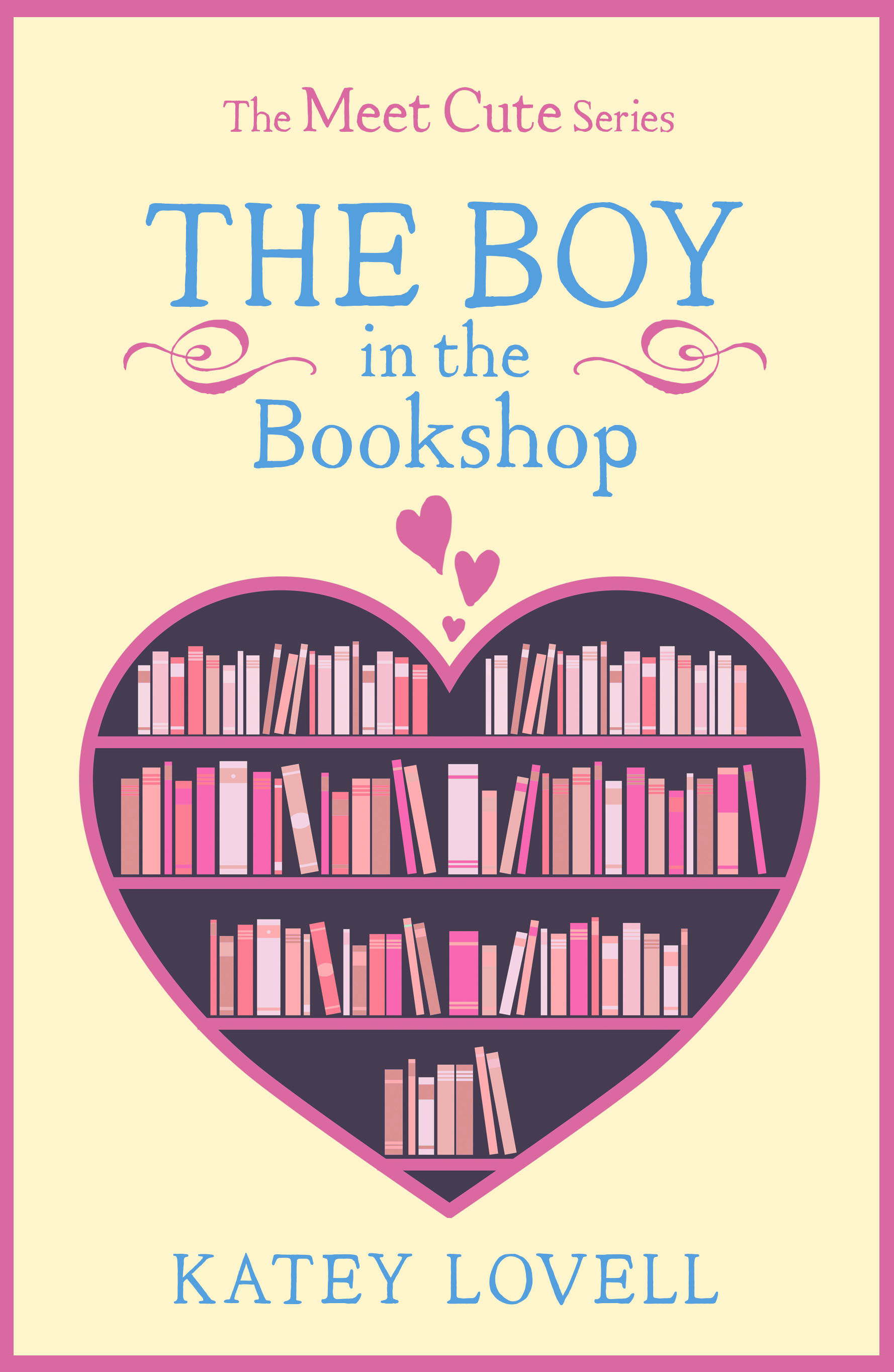
Boy_inthe_Bookshop_Meet_Cute_2

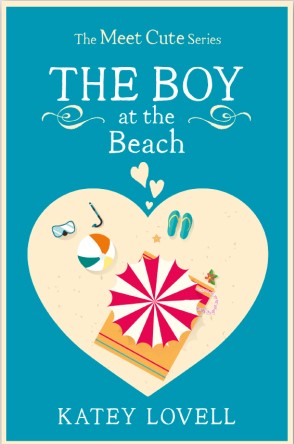
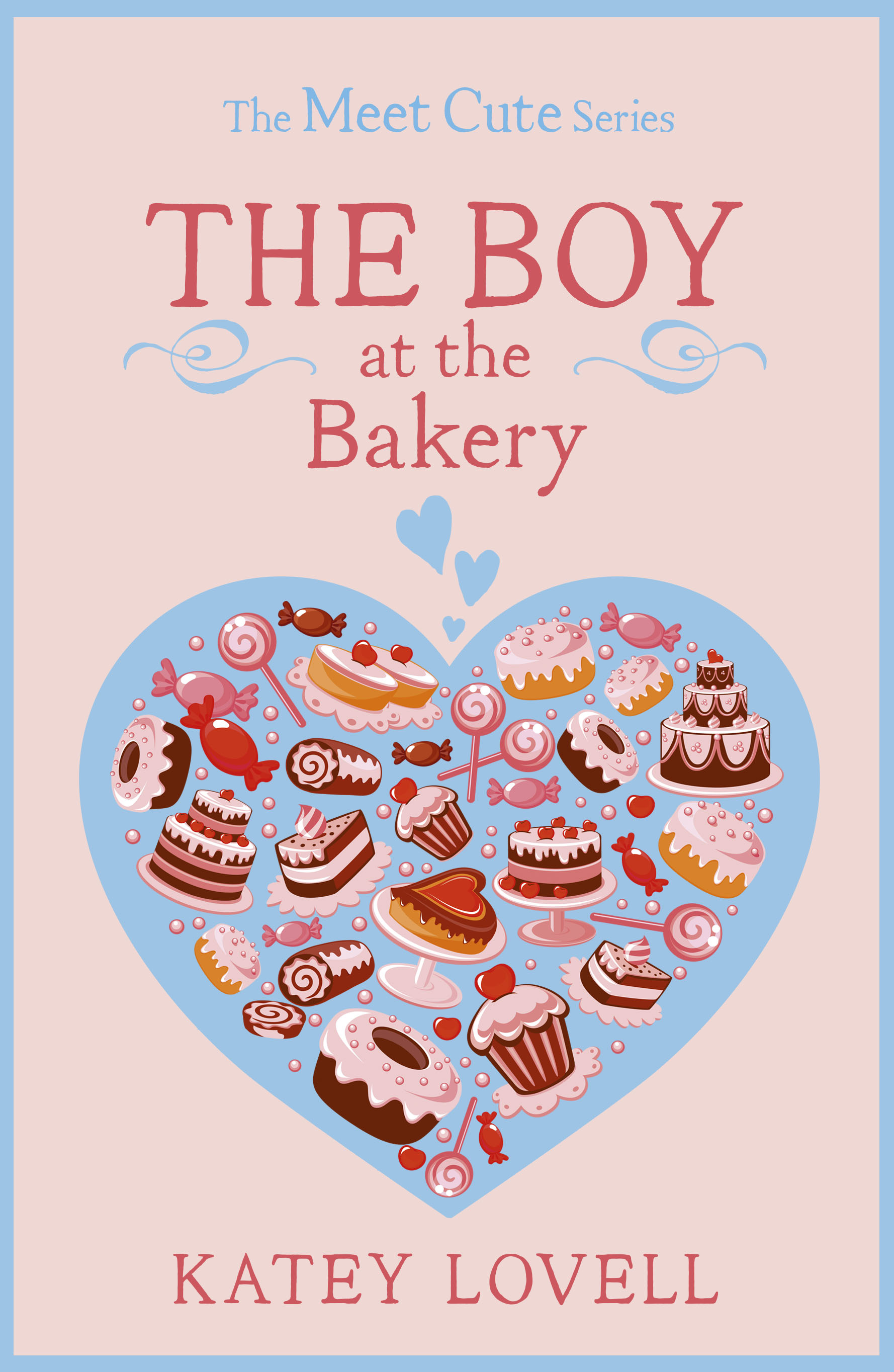
Katey Lovell is the author of ‘The Meet Cute series’.  ‘The Boy in the Bookshop’, the first short story in the series was released on October 29th to be followed by ‘The Boy at the Beach’ on November 5th and ‘The Boy at the Bakery’ on November 12th.

I’m delighted to host Katey on the blog today, explaining how she came to write ‘The Meet Cute’ series. Here’s what she said:

I started writing The Meet Cute Series back in Spring 2014 when I wrote a short story about a couple who meet at a surf class in California for a competition.  The story didn’t win, but it did plant a seed somewhere deep in my brain that there was scope for this idea to go further.  When a friend said she loved stories with a romantic ‘meet cute’ everything fell into place and I started writing the next story, then the next, then the next.  Soon I had seven stories which I submitted to publishers as a collection, but although I received positive feedback most said they weren’t looking for short stories and encouraged me to submit something longer.  It was disheartening as I knew there were readers out there waiting for bite-size romantic tales.

The Boy at the Beach

I’d read Brigid Coady’s Kiss stories which were aimed at a similar market and knew Harper Impulse were a forward-thinking digital publisher looking for fresh ways to tell a story, but it was still a (very lovely!) shock when I received the phone call saying they wanted to publish the Meet Cute stories as individual reads.  I hadn’t even thought about that possibility, but with the surge in people reading on tablets and mobile phones it seems the time is right for short stories to nudge their way back into the limelight.

Boy_atthe_Bakery_Meet_Cute_2 (2)

I’m very excited to think ‘The Meet Cute series’ could bring romantic fiction to readers that might not otherwise read it, as well as meeting the needs of those who are loyal to the genre but short of time to read full-length novels.

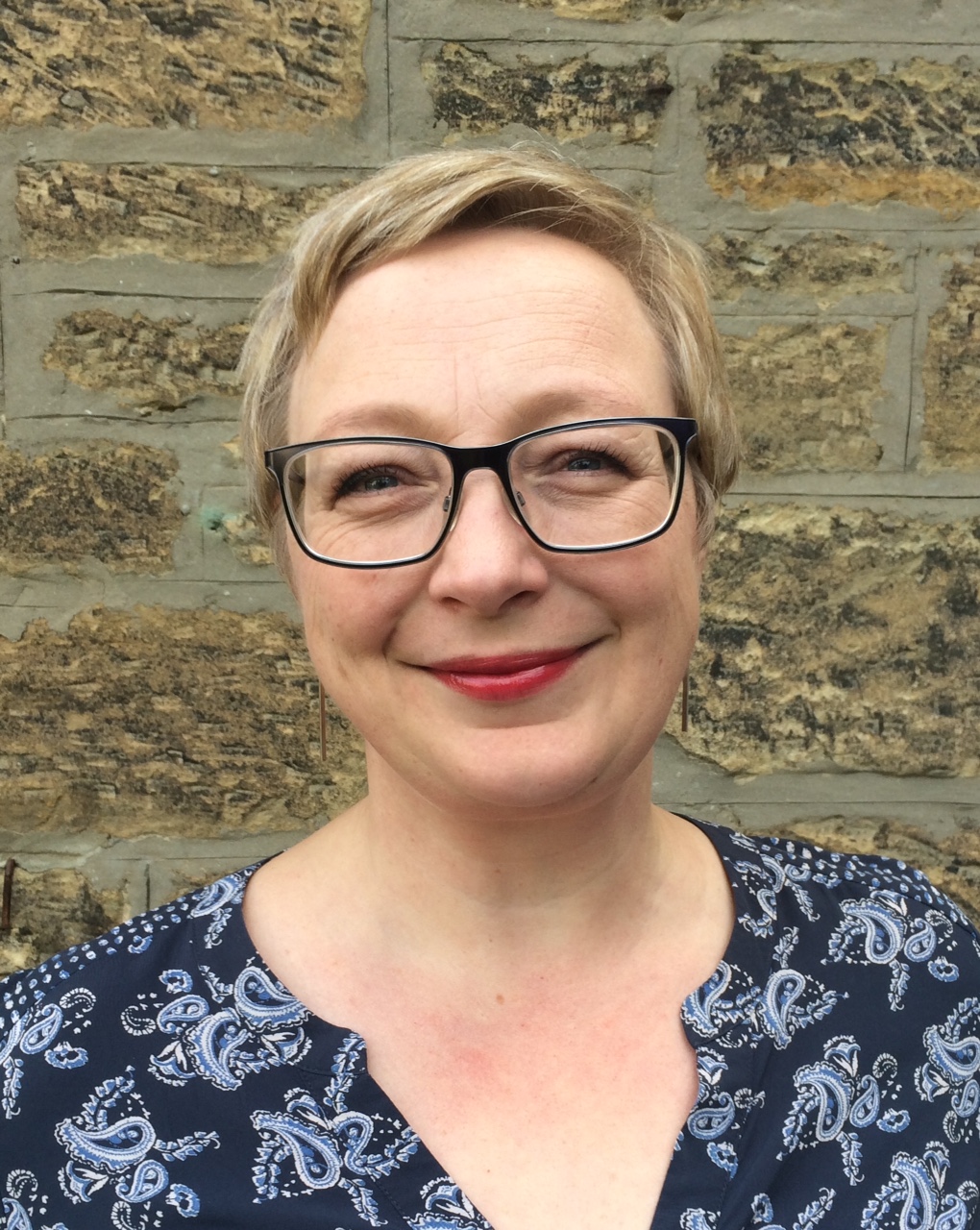
About Katey Lovell

DSC_9580 copy

Katey Lovell is fanatical about words. An avid reader, writer and poet, she once auditioned for Countdown and still tapes the show every night. Getting the conundrum before the contestants is her ultimate thrill.

She loves love and strives to write feel-good romance that’ll make you laugh and cry in equal measure.

Originally from South Wales, Katey now lives in Yorkshire with her husband and their seven year old son.

Find Katey on Twitter, Facebook and her author blog

You can buy Katey’s Meet Cute Series here:

Amazon UK

Amazon US

Nook

Kobo

The Other Half Of My Heart by Stephanie Butland

Other half cover

I’m delighted to be part of the launch celebrations for Stephanie Butland’s The Other Half of My Heart. It was published by Black Swan on 22nd October 2015.

I’ve just begun reading ‘The Other Half Of My Heart’ and it is wonderful.

Here Stephanie tells us what it’s like to be a writer and how her writing practices have evolved:

When I asked for suggestions for this blog post, Linda’s idea immediately caught my eye. She asked: Are your routines and techniques the same now as in the early days or have your personal experiences impacted on the how and when you write?

And I thought: I don’t think I’ve ever thought about that. How interesting. So, here I go.


I often remind writing students is that if you can write, you can write. It’s not as though we have a limit of words meted out to us and we mustn’t spill or waste them. So deleting a paragraph – even a sub-plot – that isn’t working doesn’t matter, in the long term. It took me a while to learn this. Now I have a sort of ‘dumping ground’ document for every book, where I cut and paste the things I’ve deleted from the main manuscript. It hurts less because I’m saving them for later. Not that I’ve ever used any of them….. 


Something else I am less precious about now is when I write. I used to be an ‘up at 6, write for an hour and a half before breakfast’ person. There’s an extent to which I still am – it’s certainly my preference – but I’ve got a lot more relaxed. If I’m trying to get something finished, but I overslept, I work after breakfast. If I’m travelling, I plug in in an airport lounge and write, even though it’s noisy and I usually have no idea what time of day it is. Certainly the words flow more easily in my quiet little studio – but it isn’t the only place I can work any more. 


Letters to my husband

As far as techniques go – I think I research earlier these days. When I wrote ‘Letters To My Husband’, Andy the doctor was much more involved in earlier drafts. But having a coffee with a GP and asking her about her job made me realise that there were a whole lot of things I’d had my doctor do that a real-life GP simply wouldn’t. That was a pain of a rewrite and it was entirely my own fault. So I’m better at working out what I don’t know and not making assumptions. Of course there’s a down side to this – I read books on strokes and interviewed people who’d had strokes, and stroke nurses – before I realised that was a sub-plot that had to go, and all that research time (mine and others’) was wasted. Maybe I’ll use it in another book..!


And the final thing that I’d say has changed is that, having been through publication four times now, I know there’s no place for slacking or gliding over tricky bits! When I was at school my English teachers sometimes told me off for ‘resting on my laurels’ and, my goodness, editors will do that too. So now instead of submitting a draft that I think is 80% there and waiting for an editor to point out all the places where I need to explain more and fix my timings (a pregnancy in ‘Letters To My Husband’ was found to be 11 months long by a copy editor) – I try to do it myself. I’m doing that now, with my fourth novel, which is good enough for submission – but I’m giving it another edit and polish now, instead of later. 


So, what’s changed? I’m more ruthless with words, more flexible with when and where I write, more inclined to research, less lazy. But then again I’m writing this blog post at 9.30am in my pyjamas, so I still have a way to go!

__________________

Steph

You can follow Stephanie on Twitter and her Web Site

You can buy Stephanie’s books here in the UK and here in the US.

There are lots of other interesting blog posts you may have missed

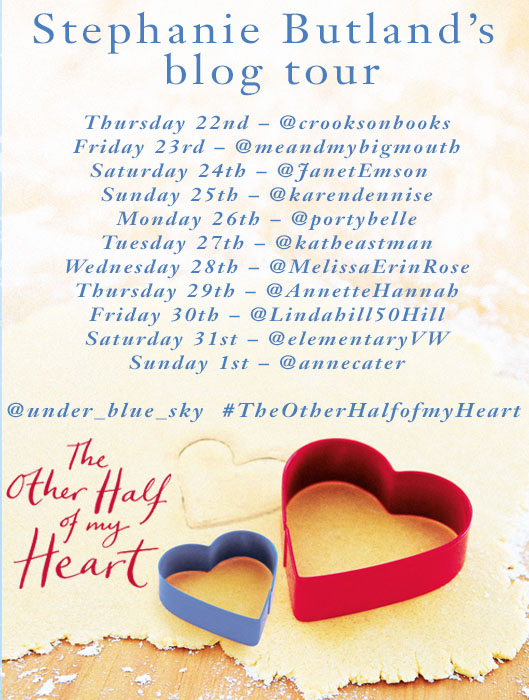
BlogTour the other half of my heart (2)

A Newly Crimsoned Reliquary by Donna Fletcher Crow

A Newly Crimsoned Reliquary

I was very pleased to receive a copy of ‘A Newly Crimsoned Reliquary’ from its author Donna Fletcher Crow in return for an honest review. It was published in paperback by the Greenbrier Book Company on 5th February 2015 and is also available as an ebook. You can buy ‘A Newly Crimsoned Reliquary’ here in the UK and here or here in the US.

When Felicity arrives in Oxford to translate an ancient document, she isn’t expecting that a trail of dismembered body parts will set her off on another murder adventure with her fiance Antony.

Although this is the fourth in Donna Fletcher Crow’s Monastery Murders series starring Felicity and Antony, I hadn’t read the others and found the book stood alone as an entertaining read in its own right.

The plot is not as visceral and aggressive as some murder stories and I think those who like the British TV series of ‘Morse’ or ‘Midsummer Murders’ would particularly enjoy ‘A Newly Crimsoned Reliquary’.

The research that has gone in to the book is incredibly impressive and the reader feels reassured that every element is accurate. Donna Fletcher Crow also creates a highly effective sense of place in her descriptions of Oxford so that it is easy to picture them in the mind’s eye. Her attention to detail is meticulous.

This might sound slightly odd or prejudiced, but I found the dialogue and writing very ‘English’ despite the fact the the author is American and enjoyed the story all the more because of this. I also particularly enjoyed the romantic aspect of the relationship between Felicity and Antony, although I’d have liked Felicity to have been more independent of Antony’s influence and more of her own person at times.

One aspect that I enjoyed less was the religious detail. I felt that, whilst intelligent, well researched and accurate, it sometimes interfered with the flow of the narrative because there was too much information provided.

‘A Newly Crimsoned Reliquary’ put me in mind of a modern day Agatha Christie and I think readers who like Christie’s books will also thoroughly enjoy Donna Fletcher Crow’s writing too.

You can find out more about Donna Fletcher Crow on Amazon, on her website and on Facebook. You can also follow her on Twitter

Forget Me Not by Luana Lewis

forget me not

My very grateful thanks to Naomi Mantin at Transworld Publishers for a copy of Luana Lewis’s ‘Forget Me Not’ in return for an honest review. It is published by Corgi on 5th November 2015.

When Vivien is found dead in her bathroom with a head injury, the initial suspicion is that she has killed herself, but appearances are not always as they seem. With so many lies and so much guilt the truth is hard to find. Did Vivien kill herself? Was she murdered? And will anyone ever know?

I thought ‘Forget Me Not’ was utterly brilliant. It made me feel quite tense the whole way through and my heart rate was genuinely elevated at times – especially when there is a particular jolt towards the end of the novel. The use of the present tense contributes to this breathless feeling. ‘Forget Me Not’ has a taut, almost claustrophobic, atmosphere and each chapter ends with such an effective hook it is difficult to put the book down.

As I read, I had no idea what the outcome would be and kept formulating different scenarios for how Vivien died. I genuinely suspected every character of having murdered her at some point.

I found the writing almost Shakespearean at times with universal themes of family, identity, belonging and guilt all adding layer upon layer of depth and interest. Luana Lewis really writes with consummate skill. Her prose manages to be intelligent, atmospheric and accessible. It is the attention to detail that constructs such an impressive novel.

Each of the characters is so well developed and the first person viewpoint for both Rose and Vivien makes the writing vibrant and compelling. There is a reduced character cast so that all their human frailty is explored fully, making them all, even the most minor characters, completely human and scarily accurate.

In a way, ‘Forget Me Not’ acts as a precise commentary on the human condition and the way modern society operates. Reading it made me question just how well we know ourselves, let alone other people. I thought the title was sheer genius. When readers get to the end of the story they will appreciate why it has been chosen (and I’m not going to spoil the book by saying more), but ‘Forget Me Not’ has so many layers of interpretation from the memento mori facet of Vivien’s death to each of the characters’ past lives and actions. Reading this book raised so many questions for me about how the author constructed her text and what her intentions were and I am delighted to be able to ask Luana Lewis some of them to be posted on this blog on 11th November.

I think ‘Forget Me Not’ can be read and enjoyed on so many levels. However, what ‘Forget Me Not’ is, above all else, is a fantastic psychological thriller and I cannot recommend it highly enough.

Online Dating by Clutch Author Lisa Becker

clutch

‘Clutch’ is the brand new novel by Lisa Becker, published on 15rh October 2015.

Here Lisa tells us how online dating has inspired her writing in the past.

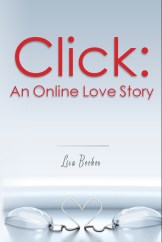
Online Dating Inspired Click: An Online Love Story, Double Click and Right Click

Click cover photo

By Lisa Becker

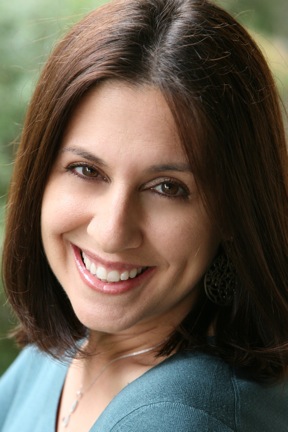
Headshot 2.jpg

I first met my husband while wearing my pajamas.  Really!  No, we weren’t at some kinky singles party.  I was sitting comfortably in my apartment and he was hanging out in his.  But, I will never forget his email introduction via an online dating service, which invited me to check out his profile.  It was sweet, endearing and intriguing enough for me to log on to learn more about him.  After a week of emails, followed by a week of phone calls, we met for our first date – a traditional dinner and movie outing.  Even before I opened the door to greet him, I knew he was “the one.”  Considering he lived 30 miles away, I’m not certain our paths would have typically crossed.  But after nearly 13 years together – including 10 years of marriage (which in Los Angeles is apparently no small feat!) and two beautiful daughters, I have no doubt he is my soul mate.

After my now-husband and I met online, I was recalling some of the hilarious experiences that I had during the whole online dating experience.  How could I forget the guy who started every story (no joke!) with “My buddies and I were out drinking one night.”   I decided to capture some of them in writing and, from there and based loosely on my own experiences, my novel Click: An Online Love Story emerged.  The entire story is told in emails between our heroine, Renee Greene, her three best friends and the gentlemen suitors she meets online.  The format felt like a modern way to tell the story that fit the topic, and allowed readers to develop an intimate relationship with the characters.

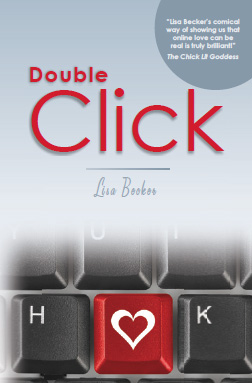
cover double click   front cover final copy

Clearly, I’m a big fan of online dating and find it to be a useful tool for young professionals who are busy working and finding it difficult to make the right connection at the gym, bar, coffee shop or grocery aisle.  I say, people today are “married” to their cell phones and laptops, so why not use that technology to really get married, right?

While Click doesn’t end with a wedding (sorry for the spoiler!), during Renee’s road to happiness, we find many advantages to online dating.  My five favorite are:

  • On Your Own Terms – Online dating provides a relaxed, anytime and on your own terms experience. Share as little or as much information as you want.  Avoid people you are not interested in.  Communicate at your convenience.   But, don’t send a message at 2:30 am.  Nothing smacks more of desperation than an email from someone trolling the Internet for a date in the wee hours of the morning.
  • Multi-Tasking Enabled – Flirt while filing your taxes. Chat and trim your nails.  Meet a mate while making breakfast.  It’s a well-known fact that women are great multi-taskers.  Take full advantage of that skill.  As Shelley, the over-sexed character in Click says to the about-to-try-online-dating Renee, “A whole host of hot and horny single men that I can review, chat with, judge and mock – all while sitting in my office looking very busy.  Maybe I should give it a try myself.”
  • Trade the “Meat Market” for the “Meet Market” – Now you can avoid the “meat market” scene of bars and clubs and instead enjoy a “meet market” – an international bazaar (but let’s hope not too bizarre) of prospective mates. The Internet allows you to make an online introduction to thousands if not millions of people around the world.  So, if you want to meet someone in Katmandu, well then, can do!
  • Save Time, Money and Energy – Let’s face it. Dating isn’t cheap.   It takes time, money and, likely your most valuable and scarce resource, energy.   With the “try before you buy” environment of online dating, you don’t have to meet for a drink, grab a coffee or sit through a long dinner only to discover there’s no physical attraction, you have nothing in common, conversation is lacking, etc.
  • Rejection Made Easy – In Click, Renee gets an email from someone halfway across the world looking to meet someone willing to move for him. After sending a polite and diplomatic “thanks but no thanks” email message, she proclaims to her friend, “It’s so much easier to reject someone over that Internet than in real life.  Score one for online dating!”   While rejection is easier for both parties when done online, it’s important to remember that people still have feelings.

As I’ve said many times before, if it happened for me, there’s hope for you.  So log on and take a chance.

To purchase Click, Double Click or Right Click, please click here in the US and here in the UK.  You can also check out my recent release, clutch: a novel (and here for the UK) about a young handbag designer who compares her different relationships to different styles of handbags.

To follow updates on the Click saga and share your stories about online dating, visit the Click Facebook fan page or follow Lisa on twitter @lisawbecker.

Author S D Sykes Introduces Oswald de Lacy

Butcher bird

I’m delighted to be part of the launch celebrations for S D Sykes’s new novel ‘The Butcher Bird’ which was published in hardback by Hodder and Stoughton on 22nd October 2015.

The story:

Oswald de Lacy is growing up fast in his new position as Lord of Somershill Manor. The Black Death changed many things, and just as it took away his father and elder brothers, leaving Oswald to be recalled from the monastery where he expected to spend his life, so it has taken many of his villagers and servants. However, there is still the same amount of work to be done in the farms and fields, and the few people left to do it think they should be paid more – something the King himself has forbidden.

Just as anger begins to spread, the story of the Butcher Bird takes flight. People claim to have witnessed a huge creature in the skies. A new-born baby is found impaled on a thorn bush. And then more children disappear.

Convinced the bird is just a superstitious rumour, Oswald must discover what is really happening. He can expect no help from his snobbish mother and his scheming sister Clemence, who is determined to protect her own child, but happy to neglect her step-daughters.

From the plague-ruined villages of Kent to the thief-infested streets of London and the luxurious bedchamber of a bewitching lady, Oswald’s journey is full of danger, dark intrigue and shocking revelations.

Medieval Investigations

Here S D Sykes tells us about her central character Oswald de Lacy and his adventures as a medieval ‘investigator.’

The Butcher Bird is my second book, written in a frenzied year after the publication of Plague Land. It’s a historical crime thriller, set in the aftermath of the Black Death of 1348-50 and is the second book to feature Oswald de Lacy as a medieval ‘investigator.’ I use the word ‘investigator’, rather than ‘detective’ since the concept of crime detection was pretty much unheard of in this age.  If a crime were committed, then it was up to the local constable to raise a ‘hue and cry’ and track down the supposed criminal. It was often no more sophisticated than that.

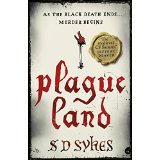
Plague land

In Plague Land, Oswald has been called back from the Benedictine monastery, where he was due to take his vows, and has become Lord of the Somershill estate, following the death of his father and brothers. He’s a very young and very inexperienced lord, who finds it difficult to command respect from his servants and workers. His job is only made the harder when he is called upon to find the killer of two girls from the village. At first he needs to solve the murder because of the disturbance it’s causing in the village. Soon he wants to find the murderer because he cares.

In The Butcher Bird, Oswald has become stronger and more battle-scarred, but still struggles to quell a mob when they attempt to hang a local mad man. They claim this man has released a monstrous bird upon their village – a bird that has killed a child and then impaled the body upon a bush of thorns, just as the real butcher bird, the Red-backed Shrike, deals with its prey. Oswald rails against such superstition and ignorance, and steps in to give their victim sanctuary. But is Oswald’s judgment clouded by his experience the previous year, when these same villagers set upon a young boy whose only crime was to be disfigured?  Should he pay more attention to the evidence, and listen to advice? His investigation leads him into the dark heart of medieval London, and then back to Kent, where Oswald finally unravels the mystery and discovers the identity of the true murderer.

The book is written against a backdrop of the enormous change in 14th century society. The Black Death is estimated to have killed half the population, but left those who were lucky enough to survive with a power they had not enjoyed before. The poorest in society demanded higher wages for their labour and an end to their status as bonded/unfree villeins. All of a sudden, feudalism was under attack, and the King himself created laws in an attempt at wage control, and to keep the peasants in their place! Whilst feudalism persisted, this was the beginning of its end.

Although the books are in a series, I should say that it’s perfectly possible to read them out of order. I’m currently writing the third, as yet unnamed novel, where Oswald is delayed in Venice whilst on pilgrimage to Jerusalem. Whilst there he becomes involved in that leads him into the dangerous and secretive world of political intrigue in the Venetian republic. I hope you enjoy them!

I’m sure we’ll all love reading both ‘The Butcher Bird’ and ‘Plague Land’.

Author Image

SD Sykes lives in Kent with her family and various animals. She has done everything from professional dog-walking to co-founding her own successful business. She is a graduate from Manchester University and has an MA in Writing from Sheffield Hallam. She attended the novel writing course at literary agents Curtis Brown where she was inspired to finish her first novel. She has also written for radio and has developed screenplays with Arts Council funding.

You can follow S D Sykes on Twitter and on her web site.

Praise for PLAGUE LAND

‘There’s a nice, cliché-free sharpness to Sykes’ writing . . . that suggests a medieval Raymond Chandler at work, and there are no phony celebrations of the peasantry or earth-mothers thrusting herbal concoctions down grateful throats. Plenty of action and interesting characters, without intervention of the libertarian modern conscience that so often wrecks the medieval historical novel’ – Independent

‘PLAGUE LAND is a fascinating historical crime novel about a world turned upside down, inhabited by a rich cast of characters. A terrific debut and a wonderful start to a brand-new series’ Antonia Hodgson, author of THE DEVIL IN THE MARSHALSEA

‘Sykes has really reset the bar for medieval mysteries . . . every clue brings with it unexpected twists and turns. When you think you know who the killer is, you’re slapped with yet another surprise’ Medievalists

‘Sykes’s debut provides everything a reader would want in a historical mystery: a gripping plot, vivid language, living and breathing characters, and an immersive depiction of the past’ Publisher’s Weekly

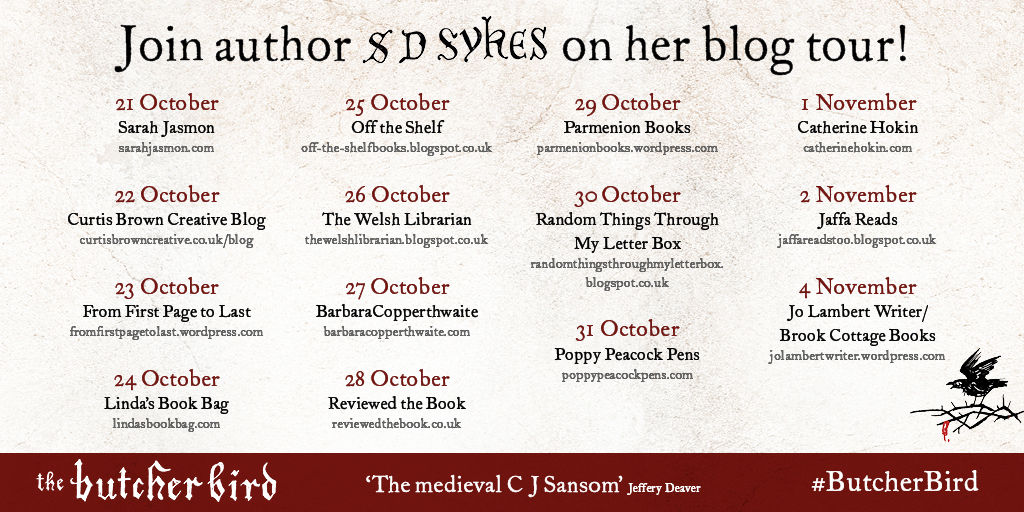
You can follow the other ‘Butcher Bird’ posts with these bloggers:

Butcher-Bird-Blog-tour-V6.1.jpg

The Dead Dog Day by Jackie Kabler

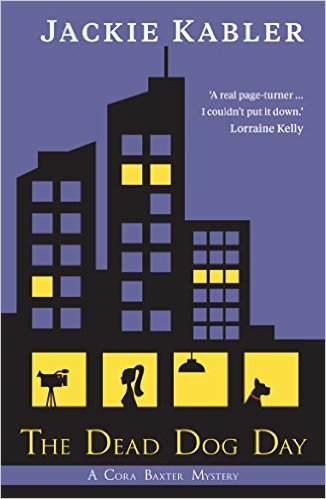
The Dead Dog Day by Jackie Kabler Cover

I’m delighted to be able to introduce to you a thrilling crime novel from top TV broadcaster Jackie Kabler. It was published by Accent Press on 22nd October 2015.

‘The Dead Dog Day’ is the debut novel from successful broadcaster and former GMTV reporter Jackie Kabler

It follows the story of breakfast TV journalist Cora Baxter, and a race against time to stop a killer from striking again.

“Jackie has real insider knowledge and it shows. A proper page-turning thriller. I couldn’t put it down.” Lorraine Kelly

The Novel

When your Monday morning begins with a dead dog at 4 a.m. and a dead boss by ten, you know it’s going to be one of those days. And breakfast TV reporter Cora Baxter has already had the weekend from hell, after the man she was planning a fabulous future with unceremoniously dumped her.

Now Cora’s much-hated boss has been murdered, and Cora is assigned to cover the story for the breakfast show – but as the murder enquiry continues, the trail of suspects leads frighteningly close to home. Why is Cora’s arch-rival, glamorous, bitchy newsreader Alice Lomas, so devastated by their boss’s death? What dark secret is one of her camera crew hiding? And why has her now-ex-boyfriend vanished? The race to stop the killer striking again is on…

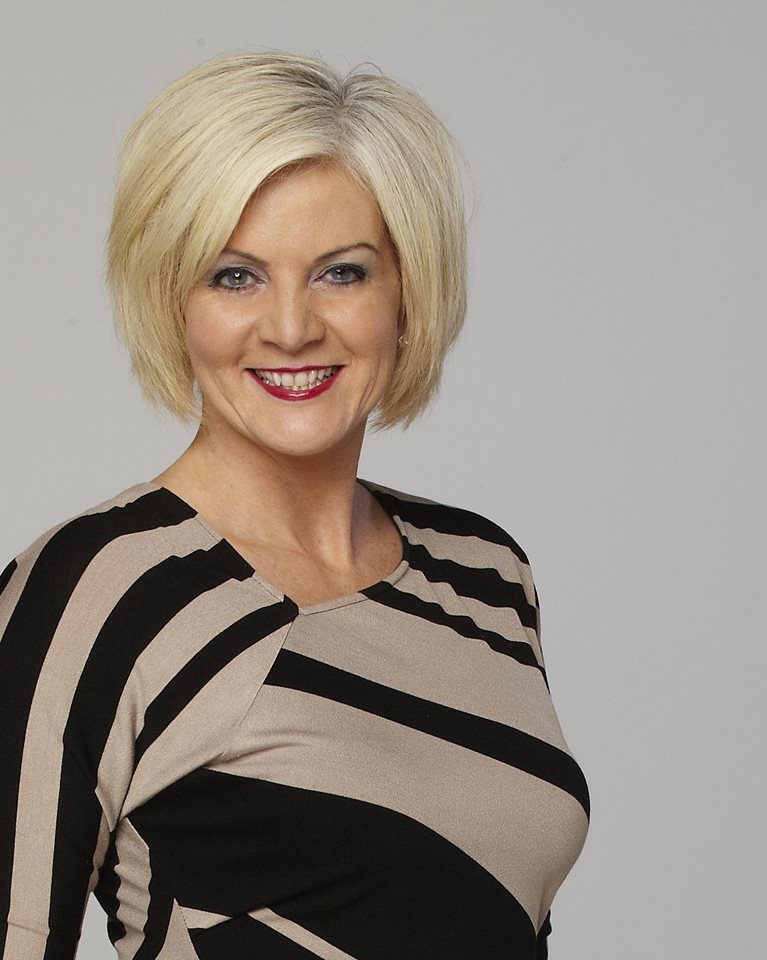
Jackie Kabler author image

Jackie’s novel is the first book in a new series, and she draws on her experiences of the glamorous world of television, as well as her long-standing love for crime fiction.  A popular broadcaster turned author, Jackie is now a presenter on QVC, and as well as a decade on GMTV, has also worked for BBC News, ITV News and Setanta Sports News.

“A twenty-year career in news during which I covered hundreds of major crime stories has given me a wealth of material to draw on for my novels. Aside from the actual murders, everything else that happens in this book actually happened to me as a breakfast TV reporter – with minor details changed to protect identities, of course…”, says Jackie Kabler.

You can buy the book via Amazon UK by clicking here.

Follow Jackie on Twitter

Like Jackie on Facebook