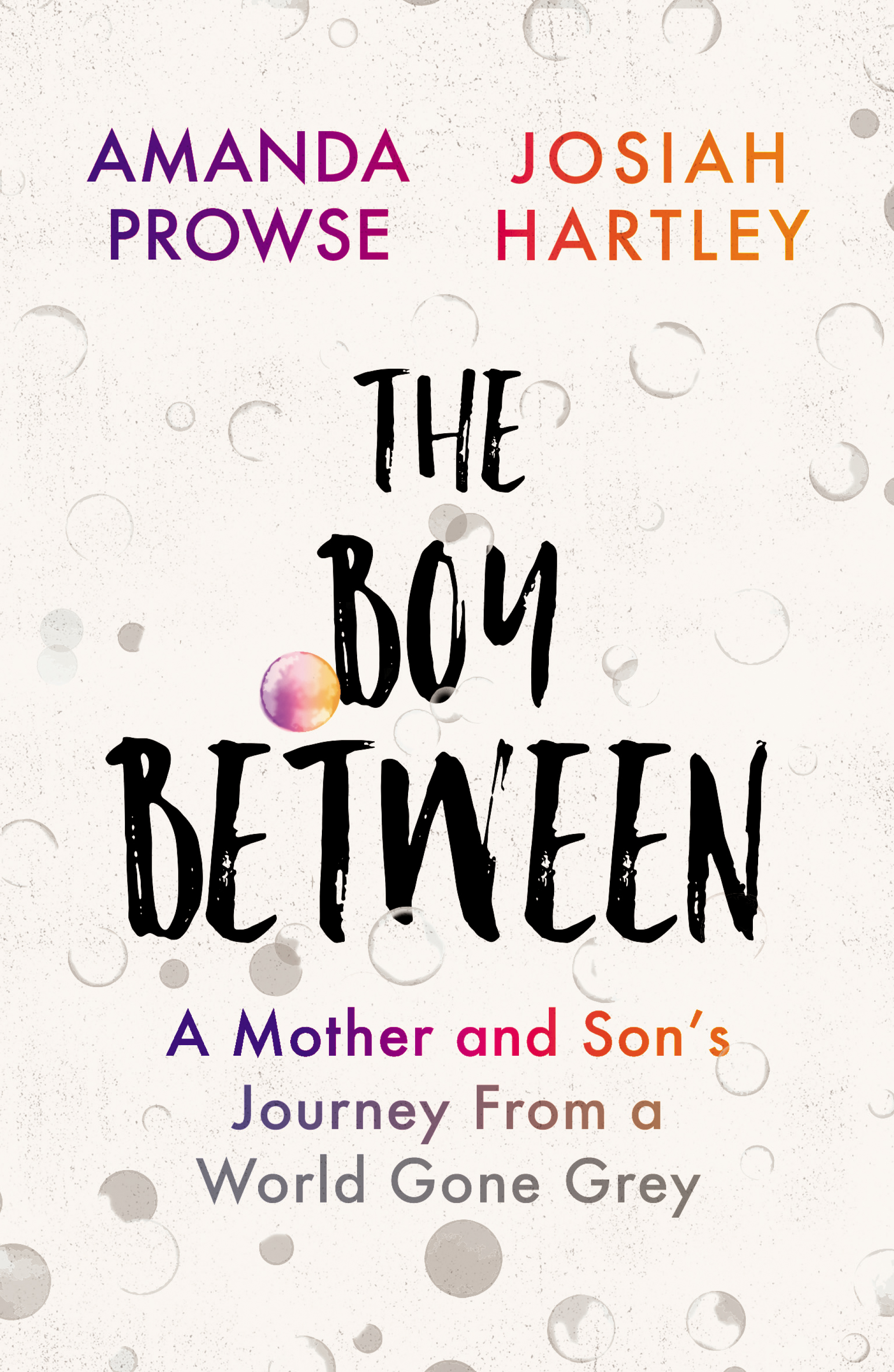
The Boy Between by Amanda Prowse and Josiah Hartley

My enormous thanks to Kelly at Love Books Group for inviting me to participate in the blog tour for The Boy Between by Amanda Prowse and Josiah Hartley. I am privileged to share my review today.

Amanda Prowse has been a regular part of Linda’s Book Bag and normally I would share all the posts separately. This doesn’t feel appropriate to me today because The Boy Between is very much a book that belongs to Amanda AND Josh so here is a single link where you can find interviews about, and reviews of, Amanda’s writing.

The Boy Between is published by Little A and is available for purchase here.

The Boy Between

Bestselling novelist Amanda Prowse knew how to resolve a fictional family crisis. But then her son came to her with a real one…

Josiah was nineteen with the world at his feet when things changed. Without warning, the new university student’s mental health deteriorated to the point that he planned his own death. His mother, bestselling author Amanda Prowse, found herself grappling for ways to help him, with no clear sense of where that could be found. This is the book they wish had been there for them during those dark times.

Josiah’s situation is not unusual: the statistics on student mental health are terrifying. And he was not the only one suffering; his family was also hijacked by his illness, watching him struggle and fearing the day he might succeed in taking his life.

In this book, Josiah and Amanda hope to give a voice to those who suffer, and to show them that help can be found. It is Josiah’s raw, at times bleak, sometimes humorous, but always honest account of what it is like to live with depression. It is Amanda’s heart-rending account of her pain at watching him suffer, speaking from the heart about a mother’s love for her child.

For anyone with depression and anyone who loves someone with depression, Amanda and Josiah have a clear message—you are not alone, and there is hope.

My Review of The Boy Between

A personal account of depression.

To attempt a review of The Boy Between seems at best foolish and possibly, unintentionally, totally crass. Either way, I know my words will be inadequate in conveying what an important book The Boy Between is. What I really want to say is that everyone, and I mean EVERYONE, should read The Boy Between. If they did, the world would be a better place, greater understanding of depression would be achieved and fewer families would find themselves suffering terribly tragedy. The Boy Between is the voice, through Josh, of every person whose depression had led them to dark, impenetrable, stultifying places and, through Amanda, of every friend and family member who has watched helplessly and impotently as that depression takes hold.
The Boy Between‘s non-fiction account of Josh’s depression and desire to die is brilliantly presented. Alternating chapters showing Josh and Mandy’s perspectives give a mesmerising insight into their lives in a structure that leads the reader through their experiences with such intensity that at times is is almost unbearable. This is an intimate portrait of a family in crisis that will resonate with readers across the globe. Those of us who have experienced depression at various levels, or who love someone who has, cannot fail to be moved to tears on several occasions by the raw, humane and affecting accounts presented here. I admit I found it hard reading Josh and Amanda’s words at times because the resonance was huge.
However, The Boy Between might be about depression but it isn’t depressing. Rather, it provides relief for those who have similar experiences in knowing they are not alone, that there is a possibility of life and happiness even when the illness is at its worst. And one of the great strengths of The Boy Between is in illustrating that depression is an illness, not merely a life choice of the inadequate or lazy as is so often assumed. There is an extended metaphor of a broken arm that I think clarifies attitudes and mental illness far better than any text book or documentary ever could. Alongside the personal accounts, the carefully researched factual data adds a terrifying layer of authenticity too. On the day I finished reading The Boy Between, social media was abuzz with the fact that another young man of 17 had taken his own life. I truly believe he could have been helped if those around him had had access to this book. I genuinely think The Boy Between is revolutionary in promoting understanding of depression.
Eloquent, authentic and moving The Boy Between is a book that has sadly never been more relevant, more required and more honest. I thought it was astounding. I want to place a copy into the hands of everyone I know. We all need The Boy Between. Just read it.

About Josiah Hartley

A keen environmentalist and animal lover, Josiah (Josh) Hartley lives in a remote farmhouse in the West Country with his two idle and arrogant French Bulldogs, Dottie and Beau. Happiest following the music scene in Bristol, at a festival or watching rugby with his mates, Josh enjoys the outdoor life and often heads to the sea to surf and sit on the beach watching the sun go down.

After a stint at the University of Southampton, another at the University of Bristol and one planned suicide, Josh decided to write about his descent into mental illness and the depression that held him in its grip for the past few years. The Boy Between carries the overriding message that things can and often do get better. It is a book of reflection, raw, honest and full of hope – the proof being that Josh is still here and excited about what comes next. He’s ready to catch any opportunity that life throws his way; quite a thing for someone who only a few years ago was living in a world gone grey, ready to disappear from the face of the earth…

About Amanda Prowse

Amanda Prowse is an International Bestselling author whose twenty five novels and seven novellas have been published in dozens of languages around the world. Published by Lake Union, Amanda is the most prolific writer of bestselling contemporary fiction in the UK today; her titles also consistently score the highest online review approval ratings across several genres. Her books, including the chart topping No.1 titles What Have I Done?, Perfect Daughter, My Husband’s Wife, The Girl in the Corner and The Things I Know have sold millions of copies across the globe.

A popular TV and radio personality, Amanda is a regular panellist on Channel 5’s ‘The Jeremy Vine Show’ and numerous daytime ITV programmes. She also makes countless guest appearances on BBC national independent Radio stations including LBC and Talk FM, where she is well known for her insightful observations and her infectious humour. Described by the Daily Mail as ‘The queen of family drama’ Amanda’s novel, A Mother’s Story won the coveted Sainsbury’s eBook of the year Award while Perfect Daughter was selected as a World Book Night title in 2016.

Amanda’s ambition is to create stories that keep people from turning the bedside lamp off at night, great characters that ensure you take every step with them and tales that fill your head so you can’t possibly read another book until the memory fades…

You can follow Amanda Prowse on Twitter @MrsAmandaProwse and visit her website here. You will also find her on Facebook.

All of Amanda Prowse’s wonderful writing is available here.

Staying In With Nicola Pryce

It’s well over two years since I stayed in with Gwen, a character from Nicola Pryce’s novel The Cornish Dressmaker in a post you can read here and I thought it was about time I invited Nicola herself to stay in with me on Linda’s Book Bag. With a new book on its way tomorrow, let’s find out what Nicola has to tell me this evening.

Staying in with Nicola Pryce

Welcome to Linda’s Book Bag Nicola. It’s so good to meet you after being introduced to Gwen. Thank you for agreeing to stay in with me.

It’s my absolute pleasure, I’m thrilled to be here. But to be honest, I’m not here just to chat. We have an important job to do.

We do. Tell me, which of your books have you brought along to share this evening and why have you chosen it?

I’ve brought my new novel, A Cornish Betrothal. It’s the fifth in my series set on the south coast of Cornwall, 1793-1800. It takes place up on Bodmin Moor.

Crikey. Are there five books in the series already? I must catch up! I understand A Cornish Betrothal is out tomorrow so happy publication day for then.

Thanks Linda.

What can we expect from an evening in with A Cornish Betrothal?

A bit of anxiety, I’m afraid. I don’t like to frighten you but I’m here on behalf of Amelia Carew and Dr Luke Bohenna. There’s a rogue doctor out there, peddling dangerous concoctions. He passes himself off as a physician from London but he’s a quack, no better than a horse doctor! His potions are harmful, if not downright dangerous. He’s been seen in Bodmin and we’re worried he’s coming here – if he hasn’t already!

Goodness me! That sounds disconcerting!

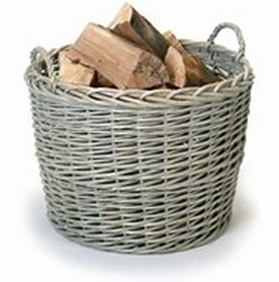
I’ve taken the liberty of bringing a basket of logs for the fire. Lady Carew is convinced this north wind is going to bring snow. It’s very cold, even for January, and especially bitter up here on the Moor. There’s a lot of sickness about. That’s why he’s so successful at peddling his potions.

Hmm. I think there has been quite a bit of peddling potions in recent times Nicola, never mind in A Cornish Betrothal

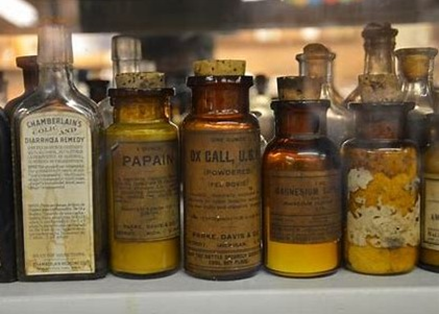
If it’s alright by you, Linda, I’d like to spend the evening going through all your medicines.

You can, but what are you looking for?

We need to see if any have labels with Dr Lovelace on them. If we find any, Dr Bohenna would like me to take them away so he can test them.

That’s fine by me. I’m not sure I want them in the house actually.

But I’m forgetting – I’ve brought you a flagon of Lord Carew’s punch. He served it on Amelia’s birthday – it’s Madame Merrick’s recipe, but I think he makes it stronger. Have you got a punch bowl to hand?

I think this one will do. 

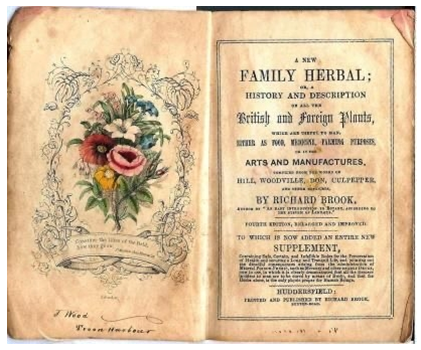
And I mustn’t forget I’ve also brought you a jar of Amelia’s green salve. It’s wonderful for stopping lips and hands from getting chapped. The recipe is in her new herbal. She’s hoping … really hoping … that it’s going to be published under the title The Lady Herbalist. It’s very awkward as I believe it was going to be dedicated to her late fiancé Midshipman Edmund Melville, but that’s all changed now. Anyway, it’s packed full of her herbal recipes and good advice. She thinks it may look a bit like this.

That looks wonderful. We’ve decided to grow botanicals in our allotment next year so Amelia’s book would be really useful.

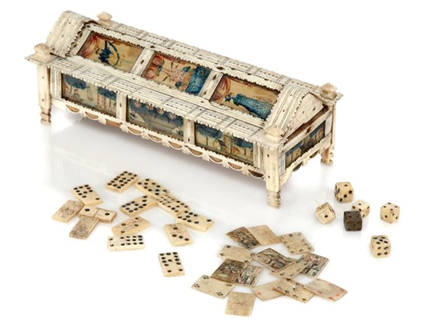
I’ve also brought you a beautifully crafted bone and wood games set  … goodness, is it the fire as I’m suddenly rather hot? No, it’s true, I do have a soft spot for Captain Pierre de la Croix and I’m just a little jealous. A handsome man if ever there was, on parole in Bodmin, and crafting such a beautiful Ark for Amelia. They say these French trinkets fetch big money in London, and who’s to doubt it? I’ve never seen such beautiful marquetry. His bone animals are exquisite, and this games set he thought might help you pass the cold winter. He carved it especially for you.

That’s beautiful. I’ll have to see if I can think of a way to thank him!

I’ll head back out onto the Moor now, but I’m not cold – not after all that punch. Thank you so much for inviting me to stay in with you tonight. I’m very glad we didn’t find any poisons among your medicines. But do be warned. Don’t let this horse doctor in … don’t buy any of his potions.

I won’t! Thanks so much for staying in with me Nicola and warning me. Any last things to tell me before you go?

And for your ears only – not a word to anyone – we think Luke was about to propose to Amelia. Honestly, the timing was terrible. Poor Amelia! What must she be going through?

I think we need to read A Cornish Betrothal to find out, don’t you? I’m delighted I have it on my TRB pile and can’t wait to begin. Thank you so much for all your advice and information Nicola. Let me give blog readers the information they will need for tomorrow’s publication.

A Cornish Betrothal

Eighteen months have passed since Midshipman Edmund Melville was declared missing, presumed dead, and Amelia Carew has mended her heart and fallen in love with a young physician, Luke Bohenna. But, on her twenty-fifth birthday, Amelia suddenly receives a letter from Edmund announcing his imminent return. In a state of shock, devastated that she now loves Luke so passionately, she is torn between the two.

When Edmund returns, it is clear that his time away has changed him – he wears scars both mental and physical. Amelia, however, is determined to nurse him back to health and honour his heroic actions in the Navy by renouncing Luke.

But soon, Amelia begins to question what really happened to Edmund while he was missing. As the threads of truth slip through her fingers, she doesn’t know who to turn to: Edmund, or Luke?

A Cornish Betrothal is published by Corvus, tomorrow, 5th November 2020 and is available for purchase through the links here.

About Nicola Pryce

Nicola Pryce trained as a nurse at St Bartholomew’s Hospital in London. She has always loved literature and completed an Open University degree in Humanities. She is a qualified adult literacy support volunteer and lives with her husband in the Blackdown Hills in Somerset. She and her husband love sailing and together they sail the south coast of Cornwall in search of adventure.

Nicola is a member of the Romantic Novelists’ Association and The Historical Writers Association.

You can follow Nicola on Twitter @NPryce_Author and visit her website. You’ll also find her on Facebook.

Staying in with Daniel T. Brown

It’s a real frustration that I can’t read every book that comes my way, but I am grateful for the fact I have a blog where I can find out a bit more about those that seem very interesting. As a result, it gives me enormous pleasure to welcome Daniel T. Brown to stay in with me today to tell me all about his new book. Let’s find out what Daniel has to say:

Staying in with Daniel T. Brown

Welcome to Linda’s Book Bag, Daniel. 

Thank you Linda. It’s a pleasure to spend this time with you.

Thank you for agreeing to stay in with me.

I am grateful for the invitation. I’m such a fan of yours Linda, and so it’s only fitting that the first interview on my book tour is with you.

Oh! I don’t think I’ve had a fan before. How lovely! Thank you. Tell me, which of your books have you brought along to share this evening and why have you chosen it?

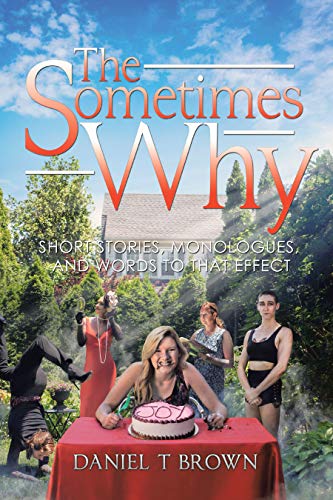
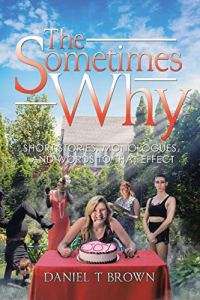
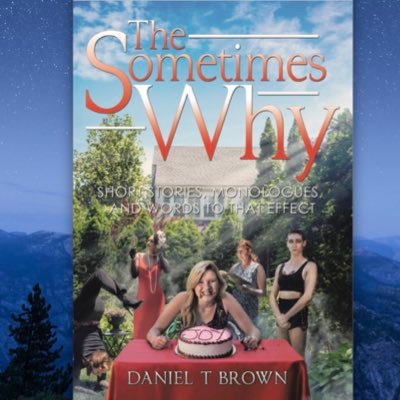
I have brought The Sometimes Why – Short Stories, Monologues, and Words to That Effect. It’s my debut book. I had been writing and directing a series of monologues for the stage. One evening at a show someone asked me if there was a book or place online where they could find a collection of my writings. At that time I had no published collections, so I decided to put my stories in a book. And here we are.

How exciting. And congratulations on your debut Daniel. I love the title. Tell me, what can we expect from an evening in with The Sometimes Why?

As the subtitle says – It is a collection of shorts stories and monologues, with some short verse as well. What can the reader expect? You know, there’s a line in the book where a character finds herself being asked to take sides in the street fight in her mind between what she’s internally striving to be, and the acceptance that what she is at this moment is good enough. That sums up a lot of what the lead characters in each of these stories are being asked to do.

I think that sums up how many of us feel much of the time actually.

These are stories about characters navigating the rough terrain of the basic human experience. They’ve all made mistakes. They’ve had to make choices that sometimes put them at odds with the people they love. Each struggles with that negative voice that lives within most people. It’s the voice that fights to make the case that we’re not enough; we’re not good enough, we’ve not tried hard enough.

I deal with this part of myself every day, and I believe most people do as well. In the description I gave the publishers at Xlibris for The Sometimes Why I tagged the project as the “ storybook companion for the flawed human being.” (laughs)

I think it’s being flawed that makes us human actually – which means I must be very human!

As a middle-aged person I found that I have spent a good deal of my life trying to be better; a better friend, a better employee, a better family member, a better contributor to society. I thought if I could perfect all of these areas, that an inner peace would come. What I found is that the peace doesn’t come until I love and accept all that I am right now…flaws an all. From there I can continue to work towards improvement. But now I can find joy in the process rather than entertain some negativity from inside myself that only drags me down. This crossroads in life is the crux of the stories I’ve written.

These stories sound brilliant – and I’m sure The Sometimes Why will resonate with so many readers. It certainly does with me Daniel.

I also want to challenge the reader. My intention is to pull the reader into the life decisions each character faces. I want it to lead to the reader questioning their own ideals, and principles.

What can the reader expect? They can expect an emotionally charged experience.

The Sometimes Why sounds exactly my kind of read Daniel. I love a book that makes me think and gets me to consider my own life and actions. 

Given the nature of The Sometimes Why, what else have you brought along and why have you brought it?


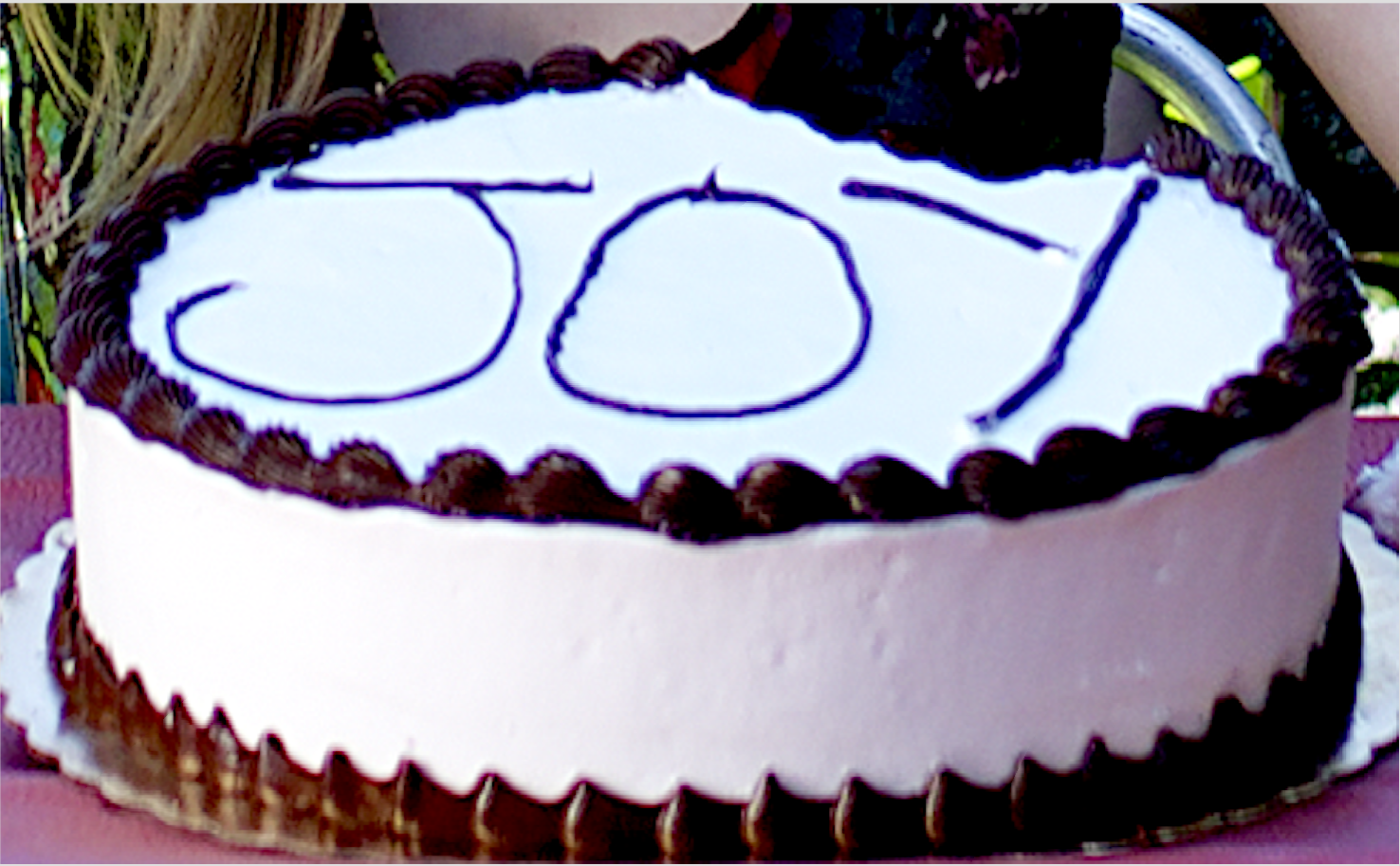
I’ve brought good stuff, Linda. I designed and shot the cover of The Sometimes Why myself, with the help of friends and some local models. The cover features a wonderful chocolate cake with “Joy” inscribed on top. My gift to you for inviting me to take part in this interview is a photo of the Joy cake with a piece missing. It’s a reminder that you should never pass up a chance to help yourself to a piece of the joy that life had to offer.

What a wonderful sentiment. I think we should all look for the joy in life.

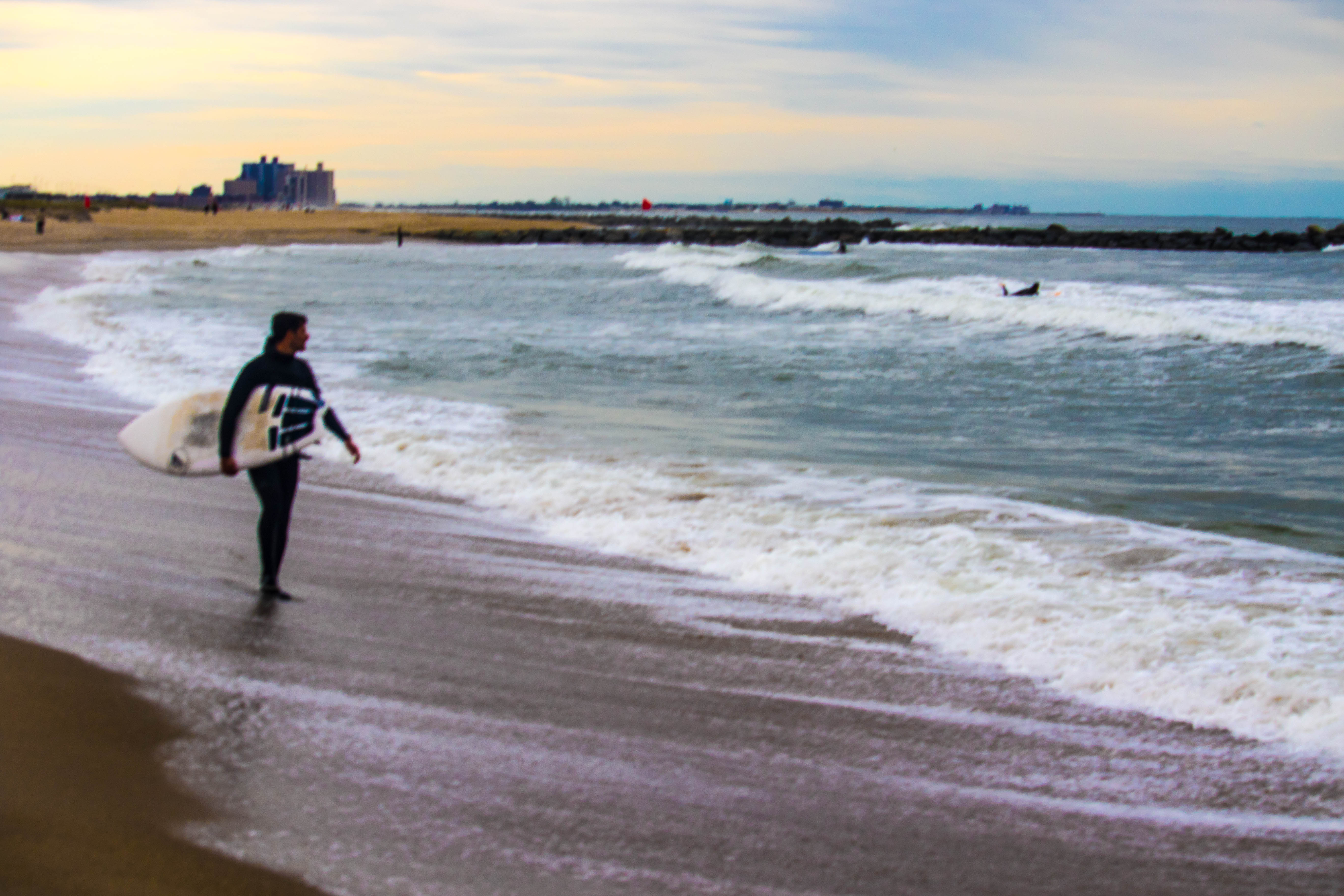
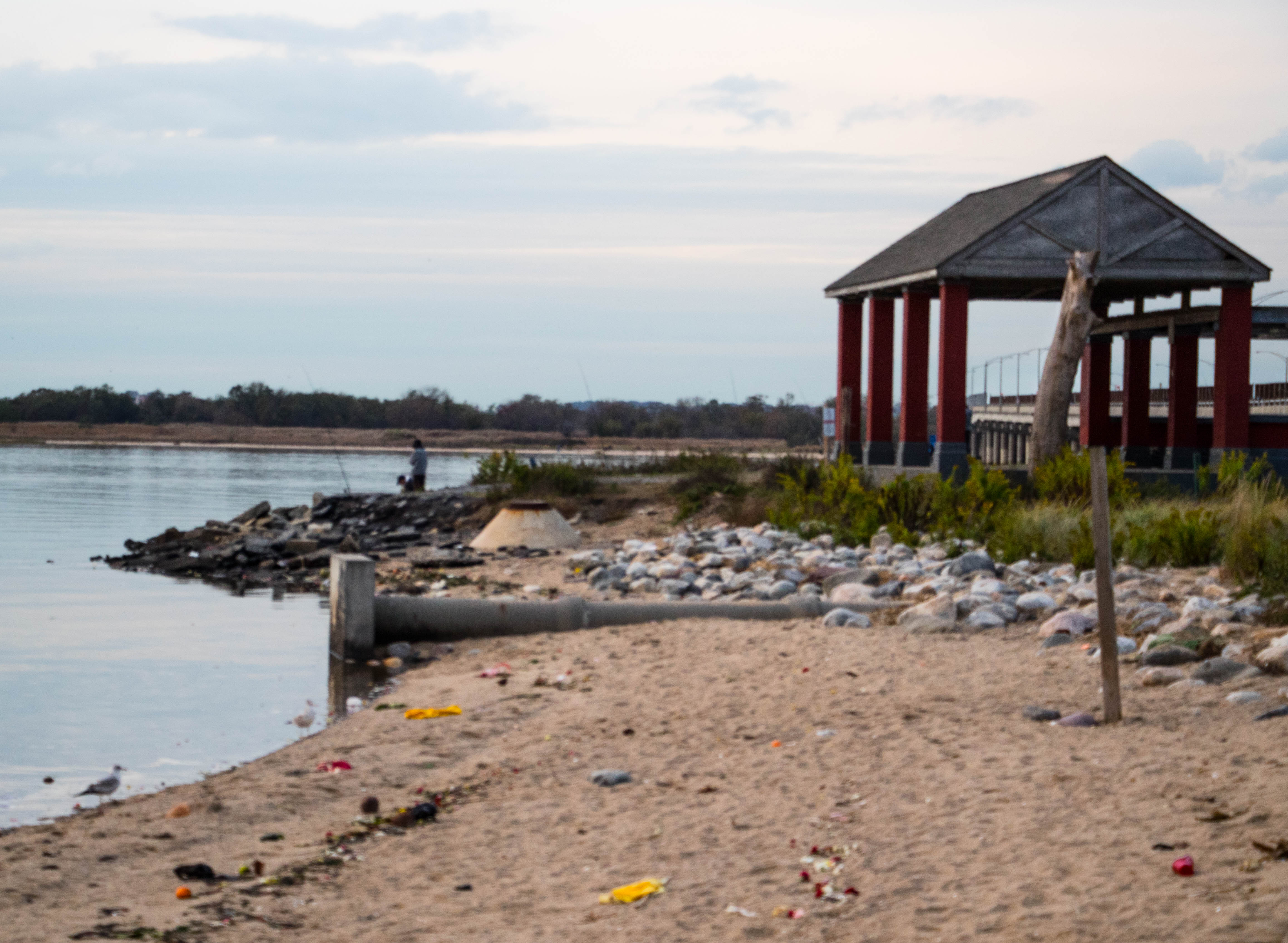
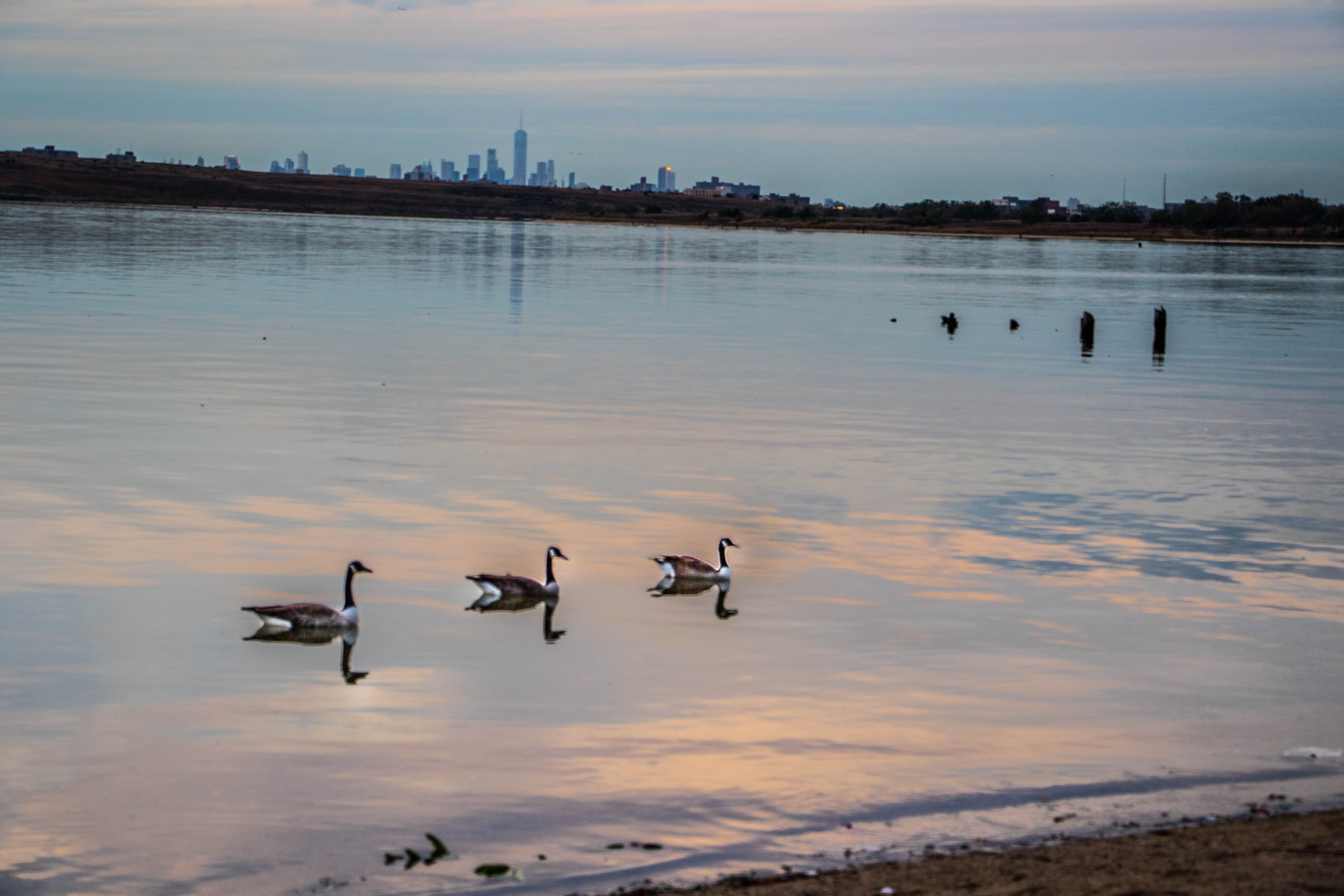
I also brought some photos of my hometown…Rockaway Beach, NY. This community has been great to me, and I’ve used Rockaway as the backdrop for a number of the stories in The Sometimes Why. These are photos I took of Jamaica Bay, and the Atlantic Ocean by my home.
I hope you like them.
I do indeed. They give me a chance to travel when we’re not really able to at the moment. I worked in New York City for a while so the reference to NY brings back many memories for me too. 
Thanks so much for staying in with me today to chat about The Sometimes Why – Short Stories, Monologues, and Words to That Effect, Daniel. I’ve really enjoyed our time together. Now, if you cut another slice of ‘Joy’ cake, I’ll give blog visitors some further information about The Sometimes Why – Short Stories, Monologues, and Words to That Effect.

The Sometimes Why – Short Stories, Monologues, and Words to That Effect

In The Sometimes Why Daniel T Brown introduces the reader to characters whose true identities are revealed through self-defining moments. These short stories, monologues, and poems place the protagonists in circumstances that call into question their priorities, integrity, and core values. As in real life, there are no clear heroes or villains in this book. Instead The Sometimes Why presents a more realistic view of people, where good and bad, hero and villain exist in all of us.
These are stories about family, friendship, love relationships, career, and self-worth. With a perfect blend of drama and comedic flavor, The Sometimes Why compels you to become deeply invested in the lives of these characters. Daniel T Brown’s writings will also challenge readers to examine their own relationship with themselves and the people in their lives.
The Sometimes Why is available for purchase from Amazon, Barnes and Noble and Xlibris.

About Daniel T. Brown

Daniel T Brown is a writer and director from Rockaway Beach, NY. He is a graduate of the School of Visual arts in NYC, with a major in filmmaking. His documentary, John Cori Warned You (2013) captures the communities on the Rockaway Peninsula  as they work to rebuild and recover from the devastation of Hurricane Sandy in October of 2012. Daniel is a community advocate who has devoted a good deal of his time to raising money and awareness for local causes.

You can follow Daniel on Twitter @sometimeswhybk and find him on Facebook.

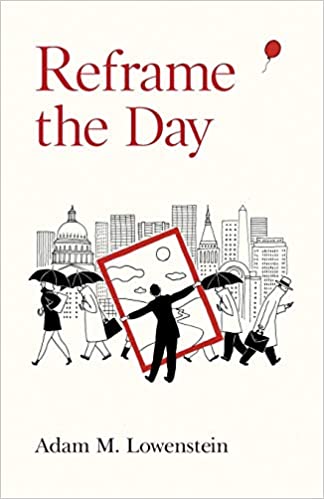
Reframe the Day by Adam M. Lowenstein

My grateful thanks to Rupert Burley at Dynamic Agency for sending me a copy of Reframe the Day by Adam M. Lowenstein in return for an honest review.

Published by Silver Wood on 20th April 2020, Reframe the Day is available for purchase in all the usual places including directly from the publisher here.

Reframe the Day

Requests and to-dos bombard your phone and inbox, day and night. Information and distractions claw at your time and attention. You’re always busy, always searching for the finish line … or at least the pause button. Life feels like an endless series of “what’s nexts”—what’s the next meeting, task, obligation, goal, achievement?

Adam M. Lowenstein emerged from the nonstop, striving-obsessed world of American politics convinced that everyone, no matter who you are or what you do, has the power to build more fulfilling days. You don’t have to undertake a radical transformation. You don’t have to quit your job or move halfway around the world.

You can simply tweak how you approach each day. Find meaning in your daily burdens and commitments. Resist the allure of busyness. Make more time for what matters to you (and feel less guilty when you do).

In Reframe the Day, Lowenstein offers ten tips, tactics, and techniques for nudging your days in a more fulfilling direction. Combining concrete advice with tools for self-reflection, ‘Reframe the Day’ shows you how to reframe the way you see and spend your days and, over time, reshape your life.

My Review of Reframe the Day

One man’s insight into the manic world in which we live!

There’s an irony to my review of Reframe the Day. The book has been sitting staring at me with incredible accusation, waiting for me to read it and adding to the stress in my life that I can’t get everything done in the time I have. Ironically, had I picked up Adam M. Lowenstein’s book sooner, I might just have found a set of tools to assist me with that very stress! Reframe the Day is a readable, accessible and entertaining read that might just give readers permission to stop the world for a while and focus in the here and now.

Reframe the Day has a very fresh and innovative feel. Adam M. Lowenstein doesn’t profess to be an expert and this isn’t a contrived self-help book of the ‘do as I say, not as I do’ variety. Instead, the author offers a very personal and honest insight into some of the elements that have helped him deal with a frenetic lifestyle in a book that reads partly like a personal diary and partly like a university thesis and is interesting and engaging. As a British reader I do think some of the more North American references might have been better appreciated by other readers, but that didn’t adversely impact my absorption in Adam M. Lowenstein’s writing. Indeed, the text is backed by extremely well referenced end notes so that readers can investigate further.

There’s a super conversational style that I very much enjoyed. It does feel as if the author is speaking directly to the reader as he might a friend or colleague, and I loved the diffidence with which he explains that he hasn’t mastered every technique such as balancing FOMO, replying to emails and some notifications, or meditating effectively. I found myself agreeing or nodding on several occasions such as when Lowenstein comments, for example, that he is ‘more cognizant of my tendency to make plans to do things whilst resisting actually them’.

I finished Reframe the Day feeling as if I’d been reading about a kindred spirit and knowing that I have learnt some techniques to help me reframe my days. In particular, I’ve realised that I will ‘come up short’ against my own and other people’s standards and that is perfectly acceptable. That knowledge is quite a relief!

About Adam M. Lowenstein

Adam M. Lowenstein spent eight years working in American government and politics in the United States, most recently as speechwriter and strategic communications advisor in the United States Senate. Today, Adam lives in London with his partner, Erin, and writes frequently about politics, work, and life. For more information, follow Adam on Twitter @amlowenstein, or visit his website.

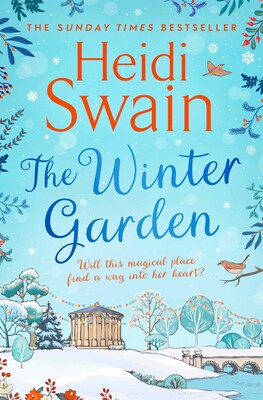
The Winter Garden by Heidi Swain

I’m beginning to think lovely Heidi Swain appears on Linda’s Book Bag more frequently than I do, but I simply cannot resist her writing and although I really wasn’t going to accept any further blog tours for a while, I jumped at the opportunity to participate in this tour for Heidi’s latest book, The Winter Garden. My grateful thanks to Harriett Collins at Simon and Schuster for inviting me to take part. It feels a bit of a privilege to be closing the tour.

In case you weren’t aware of how much I love Heidi’s writing, you’ll find the following posts on the blog:

My review of The Secret Seaside Escape here.

My review of Poppy’s Recipe for Life here.

My review of Mince Pies and Mistletoe at the Christmas Market here.

A ‘staying in’ post with Heidi to chat all about Sunshine and Sweet Peas In Nightingale Square here.

A guest post from Heidi to celebrate Snowflakes and Cinnamon Swirls at the Winter Wonderland, explaining exactly what Christmas means to her here.

Published by Simon and Schuster on 1st October 2020, The Winter Garden is available for purchase through the links here.

The Winter Garden

Will love bloom this winter?

Freya Fuller is living her dream, working as a live-in gardener on a beautiful Suffolk estate. But when the owner dies, Freya finds herself forced out of her job and her home with nowhere to go. However, with luck on her side, she’s soon moving to Nightingale Square and helping to create a beautiful winter garden that will be open to the public in time for Christmas.

There’s a warm welcome from all in Nightingale Square, except from local artist Finn. No matter how hard the pair try, they just can’t get along, and working together to bring the winter garden to life quickly becomes a struggle for them both.

Will Freya and Finn be able to put their differences aside in time for Christmas? Or will the arrival of a face from Freya’s past send them all spiralling?

The Winter Garden is the perfect read this Christmas, promising snowfall, warm fires and breath-taking seasonal romance. Perfect for fans of Carole Matthews, Cathy Bramley and Sarah Morgan.

My Review of The Winter Garden

Now, I know this is going to sound ridiculous in a book review, but reading Heidi Swain feels to me rather like coming home. I always pick up one of her books with trepidation, wondering if this time the magic of her writing won’t be there, and within half a dozen pages I know I’m in for another of her gorgeous, signature, heart warming stories brimming with love and community. The Winter Garden is no exception and I loved thoroughly enjoyed it.

Freya is a girl after my own heart. Her love of the natural world, her challenging mother, her interest in gardening (and in some of the men) in the narrative resonated with me completely. Reading about her in The Winter Garden felt as if I’d just caught up with a very dear friend. I could hear her natural voice chatting to me as I read her first person story. It was also a real treat to return to the characters I’ve met in Nightingale Square before in other Heidi Swain books. Add in the gorgeous Finn, the roguish Zak and abominable Jackson and there’s a cornucopia of new people to enjoy too. However, that said, my heart was most touched by Eloise. I found her wisdom and influence hugely affecting and I experienced a wistful longing to have met her. Even Nell gained my empathy and she’s not even human!

The plot is charming with a will they/won’t they narrative which I found very entertaining. Indeed, at one point I wasn’t quite sure which man might be Freya’s ultimate partner. I was expecting a happy ever after ending, but it wasn’t always clear I was going to get one and you’ll have to read The Winter Garden to see if I my expectations were fulfilled. What I always love about Heidi Swain’s writing is that community is at the heart of her stories. Whilst romance plays its part she illustrates beautifully that human connections, care and support are the glue that bind us all together. In today’s world I think The Winter Garden could be just the balm our frequently frazzled minds need. I felt Heidi Swain’s story telling took me back to nature and showed me true values in life.

The Winter Garden is a treat of a read. It’s perfect for a chilly winter afternoon or evening and transports the reader to a world where the path of true love may not always run smoothly, but my word, it’s worth the journey! The Winter Garden put a smile on my face and brought me happiness and I can’t think of anything better in these rather bleak times!

About Heidi Swain

heidi-swain-576635598

Heidi Swain is the Sunday Times bestselling author of several novels including The Cherry Tree CafeSummer at Skylark FarmMince Pies and Mistletoe at the Christmas MarketComing Home to Cuckoo CottagePoppy’s Recipe for LifeSleigh Rides and Silver Bells at the Christmas Fair, The Christmas Wish List, The Secret Seaside Escape and now The Winter Garden. She lives in Norfolk with her husband and two teenage children.

You can follow Heidi on Twitter @Heidi_Swain and visit her blog or website. You’ll also find Heidi on Facebook

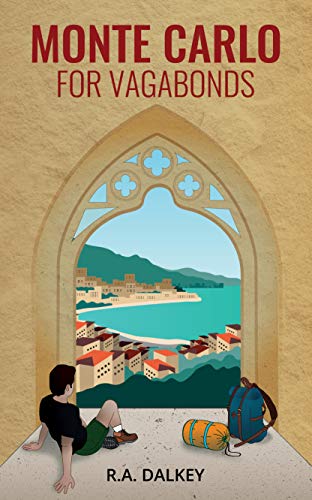
An Extract from Monte Carlo for Vagabonds by R.A. Dalkey

It’s a little over four years since R.A. Dalkey stayed in with me to chat all about Never Drive A Hatchback To Austria (And Other Valuable Life Lessons) in a post you can read here. Now Richard is off on another adventure and at a time when actual travel is denied so many of us, what could be better than to read an extract from his new book, Monte Carlo for Vagabonds?

Monte Carlo for Vagabonds is available for purchase through the links here.

Monte Carlo for Vagabonds

The world wants R.A. Dalkey to pay for hotel rooms and tickets, not travel around with a hammock and sneak free rides!

But R.A. Dalkey says ‘boo’ to that.

He’ll roll out his sleeping bag in Madrid’s red light district, nap on the streets of Monaco and furtively string up his hammock on Swiss farms. He’ll spontaneously teach English in Laos in exchange for rice. He’ll thumb rides anywhere from Timor to the Orange Free State. He’ll try smiling a lot, and see where it takes him. Most of the time it’s somewhere good.

As this collection of true travel stories will reveal, it doesn’t always go smoothly. Indonesian bush-fires chase him from his campsite. His shoes freeze solid in Siberia. He gets head-butted by an Albanian villager. He’s shaken by earthquakes and terrified by witching-hour excavations in Andorran valleys. And, incompetent as ever with ropes, his hammock has a habit of falling down in the middle of the night – with him in it.

Yet he wouldn’t have it any other way: travelling Dalkey-style delivers the richest of experiences. And as he shares the adventures few of us would brave, you’ll pick up gems about this crazy planet. Do you know which head of state was an Olympic bobsleigh competitor? Or how long your unattended bag will go untouched in Japan? Who’s eating all the ice cream in Pyongyang? And how do cats jump in Swedish?

Like that uncle with the rose-tinted specs and a grumpy anarchist student rolled into one, Dalkey turns up his nose at travel insurance and shows there’s more than one way to see a world that always steers us to play it safe…

An Extract from Monte Carlo For Vagabonds

The Kindness Of Strangers

Shkodra, Albania, September 2019

You know that feeling that somebody is watching you? I had it now. I tried to ignore it, but there was an insistence about it. Something in my peripheral vision was nagging at me.

I turned my head away from the sun dropping seductively over the distant hills of Montenegro, and looked out of the driver’s side window. And wasn’t completely surprised to discover an entire family looking at me in enquiring fashion.

At the front of the formation was a young-faced, attractive woman with pale skin and manicured eyebrows. She wore a lustrous green headscarf, along with the abaya that one still occasionally saw in Northern Albania. Hanging slightly behind her, a tall man with short brown hair, a moustache and carefully groomed whiskers following his jawline. Somewhere around their legs hovered an indeterminate number of children. It had to be the crew I’d just driven past on the road towards this village, only a couple of minutes before I turned into this farm track and parked up with a golden view over Lake Shkodra. They looked as though they might fancy a chat.

I rolled down the window.

“Hello,” smiled the woman, in the friendly, non-official sort of way I much prefer when it comes to unsolicited enquiries. “Where are you from?”

“South Africa!” I replied gaily. Then I waited for the usual puzzled reaction. Most places you go, people haven’t ever met a South African before. Either that or they want to know why you’re not black. Apart from that one moment in a Beijing hostel, my nationality has almost never failed as an ice-breaker.

But this lady seemed to take it all in her stride. “Well, I am Drita! This is Arber, my husband! Nice to meet you! So what are you doing here?”

That was a good question. At that precise moment I was watching the sunset, but details of what I would be doing thereafter were hazy. I’d just spent the day hiking up in the unforgettable scenery of the Accursed Mountains (that’s their name, genuine!) towards Kosovo, and the only plan I had was to find somewhere to park my hire car and nap for the night. I’d been toying with the idea of bunking down around here – perhaps even right here. A village amongst the fields outside the city of Shkodra would certainly offer a sounder, more peaceful site than anywhere closer to town would.

So I said: “Oh, I was just watching the sunset!”

“Well, do you have time for a coffee?” asked Drita. “We’re just going to see my parents. Their house is just over there.”

Just like that.

Did I have time to visit an authentic Albanian home as the guest of a highly hospitable, curious Albanian family? I think you know the answer by now. Moments like this were the Holy Grail of travel! The rarest of experiences – those money couldn’t buy and no tour guide had faked. Ever since things had worked out just fine with Mr Hans in Oslo all those years ago, I’d long had a policy of seizing invitations like this in much the same way a cowboy wrestles a calf to the ground. They didn’t come around all that often.

On those occasions when invitations like this had presented themselves, nothing but good had come of it. Saying ‘yes’ to exceedingly fresh acquaintances had led to classic Aussie barbecues in Adelaide, home-cooked Cantonese dinners in Guangzhou, giving English lessons in Laos, street cricket in Sri Lanka, spontaneous sake with drunken Japanese businessmen, dancing in Pyongyang parks, and – just two days earlier as I’d waited for the ferry to Durrës – getting served in a Bari restaurant that was extremely reluctant to consider waking up the chef as early as seven-thirty in the evening. The latter encounter with an Italian speaker had me more convinced than ever that the only reason not to engage people, accept invitations and be willing to hang with them was if you sensed a bad vibe. And on top of that were quite sure you weren’t imagining it.

So I grinned and said: “Why, yes I do! I’ve got all the time in the world, in fact.”

I proceeded to follow the family a few metres further along the rutted track, which curled downhill through the field. I cruised up to the back fence of what had to be Drita’s parents’ home. Then they waved me into the driveway in the gathering darkness.

Hospitality must have sat deep in the blood in this part of the world. Drita’s father had been given precisely zero warning that his daughter was going to bring a random stranger to visit. Yet he beamed with joy and greeted me like a long-lost son. It was as though my appearance was the cherry on top of his evening. (I briefly had my doubts about that when he tried to head-butt me along with his firm handshake, but I understood just in time that this must have been how men of his generation greeted each other around here.)

He ushered us through a typically spacious, orchard-like Balkan garden like a man on a mission. I was instantly reminded of Piotr, our man from the train to Pervouralsk. Dad didn’t speak anything but Albanian – and I’d gotten no further in the last 48 hours than finally mastering the five-syllable word for ‘thank you’ – but that sure wasn’t going to stop us having a chinwag. Not if he had anything to do with it.

Drita’s stocky father, whose eyes were still sharp and to whom a lifetime of country air had evidently been good, showed us into the house. As you’d expect of a parental abode in the country, it leaned towards the old school. Just what I wanted! We took off our shoes and were all invited into a large, minimalist lounge on the left. The armchairs, sofa and low coffee table took up only one corner of the room. Apart from a wall unit with a few photos and the like, there wasn’t a lot else to look at. But it didn’t matter, because this place palpably had the spirit of a happy home.

The old boy sank into his favourite armchair. (Have you ever met an old man without one?) Drita’s mother appeared – she also looked young and healthy for a grandparent, with her brown hair, switched-on face and ready smile. We all sat down, apart from the kids, whose number I could now firmly put at three and who were all younger than ten. They would proceed to spend most of the evening running in and out of the room. Between Drita’s basic English and Arber’s rudimentary German, we communicated after a fashion.

“My father says you’re a good boy!” translated Drita after the first grinning outburst from Dad.

“Well, he wouldn’t say that if he really knew me, but tell him I say thanks for having me. No, wait, I can say it myself! Fah…leh…min…DEH…rit!

Everyone was very impressed at that, despite my hopeless, halting delivery. It’s the thought that counts, isn’t it?

Bukur!!” bellowed Dad in delight, slapping me on the knee.

I gathered that bukur meant something positive and good.

Schön,” confirmed Arber.

I nodded, and made a note to use the new term as soon as I got the chance. And as ‘coffee’ somehow turned to boiled sweets, soft drinks, raki and then a multi-plate buffet dinner, there were plenty of moments to press it into action. And each time, the old boy roared with glee. It’s amazing how one word can keep people who don’t speak the same tongue entertained for a whole evening.

But every now and then – like when Pops went to chase the kids around the house, or when Arber laid out a towel on the ground and performed evening prayers before dinner – I was left with an opportunity to reflect. I pondered the chances of this having happened if I’d been travelling the way normal people did. If I hadn’t been pottering about random fields in a car, with no place to go and half an eye on a good parking spot in which I could sleep, these people would never have chanced on me. No, I’d have been chewing listlessly on my dinner in some dire hotel canteen back in Shkodra. I was again reminded, too, of the value of travelling solo. Slim are the chances of sleeping in front seats when you’re on the road with the missus, at least in my experience. And a pair never looks as though it might be short of someone to talk to, either, and so a couple is far less likely to be approached by innocent, friendly strangers up for a chat.

It was only when the women withdrew to prepare dinner, brought all the food to our table and then proceeded to eat in some unseen separate room that I grasped quite how traditional an experience this evening really was. Northern Albania was nominally Muslim, though I’d seen (and heard) zero action around the mosques and minarets. I’d gotten the distinct impression that people in Albania weren’t at all religious in practice, but it seemed this family embraced the lifestyle to a greater degree than some. Yes, there was raki in the house, but this was purely for unsuspecting visitors. And though Mom didn’t wear a headscarf, Drita was one of very few women I’d seen wearing an abaya.

Being waited on to such a degree at dinner and then not be joined by the cooks was a little awkward for me at first, but I quickly distracted myself with the spread on the coffee table. Lamb on the bone, cheese, bread, potato and carrots kept me busy and enthusiastic enough that nobody noticed I was giving a wide berth to my culinary bête noire, the foul and disgusting tomato. Some consider me a fussy eater – rubbish, I say, the only thing I don’t eat is salad and all its ingredients! – but on nights like this one I did have my fears. I had no control over the menu! What if they brought great piles of tomatoes, olives, avocados and peppers – a realistic possibility in this part of the world – and I had to try and eat them? My stomach turned at the mere thought of having to gnaw my way through the sickly, salty horrors of an olive. But luckily the cooks guessed well.

They were certainly way more prepared to throw a banquet than I would have been if a traveller rocked up on my doorstep without warning. (Given the typically perilous state of my fresh supplies, they’d be lucky to get baked beans and crackers.) Domestic preparedness like this always impresses me. I wished I could have spoken to my hosts properly, but the language barrier is just such a thorny one after a while.

And Albanian was nothing if not impenetrable. It was famous for not being remotely related to any other language – you weren’t going to be able to pick up the odd word here and there, as you might with Dutch or Italian. It didn’t even sound like anything else, as I’d already gathered listening to the car radio. The only thing it reminded me of was, in fact, Irish Gaelic, and then only because of the way they said mirë, which meant ‘good’ and seemed to come up a lot. It’s not pronounced the way it looks. It’s pronounced in a way that rhymes with a Wicklow fishwife screeching at her kids to ‘c’mere’. I’d grown so familiar with mirë that I even slipped it in as an alternative to bukur now and then.

But despite my extensive vocabulary, conversation did start to run out at a certain point. At which Arber had the genius idea of video-calling his brother. Said sibling lived in Bristol and spoke terrific English. Seeing me enjoying North Albanian hospitality seemed almost to bring a tear to his eye. He spoke with great wistfulness about the old country and how well people were going to take care of me. He was lovely. Sometimes technology really is a marvel.

By the time the evening was ready to wrap up, my lowly plans for the night had become knowledge amongst the company. Thus it had been agreed that I could sleep over at Arber and Drita’s place in Shkodra itself. Well, I wasn’t going to complain at the chance to lie down on something soft! It’s very difficult, I have noticed over the years, for people not to make such offers after you tell them you’re planning to sleep in the car.

We said our goodnights and faleminderits to our hosts out in the garden. Just like before, Drita’s mother offered only a handshake. As for Dad, I was ready for the light butting of foreheads this time around. I decided it was a fun custom once you were used to it. You could pretend to be a goat for a moment, and I’m all for that.

We still had to get back to town, mind you. As far as I could gather, the plan was that we’d all pile into my hire car. No problem for me, of course, except I had a raki in my guts and Arber told me this was very bad. “Polizei!” he kept saying, suggesting that the limit here was zero and that he should take the wheel. Again, no problem for me, but was it a problem for the car rental people? I’d signed a bunch of stuff in Albanian and had no idea what it amounted to, but I knew for sure that car hire companies were forever being difficult about extra drivers. (A desperately irritating money-making thing almost certainly traceable to our friends in the insurance industry. Why can’t any person with a licence drive a given car? That’s why we have licences.)

It was a dilemma: did I drive ‘drunk’ or hand the keys to a guy who might prove to be an issue in the event of an inspection of the papers in the glove box? One thing I did know was that the chances of getting pulled over were truly outstanding. Never in my life had I driven in a country with so much roadside police presence. It was as though Enver Hoxha and his paranoid regime were still running the place. Most drivers seemed far more cautious than I had come to expect following previous trips to the Balkans, so I’d gotten the impression the locals took these patrols seriously too. I hadn’t yet had a spot-check, which gave me a nervous feeling that I was due. Especially on a Saturday night, every traffic officer’s favourite of the week.

Since I couldn’t explain my concerns about the extra driver thing in a way Arber would grasp, and thought perhaps an Albanian speaker would have more chance of explaining away such a ‘misdemeanour’ than my failing a breathalyser test, I decided to let him be our chauffeur. At least he knew the way. We’d probably get the journey over quicker.

In the event, he drove a little too slowly and carefully. We only had about ten kilometres to cover, but my how they dragged. I held my breath every time we saw lurking blue lights, which was often. I knew from bitter experience that crawling vehicles could attract as much attention as racing ones. And the longer we were on the road, the more exposure we had to the boys in blue. But I held my tongue and let him drive his way. It was with enormous relief that we pulled up outside his house unscathed after what felt like about an hour.

Then my heart sank – Arber discovered he’d left the house keys back at the in-laws’ place. You had to be kidding me! I’d only just dodged a free stay in an Albanian jail, and now we were going to have to make a return journey?

*

I love this extract. It really makes me want to pack my bags, put Monte Carlo for Vagabonds in my hand luggage and head off!

About R.A. Dalkey

R.A. Dalkey (nom de plume) was born in Cape Town, holds British citizenship and now lives halfway up a steep, wooded incline on the edge of Vienna. Between growing up amidst the euphoria and disappointments of post-Apartheid South Africa and settling (Brexit-permitting…) in Austria at 35, he’s lived in the USA, Australia and the UK.

An incorrigible dreamer, he’s driven outback trucks in Australia, spent two years trying to be a professional golfer and slept rough everywhere from Monte Carlo to Siberia, visiting over 70 countries along the way. Including Ireland, where he cracked up every time he rode the DART train past a town called Dalkey, and an author name was born.

As for the occasional bout of work, he’s known to do his fair share of editing magazines and writing. Under his own name, his words have been published by GQ, Reader’s Digest, The Sunday Times, Australian International Traveller, Die Presse, Autosport, Sports Illustrated and Reuters, to name just a handful.

For more information, find R.A. Dalkey on Instagram and Goodreads or follow him on Twitter @mygreenjacket.
Staying in with Michael Shotter

It’s so exciting ‘meeting’ new to me authors and today I am delighted to welcome Michael Shotter to Linda’s Book Bag to tell me all about his latest release.

Staying in with Michael Shotter

Welcome to Linda’s Book Bag, Michael and thank you for agreeing to stay in with me. Tell me, which of your books have you brought along to share this evening and why have you chosen it?

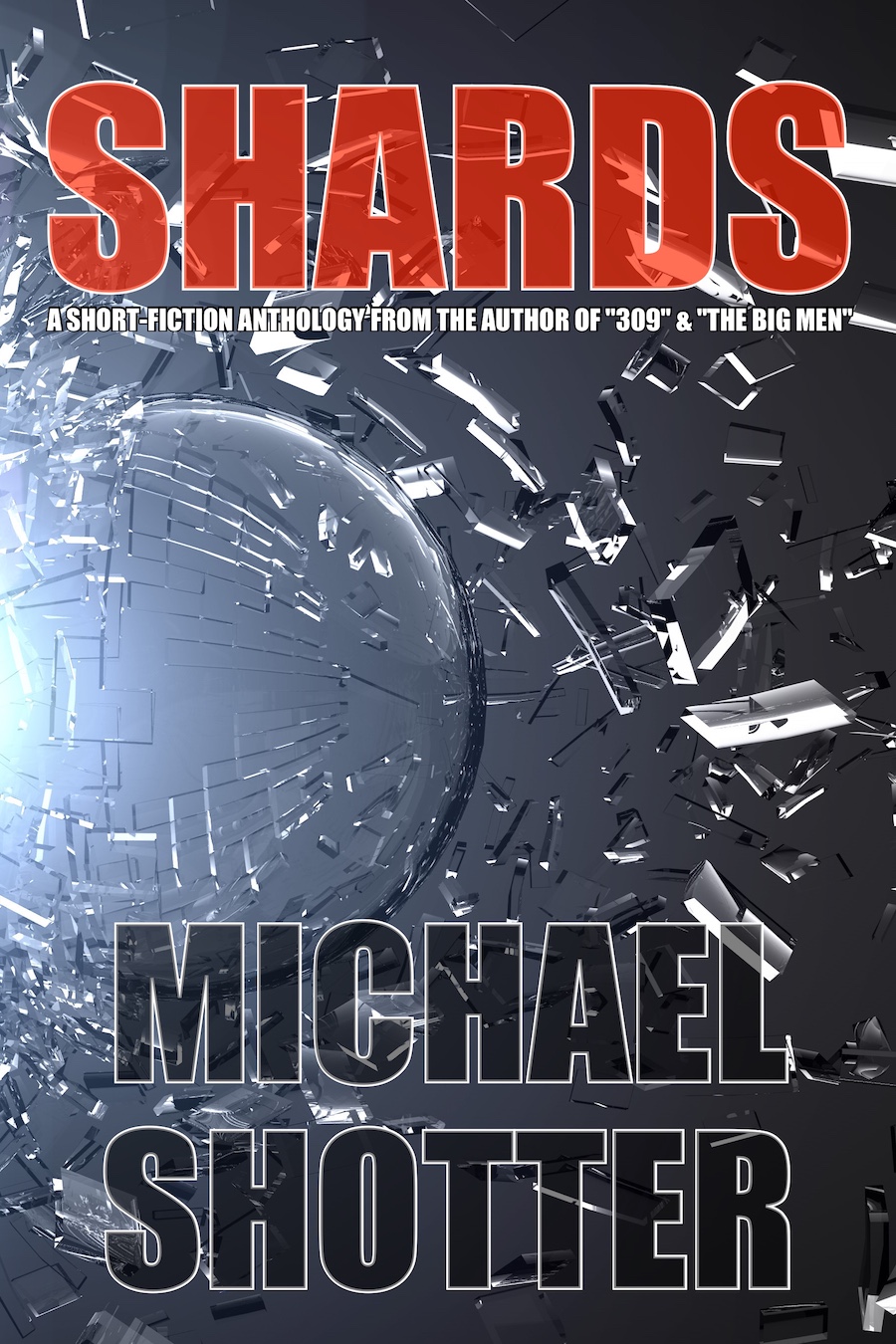
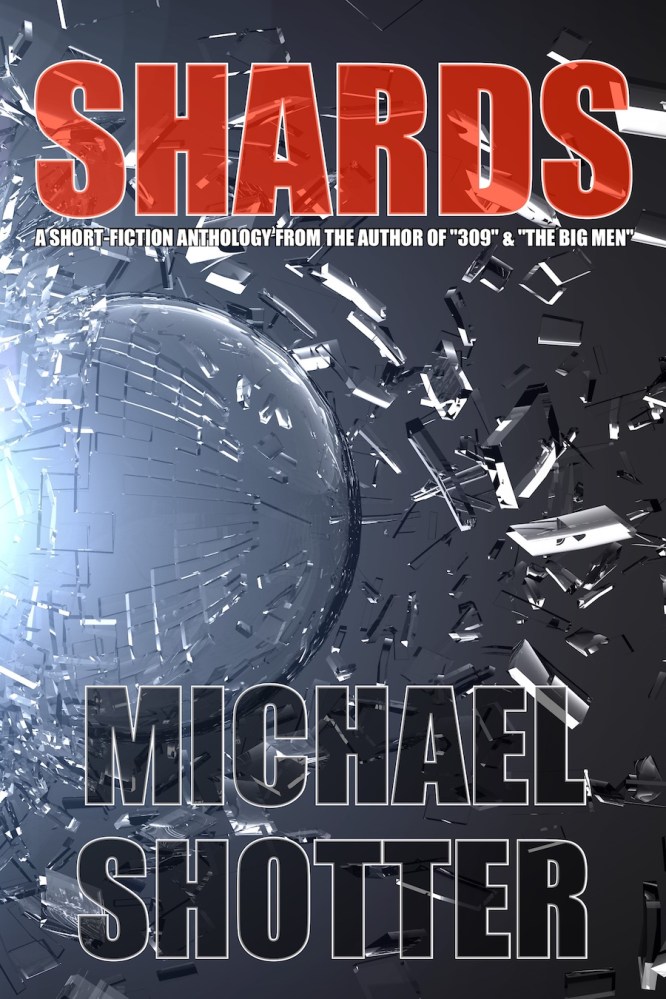
The book I’m currently most excited about is Shards, which is a short-fiction anthology, and my most-recent release. It’s currently available as a paperback or Kindle Edition eBook at Amazon and is the first of my books that can be read for free with Kindle Unlimited.

How exciting. Congratulations. I’m beginning to develop a taste for short fiction Michael, so what can we expect from an evening in with Shards?

I think one of the strongest aspects of the book is that it has a little something for everyone. Each of the eight stories included in Shards has a bit of a different feel and touches on some different themes and concepts while staying true to the overarching literary style I’ve established over the past few years. As a result, there are moments that are a bit sci-fi, actiony, fanciful, mysterious, or even humorous. Still, I think the most potent, most recurring elements in the book tend to focus on horror as many of the characters find themselves in unsettling, often-terrifying situations via a variety of circumstances.

Shards sounds fascinating and as if there’s something for every reader. 

What else have you brought along and why have you brought it?

This image has an empty alt attribute; its file name is drinks.jpg

I decided to bring along a few adult beverages, primarily to emphasize that Shards is a book that’s very much written for adults. Not that it’s particularly or excessively explicit but it certainly deals with some subjects that likely wouldn’t be appropriate for most young readers.

Now I’m intrigued!

That said, I could absolutely imagine at least a few folks choosing to curl up with Shards after a nice, stiff drink in anticipation of becoming a little, pleasantly freaked out, and ideally, thoroughly entertained.

I think that sounds an offer I can’t refuse Michael! You pour us one of those adult beverages and I’ll give blog readers a little more information about Shards. Thank you so much for staying in with me to tell me all about it.

Shards

When worlds collide, the effects can range from subtle to profound. In this first-ever, short-fiction collection from the author of 309 and The Big Men, experience the intrigue, excitement, and terror of such events from a variety of perspectives as each unique tale unfolds.

This collection includes the hit novelette, “Academic Displacement,” and seven all-new stories sure to please fans of thrilling, thought-provoking, and engaging prose.

Shards is available for purchase here.

About Michael Shotter

Michael Shotter is a lifelong resident of Pittsburgh, Pennsylvania. As a lover of science, fiction, and fantasy, his works aim to push beyond the boundaries of traditional genre fiction into new and exciting realms born from literary craftsmanship.

For more information about Michael and his writing, visit his Goodreads page, find him on Facebook or follow him on Twitter @shotterwriting.

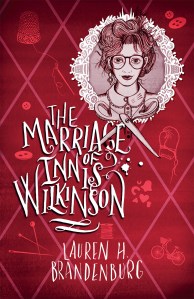
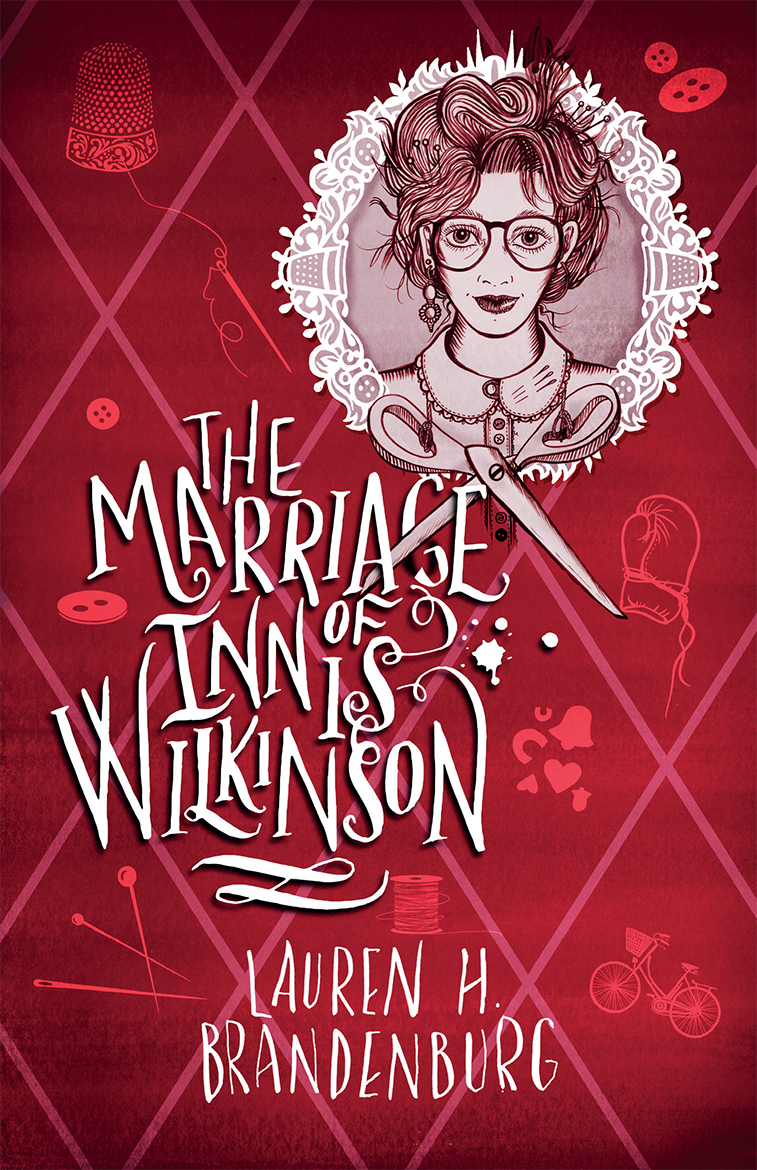
The Marriage of Innis Wilkinson by Lauren H. Brandenburg

My enormous thanks to Fern at Lion Hudson for inviting me to participate in the blog tour for The Marriage of Innis Wilkinson by Lauren H. Brandenburg and for getting Lauren to stay in with me to chat all about the book. I’m delighted to host Lauren and to share my review of The Marriage of Innis Wilkinson too today. Not only that, but I have a smashing chance for one blog reader to win a paperback copy of The Marriage of Innis Wilkinson, along with Lauren’s first book, The Death of Mungo Blackwell. Details below!

Staying in with Lauren H. Brandenburg

Welcome to Linda’s Book Bag Lauren and thank you for agreeing to stay in with me.

Oh my goodness! Thank you so much for inviting me! It’s definitely worth the travel.

You’re very welcome. So, tell me, which of your books have you brought along to share this evening and why have you chosen it?

I’ve brought The Marriage of Innis Wilkinson. It’s such a cosy read for an evening in and is full of such lovely characters. I can’t wait for you to meet them! And it’s my newest release, so I hope you’ll get a few sneak peeks into my little village of Coraloo and all its goings-on.

I have actually met them Lauren and I’m sharing my review below. I very much enjoyed my trip to Coraloo! For those who’ve yet to go there, what can they expect from an evening in with The Marriage of Innis Wilkinson?

It’s definitely a story of love, traditions, superstitions, and finding yourself amidst distraction. I’m always a bumbling mess when I need to go on about my writing, so I’ll let one of my endorsers tell you what she thought: “In a sea of cookie-cutter novels, The Marriage of Innis Wilkinson is a refreshing and imaginative tale of freshly sharpened scissors, feuding families, and finding peace in the bonds that truly bind us together. Brandenburg has again proven that she possesses that most rare and wonderful gift . . . the gift of storytelling.”

Wasn’t that so kind? Sigh… I melted at ‘storytelling’.

That’s a lovely summing up of The Marriage of Innis Wilkinson Lauren and one I completely agree with.

You can also expect to be wrapped up into an on-going festival and all the funny shenanigans that go into planning the most talked about wedding in the history of Coraloo.

That’s true! What else have you brought along and why have you brought it?

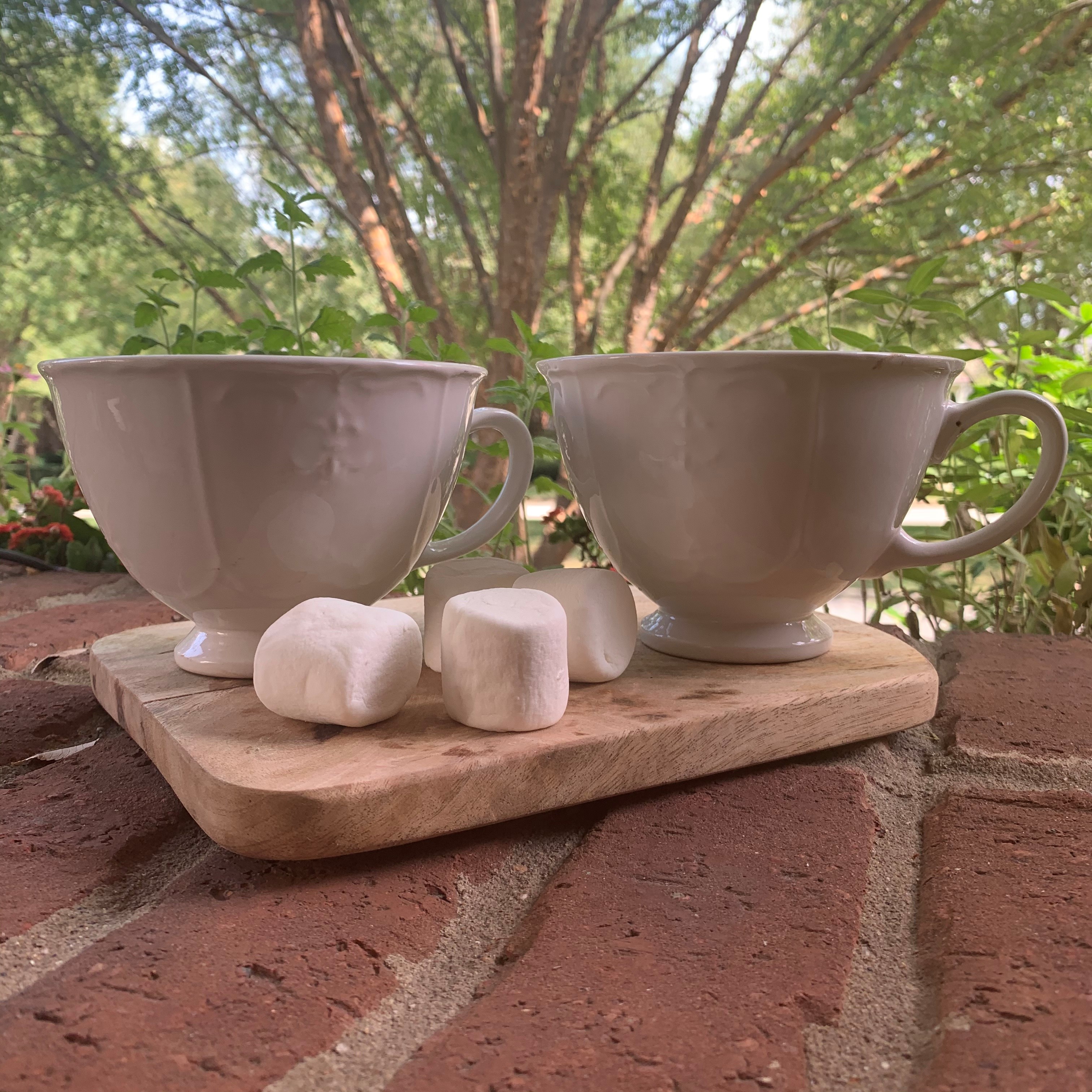
I have brought hot cocoas for us – my husband makes it for me every morning. I don’t really like coffee because it just doesn’t taste as good as it smells – my characters don’t favor it either. And I prefer to have tea in the early afternoon. So cocoa it is! Do you take marshmallows with your cocoa?

I most certainly do! You can come again if you’re going to bring drinks like this. I don’t drink coffee either for exactly the same reason so cocoa is perfect.

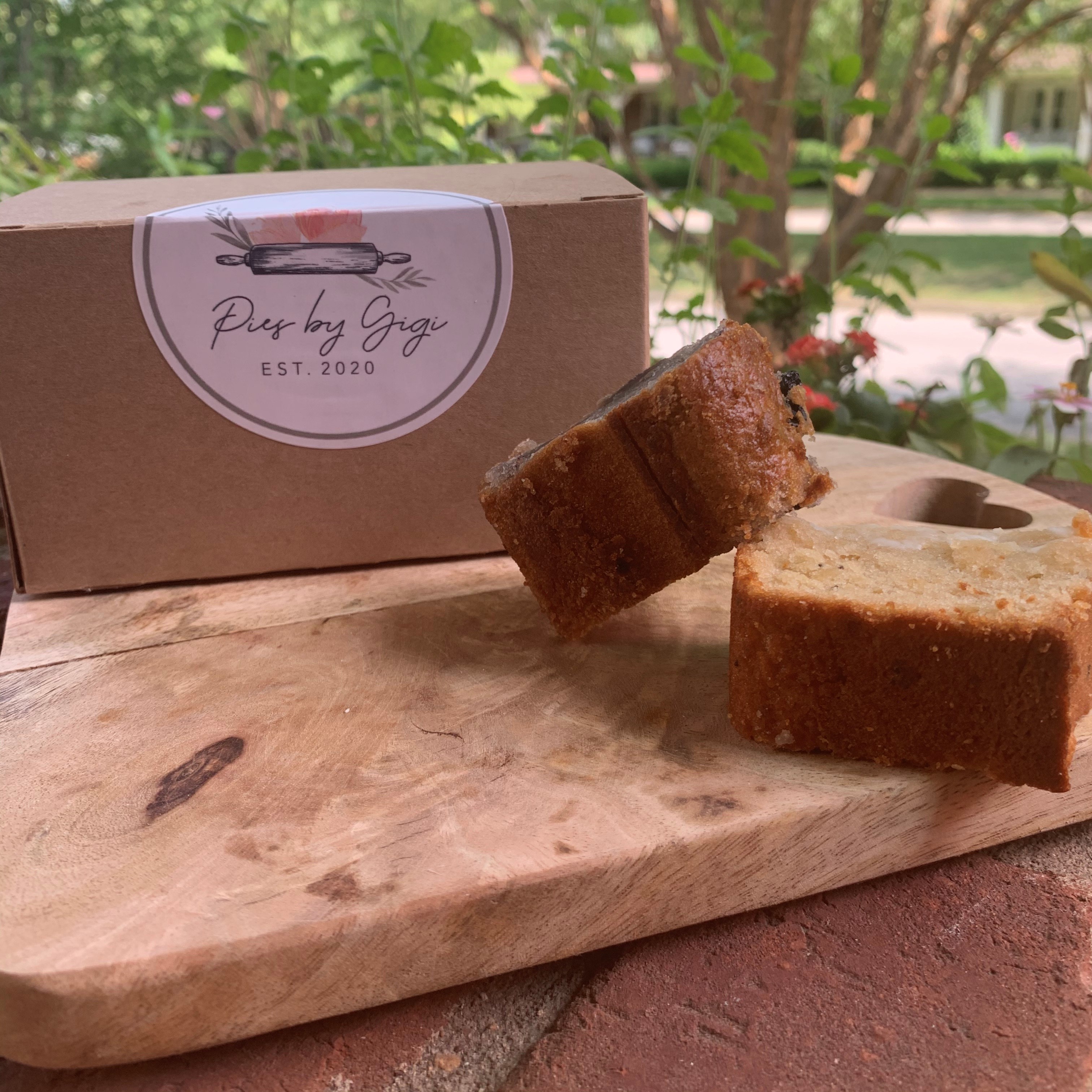
Because I prefer to shop local shops whenever possible, blueberry cake and lemon poppy seed cake from a friend’s bakery. She used to own a cupcake empire but has decided to try something new. And a super fun bookish fact: for the first-time readers see a bakery (not to be confused with the macaron shop in the flea market) in Coraloo – Torte di Jami. It’s actually named after my sister-in law Jami who makes fabulous cakes for any occasion… even weddings!

That looks wonderful. I’ll have a slice after our chat.

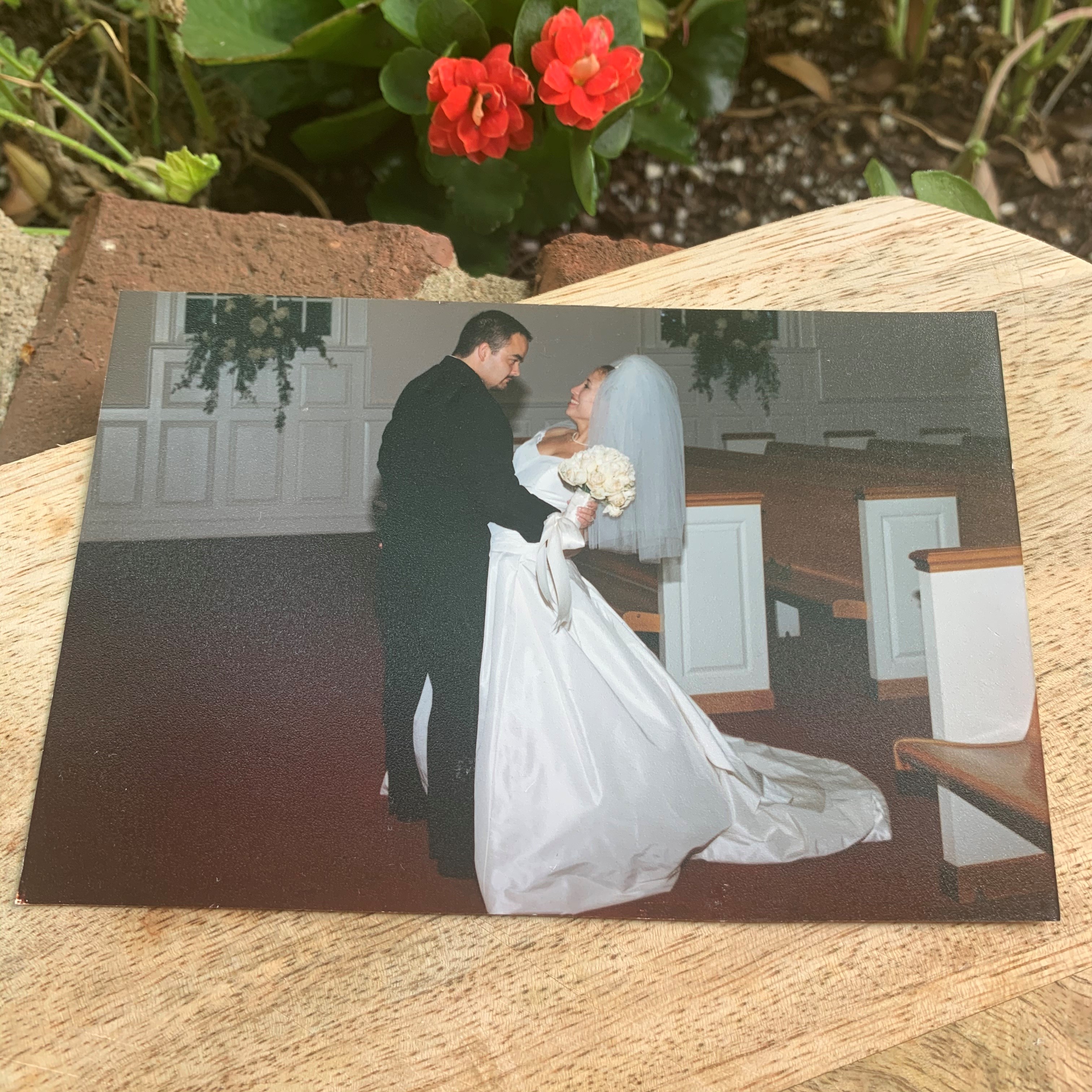
And… since The Marriage of Innis Wilkinson is about a wedding, I thought I would share a wedding photograph with you from my own wedding. This is my most favorite of all our pictures because the photographer caught us spontaneously goofing off during our post-wedding photo session. Twenty years later and laughter still fills our marriage.

I’m very glad to hear that Lauren. It’s been lovely staying in with you to chat about The Marriage of Innis Wilkinson. Thanks so much for being here. You cut a slice of poppy seed cake whilst I tell Linda’s Book Bag readers all they need to know about The Marriage of Innis Wilkinson and The Death of Mungo Blackwell as I know they are going to want to read both books and maybe enter the giveaway to win copies.

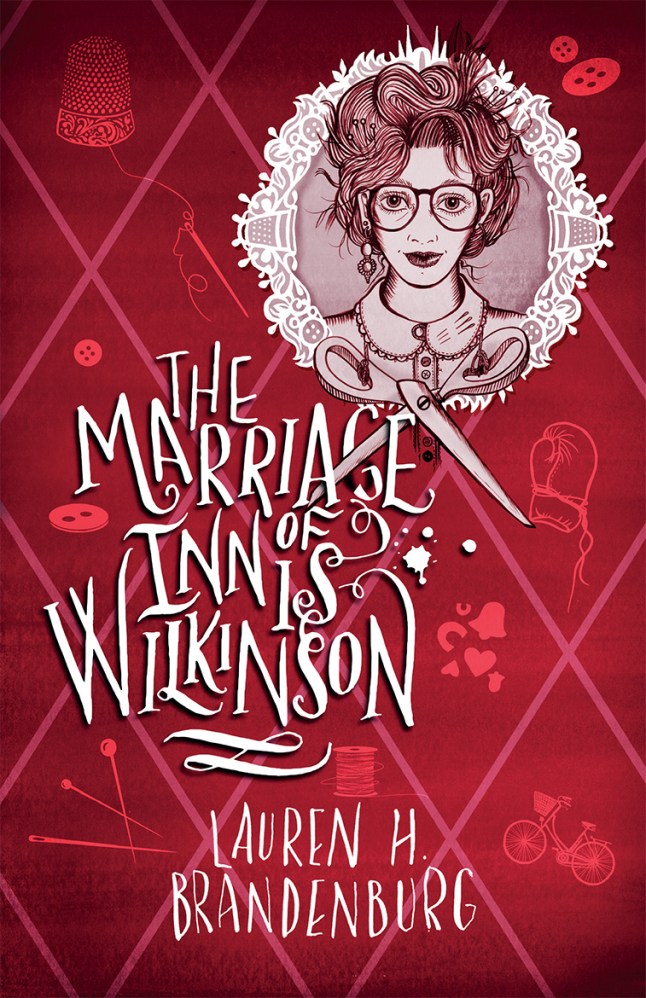
The Marriage of Innis Wilkinson

Roy Blackwell has proposed to Margarette Toft. A controversial decision given their families are sworn enemies!

Soon Coraloo’s feuding clans are competing to organize events for the most talked about wedding of the year… and glorious chaos ensues! But as the depth of the two families’ animosity becomes clear, Roy and Margarette’s relationship begins to falter.

Then Roy unearths a town secret involving the mysterious marriage of Innis Wilkinson and a murder. Parallels between the past and present rock the couple even further.

But, as the whole truth comes to light, Roy and Margarette learn more than they could have imagined about love, family, and finding a place in the world.

Heart-warming and charming, The Marriage of Innis Wilkinson will inspire joy and laughter.

Published by Lion Hudson on 23rd October 2020, The Marriage of Innis Wilkinson is available for purchase here.

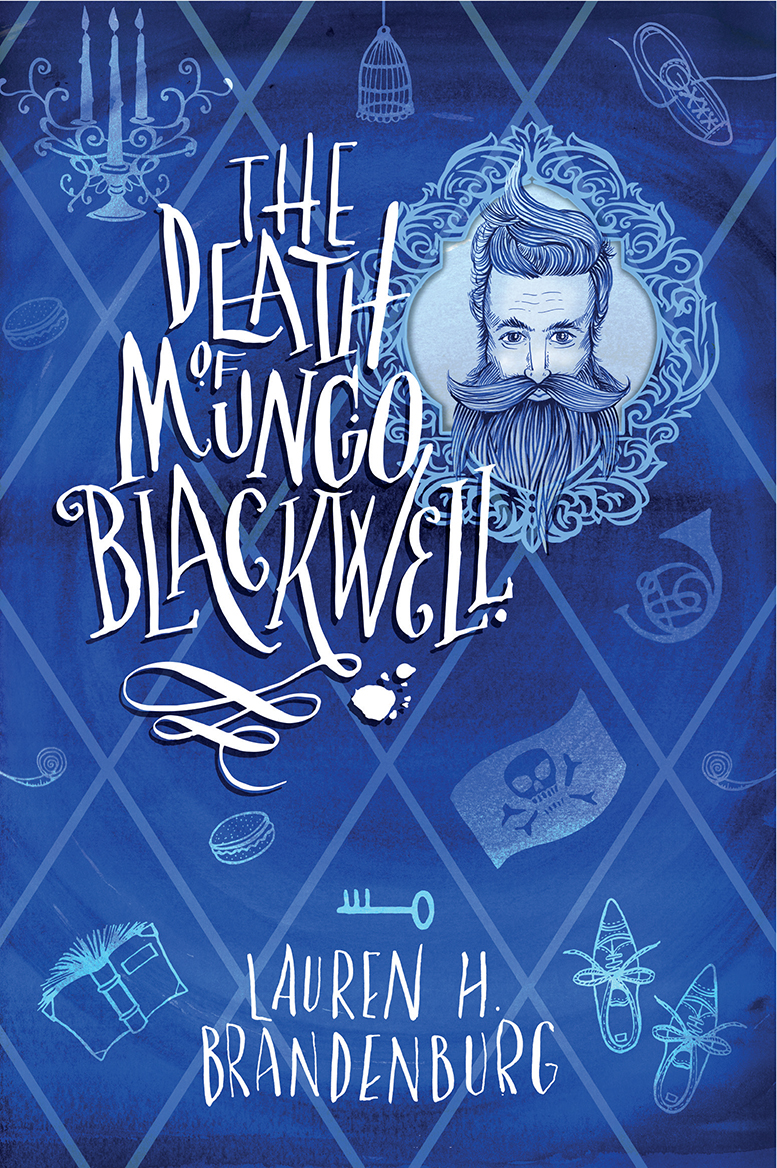
The Death of Mungo Blackwell

Charlie Price, whose world has come crumbling down after a lapse in judgement leaves him unemployed, finds himself flung into the chaotic world of the Blackwells when he relocates to Coraloo with his socialite wife, Velveteen, and shy son, Gideon. Here Charlie attempts to make a living as a “picker”, reselling under-priced items he picks up at the market.

The Blackwells are a family with an extraordinary history and astounding traditions, which include attending their own funerals before they die! Their ways are questionable and their stories about deceased relatives are as bold as their red hair, but it is their eclectic wares that keep tourists coming back to their market in the town of Coraloo.

Some of the Blackwells welcome him with open arms, but others resent pickers and want him thrown out of the market .Charlie soon finds this new way of life under threat and his quest for simplicity seems to be crumbling. Perhaps it’s time for Charlie to have a funeral of his own…

Published by Lion Hudson, The Death of Mungo Blackwell is available for purchase here.

My Review of The Death of Innis Wilkinson

Roy Blackwell’s engagement to Margarette Toft might not be straightforward!

What an utterly beguiling story The Marriage of Innis Wilkinson is. I found it charming, humorous, thoroughly entertaining, and quite unlike other books. I loved the dead pan manner with which Lauren H. Brandenburg dropped the most unlikely of comments into her narrative so that I had to keep doing a double take. This added a smashing depth of pleasure. Reading The Marriage of Innis Wilkinson reminded me of the television series Pushing Daisies because of the unusual narrative style mixed with wonderful humour.

Although the narrative has both historical dates and present day modernity with the internet for example, the Coraloo setting and the kaleidoscope of characters gives the story a timeless feel that is thoroughly engaging. As a result, I think the appeal of The Marriage of Innis Wilkinson will endure long after other stories feel passé. Add in the attention to detail, the wonderful descriptions provided by Lauren H. Brandenbug and this is a story that has the effect of a pebble in a pond. Meanings, links and connections ripple across the narrative in a mesmerising manner.

So many themes and connections hold this narrative together, much like the lace on the ancient wedding dress. Echoes of Romeo and Juliet, need, identity, missed opportunity, love and appreciating what might be right under our noses if only we took the time to look give depth and poignancy amongst the humour and entertainment.
There’s a gentle story that escalates the closer Roy and Margarette get to their wedding and that is woven between stands of historical feuds and events that I found totally absorbing, but the real joy in reading The Marriage of Innis Wilkinson is the characterisation. I loved Roy and Margarette unreservedly. They are a constant amongst the eccentric people living in Coraloo whose singular and individual behaviours are hugely entertaining.
Offbeat, quirky and utterly charming with a hint of romance, magic, murder and menace, The Marriage of Innis Wilkinson is a smashing story that I thoroughly enjoyed. I really recommend it.

Giveaway

For your chance to win a paperback copy of BOTH The Death of Mungo Blackwell and The Marriage of Innis Wilkinson, click here. Open internationally. The giveaway closes at UK Midnight on Sunday 1st November 2020. The publisher is responsible for sending the prize.

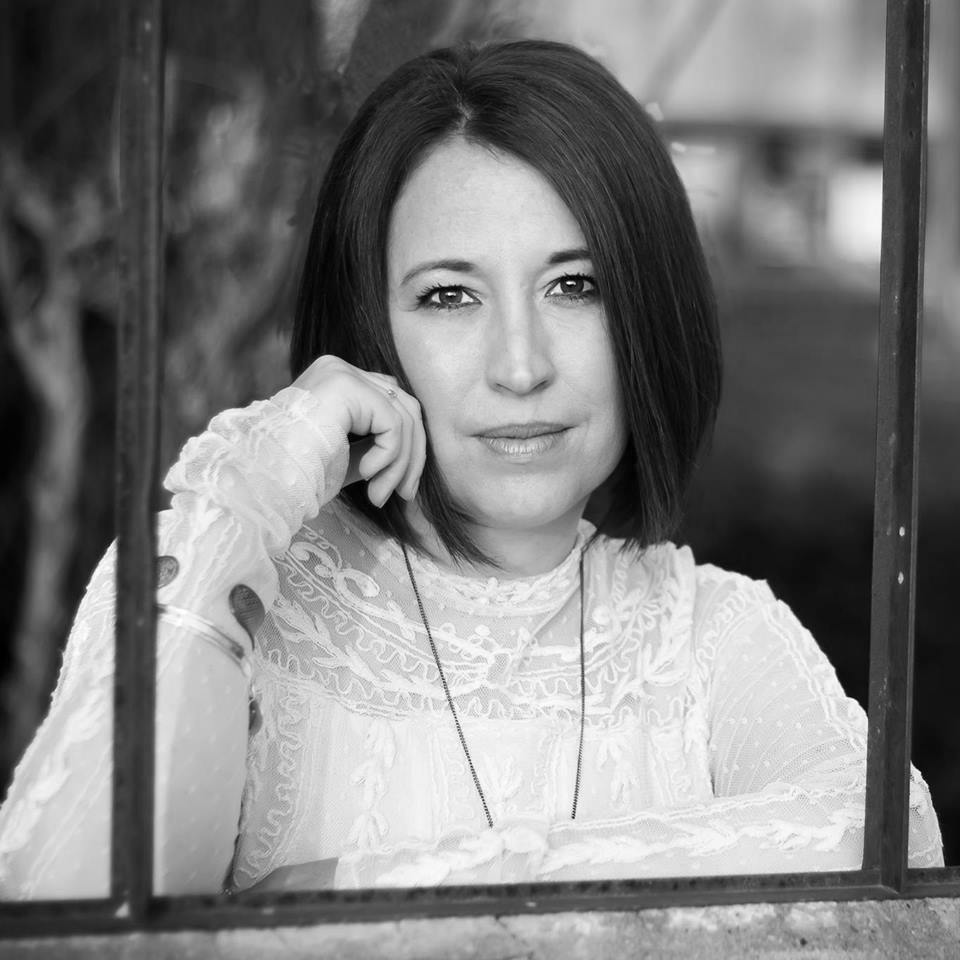
About Lauren H. Brandenburg

Lauren H. Brandenburg is a mentor, speaker, and author who happily blurs the lines between traditional genres. She is the author of The Death of Mungo Blackwell and The Marriage of Innis Wilkinson. As a former English teacher, and now homeschooling mom, Lauren combines her love of “the what if” with her spirit of adventure and faith to delight and encourage readers young and old. She lives with her husband, Jamie, and two children in a lovely little town just south of Nashville, Tennessee where they laugh a lot.

For more information, visit Lauren’s wonderful website here, and follow her on Twitter @LHBrandenburg and on Instagram lhbrandenburg.

There’s more with these other bloggers too:

The death of the sentence by Richard Doyle

I don’t read enough experimental writing so I am grateful to Anne Cater of Random Things Tours for inviting me to participate in this blog tour for Richard Doyle’s The death of the sentence. I’m sharing my review today.

Independently published, The death of the sentence is available for purchase here.

The death of the sentence

The death of the sentence is the debut role of the writer; the plight of the poetry pamphlet; an inventive homage; science in the novel; science fiction in the real world; prose spaceship and singular music; both fun –

Simple in style yet steeped in emotion, I recommend The death of the sentence for poetry newbs and aficionados alike – Dystopic.co.uk

My Review of The death of the sentence

A collection of experimental writing.

Given that The death of the sentence is only a few pages long, Richard Doyle packs an enormous amount into this collection. Featuring both poetry and prose the reader can dip in and find much to ponder.

My favourite piece was My novel as it made me think about the books I’ve read and to see if I could think of a work to fit each of Richard Doyle’s categories so that reading The death of the sentence became an interactive experience.

Richard Doyle’s writing techniques are fascinating. His use of repetition in alive, for example, creates a feeling of history repeating itself whilst providing an oxymoronic intimate distance between the two voices. So much of what is written can be interpreted on many levels giving the reader cause to think. Pushbike Passion may well have a literal sense with a bicycle tyre puncture, but the impression of emotional hurt, possibly even of religious iconography, gives many layers to appreciate and this is true of the pieces across the collection.

Underpinning all the writing in The death of the sentence is a sensation of unfulfilled desire and ambition that I think would resonate with any aspiring writer as well as with readers. It is as if Richard Doyle feels he has not achieved his potential. Add in the many literary references, with images of the galaxies and nature, and there is a profound sense of the universal insignificance of humankind that I found affecting and thought provoking.

I am aware that my comments are very much my own personal responses to The death of the sentence and I think this is what makes it work so well. Richard Doyle’s writing is obviously personal to him but it affords the reader an opportunity to consider their own life and their role in the world. I found The death of the sentence very interesting.

About Richard Doyle

Richard Doyle is an old-school SF fan who began writing seriously in 2001. He has a Diploma in Creative Writing from the University of East Anglia and collaborated on a book in 2006. He has had poems published in the UK poetry magazines Orbis and Sarasvati and is a regular member of the Bristol Stanza Poetry Group.

There’s more with these other bloggers too:

Endless Skies by Jane Cable

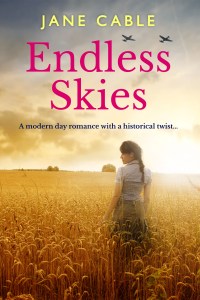
It’s far, far, too long since Jane Cable appeared on Linda’s Book Bag with a guest post explaining how the past is never dead, to celebrate her novel Another You. You can read that post here and it is equally relevant to Endless Skies! Today, with thanks to Rachel at Rachel’s Random Resources for inviting me to participate in this blog blitz, I’m delighted to share my review of Jane’s latest book, Endless Skies.

Endless Skies is available for purchase here and is 99p in ebook until the end of today.

Endless Skies

As archaeologist Rachel excavates a World War Two airfield, could a love story from the past hold a lesson for her as well?

After yet another disastrous love affair Rachel has been forced to leave her long-term position for a temporary role as an Archaeology Lecturer at Lincoln University. Rachel has sworn off men and is determined to spend her time away clearing her head and sorting her life out. But when one of her students begins flirting with her, it seems she could be about to make the same mistakes again…

She distracts herself by taking on some freelance work for local property developer, Jonathan Daubney. He introduces her to an old Second World War RAF base. And from her very first visit something about it gives Rachel chills…

As Rachel makes new friends and delves into local history, she is also forced to confront her own troubled past. Could a wartime love story have any bearing on her own situation? Could this time be different?

My Review of Endless Skies

Rachel’s new job might be interesting!

I thoroughly enjoyed Endless Skies because it has a wonderful blend of history and modernity that borders the mystical but retains total credibility so that I found it fascinating. It’s a cracking multi-layered love story too.

One of the aspects of Endless Skies that I absolutely loved was its Lincolnshire setting. My home county rarely features in fiction and Jane Cable manages to create its atmosphere and aviation history so vividly without over dominating the story. The references to Hemswell and the antique centre took me right back there and added an extra layer of pleasure to my reading. Jane Cable has a deft touch in providing enough physical detail to paint a picture but without slowing the plot and I found her direct speech utterly natural so that I felt as if I were listening in to Rachel’s conversations. This all combined to immerse me into teh narrative.

I found the characters in Endless Skies very realistic. They could so easily be any one of us that they appeal completely. Rachel’s actions are rash and foolhardy on occasion, but who hasn’t done something they regret at some point? This aspect of her character made me sympathise with her far more. I wanted her to be happy, and I wanted to know what had happened to her in the past because I cared about her. I thoroughly enjoyed Jane Cable’s uncovering of Jonathan and her depiction of Ben felt sadly all too possible.

Indeed, the themes woven into the characterisation are very affecting. Grief and regret, love and friendship, the past and its echoes, emotional depth and shallowness all add up to a rich texture that I felt had a universal relevance and have left me thinking after finishing the book. It’s hard to explain too much more without spoiling the reading experience for others.

However, setting, character and theme aside, Endless Skies is a cracking narrative. I loved the echoes of the past that underpinned present action. I found the pace just right for a character driven story with a smashing balance of action and more reflective parts so that the book felt as if it had a maturity to it that I very much appreciated.

Endless Skies is a super book. Historical, romantic, realistic and engaging, Endless Skies provides fabulous entertainment. I very much recommend it.

About Jane Cable

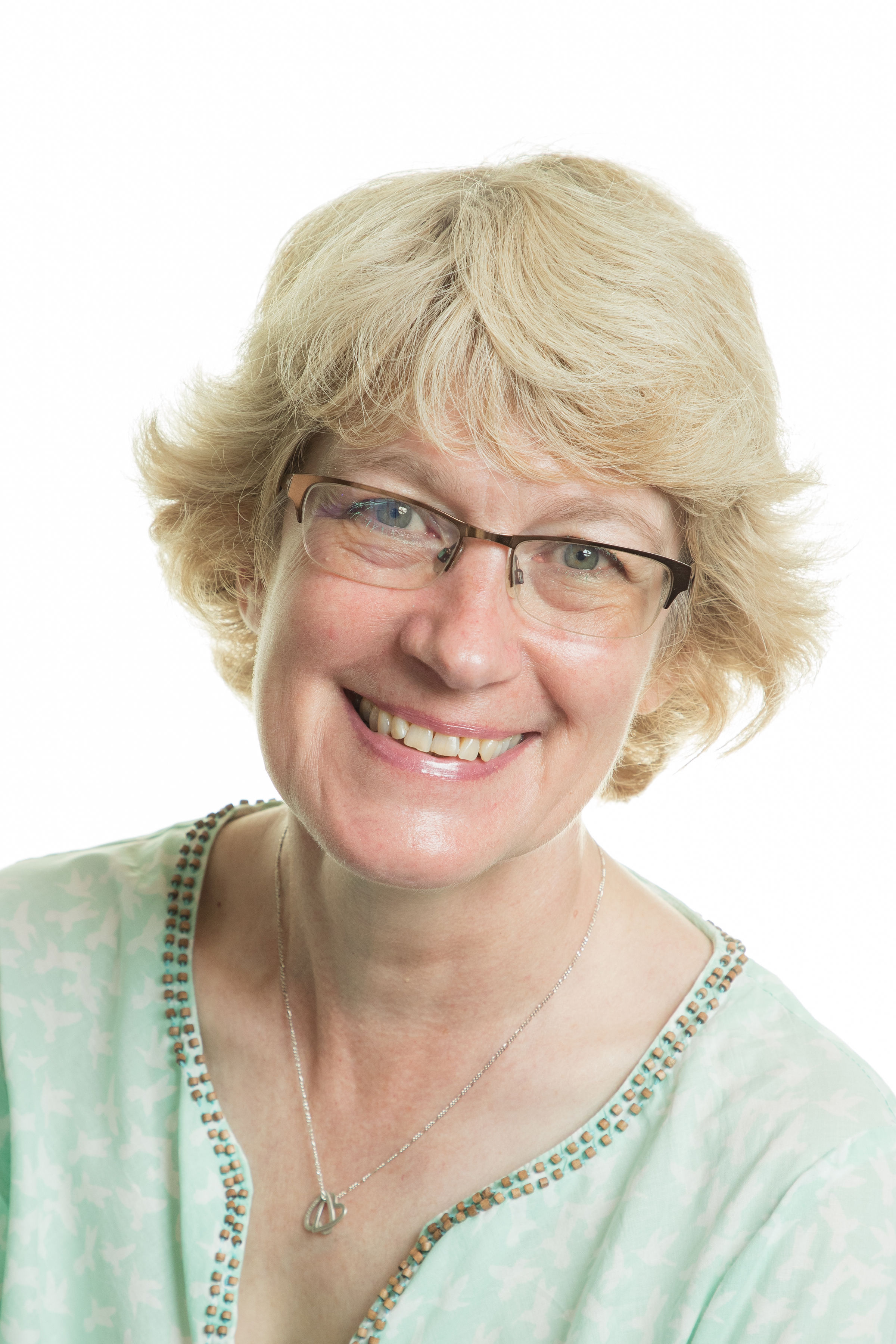
Jane Cable writes romance with a twist, that extra something to keep readers guessing right to the end. While her books are character driven her inspiration is always a British setting; so far a village in Yorkshire (The Cheesemaker’s House), a Hampshire wood (The Faerie Tree), gorgeous Studland Bay in Dorset (Another You) and rural Lincolnshire (Endless Skies).

Jane was born and raised in Cardiff but spent most of her adult life living near Chichester before she and her husband upped sticks and moved to Cornwall three years ago.

Jane published her first two novels independently and has now been signed by Sapere Books. She am an active member of the Romantic Novelists’ Association and contributing editor to Frost online magazine.

You can follow Jane on Twitter @JaneCable, visit her website and find her on Facebook.

There’s more with these other bloggers too: