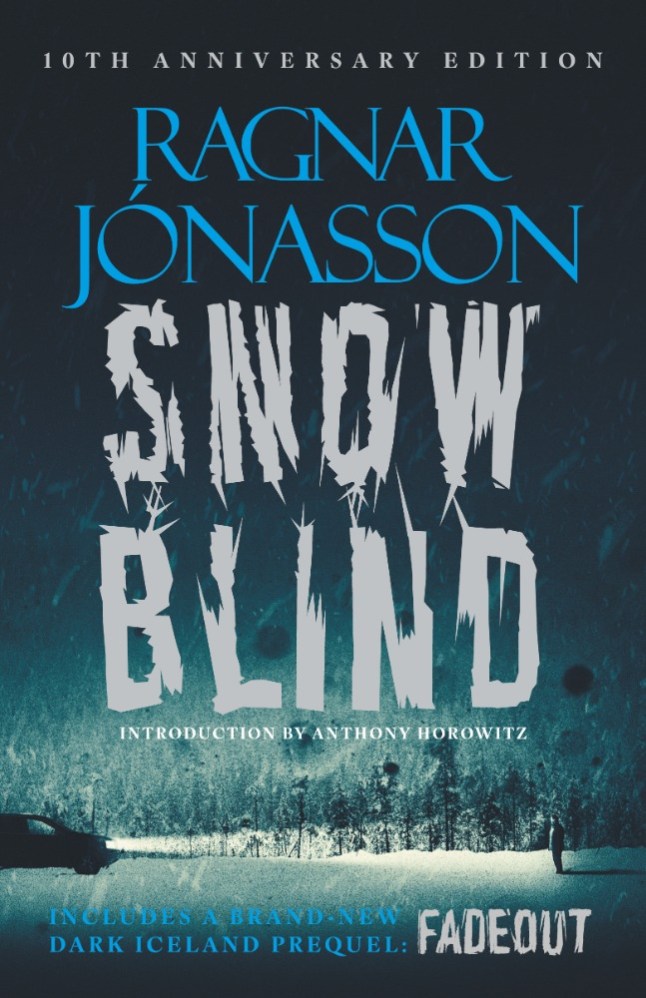
Snowblind by Ragnar by Ragnar Jónasson

Snowblind by Ragnar Jónasson was first published just as I began blogging a decade ago and was one of those books I never got round to reading. Since then, with Snowblind selling over five million copies worldwide, being published in over 36 languages and selected as one of Top 100 Crime Fiction of all time by Blackwell’s Bookshop and French press, I have had terrible FOMO! Ragnar Jónasson’s The Dark Iceland series is now in production for a major TV series with an international cast, so when Anne Cater invited me to be part of the Snowblind tenth anniversary blog tour I broke my self-imposed ban on tours and jumped at the chance. It’s my pleasure to share my review today and to help close the tour.

The anniversary edition of Snowblind was published by Orenda on 10th October 2025, alongside a never-before published prequel Fadeout and is available for purchase here

Snowblind 

Siglufjörður: an idyllically quiet fishing village in Northern Iceland, where no one locks their doors – accessible only via a small mountain tunnel. Ari Thór Arason: a rookie policeman on his first posting, far from his girlfriend in Reykjavik – with a past that he’s unable to leave behind. When a young woman is found lying halfnaked in the snow, bleeding and unconscious, and a highly esteemed, elderly writer falls to his death in the local theatre, Ari is dragged straight into the heart of a community where he can trust no one, and secrets and lies are a way of life. An avalanche and unremitting snowstorms close the mountain pass, and the 24- hour darkness threatens to push Ari over the edge, as curtains begin to twitch, and his investigation becomes increasingly complex, chilling and personal. Past plays tag with the present and the claustrophobic tension mounts, while Ari is thrust ever deeper into his own darkness – blinded by snow, and with a killer on the loose… 

Fadeout

When Ari Thór Arason receives a staggeringly high bill for a foreign credit card that was taken out in his name, his life takes a turn he never anticipated. The bill in question belongs to his namesake – his father, who disappeared under mysterious circumstances when Ari was only a child. Seeking answers, Ari Thór travels to London to investigate, hoping to learn the truth about what happened to his father all those years ago, and discovering far more than he could ever have imagined… 

My Review of Snowblind

Ari Thór Arason has a new police placement in Siglufjörður.

Let me say from the outset that, whilst I had heard very positive praise for Snowblind, I still wasn’t prepared for the frequent beauty of the prose. This may be a novel in translation (by Quentin Bates) but it has a mellifluous fluidity to descriptions that is simply stunning, making the Icelandic setting thrum with authenticity. I found the dated structure of the book, with the italicised aspect gradually uncovered, meant that there’s intriguing mystery throughout. I had expected a hard hitting and perhaps rather visceral narrative and loved the way that instead this story has a more traditional atmosphere, frequently reminding me of Agatha Christie. 

It took me a little while to attune to the unfamiliar Icelandic names which worked brilliantly because it placed me in an unfamiliar environment in exactly the same manner as Ari Thor finds himself when he arrives in Siglufjörður. Siglufjörður itself is so much more than a setting. The claustrophobic isolation, the small town intensity where everyone knows everything (or so they think) about everyone else, and the harshness of the winter all contribute not only to the plot, but to the reader’s appreciation of Ari Thor’s personality, mentality and situation.

I loved meeting Ari Thor because he’s so realistic. Young, rather stubborn and not quite sure what he wants to do with his life, he is impulsive, frequently naïve and yet perceptive and likeable. As Snowblind progressed I felt he developed brilliantly, with incredible potential for his character in future books. Ari Thor is a nuanced and layered person and I feel sure I have only just begun to understand him.

The plot is thoroughly engaging. Again, the denouement has a Christie-esque impression so that there are real ‘aha’ moments. The the way the author drops hints as Ari Thor continues his investigations, but doesn’t fully reveal everything to the reader means that they are held captivated and compelled to read on. It sounds somewhat cliched to say so, but I felt completely drawn into the story. 

But whilst Snowblind is an engaging and entertaining police procedural novel, it is so much more too. Ragnar Jónasson explores deeper themes with a lightness of touch that is highly impressive. There’s rivalry and guilt, family and relationships, adultery, betrayal and a terrifyingly realistic understanding that justice isn’t always served to those who deserve it – but you’ll need to read Snowblind to discover more. 

Snowblind rather took me by surprise. Cosier and more traditional in style than I anticipated, I felt it was perfectly pitched and am entirely hooked on reading more about Siglufjörður and Ari Thor. I really recommend Snowblind and it’s just right for these darker winter days. Don’t miss it. 

About Ragnar Jónasson

Ragnar Jónasson is the award-winning Icelandic author of the international bestselling Hulda series, the Dark Iceland series, and standalone crime fiction, with five million copies sold across 36 territories. The Times selected The Darkness as one of the 100 Best Crime Novels and Thrillers since 1945, and Snowblind has been selected as one of Top 100 Crime Fiction of all time. The Times has said of his work: ‘Is this the best crime writer in the world?’ His books have been on bestseller lists across Europe and the USA, and won multiple prizes. He has also won a special jury recognition for his poetry in Iceland. Ragnar has translated fourteen of Agatha Christie’s novels into Icelandic. Ragnar was also an executive producer of the CBS Studios TV series The Darkness, based on the first novel in his Hulda series. His novel Outside is currently being developed for the screen by Ridley Scott.

Ragnar has a law degree and teaches copyright law at Reykjavik University. He also serves as a board member of the Icelandic Symphony Orchestra, and as the Deputy Chair of the Writers’ Union of Iceland. Ragnar is the co-founder and co-chair of the literary festival Iceland Noir, held annually in Reykjavik.

For further information visit Ragnar’s website and follow him on X @ragnarjo, Instagram and Facebook.

There’s more with these other bloggers too:

The Meaning of Liff by Douglas Adams and John Lloyd

The Meaning of Liff by Douglas Adams and John Lloyd is the same age as my marriage so when Gaby Jerrard sent me the brand new 42nd anniversary edition I couldn’t have been happier. It’s my pleasure to share my review of The Meaning of Liff today. 

Published by Pan Macmillan on 23rd October 2025, The Meaning of Liff is available for purchase through the publisher links here

The Meaning of Liff

From Douglas Adams (The Hitchhiker’s Guide to the Galaxy) and John Lloyd (Blackadder, Spitting Image, QI), this is the 42nd anniversary edition of The Meaning of Liff. Revised, updated and ready to change your life.

In life, there are hundreds of familiar experiences, feelings and objects for which no words exist, yet hundreds of strange words are idly loafing around on signposts, pointing at places. The Meaning of Liff connects the two. This is a hilariously essential dictionary of things there should be words for – where all the words themselves are recycled place names.

BERRIWILLOCK (n.) – An unknown workmate who writes ‘All the best’ on your leaving card.

ELY (n.) – The first, tiniest inkling that something, somewhere has gone terribly wrong.

GRIMBISTER (n.) – Large body of cars on a motorway all travelling at exactly the speed limit because one of them is a police car.

KETTERING (n.) – The marks left on your bottom or thighs after sunbathing on a wickerwork chair.

OCKLE (n.) – An electrical switch which appears to be off in both positions.

WOKING (ptcpl.vb.) – Standing in the kitchen wondering what you came in here for.

42 years later, The Meaning of Liff is back, but in a snazzier jacket.

Think of it as a mid-liff crisis.

My Review of The Meaning of Liff

A special 42nd anniversary edition.

What on earth can I say about The Meaning of Liff? It’s bonkers, brilliant and reading it feels like a Burwash (buy the book and look it up!) and any fan of The Hitchhiker’s Guide to the Galaxy will love it.

Given that this is a special anniversary edition, I just want to comment on Douglas Adams’ insistence that the book must be of a size to fit into a pocket. This means that The Meaning of Liff is perfect for slipping into a bag or pocket and reading at those moments when life needs some lightness. I loved the space-blue background, gold lettering, the suggestion of stars and the robust cover too as they give a feeling of quality.  

I was surprised by John Lloyd’s preface as it reveals aspects I hadn’t previously known about his working relationship with Douglas Adams. Add in the map of the world and the narrative contained in the dialogue of the previous prefaces, and The Meaning of Liff entertains before it’s actually begun.

It was such a treat to work my way through what is, essentially, an alphabetical list of international place names that have been given zany, witty or humorous definitions. I was particularly entertained by Kettering (where I was born) – ‘The marks left on your bottom or thighs after sunbathing on a wickerwork chair’ and Oundle (where I went to school) – ‘To walk along leaning sideways, with one arm hanging limp and dragging one leg behind the other. Most commonly used by actors in amateur productions of Richard III, or by people carrying a heavy suitcase in one hand’ as this was my default gait when traipsing home from Oundle via the school bus with all my A’Level text books.

In addition, there’s a completely insane Index of Meanings that is enormously entertaining and somewhat anarchic, providing place names for a wide range of ordinary words, thereby inverting the structure of the main book. I don’t think I have ever read an index to a book from start to finish before and this one has some real surprises. 

The Meaning of Liff will not suit every reader. Those who are not fans of The Hitchhiker’s Guide to the Galaxy probably won’t find it Clixby. However, they are probably Ainderby Quernhow or Kibblesworth, as I thought it was a wonderfully nostalgic, witty read that lifts the spirits and brings a whole lot of fun. It made me chortle throughout. The Meaning of Liff would be a great gift book for the person who has everything.

About Douglas Adams

Douglas Adams created all the various and contradictory manifestations of The Hitchhiker’s Guide to the Galaxy: radio, novels, TV, computer game, stage adaptations, comic book and bath towel. He lectured and broadcast around the world and was a patron of the Dian Fossey Gorilla Fund and Save the Rhino International. Douglas Adams was born in Cambridge, UK and lived with his wife and daughter in Islington, London, before moving to Santa Barbara, California, where he died suddenly in 2001.

About John Lloyd

John Lloyd is one of the most successful television comedy producers of all time, having been responsible for Not the Nine O’Clock News, Blackadder, QI and The Hitchhiker’s Guide to the Galaxy.

Kew: The Psychedelic Garden by Sandra Lawrence

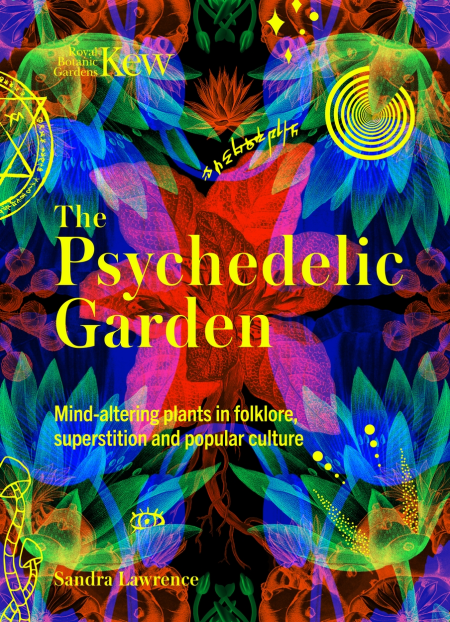
It’s another of the Kew Gardens collection books from Welbeck for review today as I’m taking a look at Kew: The Psychedelic Garden by Sandra Lawrence thanks to lovely Isabelle Wilson at Headline who sent me a copy in return for an honest review. It’s my pleasure to share my review today.

The other Kew books I have reviewed are: 

Fragrance by Josh Carter and Samuel Gearing reviewed here 

Parched by Philip Clayton reviewed here 

The Apothecary’s Garden by Emma Wayland reviewed here 

Published by Welbeck on 24th July 2025 The Psychedelic Garden is available for purchase through the publisher links here

Kew: The Psychedelic Garden

From ancient ayahuasca rituals in the Amazon to substance-fuelled partying in the Summer of Love, psychoactive plants have been used for thousands of years for everything from shamanic ceremonies to staying awake. The Psychedelic Garden is a fascinating exploration of these incredible species that, for centuries, have helped shape the way we see the world.

With expert text and gorgeous botanical illustrations from the archives at the Royal Botanic Gardens, Kew, this mind-expanding book delves into the folklore, cultural relevance and botanical background of these remarkable plants.

My Review of The Psychedelic Garden

The history and folklore of mind-altering plants!

Crikey! This is quite a read. 

Before I get on to the contents, however, I must once again praise the physical properties of The Psychedelic Garden. As with other books in the Kew series that I’ve read, this one has all the high quality properties I’ve come to expect, making it a wonderful gift book. Beautifully illustrated with everything from film posters through superb images from the Kew library to even a Jimi Hendrix poster, there’s so much to delight the eye. The hard back cover is weighty and robust with lovely end papers too. 

This isn’t a gardening book about cultivation, but rather a journey into all the elements of mind-altering plants to the extent that it seems to have the same effect as some of the plants featured. Quite a lot of the information is mind-blowing – you might be very surprised at the effect of the kava plant stalk but you’ll need to read the book for yourself to discover why! 

One of the aspects I especially appreciated is the reference to literature. Sandra Lawrence’s introduction begins with a mention of Aldous Huxley and there are literary examples and instances throughout from Frank Baum to Shakespeare, so that those who prefer fiction to non-fiction will find relevance here. Indeed, to quote from the Tea section, ‘it’s the stories that count’. 

It’s quite hard to review The Psychedelic Garden without simply regurgitating some of the fascinating facts and details contained within its pages, but this book takes the reader on all kinds of journeys. From its pages you’ll discover the effects of plants, information about history, geography and culture for example. You’ll find out where words originated and learn far more than might be imagined. I absolutely abhor cigarettes and one of the facts I enjoyed the most was discovering that in 1604 James VI and I wrote an anti-smoking treatise called ‘A Counterblaste to Tobacco’.

I thoroughly enjoyed reading The Psychedelic Garden. It’s the kind of book that tells you all kinds of interesting and entertaining things you never even imagined or knew you wanted to know. It’s part of an excellent series and I think its my favourite so far.

About Sandra Lawrence

Sandra Lawrence is a journalist and author. She writes for the Evening Standard, Guardian, Financial Times, The Times, Londonist.com and the English Garden. She is the London columnist for British Heritage magazine and is on the Q&A panel of experts for History Revealed magazine.

For further information visit Sandra’s website, follow her on X @MissVolare or find Sandra on Instagram

A Vampire Is NOT A Pet by Lexi Rees

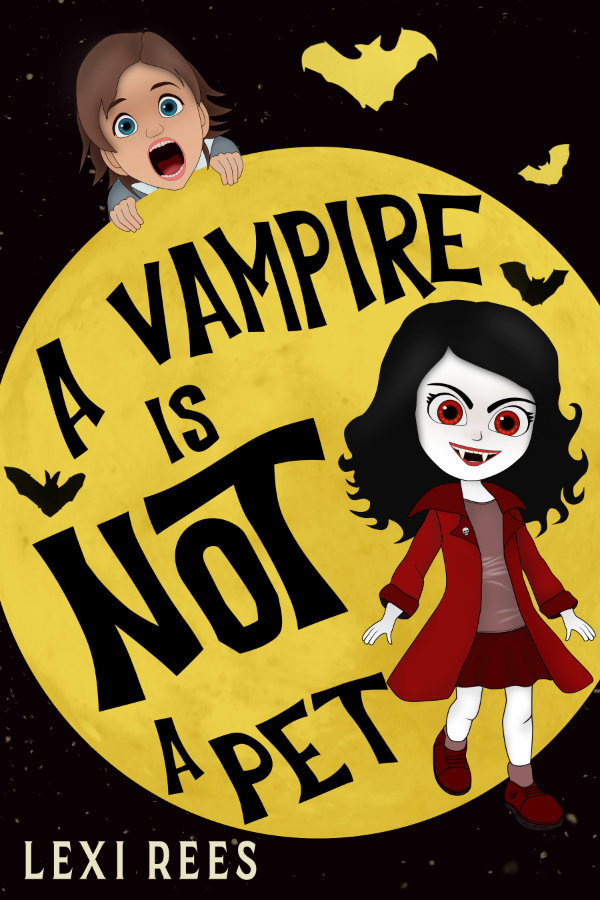
It’s far too long since I reviewed one of Lexi Rees’s children’s books here on Linda’s Book BagConsequently, I was delighted to accept Rachel’s offer to join the blog tour for Lexi’s latest book A Vampire Is NOT A PetIt’s my pleasure to share my review today to start off the tour.

A Vampire Is NOT A Pet was published on 25th September 2025 and is available for purchase here.

A Vampire Is NOT A Pet

Yasmin REALLY wants a pet. A cat, a dog—she’d even settle for a snake. After all, there’s hardly anything Yasmin is afraid of… unless you count ghosts, zombies, monsters, and maybe custard. But Velma wasn’t the pet Yasmin expected. For starters, there are the fangs. And, well… she’s a vampire.

From classroom chaos and dental disasters to a blood bank heist (don’t ask), the world’s worst cow impressions (really don’t ask), and a Halloween party wild enough to wake the dead, Yasmin and Velma are about to have the time of their (after)lives.

As the mayhem piles up, Yasmin starts to wonder… could a vampire be the most fang-tastic pet ever?

My Review of A Vampire Is NOT A Pet

Yasmin is desperate for a pet. 

A Vampire Is NOT A Pet is such a fun read. It’s jam packed with wacky, manic events as Velma and Yasmin unintentionally get into all kinds of scrapes so that the story races along. 

The night-time shaded effect on the first page of each chapter, as well as the illustrations of Velma with her incredibly expressive face, all help make this a really engaging story. With short chapters the book is one that children can read independently, although one or two references such as the importance of garlic can be enhanced by an adult explaining further. Indeed, there’s a sublayer to the narrative that adult readers will really enjoy with reference to stakes/steaks and so on. I thought this approach was brilliant because it makes the story perfect for readers of any age. 

However, the real appeal is for the younger reader. From wanting a pet as Yasmin does, through school show and tell, to not enjoying eating green things or being apprehensive about a visit to the dentist for example, there’s so much that is appealing and relatable for children. The most affecting element of all I think, is Velma’s desire to be accepted, to fit in and to have a true friend. In amongst all the funny, zany episodes is a wistful desire to belong. I think all readers, regardless of age, will be able to relate to this concept.

I had huge fun reading A Vampire Is NOT A Pet because it’s filled with action, fast paced and somewhat bonkers – just the kind of narrative young readers will love. And for adults reading A Vampire Is NOT A Pet to or with children, watch out. You’re going to be badgered forever for a vampire as a pet! 

About Lexi Rees

Lexi Rees was born in Scotland but now lives down south where she’s slave to carrot obsessed gelding, a frisky mare, a dog who’s convinced he’s not been fed in a month, and a house of hungry boys.

She writes action-packed adventures and fun activity books for children. She’s passionate about reducing her footprint on the planet and becoming more self-sufficient.

She has an active programme of school visits and other events, is a Book PenPal for three primary schools, and runs a free online #kidsclub and newsletter which includes book recommendations and creative writing activities. 

For further information, visit Lexi’s website or find her on Instagram, Facebook and X @lexi_rees

There’s more with these other bloggers too:
Just a Taste by Anise Starre

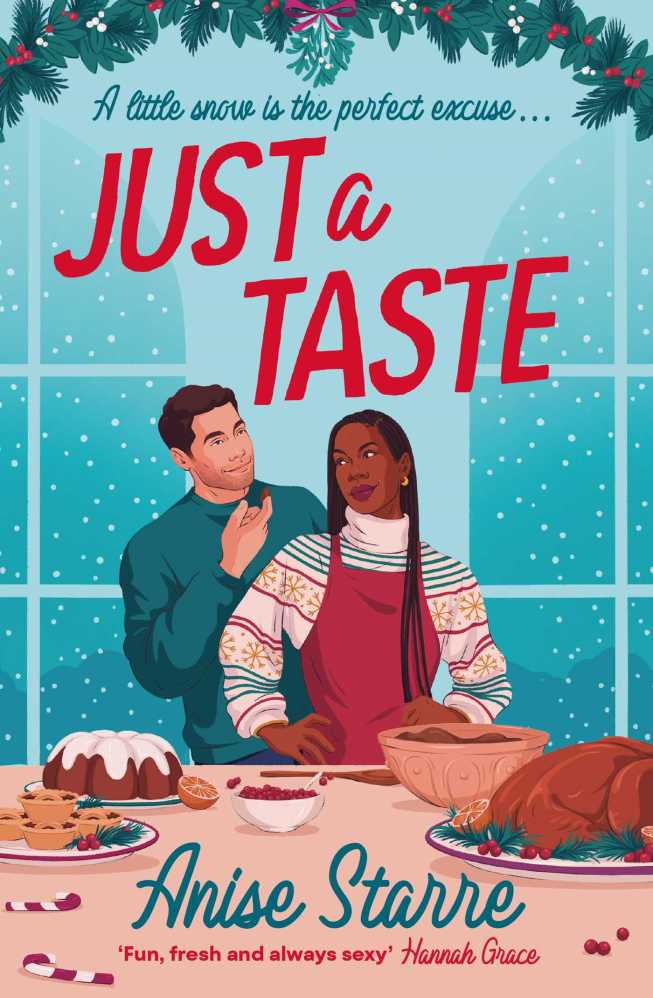
My enormous thanks to Sara-Jade Virtue at Simon and Schuster for inviting me to participate in the blog tour for Just a Taste by Anise Starre. It’s my pleasure to share my review today.

Published by Simon and Schuster on 23rd October 2025, Just a Taste is available for purchase through the publisher links here.

Just a Taste

A Christmas romance featuring a personal chef who is snowed-in with her least favourite client – a sexy but miserable technopreneur.

The only thing personal chef Noelle Jones loves more than cooking is Christmas. She has a roster of extremely wealthy clients, including the elusive and stoic Alexander Hoxton.

When he asks her to cook a last-minute business meal he’s having, offering triple her pay for the short notice, Noelle jumps at the chance. It’s easy money, one of her favourite dishes and she’ll still have plenty of time to get to her family’s annual Christmas reunion.

But, when a sudden blizzard leaves Noelle snowed-in with Alexander, she quickly realises he wants absolutely nothing to do with anything festive. Stuck with a veritable grinch, she’s sure this Christmas is about to become one of her worst . . .

My Review of Just a Taste

Professional chef Noelle has a new client in Alex Hoxton.

Oh yes! I thoroughly enjoyed Just a Taste. Of course it has a familiar structure with a forced proximity trope, but the exposition of that trope is fabulous. The story sizzles with tension, from professional annoyance to sexual attraction, so that the reader lives the undulations of Noelle and Alex’s relationship with them. The slow build of sensuality could not be more effective or more deftly handled. And Just a Taste isn’t just a conventional love story about two heterosexual people, but it’s one about love of family and self love too so that it has additional depth.

The Christmas setting works perfectly and with Alex’s aversion to the season Anise Starre exploits potential humour to perfection. This might be a cracking slow burn love story that ends explosively (and very satisfyingly for reader and character alike!), but is huge fun too. Indeed, the only aspect of Just a Taste I didn’t appreciate was not knowing the full identity of the author. Transpose Anise Starre and you have the perfect pseudonym for an author with a chef as a protagonist and I was sure there was more to know! 

And what a protagonist Noelle is. I loved her. She’s sharp witted, caring, hard working and talented. She’s also quite quick to judge and make assumptions about Alex and not averse to a tiny bit of snooping so that, not only does she feel very authentic, she’s well balanced and creatively defined too. It shouldn’t matter that she is a black woman, but I found myself desperate for more readers to discover such a woman. Her ethnicity matters as it’s part of her beauty, but more importantly, she’s a brilliant role model for readers of all ethnic backgrounds.

I loved the developing relationship between Noelle and Alex, not least because Noelle doesn’t need a man in her life to be a fully rounded and complete individual. As with any relationship, they encounter mis-understanding and problems along the way so that they are relatable and believable too. When Alex’s taciturnity about Christmas was finally explained, I found the story rather emotional too. 

Just a Taste is such an apt title as Noelle and Alex get just a taste of one another’s lives so that they discover the true person under the public and professional veneer.  Underpinning a highly entertaining narrative are themes of professionalism, family, and the impact of upbringing that add layers of interest. However, it is Noelle’s food and cooking that are truly magnificent. I’d defy anyone reading Just a Taste not to feel ravenous and I definitely was left wanting just a taste of Noelle’s food!  

Of course Just a Taste fulfilled my reader expectations of a story where two mis-matched individuals discovered they have more in common than initially thought. In addition, however, Anise Starre brought me two fantastic characters in an uplifting, engaging story that I thought was fabulous. 

About Anise Starre

Anise Starre is a born and bred Londoner who now travels the world with her husband. She loves writing sweet, fluffy romances featuring Black women being loved on and adored, with a hint of steam and spice to get the heart going. One Week in Paradise is her debut novel and the first book in the Flights and Feelings series. The second book is One Last Job and One More Shot is the third and final novel in the series. Just a Taste is her brand new Christmas romance novel coming out in October 2025. 

For further information, follow Anise on Instagram and visit her website.

There’s more with these other bloggers too:
 

Kew: The Apothecary’s Garden by Emma Wayland

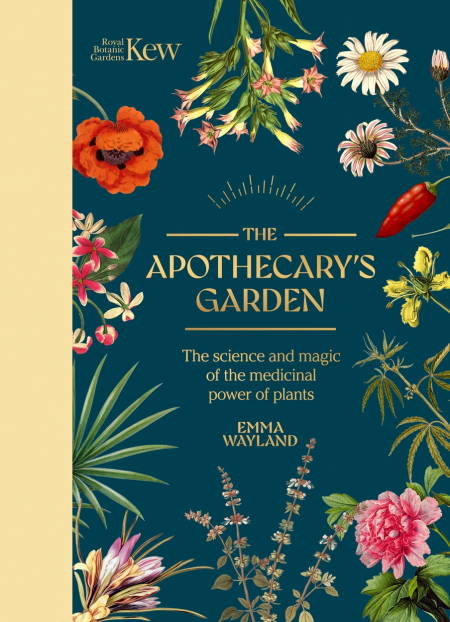
It’s almost exactly a year since I reviewed two of the Kew Gardens collection books from Welbeck: Fragrance by Josh Carter and Samuel Gearing reviewed here and Parched by Philip Clayton reviewed here. Consequently I was delighted to receive The Apothecary’s Garden by Emma Wayland and extend my grateful thanks to Isabelle Wilson at Headline for sending me a copy. It’s my pleasure to share my review today. 

The Apothecary’s Garden was published by Welbeck on 24th April 2025 and is available for purchase through the publisher links here

Kew: The Apothecary’s Garden

For centuries we have harnessed the ancient wisdom of botanical healing, with plants used for a multitude of remedies that nurture both body and soul.

Kew: The Apothecary’s Garden is a fascinating exploration of nature’s pharmacy and the healing power of plants, from soothing hops, chamomile and valerian, and invigorating guarana, maca and ginseng, to the infection-fighting turmeric and tea tree and the immunity-boosting turkey tail mushroom. Herbal remedies, natural tinctures, and the historical and botanical background of plants are revealed through expert text and beautiful illustrations from the renowned Kew archive.

This curious history of plants that heal describes the incredible properties of over 60 species. Exploring the original folk remedies they inspired and the science behind them, this is the weird and wonderful story of how humans have harnessed nature’s apothecary.

My Review of The Apothecary’s Garden

A book about the science and mythology of medicinal plants.

If you’re looking for a horticultural guidebook to cultivating medicinal plants, this is not what you are looking for. If, however, you want the most glorious gift book that examines the huge wealth of background to such plants then look no further!

As with the other books in the Kew Gardens series, The Apothecary’s Garden is stunningly presented. The hardback is exquisite quality with robust, weighty covers and includes the most glorious illustrations throughout. Even the end papers feel luxurious, with the suggestion of the timelessness of stars and a hint of plant trellis so that this is a volume that will endure much handling and bring pleasure to the reader for years to come. It’s impossible to overstate the beauty and variety of illustration.

The information contained within The Apothecary’s Garden is eclectic, extensive and immensely entertaining. It’s particularly fascinating to discover the link between some of our modern medicines and traditional use – and I loved the word of caution at the start of the book warning readers not to use The Apothecary’s Garden as a means of deciding upon or creating their own cures!

Each of the eight chapters begins with an erudite and interesting introduction and then contains information about individual plants that includes history, herbalism, geography and culture. There’s folklore, science and superstition so that every entry holds something new to discover. I was particularly interested in Gotu Kola as I’d never heard of it before!

I think The Apothecary’s Garden would make a wonderful gift book for anyone interested in plants or medicine. It can be read in the order it’s presented, or dipped into on a whim to discover something fascinating. For those wanting a gift for someone interested in plants but who has everything already, The Apothecary’s Garden could be exactly what you need.

About Emma Wayland

Emma Wayland is a journalist, writer and lecturer. Her postgraduate research at Imperial College, London, and in the Department of History and Philosophy of Science, Cambridge, concerned how Victorian gardeners made use of new scientific ideas. As Emma Townshend she was the Independent on Sunday‘s gardening columnist for 10 years, and for the last 15 years she has been part of the team of volunteer tour guides at Kew, interpreting the Gardens for visitors. She lives in London.

Staying in with Lucy E. M. Black on A Quilting of Scars Publication Day

I am delighted to welcome Lucy M. Black to Linda’s Book Bag today to tell me all about her latest book. My huge thanks to Hollay at River Street Writing for putting us in touch with one another. Let’s find out more about Lucy’s brand new book:

Staying in with Lucy E.M. Black

Welcome to Linda’s Book Bag, Lucy and thank you for agreeing to stay in with me. Tell me, which of your books have you brought along to share this evening and why have you chosen it?

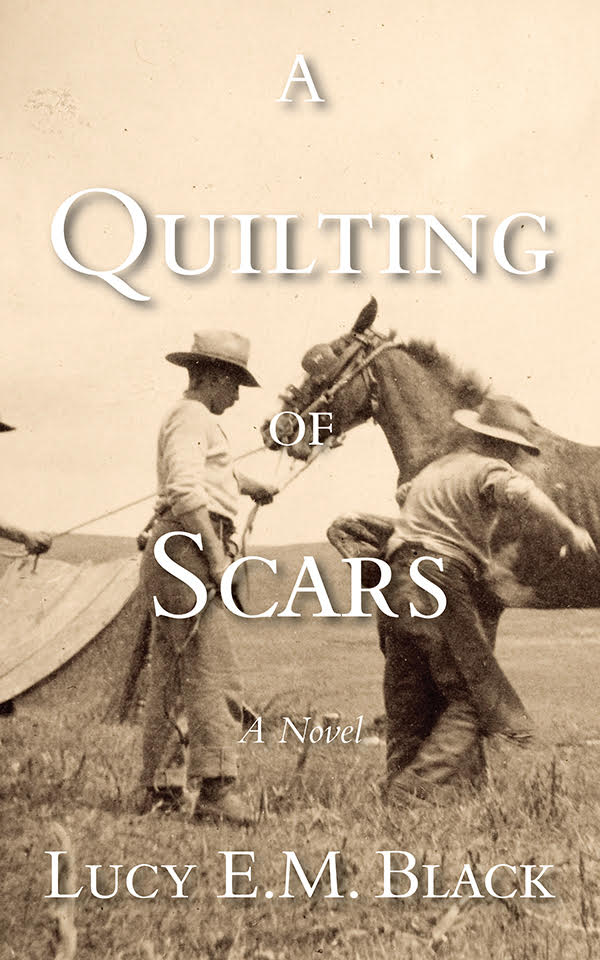
I’ve brought A Quilting of Scars with me this evening. It is my newest book (released October 15 with Now or Never Publishing).

Happy publication day Lucy and what a fantastically atmospheric cover.

I chose it because I think the book is timely in terms of what I view as the frightening rise of the right and the persecution of marginalized and vulnerable peoples.  

It sounds as if A Quilting of Scars is hugely important and pertinent to today’s world. What can we expect from an evening in with A Quilting of Scars?

Let me share with you what readers think. The following endorsements have come in for the novel: 

 Black writes with a wonderful sense of place, as she takes the reader back to a “not so” gentler time.  A comfortable, yet suitably disturbing read about secrets and the ever-present of the past. 

-Robert Rotenberg, author of the bestselling ONE MINUTE MORE.

 At once a searing portrait of rural life at the turn of 19th century Canada, profound family drama, and a dark mystery, Lucy E.M. Black’s A Quilting of Scars takes the reader on a tumultuous journey from the ashes of a tragic fire to the revelation of secrets and recriminations that burn just as deeply. 

-Anthony Bidulka, author of Going to Beautiful, winner of Crime Writers of Canada Best Crime Novel, and the Merry Bell mysteries.

A Quilting of Scars by Lucy E.M. Black is a gorgeously textured story of the brutality and sorrows of submerged identity and trauma. Set in the early 1900s in rural Ontario, Black’s writing is stylistically cinematic and thematically universal. Her masterful use of the historical fiction genre serves to amplify human behaviour, allowing us to take it out of our current context and place it in an uncluttered setting that is free of contemporaneous issues and distractions. The effect is a deftly-crafted character-driven narrative that’s as breathtaking as it is shattering.

-Hollay Ghadery, author of Fuse, Rebellion Box, and Widow Fantasies

Aging bachelor Larkin Beattie is still haunted by a decades-old double murder on the next farm over. Folks assume his childhood friend Paul killed his abusive father and brother. Larkin knows things others don’t. 

Hearty as a farm-cooked meal and resonant with Lucy E. M. Black’s spot-on period dialogue and detail, A Quilting of Scars is the story of a reserved, plain-spoken man and the unsettling friendship that shapes his life. Larkin Beattie will linger with you long after you’ve finished reading this remarkable book.

-K.R. Wilson, author of Call Me Stan and An Idea About My Dead Uncle

Lucy E.M. Black’s aptly named A Quilting of Scars is written with grace and depth of character. As with all of her moving historical fiction, Lucy immerses her reader in details. In this early 20th century Canadian story, she touches on animal husbandry, small town life, illness, religious zeal, guilt, shame, and the burden of secrets. The novel moves back and forth in time at a moving pace and yet with delicate sensitivity. There is profound loneliness in protagonist Larkin, ashamed of who he might be, and yet somehow, throughout his life he held his ground, ‘lest he disappear into the blackness.’ Larkin contemplates how a life might have unfolded differently if he’d been able to trust and share closely guarded secrets and not rub sadness deeper into his pores.   

-Gail Kirkpatrick, author of Sleepers and Ties

 Lucy Black has done it again. In “A Quilting of Scars,” she has created a delightful novel set in the late Victorian and early Edwardian era. We find ourselves plunged into the fictitious rural Ontario community of Murton, somewhere in the quiet landscape of Grey and Simcoe counties. On the first page we are immediately thrust into the sights, sound and aromas of farming life through the life of Larkin Beattie, a farmer with a love of horses. Ms. Black draws us into the deeply personal life of this practical man, a bachelor with unrequited, thwarted romances. We join him in his daily chores and social encounters, discreet and otherwise.  We understand, and identify with his inner pleasures and his anguish. 

Running through this skilfully crafted historical novel, are unobtrusive, yet relevant mysteries and secrets that keep the reader closely attached to the narrative. Even in the dialogue, with its vocabulary, colloquialisms and phrasing from more than a century ago, we are spirited back to that seemingly less complicated era. But it was still a time of hidden stresses.  

Throughout the work we are constantly reminded that, in spite of our present-day advances in technology and communication, human nature remains a constant throughout history. A delightful read. 

 -Paul Arculus, writer and historian

In A Quilting of Scars, Lucy E.M. Black weaves a murder mystery through the threads of farm life in the early twentieth century, expertly and delectably unfolding the intrigue with the everyday. Black uses cadence, dialect, and honed insight to immerse the reader in the life and psyche of Larkin Beattie — farmer, friend, and secret holder. We get poignant and fascinating glimpses into the hardships and joys of rural existence in Ontario’s past through the eyes of a man wracked with guilt, betrayal, and remorse.  

-H&A Christensen, authors of Stealing John Hancock

Lucy E.M. Black’s mellifluous prose conjures a lost world, steeped in love of family, memory, and the quiet echoes of regret. In Larkin, she crafts a character who carries the weight of grief, loss, and guilt, each shaping him in ways he cannot comprehend. His solace in the rhythms of farm life—its hard work, its quiet joys—cannot erase what has happened, nor the secret he keeps close: his love for a friend implicated in a murder that shattered his rural community. Among Black’s unforgettable creations, Larkin stands as both burdened and transcendent, a figure who lingers in the reader’s mind, refusing to be forgotten. This is a story of reckoning, remembrance, and the fragile hope found among the shadows of the past.

-AnnaLiza Kozma, Journalist and Senior Producer, CBC Radio

Goodness me! You must be beyond thrilled with those reactions Lucy – they’ve certainly made me want to add A Quilting of Scars to my towering TBR!

What else have you brought along and why have you brought it?  

I’ve brought a vintage poster called THAT SPLENDID HORSE, YOUNG NETHERBY! It’s dated May 1st, 1874 and announces Netherby will stand for mares this season at $4 a single leap. It was this poster that was the seed of the novel. 

How brilliant!

I’ve also brought with me a pair of sheep shears in the event that people don’t know what they look like.  

They take me back to my childhood Lucy, when farm life was very much part of my community. Thank you so much for staying in with me to chat about A Quilting of Scars. I think it sounds superb. Let me give readers a few more details:

A Quilting of Scars

Filled with the pleasure of recognizable yet distinctively original characters and a deftly drawn sense of time and place, A Quilting of Scars brings to life a story of forbidden love, abuse and murder. Pulsing with repressed sexuality and guilt, Larkin Beattie reveals the many secrets he has kept hidden throughout his lonely life. The character-driven narrative is a meditation on aging and remorse, offering a rich account of the strictures and rhythms of farming in the not-so-distant past, highlighting the confines of a community where strict moral codes are imposed upon its members and fear of exposure terrifies queer youth. As Larkin reflects upon key events, his recollections include his anger at the hypocrisy of the church, and the deep grief and loneliness that have marked his path. There is a timelessness to this story which transcends the period and resonates with heart-breaking relevance.

A Quilting of Scars is published by Now or Never today, 15th October 2025, and is available for purchase here or, for UK readers, here.

About Lucy E. M. Black

Lucy E.M. Black (she/her/hers) is the author of The Marzipan Fruit Basket, Eleanor Courtown, Stella’s Carpet, The Brickworks, Class Lessons: Stories of Vulnerable Youth and A Quilting of Scars.  Her award-winning short stories have been published in Britain, Ireland, USA and Canada in literary journals and magazines including Cyphers Magazine, the Hawai’i Review, The Antigonish Review, the Queen’s Quarterly and others. She is a dynamic workshop presenter, experienced interviewer and freelance writer.  She lives with her partner in the small lakeside town of Port Perry, Ontario, the traditional territory of the Mississaugas of Scugog Island, First Nations. 

For further information, visit Lucy’s website https://lucyemblack.com/ or find Lucy on X @lucyemblack, Facebook and Instagram.

Magpie by Georgia Hill

My enormous thanks to lovely Georgia Hill for ensuring I received a copy of her latest book, Magpie, and to Tara Lyons for sending it to me. It’s my pleasure to share my review of Magpie today.

You’ll find Georgia’s other appearances on Linda’s Book Bag here

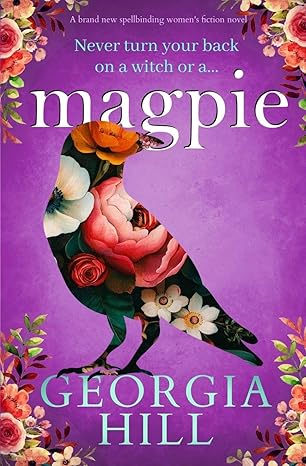
Magpie was published by Bloodhound on 26th August 2025 and is available for purchase here.

Magpie

Two women. Two centuries. One house full of secrets.

A spellbinding tale for fans of Weyward, where the past never truly dies…

When Beth Loveday retreats to a shadowed corner of the Devon coast, she hopes to rebuild her life in peace. But the old timbered shop she buys – Tenpenny House – has other plans. Strange objects hidden in the walls. A book of forgotten remedies. And dreams that feel like memories.

In 1660, Susanna Loveday walks the same worn floors. Apprentice to a healer, she’s swept into a deadly game of suspicion and power when whispers of witchcraft begin to spread. As danger closes in, a single choice will echo through time.

Linked by blood and bound by secrets, Beth and Susanna are caught in a web that spans centuries. The truth lies buried – but Tenpenny House remembers everything…

My Review of Magpie

Beth Loveday is moving into Tenpenny House.

Yes! What a cracking narrative. Magpie is what one might call a proper story and I thoroughly, thoroughly enjoyed it.

I’m not usually a great lover of dial timeline narratives, but in the case of Magpie it is perfect. When reading the seventeenth century parts I thought they were my favourite, being so authentic in creating a sense of time and place. And then, the moment I began reading the modern sections I felt they were my favourite elements. This is because Georgia Hill creates a sense of both history and modernity with aplomb. The shift in language formality is especially effective, particularly through direct speech, so that it places the reader at the heart of the two timescales. There’s also a really fascinating irony that I found the slightly supernatural suggestion of why Beth experiences unease in Tenpenny House far more unsettling than the witchcraft of the earlier century. I loved too the way snippets of historical detail were gathered by Beth and Nathan in much the same way a magpie gathers up shiny objects. 

What also works brilliantly is the manner in which echoes of the past in Susanna and Prudie’s story reverberate through the centuries to Beth and Nathan. There’s a hint of magical realism, a sense of history repeating itself and a glorious understanding of how the past in all its forms helps shape who we are in the present. I really loved the motifs threaded through; from the mock a pies, through the sense of history repeating itself, to the exploration of mental and physical health blended with science and superstition. Georgia Hill shows how today’s exploitation and online trolling really is a modern equivalent of the superstition, gossip and rumour that affected some women in the witch hunts of the sixteen hundreds. This makes for compelling reading.

And despite the control of men in Susanna and Prudie’s lives, and Hugh and Nathan’s importance in Beth’s life, this really is herstory at its best. Magpie is not only part historical drama, part modern romance and part mystery, but it is a celebration of women with all their many facets. Georgia Hill gives voice to the oppressed like Prudie, illustrating grit, determination and strength of character, but equally she doesn’t shy away from the indecision, spitefulness and manipulative ways some women can also behave. Beth in particular illustrates a strong feminist streak, but it is Susanna who truly embodies such strength. This gives a wonderful depth and texture to the book. 

So too does the backdrop of Tenpenny House. The setting feels creepy, bordering malevolent at times, and yet comforting and supportive at others. The writing had a real feel of Daphne du Maurier in the setting so that I was drawn further and further into the narrative.

I thought Magpie was absolutely engaging and entertaining and so well plotted. It’s just right for the increasingly dark evenings! Anyone reading it might just find themselves wanting to research their own ancestry, but you’ll need to read the book to see why. I really recommend that you do. 

About Georgia Hill

Georgia Hill writes warm-hearted and up-lifting contemporary and timeslip romances about love, the power and joy in being an eccentric oldie and finding yourself and your community. There’s always a dog. It’s usually a naughty spaniel of which, unfortunately, she has had much experience. She lives near the sea with her beloved dogs and husband (also beloved) and loves the books of Jane Austen, collecting elephants, Belgian chocolate and Strictly Come Dancing. She’s also a complete museum geek and finds inspiration for her books in the folklore and history of the many places in which she’s lived.

She’s worked in the theatre, for a charity and as a teacher and educational consultant before finally acknowledging that making things up was what she really wanted to do.

She’s been happily creating believable heroines, intriguing men and page-turning stories ever since.

For further information, follow Georgia on X @georgiawrites, visit her website, or find Georgia on FacebookInstagram and Bluesky

The Beekeeper of Aleppo by Christy Lefteri

I’ve been meaning to read The Beekeeper of Aleppo by Christy Lefteri since it came out, but life has always intervened. Today, however, I am delighted to share my review as The Beekeeper of Aleppo is my U3A book group’s choice this month and we’ll be discussing it later today.

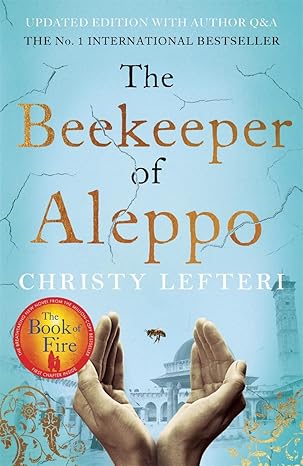
The Beekeeper of Aleppo was published by Bonnier imprint Manila Press on in paperback on 20th February 2020 and is available for purchase here

The Beekeeper of Aleppo

In the midst of war, he found love

In the midst of darkness, he found courage

In the midst of tragedy, he found hope

What will you find from his story?

Nuri is a beekeeper; his wife, Afra, an artist. They live a simple life, rich in family and friends, in the beautiful Syrian city of Aleppo – until the unthinkable happens. When all they care for is destroyed by war, they are forced to escape. 

As Nuri and Afra travel through a broken world, they must confront not only the pain of their own unspeakable loss, but dangers that would overwhelm the bravest of souls. Above all – and perhaps this is the hardest thing they face – they must journey to find each other again.

Moving, powerful, compassionate and beautifully written, The Beekeeper of Aleppo is a testament to the triumph of the human spirit. Told with deceptive simplicity, it is the kind of book that reminds us of the power of storytelling.

My Review of The Beekeeper of Aleppo

Nuri is fleeing his homeland with his wife Afra to claim asylum in England.

The Beekeeper of Aleppo is simultaneously beautiful and brutal. Christy Lefteri’s prose is mesmerising, poetic, and stunning. She paints a picture of people and places with such skill it is impossible not to picture them in your mind’s eye. And yet her writing is equally spare, pared back and essential, particularly through direct speech, so that the narrative feels all the more affecting and profound. The fractured and yet united transition by white space and single words between chapters in The Beekeeper of Aleppo is utterly brilliant. Through this simple device the author illustrates the links between us all. The book illustrates that we can find common ground, common experiences and united humanity. This is such an important message. Indeed, the entire book is filed with stories – from the one we are reading to the ones Nuri tells Sami and Mohammed to those the characters share on their journeys. This really is a book about the power of language – not least because words are Afra’s ability to see.

I thought writing from Nuri’s perspective was inspired. Society spends so much time vilifying asylum seekers and immigrants and yet through Nuri’s story we begin to see beneath the headlines, discovering the truth about how and why the oppressed and displaced arrive in our countries. I loved the fact that Nuri is flawed and human. Here we have a man who is simply trying to survive, protect his wife and mourn the killing of his young son. I found the insight into his mental health made him all the more real and, whilst his narrative is hugely affecting, it had an additional impact for me from being through a man’s eyes because so much of the emotional first person fiction I encounter is from a female viewpoint. Seeing a man this way felt genuinely humanising. In amongst all the horrors he encounters on his journey and some of the dubious activities he needs to carry out, it was in fact, his small act of defiance towards his father’s business that undid me. His sense of guilt balanced against his need to tend the bees and the importance they have in his life was strikingly emotional.

I found Afra both heart-breaking and inspiring. Her blindness gives her an understandable vulnerability, and yet her strength is beyond measure. To endure what she does and survive is profoundly moving. 

Whilst Nuri and Afra encounter many others on their journey, the cast of characters is actually rather small, so that there’s a feeling of intimacy as well as universality in their narrative that is really impactful. The naming of Mohammed is perfect. One of the most popular names in the world means that we have a narrative in The Beekeeper of Aleppo that is true for so many people. I found it terrifying that the book was written before the current international conflicts and yet we seem to have regressed. This is a story I wish every world leader would read and reflect upon. The metaphor of the single wingless bee – a true character in the tale – could not have been better depicted. Nuri’s desperation to help it, its unsafe position in life and its tenacity was a real reflection of so many humans in the book. 

Filled with grief and sadness, The Beekeeper of Aleppo is, ultimately, a story of hope, of the power of love and the basic, human need to belong. I thought it was magnificent and cannot recommend it more highly I will not forget it in a hurry. 

About Christy Lefteri


Brought up in London, Christy Lefteri is the child of Cypriot refugees. She holds a PhD in creative writing from Brunel University, where she was a lecturer for many years. She is the author of Songbirds and the international bestseller The Beekeeper of Aleppo, which won the Aspen Words Literary Prize and was the runner-up for the Dayton Literary Peace Prize. Her first novel, A Watermelon, a Fish and a Bible, was longlisted for the International IMPAC Dublin Literary Award.

For further information follow Christy on X @christy_lefteri.

Staying In With Jenni Keer

It was my absolute pleasure to meet lovely Jenni Keer at the Love Stories etc fiction festival in Manchester back in July. I simply had to invite Jenni onto Linda’s Book Bag and with a brand new book out tomorrow, when better for Jenni to stay in with me?

Let’s find out more:

Staying in with Jenni Keer

Welcome to Linda’s Book Bag, Jenni and thank you for agreeing to stay in with me.

My absolute pleasure, Linda. What with the darker evenings and distinct drop in temperature over the last couple of weeks, staying in is by far the preferable option. *Grabs thick, knitted cardigan*

You’re absolutely right – and that’s a great cardi by the way! Tell me, which of your books have you brought along to share this evening and why have you chosen it?


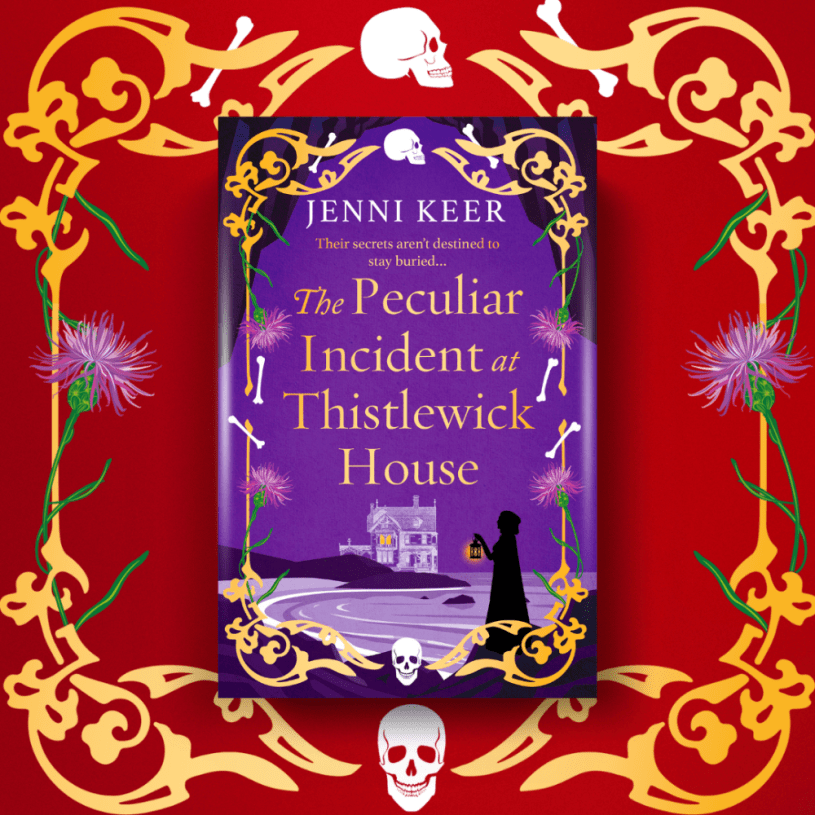
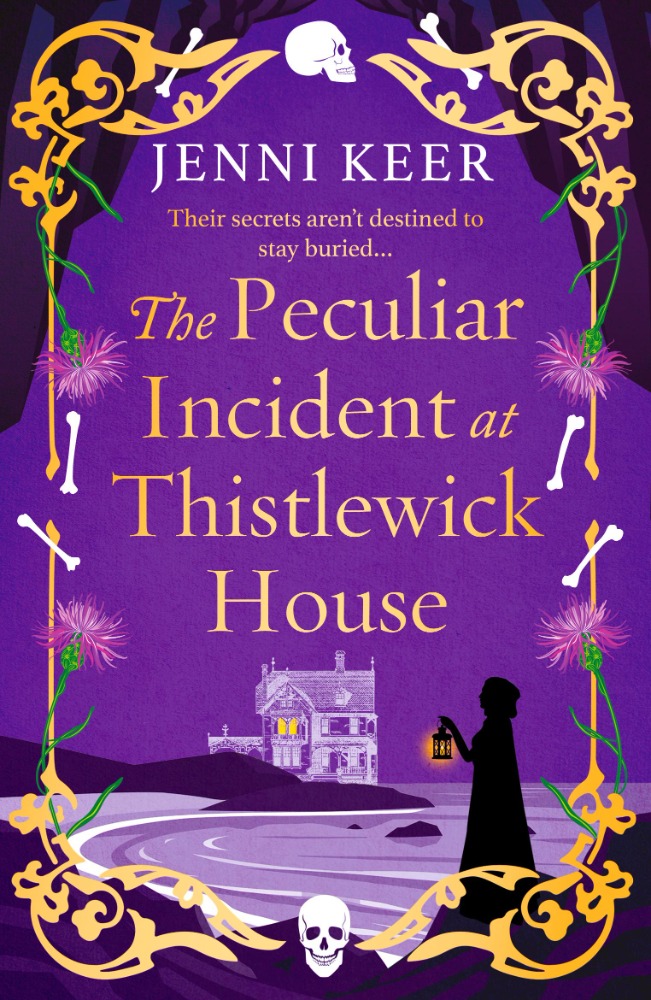
I’ve brought my latest release, The Peculiar Incident at Thistlewick House. Look at the beautiful Cadbury’s purple cover! And all those skulls and bones dotted about in the thistle-themed border.

It’s a fantastic cover.

Hopefully, this gives the reader a sense of what the story might contain. The idea for this story came to me when I read about the graveyards falling into the sea as our coastlines erode. It got me thinking about who the bones might belong to and why they might be buried in the cliff… 

Oh. I hadn’t thought about that aspect of coastal erosion! When is The Peculiar Incident at Thistlewick House out? 

It’s published in all formats on 11th October, which is perfect in the run-up to Halloween. 

Happy publication day for tomorrow. So, what can we expect from an evening in with The Peculiar Incident at Thistlewick House?

To match the season, this book is a deliciously dark Victorian gothic novel, with my usual mix of romance and history, murder and mystery (oo, that rhymes!) and the sprinkling of magical realism that I’m now known for. It’s set in the fictional village of Thistlewick Tye on the north Norfolk coast, in the bleak autumn of 1895, but has a fabulous flashback to 1855, when a travelling circus visits the area and mysteriously disappears. If you’re interested in Victorian spiritualism, and enjoyed The Greatest Showman, this could be your cup of spooky tea.

It most certainly is. I can’t wait to read The Peculiar Incident at Thistlewick House and am thrilled to have a paperback copy (ebook readers can order it here today and have it just after midnight).

What else have you brought along and why have you brought it?


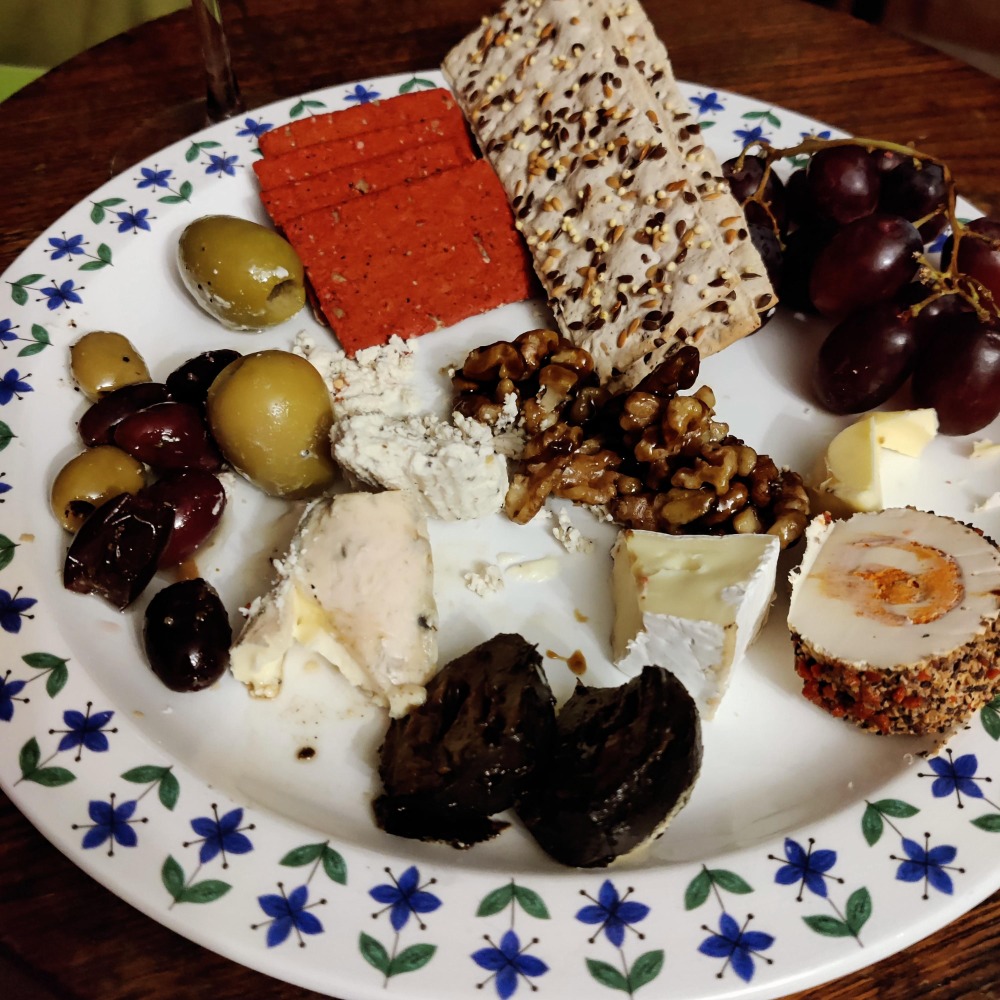
In my Red-Riding-Hood-style basket, I’ve brought a bottle of mulled wine to warm our cockles, some of my favourite cheeses, and a selection of juicy olives. Perhaps I should have brought a bottle of absinthe (Edward Blackmore’s favourite tipple) and a selection of the foods that are mentioned in the book, such as seagull eggs, bladderwrack seaweed, winkles and Maude’s watery stew… Hmmm, after careful consideration, I think we’ll stick with the cheese and wine.

Ah, now usually I can’t drink wine as it makes me ill, but funnily enough mulled wine seems OK and I love the look of that food.

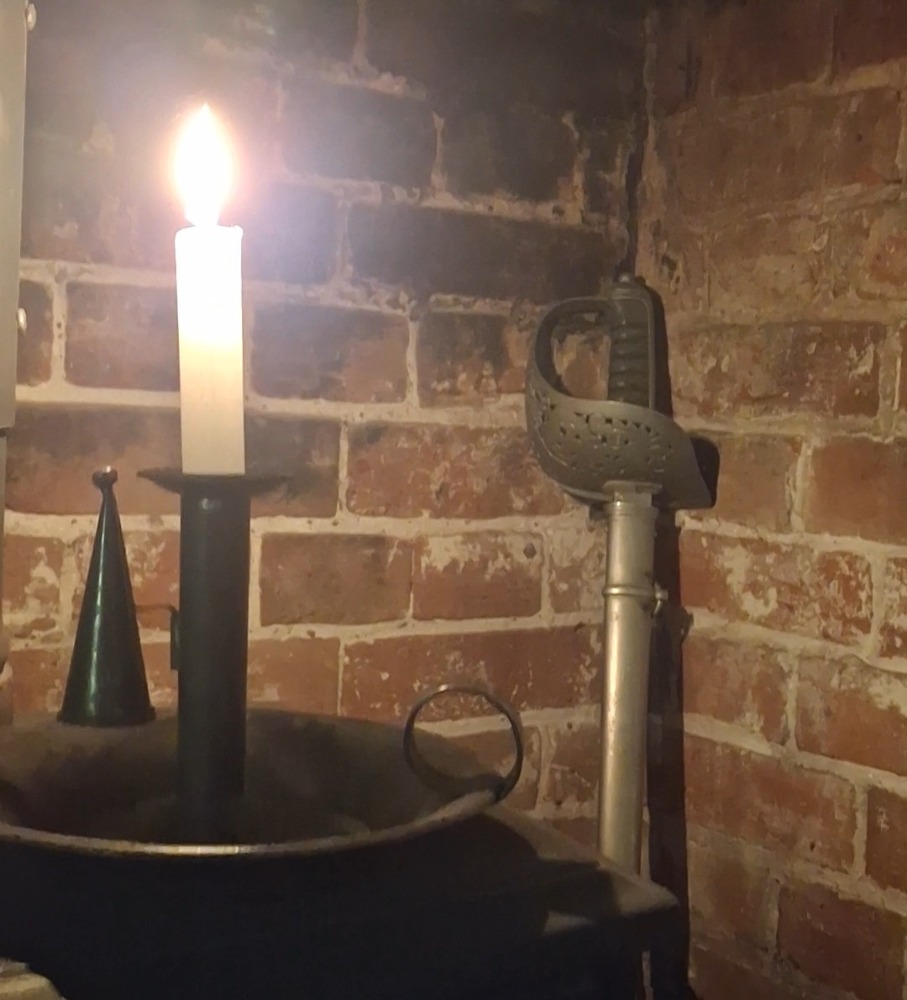
For ambience, let’s light the fire and place my husband’s favourite Georgian pewter candlestick on the side. How about a bit of spooky music playing in the background? Maybe a Halloween playlist? Muse – Supermassive Black Hole? I know we all associate that with Twilight and vampires, but it’s got the right vibe. Then, we can place some lovely fluffy blankets over our knees and get cosy. Although, to be fair, once the mulled wine kicks in, we’ll be super toasty and have a lovely, ruddy glow about our cheeks.

That’s us all cosy then Jenni. But there seems to be several more folk arriving…

To make the evening truly memorable, I’d like to invite all the members of Samson’s Circus of Astonishing Spectacles, if you think you have enough chairs? I’ll warn you, they’re a rowdy rabble. Little Cupid often ends up off his face on cheap gin, Katerina, the Russian fortune teller, can be a tad judgemental, and her common-law husband, Samson the strongman, looks damn scary but he’s soft as butter, really. The Giraffe woman doesn’t say much, but the stable lads will entertain and amuse, if you can cope with the rough and ready language. Perhaps Zella will perform some of her acrobatics, and Hazibub has a great party trick – if you’re not afraid of snakes?

Er, the snakes don’t bother me, but that sounds like quite a crew you have there. Are you sure they’re OK?

Whilst they look quite an intimidating bunch, and have some pretty dubious morals much of the time, they’re like a family. You’ll see how protective they are of each other and, boy, have they led interesting lives. So, as long as I can persuade them not to initiate a mass orgy on your living room rug at the end of the night, I think it would definitely be an evening in to remember!

It’d be pretty memorable either way!

I’m also going to ask Edward Blackmore along, the hero of my story, because he’s an interesting fellow. And I’ve slipped a ouija board into my basket – not that Edward uses them when he contacts the spirits – but then, I’ll let you into a little secret, he’s a total charlatan. Perhaps he can be persuaded to share some of the tricks he uses to make gullible clients believe he’s communicating with their departed loved ones? Mind you, if you drink too much of the absinthe (he’ll doubtless bring a bottle, tucked into his long overcoat) then you may start hallucinating and think you can see spirits regardless.

Um, I think Edward is very welcome…

Thanks so much for staying in with me to tell me all about The Peculiar Incident at Thistlewick House, Jenni. It sounds absolutely brilliant.

Thank you for inviting me to stay in with you, Linda. I do hope my guests behave and that your readers are intrigued enough to check out my next book. It’s certainly an autumn read and fabulous for a cosy, blanket-snuggled night in.

Jenni x

My absolute pleasure. Now, you pour the mulled wine and I’ll give readers a few more details about The Peculiar Incident at Thistlewick House as it really does sound brilliant:

The Peculiar Incident at Thistlewick House

As the bones start to fall, the spirits will rise…

Norfolk, England, 1895: When renowned spiritualist Edward Blackmore receives a desperate message from his cousin Barnabas, begging him to come to the coastal village of Thistlewick Tye, his first thought is to ignore the request. Despite his cousin’s insistence that his wife is possessed by a malevolent spirit, Edward has no time for the man who stole his inheritance.

Lured by the promise of money, along with a genuine concern for Barnabas’s wife – who he’d once loved – he reluctantly travels to at Thistlewick House, only to arrive too late. Emma is dead.

Barnabas suspects there are supernatural forces at play. But Edward is convinced murder is afoot. As he begins to investigate, he finds himself drawn into the lives of those in this isolated and unnerving village, especially the beguiling woman who gathers up the human bones falling from the rapidly eroding cliffs.

Then he discovers that a travelling circus completely disappeared in the area forty years previously and no one is willing to talk about it. Perhaps not everything at Thistlewick Tye is quite what it seems…

A totally gripping and unmissable historical novel from the bestselling author of No. 23, Burlington Square.

Published by Boldwood tomorrow, 11th October 2025, The Peculiar Incident at Thistlewick House is available for purchase here.

About Jenni Keer

Jenni Keer lives in the glorious Suffolk countryside with her four sons, three cats but just the one husband. She is often frustrated by their inability to appreciate that when she’s staring into space, she’s actually working, and that watching television counts as research. Jenni’s quirky cocktail of romance and history is often mixed with a dash of magical realism and sprinkled with the odd murder or two.

For further information sign up here for Jenni’s (4 times a year) newsletter, find her on Bluesky, Facebook and Instagram or follow her on X @JenniKeer