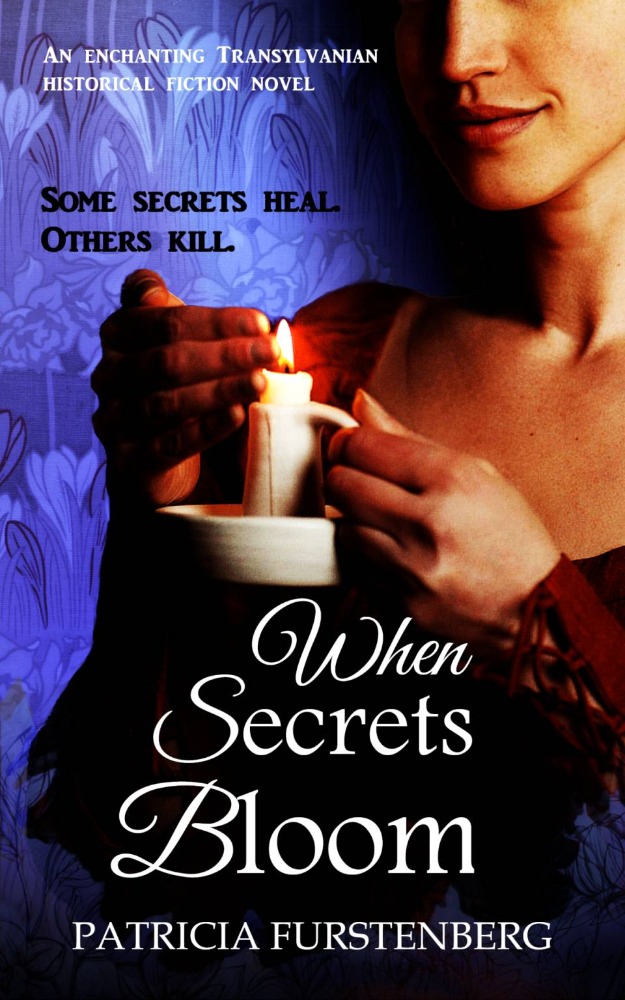
It’s my absolute pleasure to welcome back lovely Patricia Furstenberg to Linda’s Book Bag today. Patricia has featured here many times before but it’s been far too long since she appeared.
Today we are discussing her brand new book When Secrets Bloom, so let’s find out more:
Staying in with Patricia Furstenberg
Welcome back to Linda’s Book Bag Patricia and thank you for agreeing to stay in with me once again.
Thank you so much for having me back, Linda. It’s always a pleasure to visit Linda’s Book Bag. Your passion for stories and tireless support of authors is truly inspiring. I’ve been a long-time admirer of your blog and I’m delighted to return for another sweet chat.
That’s so kind of you. I know you have a brand new book out so tell me, which of your books have you brought along to share this evening and why have you chosen it?
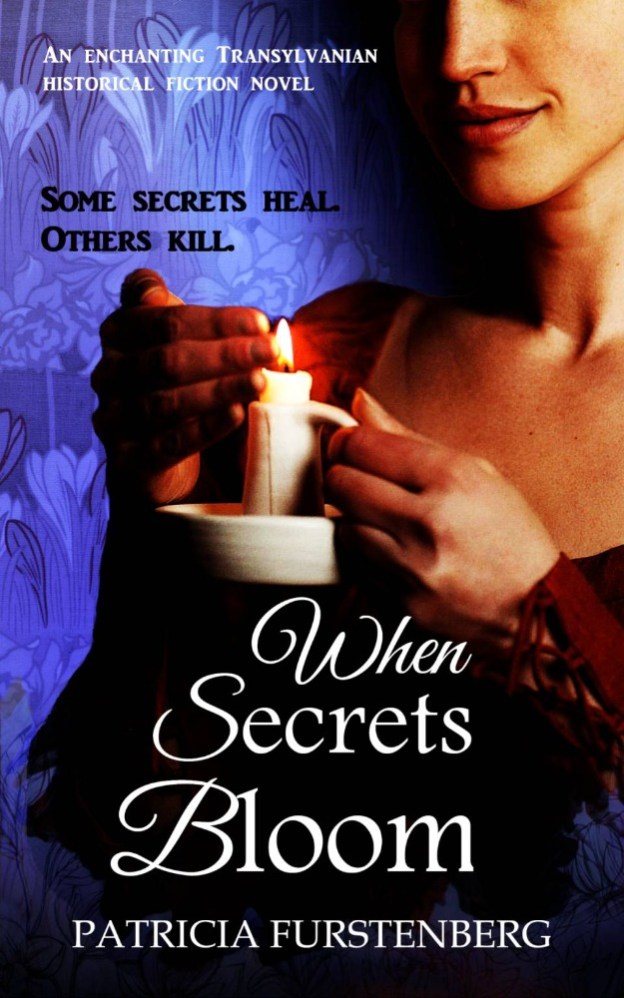
Thank you for asking, Linda. This evening, I’ve brought When Secrets Bloom, my new release. It’s an historical fiction novel set in 15th-century Transylvania over three winter days; mist clings to people’s breath and secrets root deeper than the winter freeze.
And it’s out today! Happy publication day.
I chose this book because it’s a story that took many years to take shape to finally bloom in four books. The first one, When Secrets Bloom, follows Kate Webber, a German Saxon healer caught between duty and suspicion, love and survival. At its heart lies a question I kept returning to: What if the secrets we carry could either heal or destroy, depending on who learns about them?
Given my life at the moment, When Secrets Bloom sounds essential reading. Tell me more!
The book promises to immerse the reader in superstitions and secrets, but also in light, the kind that flickers through wooden windows and from ancient beliefs, but also from the hearts of those who refuse to surrender to silence.
At its centre is Kate, a German Saxon healer in 15th-century Transylvania, a woman as rooted in the land as the herbs she gathers (taught by her mother) and the legends she believes in (educated by her father). When Kate defies her husband’s command and saves yet another mother and child, the price is more than her safety. It’s her name, her past, and her future. Accused of witchcraft she can either stand against suspicion or release a secret that refuses to stay buried.
This is a story where local superstition and medieval science (sometimes grossly misunderstood) brush shoulders: the whispers of strigoii (the local undead) mix with the first printed pages coming off Kronstadt’s wooden press. In many ways, the novel is a quiet homage to women who heal, remember, and endure, who hold communities together while history watches elsewhere.
I’m always fascinated by women in historical fiction. But why did you choose Transylvania for your setting?
Kronstadt is the old name for Brasov, one of Transylvania’s biggest cities. Transylvania holds an enduring place in my heart. My mom is from there. I grew up listening to its stories and I was lucky to visit and touch the old stones of its fortresses. So writing about Transylvania isn’t a choice, it’s a return. A return to my roots and to a past that still speaks if you know how to listen.
And yes, Vlad the Impaler lingers at the edge of these pages. Not as the figure of fear, but as a memory, a mentor who once taught Kate to read a wound as one reads a map. He doesn’t appear, not yet. But he is there; in every choice Kate makes, in every lesson she recalls.
This sounds brilliant.
What else have you brought along and why have you brought it?
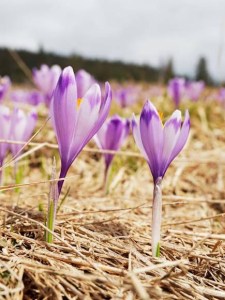
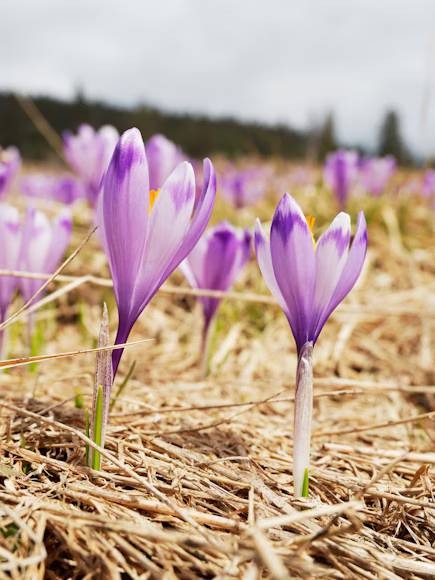
I’ve brought along a small field of crocuses in bloom. They hold a quiet but powerful meaning in When Secrets Bloom. For Kate, they are more than flowers; they are memory made visible. A childhood gift from a silent sweetheart (one she’ll meet again), a symbol of rebirth and resilience and a thread that ties her dangerous present to a moment of innocence long gone. The crocuses appear only briefly in the story (although they made it on the book cover), but their presence lingers, just like the people we carry within us, even when they’ve vanished from sight.
That aspect of presence feels very pertinent in today’s world. Were there any other reasons for choosing them?
The crocus is one of the first flowers to brave the frozen Transylvanian soil and also the last to wither in the face of autumn frost, as Spring and Autumn crocuses. Much like Kate herself, they bloom when few others dare.
Historically, crocuses grew wild across the Carpathian hills, prized not only for their fragile beauty but for the saffron they sometimes yield. Golden threads used in healing, dyeing, and rituals lost to time, their duality, fragile and strong, fleeting and enduring, mirrors the quiet resilience at the heart of this story.
I think I’ll be looking at crocus blooms differently in future…
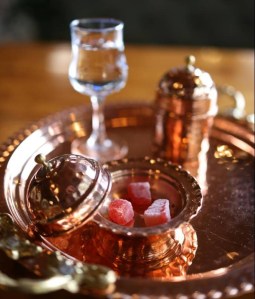
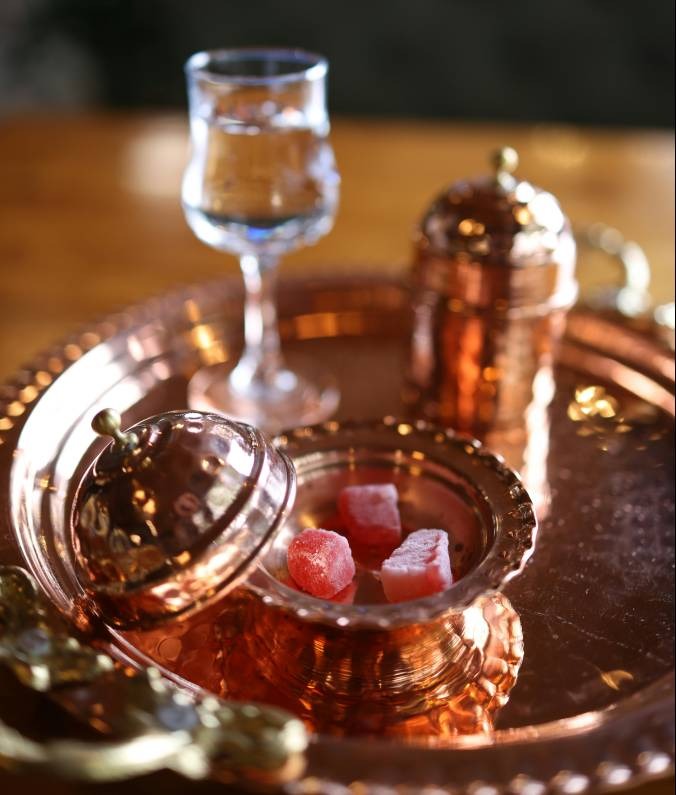
And because no evening on Linda’s Book Bag is complete without a sweet delight, and no historical fiction book is complete without a taste of the past, I’ve also brought Turkish delight. Soft, sweet, dusted with nostalgia. It’s a nod to Vlad Dracula, whose youth was forcefully shaped in the heart of the Ottoman Empire where apparent sweetness and sharp strategy often walked hand in hand. It’s easy to forget, before the legend hardened around his name Vlad was a young boy forcefully held at the Ottoman court. Here, he learned their ways, tasted their food, and adapted their knowledge to survive.
Oo! I didn’t know that. And Turkish delight is one of my favourites. You can come again!
So, tonight, flowers for memory and sweets for diplomacy. Both can be dangerous. And both can be beautiful. I’m a big fan of symbolism, Linda. When Secrets Bloom offers not just a glimpse into the past, but a quiet conversation with it. Some stories ask to be read. This one, I hope, will also be remembered.
I hope so too Patricia, and it certainly sounds as if it will be. Thank you so much for coming back to the blog to tell me about When Secrets Bloom. I think it’ll be an intriguing and mesmerising read.
Thank you so much, Linda, for welcoming me back to Linda’s Book Bag. It’s been a joy to share When Secrets Bloom with you and your readers and to bring along a little taste and scent of the world behind its pages. Your support of stories and storytellers means more than I can say. Heartfelt thanks.
My pleasure! Now pass me some Turkish delight to celebrate today’s publication of When Secrets Bloom and I’ll give readers a few more details:
When Secrets Bloom
Transylvania, 1463
Some secrets heal. Others kill.
Kate Webber, a 28-year-old Saxon healer, has long walked the line between reverence and suspicion. Trained in the healing arts under the guidance of Lord Vlad Dracula, she has learned that skill alone cannot protect a woman in a city ruled by fear. Her marriage to the powerful but secretive Magyar promised stability, yet left her silenced and watched. On a bitter Advent night, when a mother and her newborn face death, Kate defies her husband’s command and steps into danger — for life, not reputation.
When Kate succeeds, the city notices. Some with awe. Others with fury. The town physician, threatened by her talent and humiliated by her success, seizes his moment. And as rumors flare into accusations, old alliances stir. Iancu, Kate’s childhood friend and now captain of the Militia, comes to her aid during the perilous birth — rekindling memories of freedom, laughter, and trust, before marriage shackled her to duty.
Back in her workshop, a girl appears, pleading for a love potion. But Margit brings more than need. She leads a mob. Elsewhere in the city, Moise, a Jewish apprentice at the printing press, notices a cloaked figure drifting across the square: a Shaman whose presence draws whispers of Magyar’s hidden dealings. When a rare manuscript disappears from the press Moise begins to uncover a darker purpose: a sought-after book. On the day of execution Kate performs a final act of defiance, she saves another child, while Moise is framed for more than he could have ever imagined.
Kate and Moise’s fates, as well as the map’s legacy, unfold as some secrets must be read not in books, but in the hearts of those who hide them.
Published today, 27th June 2025, When Secrets Bloom is available for purchase (at a bargain price I might add) here.
About Patricia Furstenberg

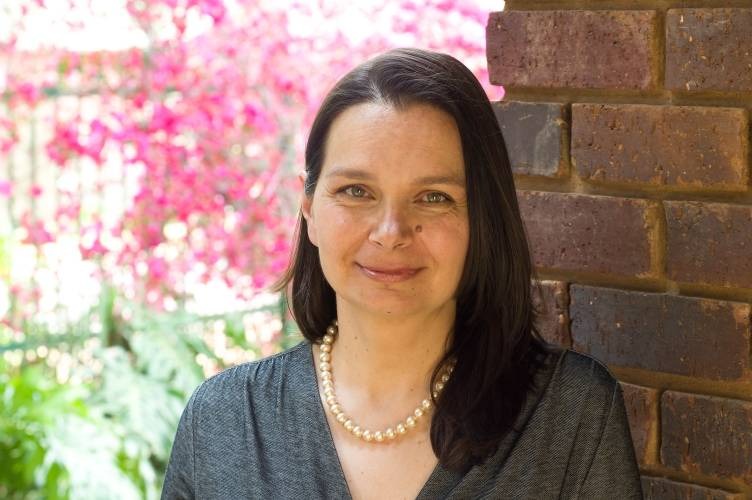
Patricia Furstenberg is a writer of historical fiction inspired by the forgotten corners of the past, where truth and legend entwine. With a medical degree and a heart rooted in Transylvania, her stories often explore resilience, hidden truths, and the quiet strength of women and dogs. She is best known for her war fiction Joyful Trouble, Silent Heroes and the new and enchanting When Secrets Bloom.
For further information, follow Patricia on Twitter/X @PatFurstenberg and Facebook or visit her website.


















 Linda's Book Bag